Living in Jacksonville, FL, means dealing with a lot of humidity and heat, right? It can really make your home feel uncomfortable sometimes. You might be thinking it’s just the AC, but your windows could be a big part of the problem. Replacing old, worn-out windows with new ones can actually make a huge difference in how clean the air is inside your house. We’re talking about How Window Replacement in Jacksonville FL Improves Indoor Air Quality.
Key Takeaways
- New windows create a better seal, stopping outdoor dust, pollen, and other tiny particles from getting into your home.
- Modern window tech, like special coatings and gas fills, helps keep your home’s temperature steady and the air healthier.
- Replacing windows helps manage Jacksonville’s humidity, keeping mold and mildew away and improving air quality.
- Good installation is key; it makes sure your new windows seal tight, preventing leaks and condensation that can harm air quality.
- Choosing windows built for Florida’s climate means they’ll last longer and work better at keeping your indoor air clean and comfortable.
Sealing Your Jacksonville Home Against Outdoor Pollutants
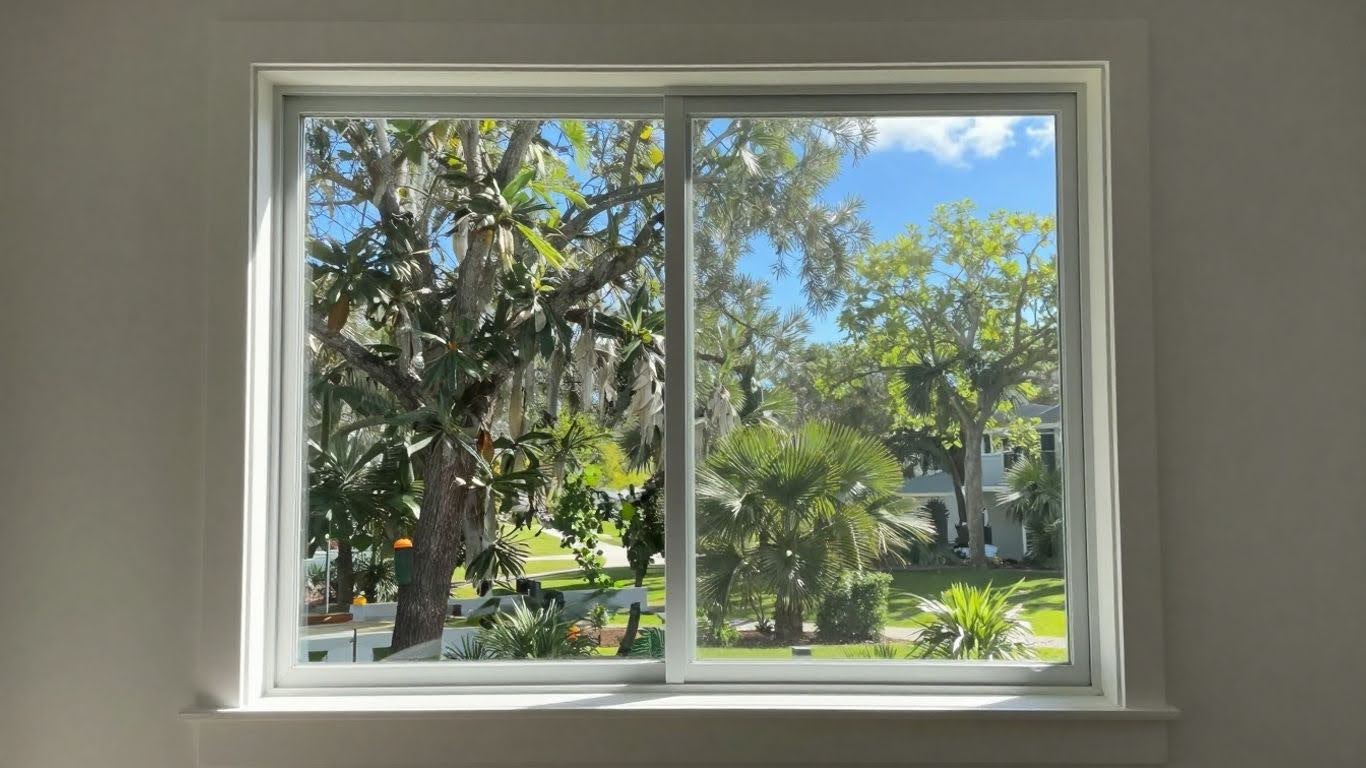
Think about your home like a big, comfy bubble. When that bubble has holes, all sorts of unwanted stuff can get in, right? That’s pretty much what happens with leaky windows. In Jacksonville, with all the pollen, dust from construction, and general city air, keeping that bubble sealed is a big deal for breathing easier inside.
Preventing Air Leakage for Cleaner Indoor Air
Old or poorly fitted windows are like open invitations for outdoor air to sneak in. This isn’t just about drafts making you feel chilly; it’s about what that air carries. We’re talking about fine dust particles that settle on your furniture, pollen that can trigger allergies, and even tiny bits of pollution from traffic. When your windows don’t seal up tight, your air conditioner has to work overtime trying to filter all that extra gunk, and your indoor air quality takes a hit. Properly sealed windows are the first line of defense against this constant influx of outdoor contaminants.
Reducing Dust and Pollen Intrusion
Jacksonville has its share of beautiful trees and blooming flowers, which means pollen season can be intense. Add to that the dust kicked up from roads and the occasional construction project, and you’ve got a recipe for indoor air that’s less than fresh. Older windows, with their worn seals or warped frames, create easy pathways for these microscopic invaders. New windows, installed correctly, create a much more effective barrier. They’re designed to fit snugly, minimizing the gaps where dust and pollen can make their way into your living space. This means less dusting for you and a much more comfortable environment for anyone with allergies or respiratory sensitivities.
The Role of Proper Sealing in Air Quality
It’s not just about the window itself, but how it’s installed. Even the best window won’t do much good if there are gaps around the frame. This is where professional installation really shines. When windows are fitted and sealed correctly, they form a solid barrier. This barrier doesn’t just keep the weather out; it keeps your conditioned air in and the outdoor pollutants out. Think of it like this:
- Air Barrier: New windows create a tight seal, stopping uncontrolled air exchange.
- Filtration Support: By reducing the amount of unfiltered air entering, your HVAC system’s filters last longer and work more efficiently.
- Humidity Control: A good seal helps manage indoor humidity levels, which is super important in Florida’s climate.
When your windows are properly sealed, you’re not just improving comfort; you’re actively contributing to a healthier indoor environment by preventing the entry of allergens and irritants that can affect your family’s well-being.
This focus on sealing is a key part of how window replacement directly impacts the air you breathe every day in your Jacksonville home.
Enhancing Jacksonville Indoor Air Quality with Modern Window Technology
Old windows can be a real pain, letting in all sorts of unwanted stuff and making your AC work overtime. But the good news is, today’s windows are way better. They’re designed with smart features that really make a difference in how clean and comfortable your home feels.
Low-E Glass Coatings for Temperature Regulation
Think of Low-E (low-emissivity) coatings as a special shield for your windows. It’s a super thin layer applied to the glass that does a couple of cool things. First, it helps keep the intense Jacksonville heat out during the summer. It reflects a lot of that solar heat away, so your home stays cooler without your air conditioner having to run non-stop. Then, when it gets a bit cooler, it helps keep the warmth inside, which is nice for those milder winter days. This means less strain on your HVAC system and, hopefully, lower energy bills. It also helps block those harsh UV rays that can fade your furniture and carpets over time.
Argon Gas Insulation for a Healthier Environment
Another neat feature you’ll find in modern windows is argon gas. It’s a colorless, odorless gas that’s heavier than air. In replacement windows, there’s usually a space between the two panes of glass, and this space is filled with argon gas. Why is this good for air quality? Well, it acts as an extra layer of insulation. This helps prevent temperature fluctuations, which can sometimes lead to condensation forming on your windows. Less condensation means a lower chance of mold and mildew growing, which is a big win for keeping your indoor air clean and healthy, especially in a humid place like Jacksonville.
Energy-Efficient Designs That Breathe Easier
Beyond the glass itself, the whole design of modern windows is focused on efficiency. This includes better seals around the frames and sashes. When windows are installed properly, they create a much tighter seal against the outside. This stops drafts from letting in dust, pollen, and other outdoor allergens that Jacksonville seems to have plenty of. It also prevents your conditioned air from escaping. So, you get a more consistent temperature inside, fewer irritants floating around, and your home just feels more comfortable overall. It’s like giving your home a fresh, clean breath.
How Window Replacement Mitigates Jacksonville’s Climate Impact on Air
Jacksonville’s weather can be pretty intense, right? We’re talking about sticky, high humidity pretty much all year, plus those sudden tropical storms that can really whip things around. Old, leaky windows just can’t keep up. They let all that moisture and whatever else is floating around outside sneak right into your home. This isn’t just uncomfortable; it can really mess with your indoor air quality.
Combating High Humidity’s Effect on Air Quality
High humidity is a big deal here. When humid air gets into your home through gaps in old windows, it creates a perfect breeding ground for mold and mildew. These aren’t just gross to look at; they release spores into the air that you definitely don’t want to be breathing. New windows, especially those with good seals and modern materials, are designed to keep that damp air out. This helps keep your home’s air drier and healthier, reducing the chances of mold popping up in places like your bathroom or kitchen.
Protecting Against Tropical Storms and Debris
We all know Florida can get hit with some serious weather. Tropical storms and hurricanes can bring high winds and flying debris. Older windows are often the first to break, letting wind and rain pour into your house. This not only causes water damage but also lets in all sorts of outdoor gunk – dirt, leaves, and other particles. Replacing your windows with impact-resistant options means they’re built tough to handle these events. They stay intact, keeping your home sealed up and protecting your indoor air from being contaminated by storm aftermath.
Maintaining Consistent Indoor Temperatures for Health
It’s not just about comfort; consistent temperatures are actually important for your health, especially if you have respiratory issues. When your old windows let in drafts or allow conditioned air to escape, your HVAC system has to work overtime. This leads to fluctuating temperatures inside your home. One minute it’s too hot, the next it’s too cold. New, energy-efficient windows help maintain a steady temperature, which is better for your body and can even help reduce the spread of airborne irritants by keeping air circulating more predictably.
The Impact of Window Installation on Home Air Purity
When you get new windows installed, it’s not just about making your house look better or saving a bit on energy bills. The way those windows are put in makes a big difference to the air you breathe inside. Think about it: old, leaky windows let all sorts of stuff in from outside. New ones, if installed right, create a much better seal.
Expert Installation for Optimal Air Sealing
Getting the installation done by pros is super important. They know how to make sure there are no gaps or cracks where air can sneak in or out. This is key for keeping Jacksonville’s humid air from getting into your home and causing problems. A good seal means:
- Less dust and pollen making their way inside.
- Your air conditioning system doesn’t have to work overtime trying to keep up.
- A more stable temperature, which is good for comfort and health.
Minimizing Condensation and Mold Growth
Jacksonville’s humidity can be a real pain. If your windows aren’t sealed properly, warm, moist air can hit the cooler glass surfaces inside your home. This creates condensation. Over time, that moisture can lead to mold and mildew, which are definitely not good for your air quality or your health. Proper installation helps prevent this by:
- Creating a tight barrier against outside air.
- Reducing temperature differences on interior surfaces.
- Allowing for better overall home ventilation when windows are opened.
The quality of the installation directly affects how well your new windows perform. It’s the difference between a window that just sits there and one that actively contributes to a healthier living space. Don’t skimp on this part!
Reducing Noise Pollution for a Calmer Atmosphere
While not directly about air purity, a quieter home environment can contribute to overall well-being. Old, drafty windows let in a lot of outside noise – traffic, neighbors, you name it. New, well-installed windows act as a sound buffer. This means less distraction and a more peaceful place to relax. It’s another way new windows, installed correctly, improve your home’s atmosphere.
Choosing the Right Windows for Jacksonville’s Air Quality Needs
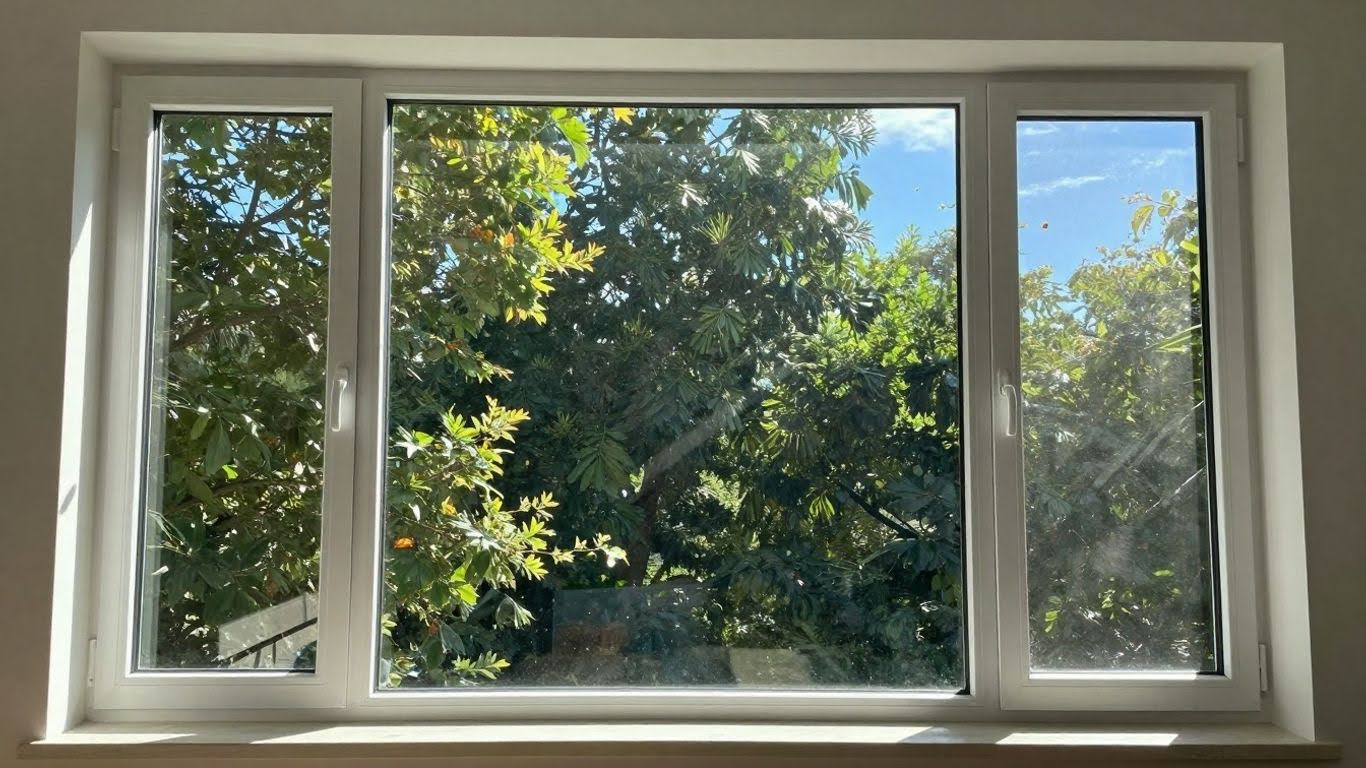
When you’re thinking about replacing the windows in your Jacksonville home, it’s not just about looks or even just saving a bit on your energy bill. Especially here in Florida, the right windows can make a big difference in the air you breathe inside your house. Jacksonville’s climate, with its high humidity and pollen season, means your windows have a tough job. Picking the right ones means they’ll work harder to keep the good air in and the bad air out.
Durable Materials for Florida’s Environment
Florida weather is no joke. We deal with intense sun, salty air near the coast, and plenty of rain. Older windows might warp or let moisture seep in, which isn’t great for air quality. Look for materials that can stand up to this. Vinyl and fiberglass are popular choices because they don’t rot or corrode like old wood or metal might. They also tend to seal better, which is key for keeping out dust and allergens. Choosing materials built for our climate means your windows will last longer and perform better at keeping your indoor air clean.
Customization for Style and Functionality
Your home is unique, and so are your needs. When picking new windows, think about how they’ll function. Do you need windows that open wide for maximum airflow on cooler days? Or are you more concerned with windows that seal up tight to block out pollen? You can get windows in all sorts of styles – double-hung, casement, sliders – and each has its own way of opening and sealing. Plus, you can often choose the color and finish to match your home’s look. It’s about finding that sweet spot between how the window looks, how it works, and how it helps your air quality.
Understanding Window Performance Features
This is where things get a bit technical, but it’s important. When you’re looking at new windows, you’ll see terms like Low-E coatings and argon gas. These aren’t just fancy buzzwords; they actually help.
- Low-E Coatings: These are thin layers on the glass that help reflect heat. In the summer, they keep the sun’s heat from coming inside, making your AC work less. In the winter, they help keep the heat you already have inside. This temperature control means less strain on your HVAC system, which can indirectly help with air circulation and filtration.
- Argon Gas: This is a gas put between the panes of glass in double or triple-pane windows. It’s denser than air and acts as an extra layer of insulation. This helps prevent heat transfer and can also reduce condensation, which is a big win in our humid climate as condensation can lead to mold.
- ENERGY STAR® Certification: Look for windows that are ENERGY STAR certified. This means they meet strict energy efficiency guidelines set by the EPA. These windows are designed to reduce air leakage and improve insulation, directly impacting your home’s comfort and the quality of the air inside.
Picking the right windows is more than just an aesthetic choice; it’s a practical step towards a healthier home environment. By considering the materials, functionality, and specific performance features like Low-E coatings and argon gas, you’re investing in better air quality for your Jacksonville home, especially when dealing with our unique climate challenges.
Here’s a quick look at what to consider:
| Feature | Benefit for Jacksonville Air Quality |
| Durable Frame Materials | Resists rot and corrosion, preventing air leaks and moisture intrusion. |
| Tight Seals | Blocks dust, pollen, and outdoor pollutants from entering the home. |
| Low-E Coatings | Regulates temperature, reducing HVAC strain and improving air circulation. |
| Argon Gas | Adds insulation, minimizes condensation, and prevents mold growth. |
| ENERGY STAR® Rating | Guarantees reduced air leakage and better overall insulation. |
Wrapping Up Your Window Upgrade
So, if you’re in Jacksonville and thinking about your home’s air quality, don’t forget about those windows. Upgrading them isn’t just about making things look nicer or saving a bit on your energy bill, though those are great perks. It’s really about creating a healthier space for you and your family to live in, day in and day out. Getting new windows installed means you’re cutting down on all that dust, pollen, and other stuff that can sneak in, making the air you breathe inside much cleaner. Plus, with our Florida weather, having windows that seal up tight really makes a difference in keeping things comfortable and your AC from working overtime. It’s a solid investment in your home’s comfort and well-being.
Frequently Asked Questions
How do new windows help keep my Jacksonville home’s air clean?
New windows fit much tighter than old ones. This means less outside air, carrying dust, pollen, and other tiny particles, can sneak into your home. It’s like sealing up tiny cracks to keep the bad stuff out and the good air in.
What makes modern windows better for indoor air quality?
Many new windows have special features. Some have coatings that help keep the temperature just right, so your air conditioner doesn’t have to work overtime. Others have a layer of special gas between the glass panes, which acts like an extra barrier against outside air and helps keep your home’s air more comfortable and cleaner.
Can window replacement help with Jacksonville’s humidity?
Yes, absolutely! Old, leaky windows can let humid air in, making your home feel sticky and encouraging mold. New, well-sealed windows help keep that moisture out, which is great for your home and makes the air feel much fresher.
Does the way windows are installed affect air quality?
Definitely. When windows are put in by experts, they are sealed up perfectly. This prevents air from leaking in or out. Good installation is key to making sure your new windows actually help improve your home’s air by keeping unwanted elements outside.
Are there specific window types best for Jacksonville’s weather and air?
Look for windows made from strong materials that can handle Florida’s heat and storms. Features like special glass coatings and good seals are important. Choosing windows designed for our climate helps keep your home comfortable and the air inside healthier.
How much do new windows typically save on energy bills in Jacksonville?
You could see savings of around $250 to $400 each year. Energy-efficient windows, especially those with features like Low-E glass and argon gas, keep your home cooler in the summer and warmer in the winter without making your AC or heater work too hard, which lowers your electricity costs.