Thinking about swapping out the windows in your Jacksonville home? It’s more than just picking a style you like. You’ve got to make sure the new windows fit the look of your house and follow all the local rules. This guide is all about Architectural Compatibility Considerations for Window Replacement in Jacksonville FL Homes, helping you get it right.
Key Takeaways
- Figure out your home’s current style before picking new windows so they match.
- Check Jacksonville’s building codes and Florida’s hurricane rules for window replacements.
- Choose window materials and designs that suit your home’s age and the local climate.
- Make sure the house structure can handle new windows and that they’re installed properly to keep weather out.
- Good window choices can make your home more energy-efficient, look better from the street, and hold its value.
Understanding Jacksonville’s Architectural Landscape
Jacksonville, Florida, has a pretty diverse architectural history, shaped by its coastal location, its growth over the years, and different waves of development. When you’re thinking about replacing windows, it’s not just about picking something that looks nice; it’s about fitting your home into the bigger picture of the city’s built environment. You’ll see a lot of different styles here, from older homes with classic Florida vernacular designs to mid-century modern places and newer constructions.
Identifying Your Home’s Unique Architectural Style
First things first, you gotta figure out what style your house actually is. This isn’t always super obvious, especially if it’s been updated or modified over the years. Look at the overall shape of the house, the roofline, the types of materials used on the outside, and any decorative details. Is it a Craftsman bungalow with its low-pitched roofs and wide eaves? Maybe a Spanish Colonial Revival with its stucco walls and red tile roofs? Or perhaps a simple Ranch-style home popular in the mid-20th century?
- Roof Style: Check the pitch, material (shingles, tile, metal), and overhangs.
- Window Shapes and Placement: Are they tall and narrow, square, arched? How are they arranged on the facade?
- Exterior Materials: Stucco, brick, wood siding, or a mix?
- Decorative Elements: Porches, columns, trim work, shutters.
Knowing these details helps you choose windows that look like they belong. It’s like picking out an outfit – you want things to match and create a cohesive look.
Researching Window Styles to Complement Existing Designs
Once you have a handle on your home’s style, you can start looking at window options that will work well. For older homes, you might want to stick with styles that were common during their original construction period. For example, double-hung windows with a lot of smaller panes (muntins) are typical for historic homes. If you have a mid-century modern house, you might be looking at larger, simpler window designs, maybe even casement windows.
It’s also worth considering how the windows function. Do you need windows that open easily for ventilation, or are you more concerned with light and views? The size and shape of the windows can really change the feel of a room and the look of the house from the outside.
Don’t just go for the trendiest option. Think about what will look good and work well for your specific house for years to come. Sometimes, the best choice is a classic that never goes out of style.
Consulting Local Architectural Resources
Jacksonville has a rich history, and there are resources available to help you understand its architectural heritage. The city’s historical society or local library might have archives or publications detailing common building styles in different neighborhoods. You can also look at other homes in your area that are similar to yours and were built around the same time. What kind of windows do they have? This can give you some great ideas. Sometimes, just taking a walk or a drive around your neighborhood with a critical eye can be super informative. You might even find that your home is part of a specific historic district, which could have its own set of guidelines for renovations. Checking with the city planning or historic preservation office is always a good move if you suspect this might be the case.
Navigating Local Regulations for Window Replacements
Replacing windows in your Jacksonville home isn’t just about picking out a style you like. There are rules and codes you’ve got to follow, and ignoring them can lead to headaches later on. It’s all about making sure your home is safe, up to par with the rest of the neighborhood, and can handle Florida’s weather.
Permit Requirements for Window Installations in Jacksonville
Before you even think about ordering new windows, you need to figure out if you need a permit. For most window replacements in Jacksonville, especially if you’re just swapping out an old window for a new one of the same size, you might not need one. However, if you’re changing the size of the opening, moving a window, or doing any structural work, a permit is almost certainly required. It’s always best to check with the City of Jacksonville’s Building Inspection division. They can tell you exactly what’s needed for your specific project. Skipping this step could mean fines or having to redo the work.
Understanding Florida’s Building Codes and Hurricane Standards
Florida has some of the strictest building codes in the country, and for good reason. We deal with hurricanes, and those codes are designed to keep your home safe during severe weather. When you replace windows, you’ll likely need to meet specific standards for:
- Impact Resistance: Windows need to be able to withstand high winds and flying debris. This usually means getting impact-resistant glass or installing storm shutters.
- Wind Load Ratings: The frames and the way the windows are installed also have to meet certain wind load requirements.
- Water Intrusion: Codes also address how well the windows seal to prevent water from getting in during heavy rain.
It’s not just about the windows themselves, but how they’re installed. The installation method has to meet code to ensure they perform as designed when the weather gets rough.
Engaging with Local Building Authorities
Dealing with permits and codes can feel like a maze sometimes. The best approach is to be proactive and talk to the right people. The City of Jacksonville’s building department is your go-to resource. They can provide checklists, explain the process, and answer your questions. If you’re working with a contractor, they should be well-versed in these local requirements and handle much of the permit process for you. Don’t be afraid to ask them about their experience with local codes and permits. It shows you’re serious about doing the job right.
Remember, following local regulations isn’t just about avoiding trouble; it’s about making sure your home is safe, durable, and maintains its value. A little bit of homework upfront can save a lot of hassle down the road.
Material and Design Considerations for Window Replacements
When you’re thinking about swapping out old windows for new ones in your Jacksonville home, it’s not just about picking something that looks nice. You’ve got to consider what materials will hold up best in our Florida weather and how the new windows will fit with the rest of your house’s look. Getting this right means your new windows will not only look good but also perform well for years to come.
Selecting Window Materials That Match Your Home’s Era
Jacksonville has a real mix of home styles, from historic bungalows to mid-century ranches and newer constructions. The materials you choose for your windows should ideally echo the original design or at least complement it. For older homes, wood windows might be the most authentic choice, offering that classic look. However, they do require more upkeep. Vinyl windows are a popular, low-maintenance option that can mimic the look of wood or aluminum and are quite common in many Jacksonville neighborhoods. Aluminum is also an option, especially for more modern or mid-century homes, and it’s pretty durable, though it can be less energy-efficient than other materials if not specified with good thermal breaks.
- Wood: Offers a classic, warm aesthetic, great for historic homes. Needs regular maintenance (painting, sealing).
- Vinyl: Low maintenance, cost-effective, and available in many styles and colors. Good for most home types.
- Aluminum: Durable and sleek, often used in modern or mid-century designs. Can be prone to condensation if not thermally broken.
- Fiberglass: Strong, energy-efficient, and can be painted. A good balance of durability and aesthetics.
Choosing materials that align with your home’s original construction period can significantly boost its curb appeal and maintain its historical character. It’s about creating a cohesive look that feels like it belongs.
Exploring Energy-Efficient Window Options for Jacksonville’s Climate
Jacksonville gets hot, and humidity is a constant companion. This means energy efficiency isn’t just a nice-to-have; it’s a must-have. You want windows that keep the heat out in the summer and, when it gets cooler, help keep the warmth inside. Look for windows with a good U-factor (lower is better for insulation) and a low Solar Heat Gain Coefficient (SHGC) to block the sun’s heat. Double-pane or even triple-pane windows with gas fills like argon or krypton between the panes make a big difference. Low-E coatings are also a big deal – they’re like a special film on the glass that reflects heat.
Here’s a quick look at what to consider:
- Low-E Coatings: Reflect heat, keeping your home cooler in summer and warmer in winter.
- Gas Fills (Argon/Krypton): Inert gases between panes that slow down heat transfer.
- Frame Materials: Some frames are better insulators than others. Look for thermally broken aluminum or insulated vinyl/fiberglass frames.
- ENERGY STAR® Certification: This label indicates that the windows meet strict energy efficiency guidelines set by the EPA.
Considering Window Functionality and Aesthetics
Beyond just how they look and how well they insulate, think about how you’ll use your windows. Do you need windows that open easily for ventilation? Are you looking for something that’s simple to clean? The style of the window also plays a huge role in your home’s overall appearance. For example, double-hung windows are classic and work well in many traditional homes, allowing you to open the top or bottom sash for ventilation. Casement windows crank open outwards and offer a great seal when closed, often providing a clear, unobstructed view. Picture windows, while beautiful for letting in light, don’t open, so they’re best used in combination with operable windows. The right combination of window styles can make your home feel more spacious and inviting. Think about how each window will function in its specific location and how its design contributes to the home’s character.
Structural Integrity and Installation Best Practices
When you’re looking at replacing windows, it’s not just about picking out a nice-looking frame or glass. You’ve got to think about how the whole thing fits together and stays put, especially here in Jacksonville with our weather.
Assessing Structural Support for New Window Installations
Before you even order new windows, it’s smart to check out the walls and framing where they’ll go. Old homes, especially, might have framing that’s seen better days. You want to make sure the existing structure can handle the new window’s weight and the forces it might face, like strong winds. Sometimes, you might need to add extra support, like reinforcing the header above the window or strengthening the sill. This isn’t usually a big deal for standard window replacements, but if you’re changing the size or type of window significantly, it’s worth a closer look.
Ensuring Proper Sealing and Weatherproofing
This is a big one for keeping Jacksonville’s humidity and rain out. A window is only as good as its seal. When new windows are installed, the gap between the window frame and the house’s structure needs to be sealed up tight. This usually involves using a good quality caulk or sealant around the exterior and sometimes a foam product inside the rough opening. Proper flashing is also key – it’s like a waterproof barrier that directs any water away from the window and the wall. Getting this wrong can lead to leaks, mold, and even damage to your home’s structure over time. Think of it as giving your home a good raincoat.
The Importance of Professional Installation Services
Look, I know DIY projects can seem appealing, and sometimes they work out. But when it comes to windows, especially in a place like Jacksonville where we deal with hurricanes and intense heat, it’s usually best to call in the pros. They’ve got the tools, the experience, and they know the local building codes. They understand how to properly flash, seal, and secure the window so it performs as it should for years to come. Plus, many window manufacturers require professional installation to keep their warranties valid. It might cost a bit more upfront, but it can save you a lot of headaches and potential repair bills down the road. It’s about getting it done right the first time.
Making sure your new windows are installed correctly is just as important as the windows themselves. A poorly installed window, no matter how high-quality, can lead to drafts, water damage, and reduced energy efficiency. It’s an investment in your home’s comfort and longevity.
Enhancing Home Value and Performance Through Window Upgrades
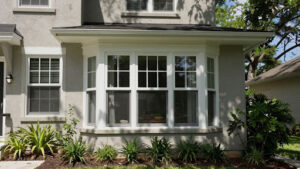
Replacing your old windows isn’t just about making things look a bit nicer, though that’s a big part of it. It’s also about making your house work better and potentially be worth more down the line. Think of it as a smart investment for your home’s future.
The Impact of Window Replacements on Energy Efficiency
Old windows can be real energy hogs. They let in drafts in the winter and let out all that nice cool air from your AC in the summer. New windows, especially ones designed for Florida’s climate, can make a huge difference. They’re built to keep the heat out when you need it and keep the warmth in when it gets cooler.
- Reduced Energy Bills: Properly sealed, energy-efficient windows mean your heating and cooling systems don’t have to work as hard. This can lead to noticeable savings on your monthly utility costs.
- Improved Comfort: Say goodbye to those chilly spots near windows in the winter and sticky, hot rooms in the summer. New windows help keep the temperature inside your home more consistent.
- Environmental Benefit: Using less energy means a smaller carbon footprint. It’s a win for your wallet and the planet.
When you’re looking at new windows, pay attention to the U-factor and Solar Heat Gain Coefficient (SHGC). Lower numbers are generally better for keeping heat out, which is key in Jacksonville’s sunny weather.
Boosting Curb Appeal with Cohesive Window Designs
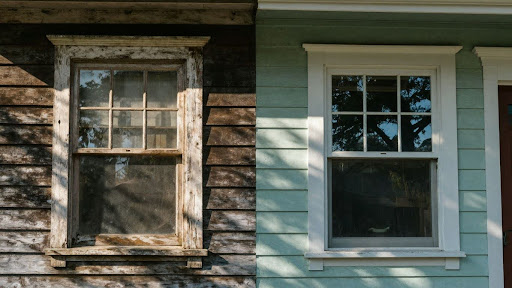
Let’s be honest, the way your house looks from the street matters. Windows are a huge part of that. If your windows are mismatched, faded, or just plain worn out, it can really bring down the whole look of your home. Choosing new windows that fit with your home’s style can make a dramatic difference.
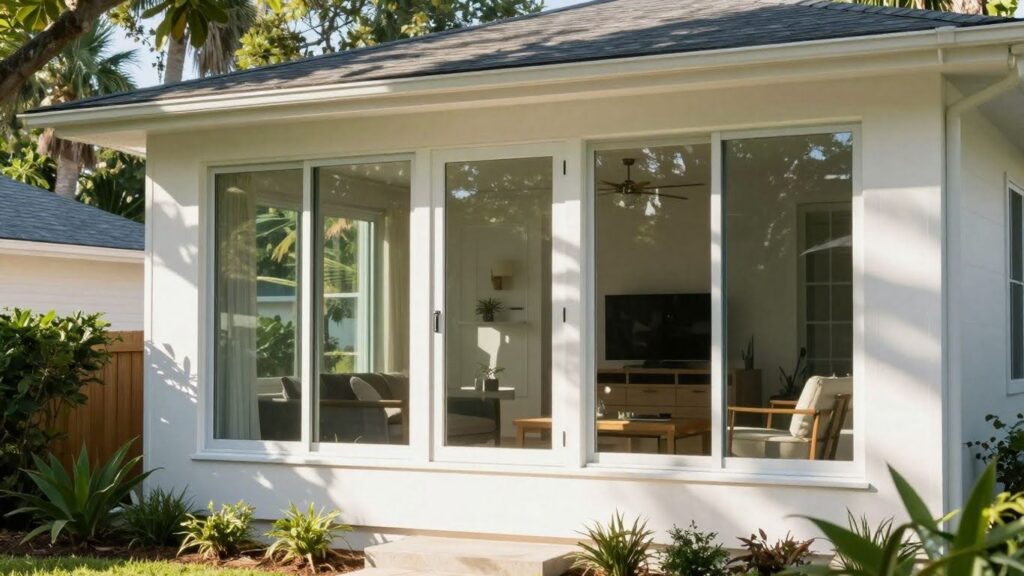
- Matching Your Home’s Style: Whether you have a historic bungalow or a modern ranch, picking windows that complement the existing architecture is important. It makes the house look put-together.
- Consistent Look: Replacing all your windows at once, or in phases but with a consistent style, creates a unified appearance. This uniformity is pleasing to the eye.
- Adding Character: Sometimes, a new window style can even add a bit of charm or a modern touch, depending on what you’re going for.
Long-Term Benefits of Quality Window Investments
Putting money into good windows isn’t just a short-term fix. These are things that last for years, and they keep on giving back. You get better comfort, lower bills, and your house becomes more attractive to potential buyers if you ever decide to sell.
- Increased Home Value: A home with updated, energy-efficient windows is often more attractive to buyers and can command a higher price.
- Durability and Low Maintenance: Many modern window materials are built to withstand the elements, especially important here in Florida with its humidity and storms. They often require less upkeep than older windows.
- Reduced Noise: Better windows can also help block out some of the outside noise, making your home a more peaceful retreat.
Wrapping It Up
So, when you’re thinking about swapping out those old windows in your Jacksonville home, remember it’s more than just picking something that looks nice. You’ve got to think about how it fits with the rest of your house, what the local rules are, and if it’s going to actually help keep your energy bills down. Getting it right means your new windows will look good, work well, and last a long time. If it all seems like a lot, don’t sweat it – talking to a pro who knows Jacksonville’s homes can make a big difference. They can help you find windows that are a perfect match for your place and your budget.
Frequently Asked Questions
What makes Jacksonville’s architecture special for window replacements?
Jacksonville has a mix of styles, from historic homes to modern designs. When replacing windows, it’s important to pick ones that fit your home’s look, whether it’s a classic bungalow or a newer build. This helps keep the neighborhood looking good and can even make your house more valuable.
Do I need special permission to change my windows in Jacksonville?
Yes, you often need a permit for window replacements, especially if it involves changing the size or type of window. Florida also has strict rules for hurricane safety. Checking with the city’s building department first is a must to make sure everything is done the right way and follows the rules.
What materials are best for windows in Jacksonville’s climate?
Jacksonville gets hot and humid, and we deal with hurricanes. So, strong, energy-efficient windows are key. Look for materials that can handle the weather, like vinyl or sturdy aluminum frames, and glass that’s built to resist impacts and keep the heat out. This saves you money on energy bills and keeps your home safer.
How do I know if my house’s structure can handle new windows?
New windows need to be installed securely. An experienced installer will check if the wall and frame can properly support the new window. This is super important for making sure the window stays put, especially during strong winds, and that your home stays safe and sound.
Will new windows really make my house more energy-efficient?
Absolutely! Old, leaky windows let a lot of heated or cooled air escape. Modern windows are much better at sealing your home, which means your air conditioner or heater won’t have to work as hard. This not only makes your home more comfortable but also lowers your electricity bills.
How can new windows improve my home’s appearance?
New windows can totally change how your house looks from the outside. Choosing styles and colors that match your home’s architecture makes it look more attractive and well-cared-for. It’s like giving your house a fresh, updated look that makes it stand out.