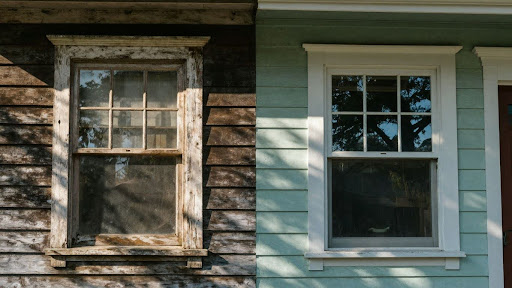
Jacksonville, Florida, sits right in the path of potential hurricanes. Every year, storm season brings worries about high winds and flying debris. For homeowners, making sure your house can handle these storms is a big deal. It’s not just about fixing things after a storm; it’s about making your home tough enough to stand up to the weather in the first place. One of the best ways to do this is by looking at your windows. Replacing old windows with new, strong ones can make a huge difference in how well your home weathers the storm. This article will talk about how window replacement in Jacksonville FL enhances home resilience during storm season.
Key Takeaways
- Impact-resistant windows are built with strong, layered glass and frames to withstand high winds and debris common in Jacksonville’s hurricane season.
- Meeting Florida’s building codes for windows in hurricane zones is required and helps ensure your home is properly protected.
- Upgrading to impact windows can make your home more secure against break-ins and improve its overall durability.
- Replacing old windows with impact-resistant ones can lead to lower home insurance premiums and potential discounts.
- Choosing the right type of impact windows and having them installed by professionals is important for getting the best protection and value.
Fortifying Jacksonville Homes Against Hurricane Threats
The Growing Need for Home Resiliency in Jacksonville
Living in Jacksonville means getting used to the idea of hurricane season. It’s not a matter of if a storm will come, but when. We’ve all seen the news reports, the dramatic forecasts, and felt that familiar knot of worry tighten as the season progresses. This isn’t just about dealing with a bit of bad weather; it’s about protecting our homes, our families, and our peace of mind from potentially devastating forces. The reality is, our homes need to be built tough to handle what Northeast Florida can throw at them.
Making your home more resilient isn’t just a good idea; it’s becoming a necessity for anyone living in this beautiful, but storm-prone, part of Florida. It’s about taking steps now to avoid major headaches and costly repairs later. Think of it like getting your car serviced before a long road trip – you want to know it’s ready for whatever comes its way. For us, that means preparing for high winds, heavy rain, and the flying debris that hurricanes often bring.
Understanding Hurricane Risks in Northeast Florida
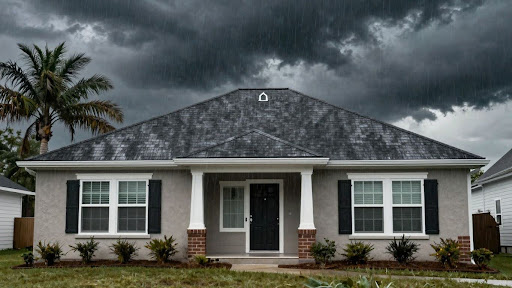
Northeast Florida, including Jacksonville, sits in a region that’s no stranger to tropical storms and hurricanes. The geography here, with its proximity to the Atlantic, makes us a target. We’re talking about powerful winds that can reach dangerous speeds, torrential downpours that can cause flooding, and the very real threat of flying debris – think tree branches, signs, or even parts of other structures – becoming dangerous projectiles. These aren’t just abstract weather patterns; they’re real threats that can cause significant damage to homes that aren’t properly prepared.
Here’s a quick look at what makes our area particularly susceptible:
- Coastal Proximity: Being close to the ocean means storms can make landfall here with significant force.
- Wind Speeds: Hurricanes bring sustained high winds, and even strong tropical storms can cause damage.
- Debris Potential: Urban and suburban areas have plenty of objects that can become dangerous projectiles in high winds.
- Rainfall and Flooding: Intense rainfall associated with hurricanes can lead to widespread flooding, adding another layer of risk.
The combination of these factors means that standard home construction might not be enough. We need to think about upgrades that specifically address these risks, especially when it comes to openings like windows and doors.
Proactive Measures for Storm Season Preparedness
So, what can we actually do to get ready? It’s all about being proactive. Waiting until a storm is on the radar is too late. Preparation needs to happen well before the first storm warning. This involves a few key areas:
- Home Assessment: Take a good look at your house. Are your windows old and showing signs of wear? Is your roof in good shape? Are there any weak points that a strong wind could exploit?
- Securing Openings: Windows and doors are often the most vulnerable parts of a home during a hurricane. Upgrading these to more robust options is a top priority.
- Landscaping: Trim trees and remove dead branches that could become dangerous projectiles. Secure outdoor furniture and anything else that could blow away.
- Emergency Plan: Have a family plan in place. Know where you’ll go if you need to evacuate and how you’ll communicate.
Taking these steps can make a big difference in how well your home withstands a storm and how quickly you can get back to normal afterward. It’s about building a stronger, safer home for your family.
The Crucial Role of Impact-Resistant Windows
When we talk about getting your home ready for storm season here in Jacksonville, one of the biggest things you can do is look at your windows. Standard windows just aren’t built for the kind of winds and flying debris we can get. That’s where impact-resistant windows, often called hurricane windows, come in. They’re designed from the ground up to take a beating.
What Are Impact Windows and How Do They Work?
Think of impact windows as the heavy-duty armor for your home. They’re not just regular glass. The real magic is in their construction, which is built to stop things like branches or roof tiles from smashing through your house during a storm. They use a special kind of glass that’s made of multiple layers. Between these layers is a strong plastic film, kind of like a super-tough laminate. If something hits the window hard, the glass might crack, but it usually stays in place thanks to that inner film. This stops the window from shattering into a million pieces and blowing into your home, which is a major cause of damage during hurricanes.
Multi-Layered Construction for Enhanced Protection
So, how exactly are these windows put together? It’s a bit more involved than your average window. You’ve got:
- Impact-Resistant Glass: This isn’t just one piece of glass. It’s typically two panes of glass with a strong interlayer, usually made of polyvinyl butyral (PVB) or similar materials, bonded between them. This interlayer is the key to preventing shattering.
- Reinforced Frames: The frames holding this special glass are also beefed up. They’re made from stronger materials and are designed to be securely anchored to the house structure. A weak frame can fail even if the glass holds up, so this part is just as important.
- Tested and Certified: These windows go through rigorous testing to prove they can handle specific wind speeds and impacts from debris. You’ll often see ratings like Design Pressure (DP) on them, which tells you how much wind pressure they can handle. A higher DP rating means more strength.
The construction of impact windows is specifically engineered to prevent catastrophic failure during severe weather events. The laminated glass acts as a barrier, keeping the window intact even when subjected to significant force, thereby protecting the interior of the home from wind and water intrusion.
Beyond Storms: Additional Benefits of Impact Glass
While their main job is storm protection, these windows do more than just keep the wind and rain out. They actually make your home better year-round. For starters, that strong, multi-layered glass is also really good at blocking out noise. If you live near a busy road or just want a quieter home, these windows can make a big difference. They also help with energy efficiency. The same construction that stops debris also helps keep the heat out in the summer and the cool air in, which can lower your electricity bills. Plus, they add a layer of security against break-ins because they’re so much harder to get through than regular windows. It’s like getting a few extra perks just by choosing the right windows for storm season.
Meeting Florida Building Code Requirements

When you’re thinking about new windows in Jacksonville, especially with storm season always looming, you’ve got to make sure they meet Florida’s building codes. It’s not just about having pretty windows; it’s about making sure your home can actually stand up to what Mother Nature throws at it. Florida has some pretty strict rules, and for good reason. After big hurricanes in the past, the state really tightened things up to make homes safer.
Wind-Borne Debris Region Standards Explained
So, what’s this ‘wind-borne debris region’ thing? Basically, it means areas that are more likely to get hit hard by flying stuff during a hurricane. Think of a 2×4 flying through the air at high speed – that’s the kind of thing these windows have to stop. Most of the populated coastal areas in Florida, including right here in Northeast Florida, fall into these zones. The building code says that if you’re in one of these areas, your windows and glass doors either need to be impact-resistant or you need to have approved storm shutters for them. This rule applies whether you’re building a new house or just replacing old windows in your current home.
Compliance for New Construction and Renovations
This is a big one: if you’re building new or doing a major renovation that involves windows, you absolutely have to follow these codes. It’s not optional. The Florida Building Code is pretty clear about it. If you don’t use windows that meet the standards, or if they aren’t installed right, you might not pass your inspections. That can mean delays, extra costs to fix things, or even having to replace the windows you just put in. It’s way easier to get it right the first time.
The Importance of Proper Anchoring and Documentation
It’s not just about the glass itself. How those windows are put into your house matters a lot. The frames need to be anchored securely, and everything needs to be done according to the manufacturer’s instructions and the building code. Plus, you’ll need paperwork. When you get new impact windows, make sure you get all the documentation that proves they meet the code. This includes things like product approval numbers. You’ll need this for inspections, and it’s also super important if you want to get any potential discounts on your homeowner’s insurance. Without the right paperwork, you might not get those benefits.
Making sure your windows meet Florida’s building codes isn’t just a legal requirement; it’s a practical step towards protecting your home and family. These standards are designed to prevent catastrophic damage during severe weather, offering a significant layer of security beyond just keeping the rain out.
Here’s a quick rundown of what you generally need to know:
- Impact-Resistant Glass: Must withstand the impact of a 2×4 projectile at high speeds.
- Pressure Testing: Windows are tested to simulate the extreme pressure changes a home experiences during a hurricane.
- Approved Shutters: If not using impact glass, you need shutters that are specifically tested and approved for hurricane protection.
- Installation Standards: Proper anchoring and sealing are critical for the windows to perform as designed.
- Product Approval: Look for labels or documentation showing the window has met Florida Building Code standards (often indicated by a DP rating and impact certification).
It might seem like a lot to keep track of, but working with a reputable window replacement company that knows these codes inside and out makes the whole process much smoother. They can guide you on the best options for your home and handle the compliance details.
Enhancing Home Security and Durability
Beyond just keeping the wind and rain out during a storm, upgrading to impact-resistant windows does a lot for your home’s everyday security and overall toughness. Think of them as a double-duty upgrade. They’re built tough, making it much harder for unwanted visitors to get in, even when there isn’t a storm brewing.
Impact Windows as a Deterrent Against Break-Ins
Standard windows can be a weak spot for burglars. A quick smash and grab is often all it takes. Impact windows, however, are a different story. They’re made with multiple layers, usually two panes of glass with a strong plastic layer in between. This makes them incredibly difficult to break. Even if the glass cracks under a forceful blow, it tends to stay in place, preventing easy entry. This significantly slows down or completely stops a break-in attempt, giving you and your family more time to react or simply deterring the intruder altogether.
Protecting Against Wind, Rain, and Intrusion
These windows are engineered to handle a lot. During a hurricane, they’re designed to resist high winds and stop flying debris from breaching your home. But this same strength works for you year-round. They create a tighter seal, which means less chance of water damage from heavy rain and less air leakage, which can save you money on energy bills. So, whether it’s a Category 5 storm or just a determined thief, these windows offer a robust line of defense. They also block a significant amount of UV rays, which helps keep your furniture and flooring from fading over time.
Long-Term Value and Property Enhancement
Investing in impact windows isn’t just about immediate protection; it’s about adding lasting value to your property. They are built to last, resisting the harsh Florida sun and humidity better than older window types. This durability means fewer repairs and replacements down the line. Plus, the added security and protection they offer can make your home more attractive to potential buyers in the future. It’s a smart move that pays off in peace of mind, lower utility bills, and increased property value.
Financial Advantages of Window Replacement
Replacing your old windows with impact-resistant ones might seem like a big upfront cost, but it can actually save you a good chunk of change in the long run. Think of it as an investment in your home’s future.
Insurance Benefits and Potential Premium Reductions
This is a big one for folks living in storm-prone areas like Jacksonville. Insurance companies know that impact windows are way better at handling high winds and flying debris than regular windows. Because of this, many insurers will actually lower your homeowner’s insurance premiums. It’s their way of saying thanks for taking steps to protect your property.
- Proactive Protection: Installing impact windows shows your insurance provider you’re serious about preventing damage.
- Reduced Risk: Lowering the chance of costly storm damage means a lower risk for them, and savings for you.
- Documentation is Key: Make sure you get all the paperwork showing your new windows meet Florida’s building codes. This is usually needed to get the discount.
Eligibility for Wind Mitigation Discounts
Florida law actually requires insurance companies to offer discounts for certain “wind mitigation” features. Impact-resistant windows are a prime example. When you get your new windows installed, you’ll likely need a “wind mitigation inspection.” This inspection verifies that your home has features that reduce wind damage, and properly installed impact windows are a major plus.
The exact amount of the discount can vary quite a bit depending on your insurance company and the specific features of your windows. It’s always a good idea to talk to your insurance agent before you buy new windows to see what kind of savings you might be looking at.
Understanding Rebates and Energy-Saving Incentives
Beyond insurance, there are other ways to save. Sometimes, utility companies offer rebates for installing energy-efficient windows. While the main goal of impact windows is storm protection, their construction also makes them really good at keeping the inside temperature steady. This means your AC doesn’t have to work as hard, leading to lower electricity bills.
- Lower Cooling Costs: Better insulation means less heat gets in during the summer, cutting down on AC usage.
- Reduced Energy Waste: Tighter seals prevent drafts, stopping conditioned air from escaping.
- Potential Tax Credits: Keep an eye out for any state or federal tax credits that might be available for energy-efficient home improvements.
These financial perks, combined with the peace of mind that comes from knowing your home is better protected, make replacing your windows a really smart move for Jacksonville homeowners.
Choosing the Right Window Solutions
When it comes to protecting your Jacksonville home from storm season, picking the right windows makes a big difference. It’s not just about looks; it’s about serious defense. You’ve got a couple of main options to think about, and understanding the differences will help you make a smart choice for your house and your wallet.
Impact-Resistant Windows vs. Storm Windows
Let’s break down the two main players: impact-resistant windows and storm windows. They both offer protection, but they do it in different ways.
- Impact-Resistant Windows: These are the heavy hitters. They’re built with special, strong glass and reinforced frames designed to take a beating from high winds and flying debris. Think of them as your home’s permanent shield. They function as your regular windows year-round, offering security and protection without you having to do anything extra when a storm is coming.
- Storm Windows: These are more like a temporary bodyguard. They’re installed over your existing windows, adding an extra layer of defense. They can help with insulation and offer some protection against moderate weather. While they can improve energy efficiency and reduce noise, they aren’t built to withstand the direct impact of hurricane-force winds and debris like impact windows are.
For hurricane-prone areas like Jacksonville, impact-resistant windows are generally the recommended primary solution.
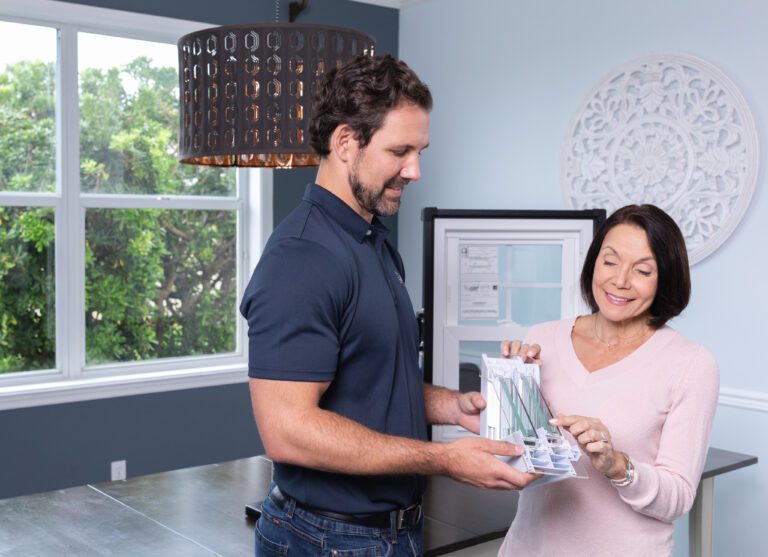
Partnering with Residential Glass Replacement Experts
Trying to figure out window specs and building codes on your own can get complicated fast. That’s where experienced professionals come in. They’ve seen it all and know what works best for homes in our area.
- Assessment: A good company will come to your home, look at your current windows, and talk with you about your needs and concerns. They can spot potential weak points you might miss.
- Guidance: They can explain the different types of impact windows, their ratings, and which ones meet Florida’s strict building codes for windborne debris.
- Incentives: These experts can also help you understand any available rebates or discounts, making the investment more manageable.
Ensuring Professional Installation for Optimal Performance
Even the best windows won’t do their job if they aren’t installed correctly. This is super important, especially when you’re counting on them to protect your home during a storm.
- Proper Anchoring: Windows need to be securely fastened to the house’s structure. If they aren’t anchored right, high winds can rip them out, which is the last thing you want.
- Sealing: A good installation means the windows are sealed properly to prevent water from getting inside. Leaks can cause a lot of damage, even if the window itself holds up.
- Code Compliance: Professional installers know the local building codes and make sure the installation meets all requirements. This is key for safety and sometimes for insurance purposes too.
Getting the right windows and having them installed by pros isn’t just about surviving storm season; it’s about giving yourself peace of mind all year round. It’s an investment in your home’s safety and durability that pays off in the long run.
Wrapping Up: Stronger Windows, Safer Home
So, when all is said and done, upgrading your windows in Jacksonville isn’t just about making your house look nicer. It’s a really practical step to take, especially with storm season always on the horizon. These aren’t just any windows; they’re built tough to handle what Florida weather can throw at them. Think less worry during a storm and more peace of mind knowing your home is better protected. Plus, you might even see some savings on your energy bills and insurance. It’s a solid investment in keeping your home and family safe, year after year.
Frequently Asked Questions
What exactly are impact windows and how do they help during a storm?
Impact windows are built tough with special, layered glass and strong frames. They are designed to handle strong winds and flying stuff during hurricanes. Instead of breaking into sharp pieces, the glass might crack but stays in place, keeping wind and rain out of your house. This makes your home much safer when a storm hits.
Do I really need impact windows if I don’t live right on the coast in Jacksonville?
Even if you’re not directly on the coast, Jacksonville is still in an area that can experience strong winds and flying debris during hurricane season. The Florida Building Code requires these windows in certain areas, but having them anywhere in the region adds a significant layer of protection for your home and family against severe weather.
Can replacing my old windows with impact windows save me money?
Yes, it often can! Many insurance companies offer discounts on your homeowner’s policy for having impact windows because they reduce the risk of damage. Plus, these windows are better at keeping your home’s temperature steady, which can lower your energy bills for air conditioning and heating.
Are impact windows difficult to maintain?
Not at all! Impact windows are designed to be durable and low-maintenance. You can clean them just like regular windows. Their strong construction means they hold up well against the elements and don’t require any special upkeep beyond normal cleaning.
How do I know if the impact windows I choose meet Florida’s building codes?
When you buy impact windows, they should come with certification and labels showing they meet Florida’s strict building codes, especially for wind-borne debris regions. It’s important to work with reputable installers who understand these codes and can provide the necessary documentation to prove your windows are compliant.
Besides hurricanes, what other benefits do impact windows offer?
Impact windows offer more than just storm protection. Their strong, layered glass makes them harder for burglars to break through, improving your home’s security. They also help block out outside noise, making your home quieter, and can improve energy efficiency by keeping conditioned air inside.