Living in Jacksonville means dealing with a lot of sun. That sunshine is great, but it can also make your home really hot and drive up your electricity bill. When it’s time to replace your windows, you’ve got options that can really help. One of the biggest game-changers is something called Low-E coatings. They’re like sunglasses for your windows, and they play a huge role in making your home more comfortable and saving you money, especially during those hot Florida summers. Let’s talk about The Role of Low-E Coatings in High-Performance Window Replacement in Jacksonville FL.
Key Takeaways
- Low-E coatings on windows act like a shield, reflecting heat away from your home in the summer and keeping warmth inside during cooler months, which is great for Jacksonville’s climate.
- These coatings also block up to 99% of UV rays, helping to stop your furniture, floors, and decor from fading and looking old too fast.
- When choosing Low-E windows for Florida, look for ones designed for hot climates, often called ‘low solar gain’ or ‘southern climate’ Low-E, to best manage the intense sun.
- Pairing Low-E glass with double-pane windows filled with argon gas and well-insulated vinyl frames provides the best energy savings and comfort for Jacksonville homes.
- Getting professional installation is super important; even the best Low-E windows won’t work right if they aren’t sealed and installed properly.
Understanding Low-E Coatings for Jacksonville Homes
What Low-E Glass Is and Why It Matters
So, what exactly is this “Low-E” stuff people talk about when it comes to windows? Low-E stands for low-emissivity. Think of it as a super-thin, almost invisible coating applied to the glass surface. This coating is designed to reflect heat. It’s like putting on a special pair of sunglasses for your house, but instead of just blocking visible light, it’s primarily blocking heat. For homes in Jacksonville, where the sun beats down for a good chunk of the year, this makes a big difference. Older windows, the kind you might find in homes built a couple of decades ago, often lack this technology. They let a lot of the sun’s heat right into your home, making your air conditioner work overtime. Low-E coatings help stop that heat before it even gets inside.
How Low-E Coatings Protect Your Home’s Interior
It’s not just about keeping your house cool; Low-E coatings also act like a shield for your belongings. You know how the sun can fade your favorite shirt if you leave it by the window? The same thing happens to your furniture, carpets, and flooring. Low-E coatings block a significant amount of the ultraviolet (UV) rays that cause this fading. We’re talking about blocking up to 99% of those damaging rays, depending on the specific coating. This means your nice wood floors stay looking new, your couch doesn’t turn a weird shade of pale, and your paint colors stay vibrant for longer. It’s a way to protect your investment, both in the house itself and everything you’ve put inside it.
Here’s a quick look at what Low-E coatings help preserve:
- Flooring finishes
- Upholstery and decor
- Interior paint colors
- Artwork and photographs
The Role of Low-E in Energy Efficiency
When it comes to energy bills, especially during those hot Jacksonville summers, Low-E coatings are a real game-changer. By reflecting solar heat away from your home, these coatings significantly reduce the amount of heat that enters through your windows. This means your air conditioning system doesn’t have to run as much to keep the house cool. Less running time for your AC translates directly into lower electricity bills. Studies and real-world experience show that homes with Low-E windows can see cooling cost reductions of anywhere from 10% to 30%. It’s a smart way to save money while also making your home more comfortable. Plus, it puts less strain on your HVAC system, potentially extending its lifespan too.
Maximizing Window Performance in Florida’s Climate
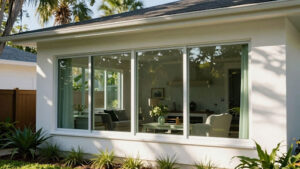
Jacksonville’s weather throws a lot at your home, from scorching summer sun to humid air. Picking the right windows means making sure they can handle it all without making your air conditioner work overtime. It’s not just about keeping the heat out; it’s about finding that sweet spot where your home stays comfortable and your energy bills stay reasonable.
Choosing Low-E Coatings Optimized for Hot Climates
When we talk about Low-E coatings, think of them as a shield for your windows. For a place like Jacksonville, you want a specific type of Low-E coating. The goal here is to reflect the sun’s heat away from your house, especially during those long, hot months. Some coatings are better at letting light in while blocking heat, which is exactly what we need. It’s about finding a balance so your rooms stay bright but don’t turn into ovens.
- Reflects solar heat: Keeps the majority of the sun’s heat from entering your home.
- Allows visible light: Lets natural light in, so you don’t have to rely as much on artificial lighting.
- Reduces UV rays: Protects your furniture, carpets, and decor from fading over time.
The right Low-E coating can make a significant difference in how cool your home stays naturally, reducing the strain on your cooling system and saving you money.
The Importance of Insulated Glass Units (IGUs)
Windows aren’t just a single pane of glass anymore. Modern, high-performance windows use Insulated Glass Units, or IGUs. This usually means two or even three panes of glass with a special gas, like argon, sealed in between. This gap acts as an extra layer of insulation. It’s like putting a cozy blanket around your windows to stop heat from moving in or out. For Jacksonville, double-pane windows with a good Low-E coating and argon gas are usually the sweet spot for performance and value. Triple-pane windows offer more insulation, but the extra cost might not always be worth it here unless you have specific needs like noise reduction.
Balancing Visible Light and Heat Gain
This is where things get interesting. You want your home to be filled with natural light, right? But that sunlight also carries heat. The trick is to find windows that let in plenty of visible light (measured by Visible Transmittance, or VT) while keeping solar heat gain to a minimum (measured by Solar Heat Gain Coefficient, or SHGC). For Jacksonville, you’ll want a low SHGC number. A window with a low SHGC blocks a lot of the sun’s heat, which is a big win when the temperature climbs. It’s a careful dance between keeping things bright and keeping things cool.
| Metric | Ideal Range for Jacksonville | What it Means |
| SHGC (Heat Gain) | 0.25 – 0.40 | Lower numbers block more of the sun’s heat from entering your home. |
| U-Factor (Heat Loss) | 0.20 – 0.40 | Lower numbers mean better insulation, keeping conditioned air inside. |
| VT (Light) | Higher is generally better | Lets more natural light into your home. |
Beyond the Glass: Frame and Installation Factors
So, you’re looking at new windows, and you’re focused on that Low-E coating, which is smart. But did you know the frame material and how the window is put in place play a pretty big role too? It’s not just about the glass itself. Think of it like buying a really good mattress – if you put it on a flimsy old box spring, it’s not going to feel as great as it could. The same idea applies to your windows.
How Vinyl Frames Enhance Window Efficiency
When you’re picking out new windows for your Jacksonville home, you’ll see a lot of options. Vinyl frames are a popular choice for good reason. They’re pretty good at keeping heat from getting in or out, which is exactly what you want here in Florida. Plus, they don’t rot or warp like wood can when it gets wet, and they don’t need a lot of upkeep. You can get them with special designs inside that help them insulate even better. They’re usually a solid choice for most budgets too.
The Critical Role of Professional Installation
Even the best windows won’t work as well as they should if they aren’t installed right. This is super important. A sloppy installation can leave little gaps where air can sneak in or out. That means your fancy Low-E glass won’t be able to do its job properly, and you’ll end up with higher energy bills and rooms that aren’t as comfortable as they should be. It’s worth getting a good crew to do the job.
Getting windows installed isn’t just about screwing them into the wall. It involves careful sealing, making sure the frame is plumb and level, and properly flashing around the edges to stop water from getting behind the window. These steps might seem small, but they make a huge difference in how well your windows perform over time.
Considering Foam-Filled Frames for Added Insulation
Some window frames, especially vinyl ones, can be filled with foam. This might sound a little odd, but it’s a smart way to add more insulation. The foam fills up empty spaces within the frame, creating a more solid barrier against heat transfer. It’s like adding an extra layer of protection. This can really help keep your home cooler in the summer and a bit warmer in the winter, cutting down on how much your air conditioner or heater has to work. It’s a simple upgrade that can pay off in comfort and lower utility bills.
Energy Savings and Comfort Benefits
So, you’re thinking about new windows for your Jacksonville home, and you’ve heard about Low-E coatings. What does that actually mean for your wallet and your day-to-day comfort? Well, it’s pretty significant, especially with our Florida heat.
Reducing Cooling Costs with Low-E Windows
Low-E windows are like a smart shield for your home, helping to keep the intense summer sun out. Instead of your air conditioner working overtime to fight off heat that’s baked through your old glass, Low-E coatings reflect a lot of that solar heat away. This means your AC doesn’t have to run as much, and that directly translates to lower electricity bills. For a place like Jacksonville, where the cooling season feels like it lasts forever, this can add up to some serious savings. We’re talking about potentially saving anywhere from $126 to $465 a year if you’re upgrading from old single-pane windows, and even a good chunk if you’re moving up from basic double-pane glass.
Achieving Consistent Indoor Temperatures
Beyond just saving money, these windows make your home feel better. You know those spots near the windows that always feel way hotter in the summer or drafty in the winter? Low-E windows help even that out. They reduce the temperature swings you feel when you’re close to the glass. This means fewer hot or cold spots throughout your house, leading to a more comfortable living space all year round. No more constantly fiddling with the thermostat trying to find that ‘just right’ temperature.
Noise Reduction and Improved Comfort
While we often focus on heat and energy, there’s another perk: peace and quiet. When you get new windows, especially those with double or triple panes and good seals, they do a surprisingly good job of blocking out outside noise. Think about the traffic sounds, lawnmowers, or even just neighborhood chatter. Better windows can significantly quiet things down inside your home. It’s a nice bonus that adds to the overall feeling of comfort and makes your home a more relaxing sanctuary, which is always a good thing, especially as our city keeps growing.
Upgrading to windows with Low-E coatings isn’t just about a one-time fix; it’s about creating a more stable and pleasant indoor environment. This stability helps your HVAC system run more efficiently, reduces the strain on your home’s structure from temperature extremes, and contributes to a generally more peaceful atmosphere inside your house.
Addressing Jacksonville’s Unique Environmental Challenges
Protecting Against UV Damage in Sunny Climates
Jacksonville gets a lot of sun, and while that’s great for beach days, it can really do a number on the inside of your home. Think of your furniture, your floors, even your paint – all that direct sunlight can cause them to fade over time. Low-E coatings act like a shield, blocking a big chunk of those harmful UV rays. This means your belongings stay looking newer for longer, saving you money on replacements and keeping your home looking its best. It’s not just about keeping the heat out; it’s also about preserving what’s inside.
Moisture and Salt-Air Resistance
Living near the coast means dealing with humidity and salt in the air. This combination can be tough on windows, leading to corrosion and wear. When you’re looking at new windows, especially for homes closer to the water, pay attention to the materials. Vinyl and fiberglass frames tend to hold up better against moisture and salt than some other options. Also, look for windows with good seals – these help keep the humid air and salty spray from getting into the window unit itself, which can cause problems down the road. It’s about picking materials and designs that can handle the salty breeze.
Impact-Resistant Windows for Added Protection
Florida is no stranger to severe weather, and Jacksonville is right in the path for hurricanes and strong storms. Standard windows just aren’t built to handle flying debris or high winds. That’s where impact-resistant windows come in. They have special laminated glass and stronger frames designed to withstand a lot more force. These windows offer a significant safety upgrade, protecting your home and family during storms. Beyond just storm protection, these windows often provide better sound insulation and can even help lower your homeowner’s insurance premiums. It’s a smart investment for peace of mind, especially during hurricane season.
Making the Right Window Replacement Choice
So, you’re thinking about new windows for your place in Jacksonville. It’s a big decision, and honestly, it can feel a little overwhelming with all the options out there. But don’t sweat it; we’ll break down how to pick the best ones for your home.
Evaluating Window Performance Ratings
When you’re looking at new windows, you’ll see a bunch of numbers and labels. These aren’t just for show; they tell you how well the window will actually perform. It’s like checking the nutrition label on food – you want to know what you’re getting.
- U-Factor: This tells you how well the window insulates. A lower U-factor means less heat escapes your home in the winter and less heat gets in during the summer. For Jacksonville’s heat, a low U-factor is a big win.
- Solar Heat Gain Coefficient (SHGC): This measures how much heat from the sun gets through the window. Again, for Florida, you want a low SHGC to keep your home cooler and reduce the strain on your AC.
- Visible Transmittance (VT): This is about how much natural light comes through. A higher VT means more light, which can be nice, but you also need to balance it with keeping heat out.
- Air Leakage (AL): This rating shows how much air gets through the window’s seals. Lower is better, meaning fewer drafts and less energy wasted.
Picking windows isn’t just about looks. Those performance ratings are your guide to a more comfortable home and lower energy bills. Don’t skip over them!
The Long-Term Value of Energy-Efficient Upgrades
Sure, new windows are an investment upfront. But think about it like this: you’re not just buying windows; you’re buying comfort and savings for years to come. In a place like Jacksonville, where the AC runs a lot, windows with good Low-E coatings and proper insulation can really cut down on those monthly bills. Plus, they help keep your home at a steady temperature, so you’re not constantly fiddling with the thermostat. It’s about making your home a more pleasant place to be, day in and day out, without breaking the bank on energy costs.
Considering Window Orientation for Optimal Performance
Where your windows are placed on your house actually makes a difference. Windows facing east and west get hit hard by the sun in the morning and afternoon, especially during the summer. These are the spots where you’ll get the most heat gain. If you’re looking at windows for these sides of your house, paying extra attention to a low SHGC is a really good idea. On the other hand, north-facing windows get less direct sun, so they might not need quite the same level of heat-blocking features, though good insulation (low U-factor) is still important everywhere. Thinking about which way each window faces helps you choose the right type of glass and coatings for each specific spot, making sure your whole house stays comfortable and efficient.
Wrapping It Up
So, when you’re thinking about new windows for your place in Jacksonville, definitely look into those Low-E coatings. They really do make a difference, especially with our sunny weather here. It’s not just about keeping the heat out in the summer, though that’s a big plus for your AC bill. These coatings also help protect your furniture and floors from fading, which is pretty neat. Plus, they can help quiet things down a bit. When you’re getting quotes, make sure the company knows what they’re doing – good installation is just as important as the fancy glass. It’s a solid investment that makes your home more comfortable and saves you money in the long run. Give it some thought!
Frequently Asked Questions
What exactly is Low-E glass?
Low-E glass has a super thin, clear coating on it. You can’t see it, but it’s really good at stopping heat from going through the glass. Think of it like a special shield for your windows that helps keep your home cooler in the summer and warmer in the winter.
How does Low-E glass help my home in Jacksonville?
In sunny Jacksonville, Low-E glass is a big help! It blocks most of the sun’s heat from coming inside during the hot months, which means your air conditioner doesn’t have to work as hard. It also stops up to 99% of UV rays, protecting your furniture and floors from fading.
Will Low-E windows make my home dark?
Not at all! Low-E coatings are designed to let in lots of natural light. You get to enjoy bright rooms without all the extra heat that usually comes with direct sunlight. It’s a great balance between light and comfort.
Are Low-E windows good for blocking noise?
While the Low-E coating itself doesn’t block sound, when it’s used in double or triple-pane windows, it does help make your home quieter. The extra panes of glass and the gas sealed between them are what really reduce outside noise from traffic or neighbors.
Do I really need special Low-E coatings for Florida?
Yes, it’s highly recommended! Florida’s climate is unique with intense sun and high humidity. Special Low-E coatings designed for hot climates, often called ‘low solar gain’ or ‘southern climate’ Low-E, are much better at reflecting the sun’s heat away compared to standard coatings.
How much money can I save on my energy bills with Low-E windows?
You can see some pretty good savings! Depending on your home and how old your current windows are, Low-E windows can lower your cooling costs by about 10% to 30%. That adds up over the year, especially during Jacksonville’s long, hot summers.