Choosing the Right Window Frame Material for Coastal Carolina Homes
DURABILITY, MAINTENANCE, AND PERFORMANCE MATTER MORE NEAR THE COAST
In Wilmington and across Coastal Carolina, humidity, salt air, and strong sun put real stress on window frames. Using the wrong material can lead to corrosion, warping, increased maintenance, and a shorter lifespan. Choosing the right frame isn’t just about cost or appearance – it’s about long-term performance in a coastal climate.
Common problems include:
- Wood frames that require ongoing painting and upkeep
- Materials that weaken or warp in humidity
- Frames that expand and contract in heat
- Premature deterioration from salt air exposure
- Not all materials perform the same near the coast, and the differences show up over time—not right away
Understanding how vinyl, fiberglass, and wood perform near the coast helps you avoid replacing windows sooner than expected. Schedule your free consultation, and we’ll help you choose the material that fits your home and maintenance preferences.
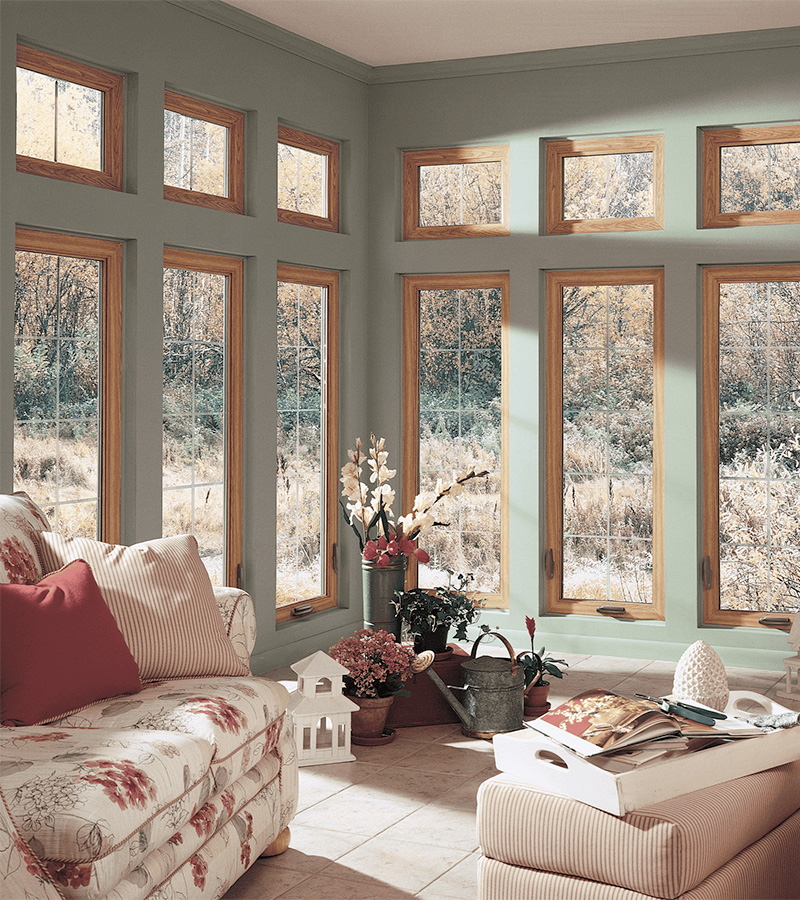
Vinyl Windows
Low maintenance and strong performance for many Wilmington homes.
If you want a low-maintenance option that performs well in humidity, vinyl windows are often a practical choice.
Benefits of vinyl window frames:
- Resistant to moisture and corrosion
- Minimal maintenance compared to wood
- Typically more budget-friendly
- Good insulation performance when paired with quality glass
Vinyl is popular in Coastal Carolina because it handles humidity well and does not require painting.
For many homeowners, vinyl is the most straightforward, low-maintenance option that still performs well long term.
If you’re looking for reliable performance with minimal upkeep, vinyl may be the right fit.
Fiberglass Windows
Strength and long-term durability in coastal environments
If durability and structural stability are top priorities, fiberglass windows offer excellent strength.
Benefits of fiberglass window frames:
- Stronger and more rigid than vinyl
- Less expansion and contraction with temperature swings
- Resistant to moisture and corrosion
- Often longer lifespan when properly installed
Fiberglass performs well in Wilmington’s mix of heat, humidity, and sun exposure.
If you want something stronger and more stable over time, fiberglass is usually the step up from vinyl.
If long-term durability is the top priority, fiberglass is worth considering.
Wood Windows
Classic appearance with higher maintenance.
If architectural character is a priority, wood windows offer a traditional aesthetic that many homeowners appreciate.
Benefits of wood window frames:
- Natural, warm appearance
- Strong structural properties
- Can be painted or stained to match interior design
- Most wood windows we install today are protected with aluminum or fiberglass cladding on the exterior. That means you still get the wood look inside, without exposing the frame to the elements
- With the right construction, wood windows can perform well in coastal environments without the constant upkeep people expect
However, in Coastal Carolina’s humid climate, wood requires regular maintenance to prevent deterioration.
Without proper care, exposure to moisture and salt can shorten its lifespan.
If curb appeal and classic design are your top priorities, wood may still be a good fit – but it requires more upkeep.
Aluminum Windows
Slim sightlines and modern appearance, with tradeoffs near the coast.
If you prefer a sleek, modern look with thinner frames and more visible glass, aluminum windows are often a good fit.
Benefits of aluminum window frames:
- Narrow frame profiles for a clean, contemporary appearance
- Strong structural performance
- Often used in modern or commercial-style designs
However, in Coastal Carolina’s humid and salt-air environment, aluminum can be more vulnerable to corrosion unless properly treated. It may also transfer heat more readily than vinyl or fiberglass without thermal breaks.
Aluminum can work in the right application, but we look closely at where the home is located before recommending it.
Aluminum can be a good fit for certain architectural styles, but material selection should account for long-term coastal exposure.
If you’re considering aluminum, schedule your consultation, and we’ll review whether it’s the right fit for your home and location.
| Feature | Vinyl | Fiberglass | Wood | Aluminum |
|---|---|---|---|---|
| Moisture Resistance | High | Very High | Low without maintenance | Moderate (coatings matter) |
| Maintenance Level | Low | Low | High | Low to Moderate |
| Durability in Coastal Climate | Good | Excellent | Moderate with upkeep | Moderate (depends on finish) |
| Energy Efficiency | Good | Excellent | Good | Moderate unless thermally broken |
| Appearance | Clean, modern | Clean, paintable | Classic, traditional | Sleek, contemporary |
| Cost Range | Lower | Mid to higher | Higher with maintenance | Mid to higher |
How Does Material Choice Affect Cost?
Vinyl, fiberglass, and wood all come with different price points, and the differences can be significant depending on the project. Most homeowners compare materials not just on performance, but on how the cost changes as you move from one option to another.
If you want a general idea of how those differences show up in real numbers, you can use the pricing tool below. We’ll walk through exact pricing during your consultation, but this gives you a starting point before we meet.
Comparing Vinyl, Fiberglass, Aluminum, and Wood Windows
Here’s how these materials compare for Wilmington and Coastal Carolina homes:
Schedule your consultation, and we’ll walk through which material makes the most sense for your location and goals.
What Will My Window Replacement Cost?
Answer 8 quick questions to get a realistic ballpark estimate for your home — no sales call, no pressure.
How many windows are you thinking about replacing?
Include every window you'd want priced. You can adjust this later — it's just the starting point for your estimate.
Most Coastal Carolina homes have 12–22 windows.
Not sure yet? Start with 10 and adjust any time.
Do you have a window material in mind?
Material is one of the single biggest cost drivers. "Not sure yet" is a totally valid answer — we'll show you the full range.
Do you need impact-rated windows?
Impact windows are engineered to withstand hurricane-force winds and flying debris. In many Coastal Carolina areas they may be required by code — and they can reduce your insurance premiums while eliminating the need for storm shutters.
What type of home are we working on?
Multi-story homes and waterfront or high-wind-exposure locations can affect both labor requirements and product recommendations.
What do you know about your current windows and home condition?
Older homes and coastal properties often have wood rot or soft framing around window openings. Knowing this upfront helps us build a more honest estimate — and means no surprises on install day.
Are you adding any doors to this project?
Many homeowners upgrade doors at the same time as windows — it simplifies scheduling. Set any door type to 0 if it doesn't apply.
Last step — a couple of quick details.
Enter your zip code so we can confirm we serve your area.
Your Window Replacement Estimate
Based on your answers — scroll down to see what's included and what could change the number.
Ready to get an exact number?
A free, no-pressure in-home assessment is the only way to get a firm price. We measure every window, check for hidden issues, and walk you through your options — with zero obligation to buy.
Get Your Exact Quote
Fill in your contact info and we'll reach out within 1 business day to schedule your free, no-pressure in-home assessment.
We will never share your information. No spam, ever.
You're all set!
We received your info and will be in touch within 1 business day to schedule your free, no-pressure in-home assessment.
In the meantime, feel free to browse our most common questions below.
This is usually the part of the conversation where homeowners ask what we’d do in our own homes.
What Do We Typically Recommend?
Most of the time, the right choice comes down to how you want the windows to perform and how much maintenance you want to deal with.
For many homes in Coastal Carolina, we end up recommending either vinyl or fiberglass because they handle humidity, salt air, and sun exposure really well without requiring much upkeep.
If you want something simple and cost-effective, vinyl is usually a solid choice. If you want something stronger and more stable long term, fiberglass is often the upgrade.
Wood windows are a good option when appearance is the priority.
When built with exterior cladding, they give you the look of wood inside without exposing the window to the elements, which makes them much more practical for coastal homes than people expect.
Aluminum tends to be more situational.
We’ll usually look closely at where the home sits and how exposed it is before recommending aluminum, especially near the water.
In the end, there’s no one-size-fits-all answer. We’ll walk you through the options and help you choose what actually fits your home, not just what looks good on paper.
Frequently Asked Questions About Window Frame Materials
Which window frame lasts longest near the coast?
Fiberglass often offers the strongest long-term durability in coastal climates, but vinyl also performs well with proper installation.
Are vinyl windows good for Wilmington’s humidity?
Yes. Vinyl resists moisture and corrosion, making it a popular choice in Coastal Carolina.
Do wood windows hold up in coastal environments?
Yes, when they’re properly built. Most modern wood windows use exterior cladding to protect against moisture and salt, which makes them much more durable than traditional all-wood frames.
Are fiberglass windows worth the higher cost?
For homeowners prioritizing strength and long-term stability, fiberglass can be a worthwhile investment.