Living by the ocean in Jacksonville, FL, is a dream for many, but that salty air and the sun can really do a number on your home, especially your windows. If you’re thinking about window replacement in Jacksonville FL for oceanfront and salt-air exposed homes, you’ve got to pick the right stuff. It’s not just about looks; it’s about making sure your windows can handle the weather and keep your house comfortable year-round. Let’s talk about what you need to know.
Key Takeaways
- When picking windows for homes near the ocean in Jacksonville, FL, think about materials that fight off salt corrosion and glass that can handle storms.
- Look for windows with special coatings to block the sun’s heat and good seals to keep humidity and drafts out, making your home more energy-efficient.
- Choose window styles that fit the beach house vibe, like big windows for views and designs that are easy to clean and maintain.
- When it’s time for window replacement in Jacksonville FL, find contractors who know coastal homes and understand local building rules.
- Keep your new windows in good shape by cleaning off salt regularly and checking the seals and hardware to make them last longer.
Choosing Windows Built for Coastal Durability
Living by the ocean in Jacksonville has its perks, but that salty air and the occasional storm can really do a number on your home, especially your windows. Picking the right windows means looking beyond just how they look; you need ones that can stand up to the elements day in and day out. This is where durability really counts for beachfront properties.
Understanding Salt-Air Corrosion and Its Impact
That constant sea breeze carries tiny salt particles, and over time, they can eat away at materials. Metal, in particular, is a magnet for this kind of corrosion. You might notice rust spots, discoloration, or even pitting on metal frames or hardware. This isn’t just about looks; it weakens the material and can lead to premature failure. Even paint can start to peel or blister when constantly exposed to salt and humidity. It’s a slow process, but it’s always happening.
Impact-Resistant Glass for Storm Protection
Jacksonville isn’t immune to severe weather. When storms roll in, you want windows that can handle the impact of wind-blown debris. Impact-resistant glass is designed to withstand these kinds of forces. It’s often made with multiple layers of glass and a strong interlayer, like PVB (polyvinyl butyral). If the glass does break, it tends to stay in place rather than shattering into dangerous shards. This offers a significant safety benefit during hurricane season and protects your home’s interior from wind and rain.
Corrosion-Resistant Frame Materials
When choosing frames, think about materials that won’t give in to the salty environment. Vinyl and fiberglass are top contenders. Vinyl is a popular choice because it’s affordable and doesn’t corrode. Fiberglass is incredibly strong, doesn’t expand or contract much with temperature changes, and is highly resistant to salt and moisture. Wood can be beautiful, but it requires a lot more upkeep in a coastal setting to prevent rot and warping. Aluminum can be used, but it needs special coatings to prevent corrosion, which adds to the cost and requires careful maintenance.
Here’s a quick look at common frame materials:
- Vinyl: Good value, low maintenance, doesn’t corrode.
- Fiberglass: Very strong, durable, excellent resistance to salt and weather.
- Wood: Aesthetically pleasing but needs significant upkeep in coastal areas.
- Aluminum: Requires special coatings and maintenance to prevent rust.
Selecting frames made from materials like vinyl or fiberglass is a smart move for any home exposed to salt air. They offer a much longer lifespan and require less fuss compared to traditional materials that can quickly deteriorate in a beach environment.
Energy Efficiency in Oceanfront Homes
Living by the ocean in Jacksonville means dealing with more than just beautiful views; it also means battling high humidity and intense sun. Making your home energy efficient is super important, not just for comfort but also to keep those utility bills from going through the roof. It’s all about keeping the cool air in and the hot, humid air out, and vice versa in the winter.
Reducing Heat Gain with UV-Resistant Coatings
The Florida sun can be brutal, and a lot of that heat can get into your home through your windows. That’s where special coatings come in. Think of them like sunglasses for your windows. UV-resistant coatings work by reflecting a good chunk of the sun’s heat away before it even gets inside. This means your air conditioner doesn’t have to work as hard to keep things cool, saving you money and wear and tear on your system. It also helps protect your furniture and flooring from fading over time, which is a nice bonus.
Sealing Against Humidity and Air Leakage
Jacksonville’s humidity is no joke, and it can make your home feel sticky and uncomfortable, even when the temperature is okay. Old or poorly sealed windows are a major entry point for this moist air. When humid air gets in, your AC has to work overtime to dehumidify the space, using more energy. Plus, constant moisture can lead to mold and mildew problems. Making sure your windows are properly sealed, or upgrading to new ones with good seals, is key to keeping that damp air out and your home feeling fresh.
Low-E Glass for Year-Round Comfort
Low-Emissivity, or Low-E, glass is a game-changer for home comfort. It’s a special coating applied to the glass that’s practically invisible but does a lot of work. In the summer, it reflects solar heat, keeping your home cooler. But it’s not just for summer; in the winter, it helps keep the heat inside your home from escaping through the windows. This means you get more consistent temperatures all year round, and your heating and cooling systems run more efficiently. It’s a smart investment for any home, but especially for those in climates with distinct hot and cold seasons like ours.
Proper humidity control is surprisingly effective. Studies show that maintaining ideal indoor humidity levels allows you to feel just as comfortable at a slightly higher thermostat setting. This simple adjustment can lead to noticeable energy savings and also helps prevent issues like mold growth and damage to your belongings.
Window Styles That Complement Coastal Architecture
When you live right on the coast in Jacksonville, FL, your home’s windows aren’t just about letting in light; they’re a big part of the whole beach vibe. Picking the right style means you get great views, good airflow, and a look that just fits with the ocean setting. Plus, you want windows that are easy to deal with, because who wants to spend their beach days doing endless upkeep?
Maximizing Ocean Views with Large Picture Windows
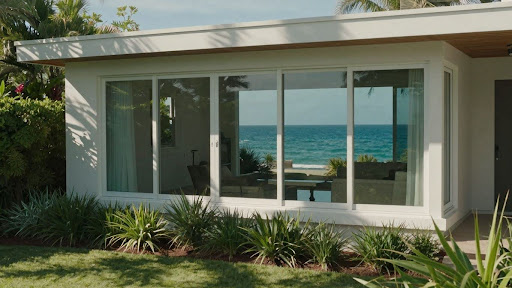
Oceanfront living is all about the view, right? Large picture windows are your best friend here. They’re basically giant panes of glass, designed to give you an unobstructed panorama of the Atlantic. Think of them as living art. They really open up a room and make you feel connected to the beach, even when you’re inside. These windows are perfect for living rooms or master bedrooms where you want to soak in the sunrise or watch the waves roll in. They don’t open, so they’re super energy efficient and great for keeping out the elements, but you’ll want to pair them with other windows that do open for fresh air.
Ventilation Options for Breezy Living
While picture windows are great for views, you definitely need windows that open to catch that nice sea breeze. Casement windows are a solid choice for coastal homes. They crank open outwards, and their design offers a really tight seal when closed, which is good for keeping out salt spray and humidity. Awning windows, which hinge at the top and open outwards, are also popular. They can be left open a bit even when it’s raining lightly, letting you get some airflow without getting soaked. Sliding windows are simple and work well, especially in areas where you might not have a lot of space for a window to swing open.
Here’s a quick look at some common window types and their benefits for coastal homes:
- Casement Windows: Offer excellent sealing against the elements when closed and good ventilation when open. Easy to operate with a crank.
- Awning Windows: Can be opened during light rain, providing ventilation while keeping water out. Good for kitchens or bathrooms.
- Picture Windows: Provide maximum, uninterrupted views of the ocean. Best used in combination with operable windows.
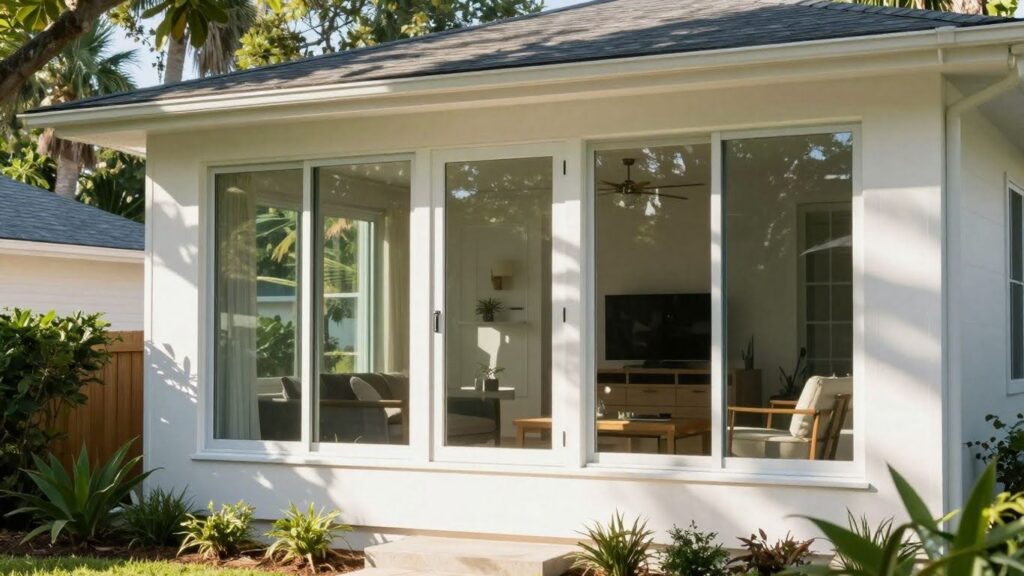
- Sliding Windows: Simple to use and maintain, suitable for various locations.
Low-Maintenance Window Designs for Beach Homes
Living by the beach means dealing with salt, sand, and sun. You don’t want windows that are going to be a constant headache to clean or maintain. That’s why materials like vinyl or fiberglass frames are so popular. They don’t rust or corrode like metal can, and they hold up well against the salty air. Look for windows with durable finishes that are easy to wipe down. Simple designs without too many nooks and crannies are also easier to keep clean. After all, you’d rather be relaxing on the sand than scrubbing window frames.
When choosing windows for your oceanfront property, think about how the style will not only look but also how it will perform against the coastal environment. Combining large viewing windows with functional, easy-to-maintain ventilation options is key to enjoying your home and the beautiful surroundings.
The Window Replacement Process in Jacksonville FL
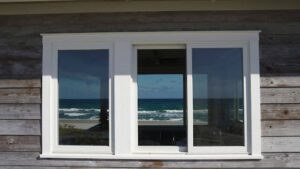
Replacing windows on a home exposed to Jacksonville’s salty air and coastal weather isn’t quite like a typical home improvement project. You’ve got to think about more than just how the new windows look. It’s about making sure they can handle the environment day in and day out. That means picking the right pros and understanding what makes a window truly coastal-ready.
Finding Experienced Coastal Contractors
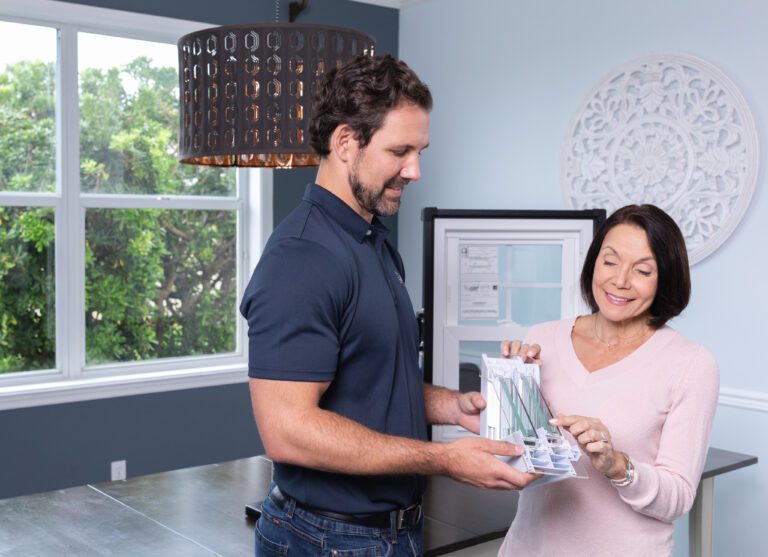
When you’re looking for someone to replace your windows, especially here in Jacksonville, FL, you can’t just pick any contractor. You need folks who really get what it means to build and maintain homes right on the coast. They should know about salt-air corrosion, how to protect against strong winds and storms, and what materials hold up best in this climate. Ask them about their experience with oceanfront properties specifically. A good contractor will be licensed, insured, and have references from other coastal homeowners. They’ll also be familiar with local building codes that are in place to protect homes in hurricane-prone areas.
Understanding Local Building Codes
Jacksonville, like many coastal cities, has specific building codes designed to make sure homes can withstand the elements. This is especially true for windows and doors. You’ll want to make sure your new windows meet or exceed these requirements. This often includes things like impact-resistant glass and specific frame construction standards. Your contractor should be well-versed in these codes and guide you through the process, making sure everything is up to par. It’s not just about passing an inspection; it’s about your home’s safety and longevity.
Seamless Installation for Lasting Performance
Even the best windows won’t perform well if they aren’t installed correctly. For coastal homes, proper installation is key to preventing water intrusion and air leaks, which can be made worse by salty air and strong winds. Look for contractors who emphasize their installation process for coastal environments. This might involve special sealing techniques or specific flashing methods to keep moisture out and maintain the window’s integrity. A well-installed window will not only look good but will also provide better energy efficiency and protection against the harsh coastal conditions for years to come.
Maintaining Your Investment in Coastal Windows
Living by the ocean in Jacksonville is amazing, but that salty air really does a number on your home, especially your windows. Keeping them in good shape means they’ll look good and work right for a long time. It’s not super complicated, but you do need to be a bit consistent with it.
Regular Cleaning to Prevent Salt Buildup
Salt doesn’t just sit there; it can actually start to eat away at things if you let it. That’s why washing your windows regularly is a big deal. You want to get rid of that salt film before it has a chance to cause problems. Think of it like brushing your teeth – you do it to prevent cavities, right? Same idea here, but for your windows. A good wash every few months should do the trick. You can use a soft brush, some mild soap, and plenty of fresh water. Just make sure you rinse well so you don’t leave any soapy residue behind.
Inspecting Seals and Hardware
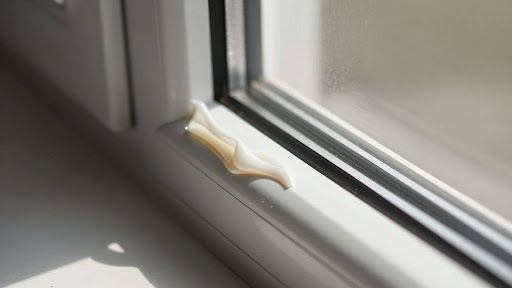
Your window seals are like the little guardians keeping the salty air and moisture out. If they start to crack or pull away, that’s an open invitation for trouble. Take a good look at them every so often, maybe twice a year. Run your fingers along the edges – do they feel brittle or sticky? Are there any visible gaps? Also, check the metal parts, like the locks and hinges. Are they showing any signs of rust or corrosion? Catching these small issues early can save you a lot of headaches and money down the road. If you see anything concerning, it’s better to get it fixed or replaced sooner rather than later.
Long-Term Care for Longevity
Beyond just cleaning and checking, there are a few other things to keep in mind for the long haul. If you notice any minor scratches on metal hardware, a quick polish with a metal cleaner designed for marine environments can help. For the frames, especially if they’re vinyl or fiberglass, a simple wipe-down is usually enough. If you have wooden elements around your windows, they’ll need a bit more attention, like occasional sealing or painting with a good quality exterior paint that can handle the salt and sun.
Taking care of your windows isn’t just about making them look nice. It’s about protecting the rest of your home from the harsh coastal environment. When your windows are sealed tight and free from salt damage, they do a better job of keeping out moisture and maintaining your home’s energy efficiency. It’s a win-win, really.
Here’s a quick rundown of what to look for:
- Seals: Check for cracks, tears, or signs of drying out.
- Frames: Look for discoloration, chalking, or any warping.
- Hardware: Inspect hinges, locks, and handles for rust or stiffness.
- Glass: Clean off any salt spray or mineral deposits that might be hard to see at first.
Wrapping Up Your Coastal Window Project
So, when it comes to picking out new windows for your place here in Jacksonville, especially if you’re right on the ocean or dealing with all that salty air, it’s not just about looks. You really need to think about what’s going to hold up over time. We’ve talked about how the salt and humidity can really do a number on regular windows, making them fog up, corrode, or even just wear out faster. Choosing windows made for this kind of environment means you’re investing in something that’ll last, keep your home comfortable, and honestly, just save you headaches down the road. It’s worth the effort to find the right ones that can handle the beach life.
Frequently Asked Questions
What makes windows for beach homes different from regular windows?
Windows for beach homes need to be tough! The salty air and constant moisture near the ocean can cause regular windows to rust or break down faster. They also need to handle strong winds and storms that can happen on the coast. So, they’re built with special materials that resist salt and are stronger to protect against bad weather.
How does salt air hurt windows?
Think of salt air like tiny bits of sandpaper and rust. When the salty air touches metal parts of a window, like the frame or hardware, it can make them corrode, or rust away over time. This can make windows hard to open and close, and eventually cause them to break. It can also make the glass look cloudy.
Why is impact-resistant glass important for beach houses?
Living near the ocean means you might face strong winds and flying debris during storms or hurricanes. Impact-resistant glass is super strong and designed to break into fewer, safer pieces if something hits it. This helps keep the wind and rain from getting inside your house, which is really important for protecting your home and everything in it.
What are the best frame materials for coastal windows?
For beach homes, you want frames that won’t rust or rot. Materials like vinyl, fiberglass, or specially treated aluminum are great choices. These materials hold up much better against the salty air and moisture compared to regular wood or untreated metal, meaning they’ll last longer and need less fixing.
How do new windows save energy at the beach?
Coastal homes can get really hot from the sun. New windows often have special coatings that block a lot of the sun’s heat from coming inside, keeping your home cooler. They also seal up much better, stopping that humid ocean air from leaking in and making your air conditioner work harder. This means you save money on your energy bills!
What’s the best way to clean salt off my beach house windows?
Cleaning your windows regularly is key! Use a soft cloth or sponge with plain water or a mild, non-abrasive soap. Rinse them well afterward. This helps wash away the salt before it has a chance to build up and cause damage. For tougher spots, a gentle scrub might be needed, but always be careful not to scratch the glass or damage the frames.