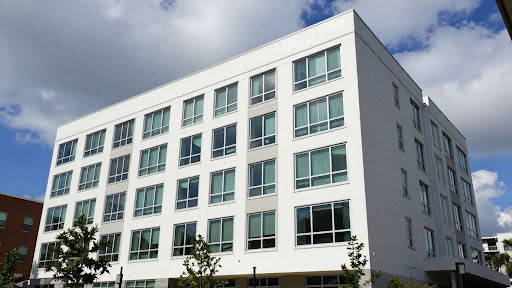
Replacing windows in multi-family and high-rise buildings in Jacksonville, FL, is a big job. It’s not like swapping out a single window in a house. You’ve got a lot more to think about, especially with Florida’s weather. We’re talking about everything from picking the right style that looks good and works well, to making sure they can handle hurricanes. Plus, keeping things energy-efficient is a must down here. Getting it done right means hiring folks who know what they’re doing, especially when you’re dealing with taller buildings.
Key Takeaways
- Choosing the right window styles, like casement or double-hung, is important for ventilation and sealing in Jacksonville’s climate.
- Impact-resistant windows with laminated glass and reinforced frames are necessary to protect multi-family and high-rise buildings from storm season.
- Energy-efficient features, such as special glass packages and vinyl frames, help manage cooling costs and resist humidity in Florida’s weather.
- Professional installation is critical for ensuring secure frames, proper sealing, and consistent insulation in large buildings.
- Selecting window designs that match Jacksonville’s architecture and partnering with local specialists who understand climate patterns and building structures provides peace of mind.
Choosing Window Styles for Jacksonville’s Multi-Family Buildings
When you’re looking at new windows for apartment buildings or condos in Jacksonville, FL, you’ve got a few main styles that really make sense for this area. It’s not just about how they look, but how they handle the weather and how easy they are to manage, especially when you have a lot of units.
Casement Windows for Coastal Breezes and Tight Sealing
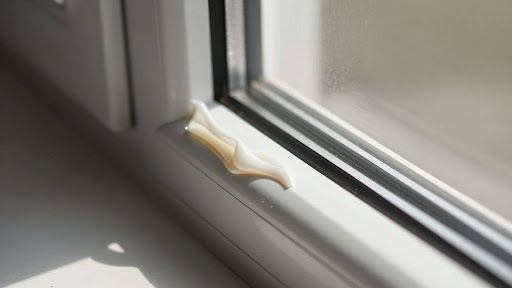
Casement windows are a great pick for Jacksonville. They crank open from the side, and when they’re closed, they seal up really tight. This is super helpful with our humid air and those sudden temperature shifts we get. Plus, when you open them up, they can really catch the breeze coming off the St. Johns River or from your backyard, directing it right into the building. They lock down securely, which is good for keeping things comfortable year-round.
Double-Hung Windows for Ventilation and Easy Cleaning
Double-hung windows are a classic for a reason. They have two sashes that move up and down, giving you a lot of control over airflow. This is perfect for Jacksonville’s long warm seasons and mild winters. A big plus for multi-family buildings is that the sashes often tilt in. This makes cleaning the outside of the windows from inside the unit a whole lot easier, which is a big deal when you’re dealing with multiple floors.
Picture Windows to Maximize Views and Natural Light
If your building has a nice view, like overlooking the water or a shaded park, picture windows are the way to go. These are fixed windows, meaning they don’t open, but they let in a ton of natural light and give residents a great view. Because they don’t open, they’re also really good at keeping the conditioned air inside, which helps with energy bills, especially during those hot Florida months.
Slider Windows for Wide Openings and Steady Airflow
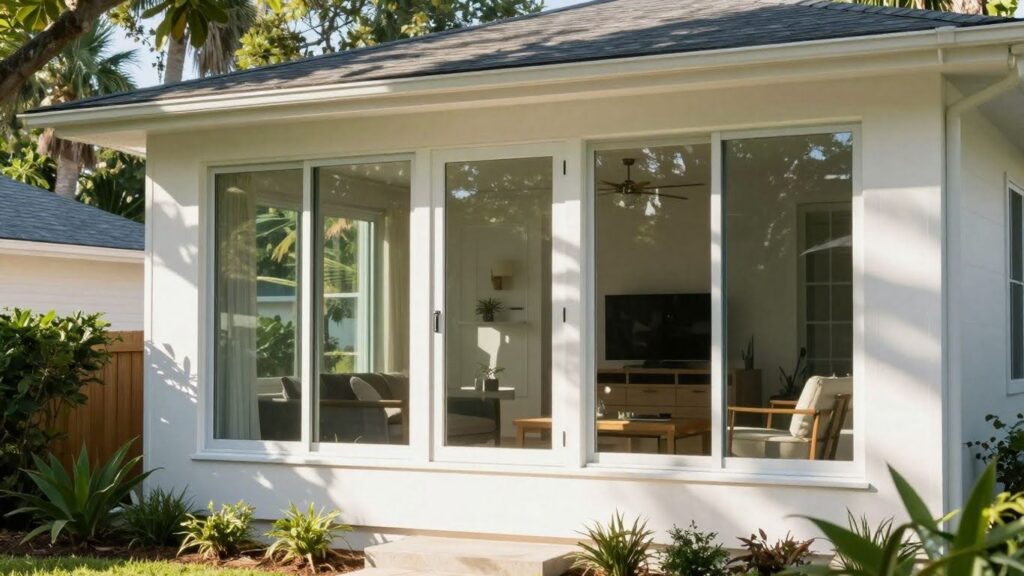
Slider windows move side-to-side, and they’re a good choice when you have a wider opening. They let in a nice, steady stream of air, which is great for those warm evenings when you want to open things up. They’re usually pretty simple to operate, making them a practical option for living areas or rooms that face out to a patio or backyard.
Picking the right window style isn’t just about aesthetics; it’s about performance. For a place like Jacksonville, you need windows that can handle humidity, strong sun, and occasional storms, all while keeping your residents comfortable and your energy costs down. The style you choose can also make a big difference in how the building looks from the outside and how easy it is to maintain.
Impact-Resistant Windows for Jacksonville’s Storm Season
Every summer, storm season brings the threat of flying debris and strong winds to Jacksonville, especially if your building faces the coast or sits several stories up. Picking windows that can take a hit—not just once, but over and over—makes all the difference when the weather suddenly flips.
Laminated Glass for Debris Protection
Laminated glass is built by sandwiching a strong plastic layer between two panes. If the window gets struck, the glass may crack, but the film holds everything together—so no shattered glass all over your unit. This makes a massive difference for tenant safety and cleanup after a big storm.
Here’s how laminated glass stands up against regular glass:
| Glass Type | Debris Impact Resistance | Shatter Containment | Cost (per sq. ft.) |
| Standard Single | Low | None | $8–$10 |
| Laminated Impact | High | Yes | $20–$24 |
- Prevents dangerous shards during hurricanes
- Provides extra soundproofing
- Keeps interiors more secure year-round
In Jacksonville, picking laminated glass over regular means you’re thinking about both protection and peace of mind, not just meeting code.
Reinforced Framing for Pressure Resistance
No point having strong glass if the frame buckles or pops out when winds pick up. Reinforced frames use tougher materials—sometimes metal reinforcements and higher-gauge vinyl or aluminum. This allows windows in multi-family and high-rise buildings to handle powerful, shifting pressure without warping or breaking loose.
- Helps keep the whole window structure intact
- Prevents leaks and seal failures during storms
- Supports larger, heavier panes used in high-rises
Hurricane-Rated Systems for Enhanced Reliability
If you want top-level protection, go with hurricane-rated window systems. These aren’t just beefed-up versions of standard windows. They’re tested by sending projectiles at the glass and blasting it with high-pressure wind. Passing these tests means peace beyond a basic weather report.
- Certified for Florida’s strictest standards (look for HVHZ or Miami-Dade ratings)
- Comes with heavy-duty locking hardware
- Often results in insurance benefits for building owners
Investing in hurricane-rated impact windows isn’t just about following rules—it’s about knowing everyone in your building can feel safer every time the sky turns dark.
Energy-Efficient Window Features for Florida’s Climate
Energy efficiency is something you can’t really ignore if you’re replacing windows in Florida. Even small gains here can mean a noticeable drop in cooling bills, especially over one of those long, sweaty Jacksonville summers. Choosing the right features really matters for both comfort and costs.
Glass Packages to Moderate Cooling Demand
Trying to keep things comfortable, but not run your AC all day? Consider these types of glass packages for multi-family and high-rise buildings:
- Low-E glass reflects a lot of the sun’s heat without making inside feel dark, so rooms stay cooler.
- Tinted glass helps block glare and solar energy, reducing how much heat passes through.
- Gas-filled panes (like argon or krypton) add another layer of insulation between indoor and outdoor air.
| Glass Package Type | Benefit | Typical Cooling Cost Savings |
| Low-E Coating | Reduces heat gain | 10–25% |
| Tinted Glass | Lowers glare & heat | 5–15% |
| Argon-Filled | Boosts insulation | 5–8% |
Small changes to your glass package, especially in a large building, can add up to big savings each month once the temperature climbs.
Vinyl Frames to Resist Humidity and Warping
Florida humidity is no joke, and wood sometimes just can’t handle it. Vinyl window frames are often the better bet here:
- They do not rot, swell, or warp, even if it’s muggy for months.
- Maintenance stays minimal—usually just quick wipe-downs, no painting or sealing required.
- The seals around vinyl frames last longer, which keeps conditioned air inside where you want it.
Multi-Pane Configurations for Noise Reduction
In a busy metro area or near busy roads, extra glass layers help with sound as well as temperature. Multi-pane options worth considering:
- Double-pane windows block more noise and are the standard for energy savings.
- Triple-pane windows further deaden sound (great if you’ve got nightlife or highway traffic nearby).
- Insulated glass units carry built-in spacers that separate each pane, making HVAC work less hard year-round.
All these little details—types of glass, frame materials, and pane configurations—really set up a building to ride out summer without stressing about bills or sweat. For Jacksonville, it’s worth looking closely at these energy-efficient choices for every window project.
Professional Installation for High-Rise and Multi-Family Properties
Accurate Measurements for Florida Construction
Getting the measurements right is the first step, and it’s super important, especially here in Florida with our unique building styles. For multi-family and high-rise buildings, precision is key. A small mistake can lead to bigger problems down the line, like drafts or leaks, which nobody wants. We’re talking about making sure every single window fits perfectly into its opening. This isn’t like hanging a picture frame; it’s about creating a solid, weather-tight seal that will last.
Secure Frame Setting and Moisture-Resistant Sealing
Once the windows are measured and ready, the next big thing is how they’re put into the building. For these larger structures, the frames need to be set really securely. This means using the right fasteners and making sure the frame is plumb and level. After that, the sealing process is critical. We use specialized materials that can handle Florida’s humidity and occasional heavy rains. This stops water from getting behind the window and causing damage to the building’s structure. It’s all about keeping the inside dry and the building sound.
Ensuring Smooth Operation and Consistent Insulation
Finally, after the windows are installed and sealed, we check everything to make sure it works right. This means opening and closing each window smoothly. For multi-family buildings, it’s also about making sure the insulation is consistent all the way around. This helps keep the building comfortable year-round, which is a big deal with our hot summers and mild winters. Good installation means the windows perform as they should, keeping the elements out and the comfort in.
Selecting Window Designs to Complement Jacksonville Architecture
When you’re looking at new windows for a multi-family or high-rise building in Jacksonville, it’s not just about function; it’s also about how they look and fit in with the area’s vibe. Jacksonville has a mix of styles, from older homes with classic charm to newer builds with a more modern feel. Picking the right window design can really make a building stand out, or blend in nicely, depending on what you’re going for.
Awnings for Ventilation During Light Rain
Awnings are pretty neat for Jacksonville’s climate. Because they hinge at the top and open outward, they can actually let in air even when it’s drizzling. This is super handy for places like bathrooms, kitchens, or even utility rooms where you want some airflow without worrying about rain getting inside. They fit right in with a lot of the older neighborhoods around here, adding a touch of classic design while still being practical.
Shaped Windows for Unique Architectural Accents
Sometimes, a standard window just won’t cut it. Shaped windows, like circles, arches, or even custom geometric designs, can add a really unique touch. You see these a lot in Jacksonville on buildings with interesting rooflines or decorative entryways. They’re perfect for adding a bit of flair above a main door, in a stairwell, or under a high ceiling. They help keep the building’s original character, especially in areas with a lot of different architectural styles.
Choosing window styles that match the existing architecture is more than just an aesthetic choice; it’s about respecting the history and character of Jacksonville’s neighborhoods. It helps maintain the visual harmony and curb appeal that makes these communities unique.
Here’s a quick look at how different styles can fit:
- Casement: Great for catching breezes from the river or coast, and they seal up tight.
- Double-Hung: Classic look, easy to clean, and good for airflow in bedrooms and living areas.
- Picture: Maximize views of Jacksonville’s greenery or water, and they’re good for energy efficiency.
- Slider: Practical for wider openings, letting in steady airflow on warm evenings.
Partnering with Experienced Window Replacement Specialists
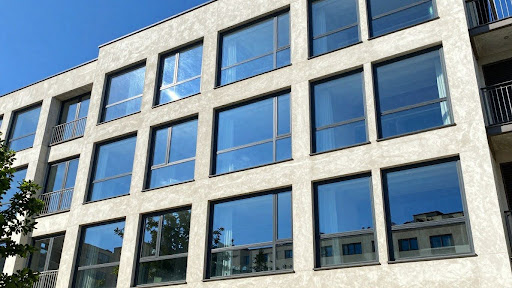
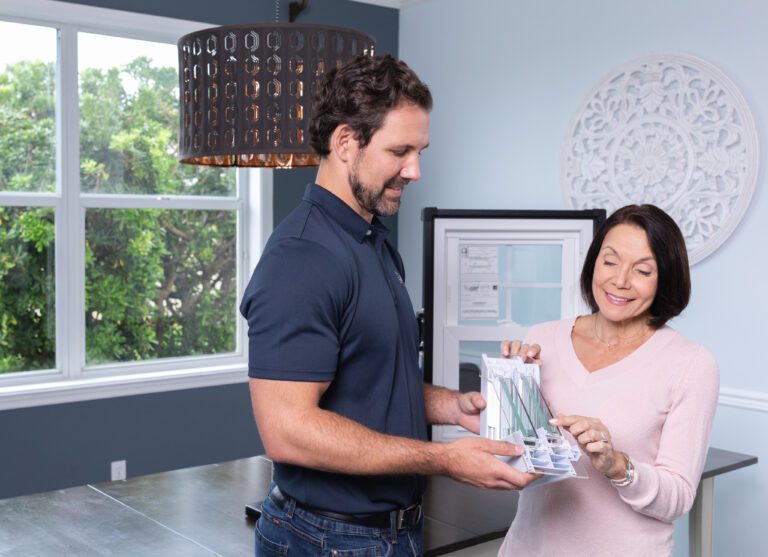
When it’s time to replace windows in a Jacksonville multi-family or high-rise building, you really want a team that’s been doing this in the area for a while. There are storms, salt air, humid summers, and a whole set of rules for what goes into a big property. Working with true local pros saves you a headache—and probably keeps your building in shape a lot longer.
Local Expertise in Jacksonville’s Climate Patterns
- Jacksonville’s heat and humidity can make lesser windows warp and fail. A local installer knows what materials hold up here.
- The team should have hands-on experience with storms, salty breezes, and sun.
- You get advice on the best frame and glass choices for real Florida weather, not just what’s trending somewhere else.
A skilled window installer from the area can flag issues other contractors might miss—like the way wind-driven rain sneaks into multi-story buildings during hurricane season.
Understanding Structural Requirements of Local Buildings
- High-rises and large complexes need windows that work with varying wall types: concrete, block, and sometimes older wooden frames.
- Installers should understand city permit processes and the specific codes for hurricane impact-rated products.
- They’ll measure up and plan everything so that the installation doesn’t mess with your building’s waterproofing or insulation.
| Requirement | What a Specialist Does |
| Building Codes | Follows local, state, and federal rules |
| Property Style | Matches historical or modern looks |
| Pressure Ratings | Selects windows rated for high winds |
Warranties and Customer Reviews for Peace of Mind
- Top window companies in Jacksonville provide solid warranties that actually cover labor and materials for years.
- Look at reviews from past clients—especially those with buildings similar to yours.
- Ask how they handle callbacks or service if something needs fixing down the road.
Picking an experienced, trusted window replacement specialist means you don’t just get a one-time job—they help protect your investment and keep your residents safer and more comfortable, year after year.
Conclusion
Wrapping up, getting windows replaced in multi-family and high-rise buildings in Jacksonville, FL isn’t just about looks—it’s about comfort, safety, and making sure your property stands up to the local weather. With all the heat, humidity, and the occasional wild storm, picking the right windows really matters. There are a lot of styles and features out there, from impact-resistant glass to energy-saving frames, so it’s worth taking the time to figure out what fits your building best. Working with a local company that knows Jacksonville’s climate and building codes can make the whole process smoother. In the end, new windows can help keep energy bills down, boost curb appeal, and give everyone inside a bit more peace of mind when the weather turns rough. If you’re thinking about a window project, reaching out for a quote is a good first step—sometimes, just starting the conversation makes the whole thing feel a lot less overwhelming.
Frequently Asked Questions
What kind of windows are best for Jacksonville’s stormy weather?
For Jacksonville’s weather, especially during storm season, you’ll want windows built to withstand strong winds and flying debris. Look for ‘impact-resistant’ or ‘hurricane-rated’ windows. These often have special laminated glass that stays together even if hit, and strong frames that can handle pressure changes. They’re a smart choice to protect your building.
How do I choose window styles for a multi-family building in Jacksonville?
Think about how you want the building to look and how people will use the windows. Double-hung windows are great because they let you control airflow and are easy to clean. Casement windows seal up tight, which is good for the humid air. Picture windows let in lots of light and offer nice views. Slider windows are good for wide openings and steady breezes. It’s all about balancing looks, airflow, and ease of use for your residents.
Why is energy efficiency important for windows in Florida?
Florida, including Jacksonville, gets very hot for a long time. Energy-efficient windows help keep the cool air inside your building and the hot air outside. This means your air conditioning system doesn’t have to work as hard, saving you money on electricity bills. Features like special glass coatings and well-sealed frames make a big difference.
What’s special about installing windows in high-rise or multi-family buildings?
Installing windows in taller buildings or ones with many units needs extra care. It’s not just about putting in a window; it’s about making sure it’s sealed perfectly to prevent leaks and drafts, especially high up. The installation team needs to be experienced with these types of structures to ensure everything is secure, works smoothly, and provides good insulation.
Can window designs affect the look of my building in Jacksonville?
Absolutely! Jacksonville has many different kinds of buildings. You can choose window styles that match the existing architecture. For example, awning windows can add a nice touch and help with ventilation during light rain. Even simple things like frame color can make a difference.
How do I know if a window replacement company is good for my Jacksonville project?
Look for companies that know Jacksonville’s specific weather and building styles. Check if they offer warranties on their work and the windows themselves. Reading reviews from other customers in the area can also give you a good idea of their reliability and the quality of their service. Local experience is key!