There isn’t a single window that works best for every Jacksonville home. Different layouts, sun exposure, and daily routines all play a role in what works once the window is installed. That’s why windows installation solutions need to be flexible.
The right window choice has more to do with how you use your space than how it looks on a screen. Ventilation needs, room function, and comfort goals all influence what type of window installation makes sense for your home, along with style preferences.
This guide is designed to help you connect window types to real-life needs by walking through practical solutions so you can see what fits your home and how you live in it.
Key Takeaways
- The best window solution is one that matches how you use your home, not just how it looks.
- Thoughtful window choices lead to better comfort, performance, and fewer issues over time.
- Working with experienced professionals helps you make confident decisions.
Single-Hung Windows: Simple and Efficient
Single hung windows have a straightforward design: the bottom sash moves while the top stays in place. That simplicity is part of their appeal; they’re easy to use and familiar to many.
Because of how they’re built, single-hung windows work in spaces where you want consistent airflow without extra moving parts. They’re a solid option when energy efficiency matters, since fewer moving sections can help reduce air leaks when installed properly.
Single-hung windows make sense for bedrooms, living areas, or anywhere you want dependable performance without overcomplicating the layout. They’re a practical choice when you’re looking for a good fit that balances comfort and everyday use.
Double-Hung Windows: Flexibility and Easy Cleaning
Double-hung windows are similar in appearance to single-hung windows, but both the top and bottom sashes can move. The extra functionality gives homeowners more control over airflow and makes everyday use feel more flexible.
Many homeowners like double-hung windows because they allow ventilation from the top, the bottom, or both. That can be especially useful for managing airflow in Florida homes, where heat and humidity vary throughout the day. Another benefit is convenience—being able to tilt the sashes makes cleaning easier, particularly on upper levels.
You might prefer double-hung windows in rooms where airflow matters more or where access for cleaning is limited. They’re often chosen for multi-story homes, frequently used spaces, or areas where added versatility makes day-to-day living a little more comfortable.
Casement Windows: Maximum Airflow Where You Need It
Casement windows are hinged on the side and open outward, which allows the entire window opening to be used for airflow. Instead of sliding up or down, they swing open, making them easy to adjust depending on the breeze.
That design works especially well in Florida homes. Casement windows can catch and direct outdoor air into your space, which helps with natural ventilation on days when you want fresh air without relying entirely on cooling systems.
They’re often a strong fit for rooms where airflow matters most, like kitchens, living areas, or spaces with limited wall room for wider window styles. Casement windows also work well in layouts where you want clear views and easy operation without taking up interior space.
Awning Windows: Ventilation Without Letting Weather In
Awning windows are hinged at the top and open outward from the bottom. That design allows air to flow in while the window itself helps shield the opening from rain above.
This makes awning windows especially useful in Jacksonville’s rain-prone climate. You can let in fresh air even during light rain without worrying about water getting inside, which adds flexibility during humid or unpredictable weather.
Awning windows are often a smart solution for bathrooms, laundry rooms, or spaces where privacy and airflow both matter. They also work well higher on walls or paired with larger windows, adding ventilation in areas where other window styles may not be practical.
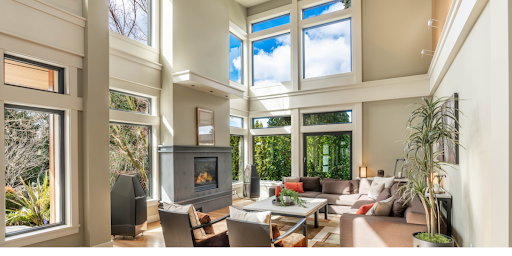
Picture Windows: Light, Views, and Clean Lines
Picture windows are designed to do one thing really well: bring in natural light and frame the view outside. Because they don’t open, they create clean sightlines and help make rooms feel larger and more open.
Since picture windows don’t provide ventilation, they’re often paired with other window types during window replacement projects. Combining them with operable windows nearby allows you to enjoy the view while still getting airflow where you need it.
A picture window can be a great fit for living rooms, stair landings, or any space where light and visibility matter more than ventilation. When installed as part of a professional window installation plan, picture windows can improve comfort and energy efficiency by reducing unnecessary seams while still enhancing how your space looks and feels.
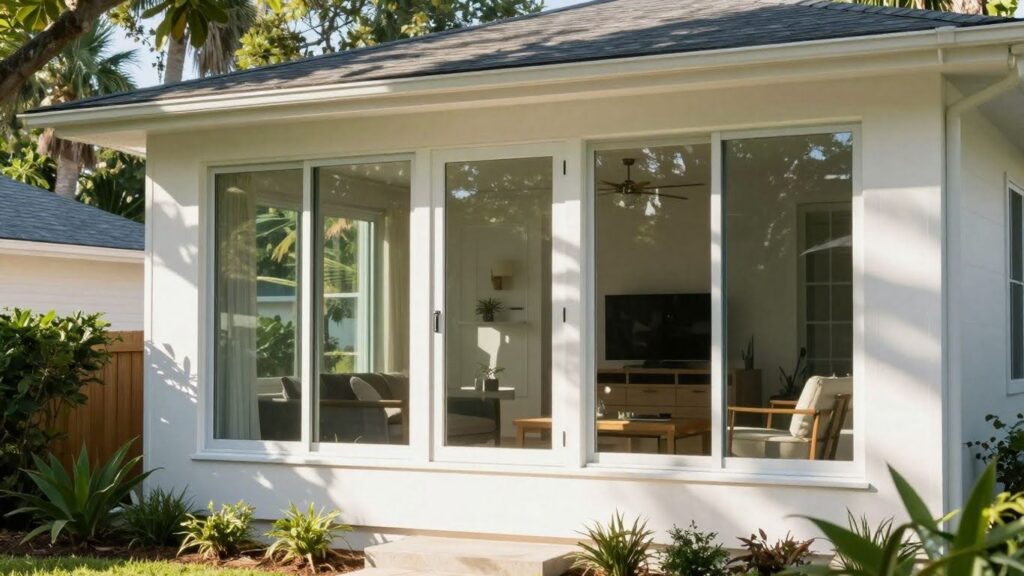
Sliding and Gliding Windows: Easy Operation, Wide Openings
Sliding and gliding windows open horizontally along a track, which makes them simple to operate and easy to live with. Because they don’t swing inward or outward, they work well in spaces where clearance is limited.
These windows are popular in rooms where furniture placement, walkways, or exterior features make other window styles less practical. They’re also commonly used near patio doors or in areas where you want a wide opening without complicated hardware.
Gliding windows are often a practical choice for living spaces, bedrooms, or any area where ease of use and durability matter. When included as part of a professional window installation process, they can offer reliable performance, clean lines, and a layout-friendly solution for many Jacksonville homes.
Specialty Windows: Solving Unique Design or Layout Challenges
Specialty windows include custom shapes, sizes, or configurations that don’t fit standard window openings. These might be used in areas with architectural features, unusual wall angles, or design elements that limit standard options.
In many cases, custom sizing or shapes help solve very specific problems by bringing light into tight spaces, improving airflow in awkward layouts, or working around structural limitations. Instead of forcing a standard window where it doesn’t belong, specialty windows allow the design to work with the home rather than against it.
When chosen thoughtfully, specialty windows enhance both function and style. They can add character to a space while still supporting comfort and performance, especially when paired with high-quality windows and installed as part of a cohesive window installation plan tailored to the home’s needs.
Matching the Right Window to Your Home
The best window choice comes down to how each space is used. A room’s function, available wall space, and airflow needs all influence what will work comfortably day to day. What feels right in a living area may not make sense in a bedroom, hallway, or utility space.
Sun exposure and layout also shape recommendations. Rooms that get intense afternoon light, face prevailing weather, or sit near high-moisture areas benefit from different solutions than shaded or interior-facing spaces. Taking those factors into account helps protect comfort, performance, and durability over time.
In many homes, the strongest results come from mixing window types rather than sticking to a single style throughout. Combining solutions allows each room to get what it needs while still working together as part of a cohesive window installation service plan that supports comfort and efficiency.
Why Professional Guidance Matters
Decisions about windows affect comfort, durability, and how well your home handles heat, moisture, and daily use. Without guidance, it’s easy to focus on appearance and miss details that matter long after installation.
Professional recommendations help prevent issues that don’t show up right away. Things like mismatched materials, overlooked exposure concerns, or selecting the wrong window for a specific space can lead to performance problems later. Having experienced installers review your home’s specific requirements helps avoid those missteps before they become expensive or frustrating.
Working with a local Jacksonville team adds another layer of confidence. Local knowledge brings context of how homes here are built, what conditions they face, and what tends to hold up over time. For homeowners, that means clearer recommendations and solutions that make sense.
A Trusted Partner for Jacksonville Window Solutions
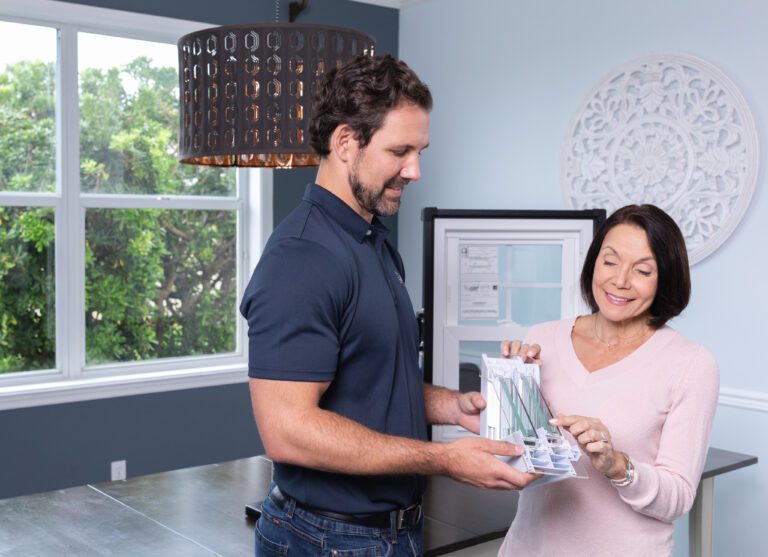
After exploring different window options and how they fit real homes, the next step is having a team that can help you put it all together. Wallaby Windows approaches window projects with a focus on clarity—making sure recommendations are easy to understand and grounded in how your home actually functions.
Guidance matters just as much as the products themselves. From replacement windows to entry doors, the goal is long-term performance, not short-term fixes. That means considering durability, comfort, and how each choice will hold up over time in Jacksonville conditions.
If you’re thinking about new windows but aren’t ready to commit, starting with a conversation can be helpful. Wallaby Windows offers a straightforward way to talk through your goals.
Conclusion
The best window solution doesn’t feel forced; it feels like it belongs. When choices are made with your daily routines, comfort needs, and long-term goals in mind, the result feels intentional rather than trendy or rushed.
Thoughtful decisions tend to perform better over time. Matching the right windows to the way your home is used can improve comfort, support efficiency, and reduce the need for future adjustments or replacements.
Most importantly, confidence comes from knowing your choices make sense. When you understand why a solution works for your home, moving forward feels steady and informed.
Frequently Asked Questions
What do professional window installation services include?
Professional window installation services typically include evaluating your home, recommending the right window solutions, installing them correctly, and ensuring everything performs as expected after completion.
What should homeowners expect from the window installation process?
The window installation process is designed to be structured and predictable, with clear communication before work begins and follow-through once installation is complete.
How do I know if replacement windows are right for my home?
Replacement windows are often recommended when existing windows no longer perform well or meet your comfort needs. A professional assessment helps determine whether replacement makes sense for your space.
When is window replacement the best option?
Window replacement is typically the right choice when windows affect comfort, efficiency, or long-term performance. Understanding your home’s condition helps guide that decision without rushing it.