Living in Jacksonville, Florida means dealing with a lot of heat and humidity, and sometimes, strong storms. When it’s time to replace your windows, you might be focused on how they look or how well they hold up against wind. But there’s another important factor that often gets overlooked: air infiltration ratings. This might sound technical, but it really boils down to how well your windows keep the outside air from getting in. Why Air Infiltration Ratings Matter for Window Replacement in Jacksonville FL is more than just a catchy phrase; it’s about making your home more comfortable and saving money on your energy bills.
Key Takeaways
- Air infiltration ratings tell you how much outside air can leak into your home through your windows. Lower numbers mean better sealing.
- In Jacksonville’s hot and humid climate, low air infiltration helps keep cool air inside and hot, moist air outside, making your home more comfortable.
- Better air sealing from windows with good ratings means your air conditioner doesn’t have to work as hard, which can lower your energy bills.
- Look for the NFRC label on windows to find the air leakage rating. A lower number is always better for energy efficiency.
- Choosing windows with superior air sealing, like those with Energy Star certification, is a smart move for Jacksonville homeowners looking to improve comfort and save money.
Understanding Air Infiltration Ratings
What Air Leakage Means for Your Home
Think about your house like a big, sealed container. When that container has tiny holes or gaps, air can sneak in and out. That’s basically what air leakage is for your home. With windows, it means outside air is getting in, and your conditioned air is getting out. This happens around the edges of the window, where the glass meets the frame, or where the frame meets the wall. The less air that gets through, the better your window is performing. It’s not just about drafts; it’s about how much energy you’re losing.
The Impact of Low Air Leakage Scores
When a window has a low air leakage rating, it means it’s built to be pretty airtight. This is a good thing! It stops unwanted air from coming in and your nice, cool (or warm) air from escaping. This directly affects your comfort and your wallet. Less air leakage means your heating and cooling systems don’t have to work as hard. That translates to lower energy bills and a more consistent temperature inside your home, no matter what’s happening outside.
Industry Standards for Air Leakage
To help homeowners know what they’re getting, there are standards for how air leakage is measured. The National Fenestration Rating Council (NFRC) is a big one. They have a specific way to test how much air passes through a window. Generally, you’ll see ratings measured in cubic feet per minute per square foot (cfm/ft²). A lower number is better. For most new windows, a rating of 0.3 cfm/ft² or less is considered pretty good, but for the best performance, especially in a place like Jacksonville, you’ll want to look for numbers much closer to 0.1 cfm/ft².
Here’s a quick look at what those numbers mean:
| Air Leakage Rating (cfm/ft²) | Description |
| 0.3 and above | Standard performance, more air leakage |
| 0.1 to 0.3 | Good performance, less air leakage |
| Below 0.1 | Excellent performance, very tight seal |
Keeping air where it belongs is a big part of making your home comfortable and saving money on energy. It’s not just about the glass, but how well everything is put together.
Why Air Infiltration Matters in Jacksonville’s Climate
Living in Jacksonville means dealing with some pretty intense weather. We’ve got the heat, the humidity, and the occasional storm. When it comes to your windows, how much air they let in or out can make a big difference in how comfortable and affordable your home is to run.
Combating Humidity and Heat
Jacksonville’s humidity is no joke. High humidity levels inside your home can lead to all sorts of problems, like mold growth and that sticky, uncomfortable feeling. Windows with poor air sealing let that moist outside air creep in, making your air conditioner work overtime to try and dehumidify the air. A tight seal on your windows is your first line of defense against unwanted moisture. It helps keep the humid air out and your conditioned air in, which is a win-win for comfort and your home’s health.
Reducing Cooling Costs
Think about it: when your windows aren’t sealed well, all that cool air you’re paying to generate escapes. This means your AC unit has to run longer and harder to maintain your desired temperature. Over time, this really adds up on your electricity bill. Replacing old, leaky windows with new ones that have low air infiltration ratings means less wasted energy. You’ll notice a difference in your cooling costs, especially during those long, hot Jacksonville summers.
Maintaining Indoor Comfort
Beyond just the cost savings, air infiltration directly impacts how comfortable your home feels. Drafty windows can create cold spots in the winter (though less of an issue here) and hot spots in the summer. You might find yourself constantly adjusting the thermostat or using fans to compensate. Windows with good air sealing create a more consistent temperature throughout your home, eliminating those annoying drafts and making your living space much more pleasant year-round.
How Air Infiltration Affects Window Performance
When we talk about windows, it’s not just about how they look or how much light they let in. How well they seal up is a big deal, especially when you’re trying to keep your home comfortable and your energy bills from going through the roof. Air infiltration is basically a fancy term for how much outside air can sneak in (or inside air can sneak out) around the edges of your windows. Think of it like a leaky faucet – a little drip might not seem like much, but over time, it adds up.
The Role of Window Seals
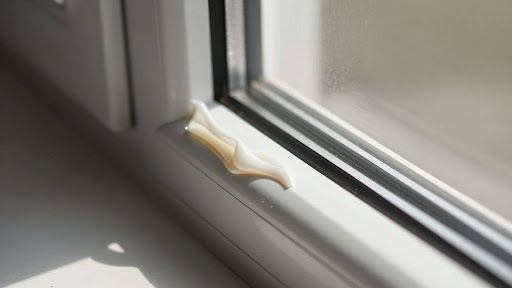
Window seals are like the weatherstripping on your doors, but for your windows. They’re designed to create a tight barrier between the moving parts of the window (like the sash) and the frame, and also between the frame and your house. When these seals are good, they stop air from getting through. If they’re worn out, cracked, or just poorly made, you’re going to have air leakage.
- Primary Seals: These are usually made of rubber or vinyl and are found where the sash meets the frame.
- Secondary Seals: These might be applied during manufacturing or installation to further block any potential gaps.
- Frame-to-Wall Seal: This is the seal between the window unit and your actual house wall, often done with caulk and foam during installation.
A window with a low air leakage rating means its seals are doing a great job keeping the outside out and the inside in.
Impact of Frame Materials
The material your window frames are made from plays a part too. Some materials are naturally better at preventing air from moving through them or conducting heat.
- Vinyl: These frames often have hollow chambers that act as insulation, helping to reduce air drafts and heat transfer. They’re a popular choice because they’re pretty good at keeping things sealed up.
- Thermally Broken Aluminum: Regular aluminum can be a heat conductor, but
Key Window Ratings for Jacksonville Homeowners

When you’re looking at new windows for your home here in Jacksonville, you’ll see a bunch of numbers and labels. It can seem a little overwhelming at first, but understanding these ratings is actually pretty important, especially with our Florida climate. They tell you how well a window is going to perform, not just how it looks.
Understanding NFRC Labels
The National Fenestration Rating Council, or NFRC, is a big deal when it comes to window performance. They don’t actually sell windows, but they have a system to rate them independently. You’ll see their label on most new windows, and it breaks down the window’s performance into a few key areas. Think of it like a report card for your windows.
- U-Factor: This tells you how well the window keeps heat in during the winter and out during the summer. A lower number means better insulation. For Jacksonville, where we deal with a lot of heat, a low U-factor is a good thing for keeping your AC from working overtime.
- Solar Heat Gain Coefficient (SHGC): This measures how much heat from the sun actually gets through the window. Again, for our sunny climate, you want a low SHGC. This means less solar heat is coming inside, which directly helps lower your cooling bills.
- Visible Transmittance (VT): This is all about how much natural light the window lets in. It’s a balance – you want some natural light, but too much can also bring in unwanted heat. The scale goes from 0 to 1, with higher numbers meaning more light.
- Air Leakage (AL): We’ve talked about this, but it’s worth repeating. This rating shows how much air can sneak through the window’s seals. A lower AL number means a tighter window, which is great for keeping that cool, conditioned air inside and the hot, humid air outside.
- Condensation Resistance: This rating, on a scale of 1 to 100, shows how well the window resists moisture buildup on the inside surface. In humid Jacksonville, a higher number here is definitely a plus to help prevent mold and mildew.
The Significance of U-Factor and SHGC
For us in Jacksonville, the U-factor and SHGC are probably the two most important numbers to pay attention to on that NFRC label. Our long, hot summers mean that keeping solar heat gain to a minimum is a top priority. A window with a low SHGC will significantly reduce the amount of heat that enters your home through the glass. This directly translates to less work for your air conditioner and, consequently, lower electricity bills. Similarly, while we don’t have harsh winters, a good U-factor still plays a role in overall energy efficiency, helping to keep your home comfortable year-round.
Choosing windows with low U-factors and low SHGC ratings is like giving your home a shield against the intense Florida sun and heat. It’s a smart move for comfort and your wallet.
Air Leakage as a Critical Metric
We’ve touched on air leakage before, but it’s so important for Jacksonville homes that it deserves its own spotlight. Think about it: your air conditioner is working hard to cool your house, but if your windows aren’t sealed properly, all that cool air is just escaping, and hot, humid air is seeping in. That’s a huge waste of energy and money. The industry standard for air leakage is no more than 0.3 cfm/ft², but honestly, you’ll want to aim for windows with ratings much lower than that, ideally closer to 0.1 cfm/ft² or even less. This tight seal is what makes a real difference in maintaining a consistent indoor temperature and keeping those energy bills down.
| Rating Type | What it Measures | What to Look For in Jacksonville | Why it Matters Here |
| U-Factor | How well a window insulates against heat transfer | Lower is better | Keeps heat out in summer, helps maintain cool temps |
| SHGC | How much solar heat radiation enters through the glass | Lower is better | Reduces heat gain from intense sun, lowers cooling costs |
| Air Leakage (AL) | How much air passes through the window seals | Lower is better | Prevents cool air escape and hot air intrusion |
Choosing Windows with Superior Air Sealing
So, you’re looking to get new windows for your place in Jacksonville. That’s great! Beyond just how they look, there’s a really important technical detail to pay attention to: how well they seal up. This is where air leakage ratings come into play, and honestly, it’s a big deal, especially with our Florida weather.
Looking for Low Air Leakage Values
When you’re shopping for windows, you’ll see a number associated with air leakage. This number tells you how much air can sneak through the window when it’s closed. Think of it like a sieve – a lower number means fewer tiny holes for air to get through. For Jacksonville, where we deal with both sticky humidity and intense heat, a tight seal is your best friend. It means less of that expensive, air-conditioned cool air escaping outside, and less of that hot, humid air trying to get in. A window with a low air leakage rating (like 0.3 or less) is a sign of a well-built, tightly sealed unit.
The Benefits of Energy Star Certified Windows
ENERGY STAR certified windows are a good bet because they’ve already met some pretty strict energy efficiency guidelines. This certification means they’ve been tested and proven to perform well in areas like insulation and, yes, air leakage. When you see that blue ENERGY STAR label, you can be pretty confident that the window is designed to keep your home more comfortable and your energy bills lower. It’s like a stamp of approval that says, ‘This window is built to save energy.’
Considering Impact-Rated Windows for Jacksonville
Living here in Jacksonville, we know storms can pop up. Impact-rated windows are designed to withstand high winds and flying debris, which is a huge plus for safety and peace of mind. But here’s the cool part: many of these tough windows also come with excellent air sealing capabilities. The same features that make them strong against storms – like robust frames and secure locking mechanisms – often contribute to a tighter seal against air infiltration. So, you’re not just getting storm protection; you’re also getting a more energy-efficient and comfortable home. It’s a win-win, really.
So, What’s the Takeaway?
Look, picking new windows for your Jacksonville home isn’t just about how they look. We’ve talked about how ratings like U-factor, SHGC, and especially air leakage really matter, especially down here with our heat and storms. Getting windows with good ratings means you’re not just buying glass; you’re investing in a more comfortable home, lower energy bills, and better protection when hurricane season rolls around. Don’t just grab the first ones you see. Take a minute to check those labels, understand what they mean for your specific needs, and you’ll be much happier with the results. It’s a smart move for your home and your wallet.
Frequently Asked Questions
What does an air infiltration rating mean for my windows?
An air infiltration rating tells you how much outside air can sneak into your home through tiny gaps around your windows. A lower number means your windows are sealed up tighter, keeping conditioned air in and outside air out. This is super important for saving energy and staying comfortable.
Why is air leakage a big deal in Jacksonville, Florida?
Jacksonville’s hot and humid weather makes air leakage a major problem. When leaky windows let in hot, moist air, your air conditioner has to work much harder to cool and dehumidify your home. This wastes energy and makes your home feel sticky and uncomfortable.
How do window seals affect air infiltration?
The seals around your windows are like a barrier against air leaks. Good quality seals, often made of rubber or vinyl, create a tight fit between the moving parts of the window and the frame. If these seals are old, cracked, or poorly installed, air can easily get through.
What is a good air leakage rating to look for?
You’ll want to find windows with a low air leakage value. The standard set by building codes is usually no more than 0.3 cubic feet per minute per square foot (cfm/ft²). However, windows with ratings closer to 0.1 cfm/ft² are considered much more efficient and will perform better.
Do Energy Star certified windows have good air sealing?
Yes, Energy Star certified windows are designed to be energy efficient, and this includes having good air sealing. To earn the Energy Star label, windows must meet strict standards for energy performance, which often means they have lower air leakage rates compared to non-certified windows.
How does professional installation impact air infiltration?
Even the best windows can leak air if they aren’t installed correctly. Professional installers make sure the window is fitted snugly and sealed properly around the frame and edges. This airtight installation is crucial for preventing air from getting in or out, ensuring your windows work as efficiently as they should.