Living in Jacksonville, FL means dealing with sunshine, heat, and, unfortunately, some pretty intense storms. When it comes to your home, keeping water out is a big deal, especially around windows. Replacing old windows isn’t just about looks; it’s about making sure your house stays dry and safe. This article talks about how engineers think about preventing water from getting in when you replace your windows here in Jacksonville, FL.
Key Takeaways
- Making sure the outside of your building is sealed up tight is super important for stopping water from getting in, especially during bad weather.
- Impact-resistant windows are a big help in Florida because they can handle strong winds and flying stuff during hurricanes.
- How windows are put in matters a lot. Good sealing and making sure everything lines up right stops leaks before they start.
- Sometimes, you need special tests, like spraying water or using cameras that see heat, to find out exactly where water might be getting into your house.
- Choosing the right window materials, like vinyl or aluminum frames, and making sure they have good glass can make a big difference in keeping your home dry and comfortable in Jacksonville’s climate.
Understanding Water Intrusion Prevention Engineering in Window Replacement in Jacksonville FL
When you’re thinking about replacing windows in Jacksonville, especially with our coastal weather and hurricane season, it’s not just about picking a pretty frame. It’s really about making sure your home stays dry and safe. Water intrusion prevention engineering is basically the science and practice of stopping water from getting into your house through those new windows. It’s a big deal here in Florida, where we deal with heavy rains and strong winds pretty regularly.
The Critical Role of Building Envelope Integrity
Your home’s building envelope is like its skin – it’s the barrier between the inside and the outside. This includes your roof, walls, foundation, and yes, your windows and doors. When this envelope is compromised, water can sneak in, causing all sorts of problems like mold, rot, and structural damage. Replacing windows is a prime opportunity to strengthen this envelope. Getting this right means your home is better protected against everything from a typical summer downpour to a major storm. It’s about making sure every part of that barrier works together to keep the weather out.
Proactive Assessments for Cost-Effective Solutions
Before you even pick out new windows, it’s smart to have a good look at your current situation. A proactive assessment means checking out the existing window openings, the surrounding walls, and how water typically flows around your house. This helps identify potential weak spots before they become big problems. Think of it like a doctor doing a check-up before you get sick. It helps us figure out the best way to install the new windows so they work perfectly with your home’s structure, saving you money and headaches down the road.
Here’s what a good assessment might look at:
- Condition of the existing window frames and seals.
- How well the current siding and wall structure are holding up around the windows.
- Drainage patterns on your property, especially near the window locations.
- Any signs of past water damage or leaks.
Forensic Investigations for Identified Deficiencies
Sometimes, you might already know there’s a problem. Maybe you’ve seen water stains or felt drafts. In these cases, a forensic investigation is needed. This is a more in-depth look, like a detective solving a mystery, to pinpoint exactly where and why water is getting in. It involves careful examination of the existing window system and the surrounding building components. The goal is to understand the root cause of the deficiency so that the new window installation can address it properly, preventing the same issues from happening again with your brand-new windows.
Understanding the ‘why’ behind water intrusion is just as important as the ‘how’ of preventing it. This detailed approach ensures that your window replacement isn’t just a cosmetic upgrade but a functional improvement that protects your home’s long-term health and your family’s comfort.
Impact-Resistant Windows: A Key Defense Against Water Intrusion
When you live in Jacksonville, FL, you know that severe weather isn’t just a possibility; it’s a regular part of life. That’s where impact-resistant windows come into play. These aren’t your average panes of glass. They’re built tough, designed to stand up to the kind of wind and debris that can come with hurricanes and strong thunderstorms. Think of them as your home’s first line of defense against the elements, especially when it comes to keeping water out.
Superior Protection Against Hurricanes and Severe Weather
These windows are engineered with a special kind of glass, often laminated, that can take a beating. Even if it cracks under extreme force, it’s designed to stay in place, preventing the kind of shattering that lets wind and rain pour into your home. This is a huge deal during a storm. Instead of worrying about broken glass and water damage, you get a much more secure feeling knowing your windows can handle a lot.
Meeting Florida Building Code Requirements
Living in Florida means dealing with strict building codes, especially for windows in areas prone to hurricanes. Impact-resistant windows are made to meet these tough standards. They have to pass rigorous tests to prove they can withstand specific wind speeds and impacts from flying objects. This means when you choose these windows, you’re not just getting better protection; you’re also making sure your home is up to code, which can be important for insurance and resale value.
Enhanced Security and Durability
Beyond just storm protection, these windows offer a significant security upgrade. The strong, multi-layered glass makes it much harder for intruders to break in, giving you peace of mind day and night. Plus, the frames are built to last, resisting corrosion and degradation from our salty air and humid climate. This means less maintenance for you over the years and a window that keeps performing, keeping water out and your home comfortable, no matter what the weather throws at it.
Advanced Window Installation for Optimal Performance
When it comes to preventing water intrusion, the way your new windows are installed is just as important as the windows themselves. It’s not just about slapping them into the opening; there’s a real craft to it, especially here in Jacksonville where we deal with humidity and the occasional storm.
Precision Sealing and Alignment for Lasting Quality
Getting the seals right is the first big step. We’re talking about making sure the window unit is perfectly plumb and level within the rough opening. If it’s not, you can bet water will find a way in, no matter how good the window is. We use specialized tapes and sealants that are designed to stick and flex with the house, creating a barrier that keeps rain and wind out. It’s all about creating a continuous seal around the entire perimeter.
- Proper flashing integration: This is key. Flashing is like a raincoat for your window opening, directing water away from the vulnerable areas. It needs to be installed correctly, overlapping in the right directions so water runs down and out, not behind the window.
- Sealant application: Using the right kind of caulk or sealant is vital. It needs to be flexible enough to handle the house expanding and contracting with temperature changes without cracking.
- Fastener placement: How the window is secured matters too. Too few fasteners, and the window might shift, breaking seals. Too many, and you could compromise the frame.
Thorough Assessment of Existing Structures
Before we even think about putting in a new window, we take a good look at what’s already there. This means checking the condition of the existing wall, the rough opening, and any old caulking or flashing. Sometimes, the old window opening might have hidden damage or rot that needs to be addressed first. Ignoring these issues can lead to problems down the road, even with a brand-new window.
We always check for signs of past water damage or rot around the existing window frame. It’s better to find and fix these issues now than to have them cause trouble later.
Minimizing Disruption During Installation
We know that having work done on your home can be a hassle. Our goal is to make the window installation process as smooth as possible. This means protecting your floors and furniture, working efficiently, and cleaning up thoroughly afterward. We try to get the job done right the first time, so you don’t have to worry about callbacks or extra work.
Here’s a general idea of what to expect:
- Site preparation: We’ll cover your floors and furniture to keep them clean.
- Old window removal: Carefully taking out the old unit without damaging the surrounding wall.
- Opening preparation: Cleaning the rough opening and installing new flashing and sealants.
- New window installation: Setting the new window, ensuring it’s level and plumb, and securing it properly.
- Finishing touches: Applying exterior sealant, installing trim, and cleaning up the work area.
- Final inspection: A walk-through with you to make sure everything looks good and functions correctly.
Fenestration System Assessments and Testing
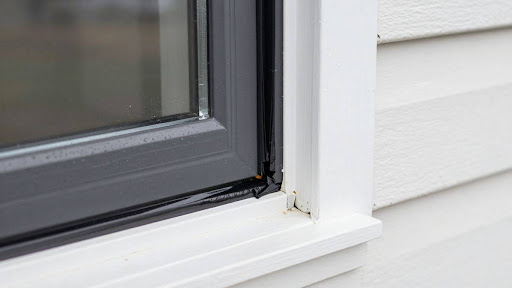
Before you even think about new windows, it’s smart to get a good look at what you’ve got. This part is all about checking out your current windows and doors – what we call the ‘fenestration system’. It’s not just about how they look, but how they’re actually performing, especially when it comes to keeping water out. Jacksonville’s weather can be tough, with heavy rains and salty air, so making sure your windows are up to the task is a big deal.
Evaluating Existing Windows and Doors
This is where we get hands-on. We’ll look at your existing windows and doors, checking for any signs of wear and tear. Think about things like:
- Cracks in the frames or glass.
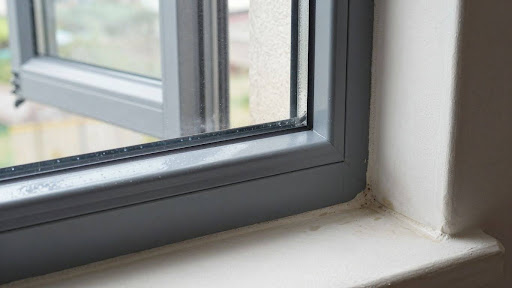
- Signs of water damage around the seals or where the window meets the wall.
- How well the seals and caulking are holding up.
- Any drafts or leaks you might already notice.
We’re basically looking for weak spots that could let water in, especially during those sudden downpours or tropical storms we get here.
Performance Testing for Non-Performance Issues
Sometimes, problems aren’t obvious. That’s where testing comes in. We might use methods like water spray tests, which simulate heavy rain, to see if any water gets through. We also use tools like infrared cameras to spot temperature differences that could indicate air leaks or moisture hidden behind walls. The goal is to find issues before they become major problems.
Developing Maintenance and Repair Programs
Once we know what we’re dealing with, we can figure out the best plan. This might mean:
- Simple repairs, like re-caulking or replacing worn-out seals.
- More involved maintenance to keep things in good shape.
- Or, if things are too far gone, planning for replacement.
Having a clear plan helps you manage costs and keeps your home protected. It’s all about being proactive to avoid bigger headaches down the road, especially with Jacksonville’s climate.
Specialized Testing for Water Intrusion Detection
When you’re dealing with water getting into places it shouldn’t, especially around windows, you need to figure out exactly where and how it’s happening. It’s not always obvious, and sometimes you need special tools and methods to find the real problem. This is where specialized testing comes in handy.
Water Spray and Surface Flow Testing Methods
These tests are designed to mimic real-world conditions. Think of a heavy rainstorm hitting your house. Water spray testing, often done according to standards like ASTM E1105 or AAMA 501.2, involves applying a controlled stream of water to the exterior of the window and surrounding wall. We’re looking to see if any water gets past the seals, the caulking, or the window frame itself. It’s a pretty direct way to check if the window system can handle water. Surface flow testing looks at how water moves over the exterior, making sure it drains away properly and doesn’t pool up against the window.
- Simulates Rain Events: Replicates various rainfall intensities.
- Checks Seal Integrity: Identifies weak points in caulking and seals.
- Evaluates Drainage: Assesses how water moves away from the window.
These tests are vital because they don’t just guess; they actively try to make water intrude under controlled circumstances, showing us exactly where the vulnerabilities lie.
Infrared Thermography for Leak Detection
Infrared thermography, or thermal imaging, is a neat trick. It uses a special camera that can see heat. When water is present behind a wall or inside an assembly, it often changes the temperature of the surface. So, a leak might show up as a cold spot on the infrared camera, even if you can’t see any wetness with your own eyes. This non-invasive method is great for finding hidden moisture that could lead to mold or rot down the line. It’s also useful for checking insulation levels, which can sometimes be affected by water.
Subsurface Investigation and Excavation
Sometimes, the water problem is deeper than just the surface. If we suspect water has gotten into the ground or foundation around the window, we might need to do more digging. This could involve carefully excavating soil or other materials to see if water is seeping into the foundation or basement walls. It’s a more involved process, but it’s necessary when we need to understand the full extent of water intrusion below ground level. This helps us figure out if there are issues with drainage systems or foundation sealing that are contributing to the window leaks.
Choosing the Right Window Materials for Jacksonville’s Climate
When you’re thinking about replacing windows in Jacksonville, especially with all the rain and wind we get, picking the right materials really matters. It’s not just about how they look; it’s about how they hold up against the weather and how well they keep your house comfortable.
Benefits of Vinyl and Aluminum Frames
Vinyl and aluminum frames are popular choices here for good reasons. Vinyl is a solid option because it doesn’t really react to moisture, so you don’t have to worry about it rotting or swelling up like wood can, especially with our humidity. It’s also pretty low maintenance – no painting needed, and it holds up well against the sun’s rays without fading. Aluminum frames, on the other hand, are known for being really strong and giving a more modern look. They hold up well over time and don’t need much upkeep either, which is great for coastal areas where salt air can be tough on some materials.
Energy Efficiency Through Insulated Glass
Beyond the frames, the glass itself plays a big part in keeping your home comfortable and your energy bills down. Look for windows with insulated glass units (IGUs). These typically have two or more panes of glass with a space in between, often filled with a gas like argon. This gap acts as a barrier, slowing down heat transfer. This means less heat gets into your house during our hot summers and less escapes during those rare cooler spells. Many also come with Low-E (low-emissivity) coatings, which are thin, transparent layers that reflect heat. It’s a smart way to make your home more energy efficient without having to crank the AC or heat constantly.
Long-Term Durability in Coastal Environments
Living near the coast means dealing with more than just heat and humidity. We also have to think about salt spray and the occasional strong storm. Both vinyl and aluminum frames offer good durability in these conditions. Vinyl’s resistance to moisture and corrosion makes it a reliable choice, while aluminum’s inherent strength means it can handle wind pressure well. When selecting windows, consider their ratings, like the Design Pressure (DP) rating. A higher DP rating indicates a window’s ability to withstand greater wind pressure, which is a key factor for homes in hurricane-prone areas like Jacksonville.
Choosing window materials that can handle Jacksonville’s climate means looking for strength, resistance to moisture and salt, and good insulation. It’s about finding a balance between protection, comfort, and how much upkeep you’re willing to do over the years.
Wrapping It Up
So, when you’re thinking about replacing windows in Jacksonville, remember it’s more than just picking out a new look for your house. It’s about making sure water stays outside where it belongs, especially with our Florida weather. Getting the right windows, installed the right way, can really make a difference in keeping your home dry and comfortable. Don’t just go with the cheapest option; think about the long run and how good installation protects your home from those sudden downpours or even stronger storms. It’s a smart move for your home’s health and your peace of mind.
Frequently Asked Questions
Why is preventing water from getting into my house through windows so important in Jacksonville?
Jacksonville often has strong storms and hurricanes. When water gets inside your home through windows, it can cause a lot of damage. This includes mold growth, damaged walls and floors, and even problems with your home’s structure. Fixing these issues can be very expensive. Good window installation helps keep water out and protects your home.
What are impact-resistant windows and why do I need them?
Impact-resistant windows are built extra tough to handle strong winds and flying objects during storms. They have special glass and strong frames that are less likely to break. Since Florida is in a hurricane zone, these windows are a great way to protect your home and family from severe weather and stop water from getting in.
How does the way a window is installed affect water intrusion?
Even the best window won’t work well if it’s not put in correctly. Proper installation means making sure the window is perfectly straight and all the gaps around it are sealed tightly with special materials. This creates a strong barrier that stops wind and rain from sneaking in. A good installation is key to keeping your home dry.
What should I look for when choosing new windows for my Jacksonville home?
For Jacksonville, it’s smart to pick windows that are built to last in a coastal climate. Materials like vinyl and aluminum are good choices because they hold up well against salt air and humidity. Also, look for windows with double-paned glass that has special coatings. These help keep your home cool in the summer and can lower your electricity bills.
Are there tests to check if my windows are letting water in?
Yes, there are ways to check. Professionals can use methods like spraying water on the outside of the window to see if any leaks through. They can also use special cameras that see heat differences to find hidden moisture or air leaks. These tests help find problems before they become big issues.
How often should I check my windows and doors for potential water problems?
It’s a good idea to look at your windows and doors at least once a year, especially after a big storm. Check for any cracks in the seals, loose frames, or signs of water damage around them. Doing regular checks and maintenance can help you catch small problems early, saving you from bigger repairs later on.