Thinking about swapping out your old windows in Jacksonville? It’s a big job, and Florida has some pretty specific rules you need to follow. This isn’t just about making your house look better; it’s about making sure it can handle our crazy weather and save you some money on bills. We’re going to break down what you need to know about the Florida Building Code and how it applies to window replacements right here in Jacksonville, FL. It might seem like a lot, but getting it right means your home stays safe and sound.
Key Takeaways
- Florida’s building code requires new windows to be impact-resistant in certain areas and meet energy standards, especially if you’re replacing 25% or more of your home’s windows.
- Choosing the right materials, like vinyl or aluminum, and considering window designs that can handle wind loads, are important for durability and code compliance.
- You’ll likely need a permit for window replacements in Florida; the process involves submitting plans and getting inspections to confirm everything meets code.
- Always look for products with a Florida Product Approval number or Miami-Dade Notice of Acceptance to ensure they meet the state’s strict standards.
- Following these rules not only protects your home from storms and saves energy but also adds value and marketability to your property.
Understanding Florida Building Code For Window Replacements
When you’re thinking about swapping out old windows for new ones here in Jacksonville, there’s more to it than just picking out a style you like. The Florida Building Code (FBC) has some pretty specific rules in place, mostly to keep homes safe and energy bills down, especially with the kind of weather we get.
The Florida 25% Window Rule Explained
This rule is pretty important for homeowners in Florida. Basically, if you’re replacing more than 25% of the windows in your home within a 12-month period, you’re generally required to upgrade all the replaced windows to meet the current Florida Building Code requirements for wind resistance and energy efficiency. This means you can’t just swap out a few old windows with new ones that are only up to code for older standards. It’s designed to bring your home up to a higher safety and efficiency level all at once. If you’re only replacing a few windows, those specific replacements still need to meet the code, but you might not trigger the 25% threshold for a whole-house upgrade.
Material Selection For Durability
Choosing the right material for your windows is a big deal, especially here in Florida. You’ve got options like vinyl, aluminum, and wood, and each has its own strengths. Vinyl is a popular choice because it holds up well and doesn’t need a ton of upkeep. Aluminum is strong and light. Wood looks nice but needs more attention. For Jacksonville, where we deal with salty air near the coast and intense summer storms, materials that resist corrosion and impact are key. Think about how well the material will stand up to salt spray and strong winds before you make a decision.
Window Design And Wind Load Considerations
Beyond just the material, the actual design of the window and how it’s engineered to handle wind pressure matters a lot. The FBC has specific requirements for wind loads, which is the force exerted by wind on a structure. Windows need to be rated to withstand certain wind speeds and gusts without failing. This involves looking at:
- Frame strength: How well the frame can hold the glass and resist bending or breaking under pressure.
- Anchoring: How securely the window unit is fastened to the wall structure.
- Overall structural integrity: The combined performance of the glass, frame, and installation.
Getting windows that are properly designed for wind loads is not just about preventing the window from breaking; it’s about stopping the entire window assembly from being pushed out of the wall, which could lead to serious damage inside your home.
Always look for products with a Florida Product Approval number or Miami-Dade Notice of Acceptance to ensure they meet the state’s strict standards.
Ensuring Product Approval And Professional Installation
Product Approval Requirements For Florida
When you’re looking to replace windows in Jacksonville, it’s not just about picking something that looks nice. Florida has some pretty strict rules, mainly because of hurricane season. The Florida Building Commission has a system to check that building products, like windows, actually meet the code. For impact-resistant windows and doors, which are a big deal here, they need to have a valid Florida Product Approval number or a Miami-Dade Notice of Acceptance (NOA). Manufacturers have to get their products tested by approved labs and then submit all the reports and data to get these approvals. You, as the homeowner, should absolutely ask for and keep copies of these approval documents. They’re important for your permit application and just good to have for your records.
The Role Of Professional Installation
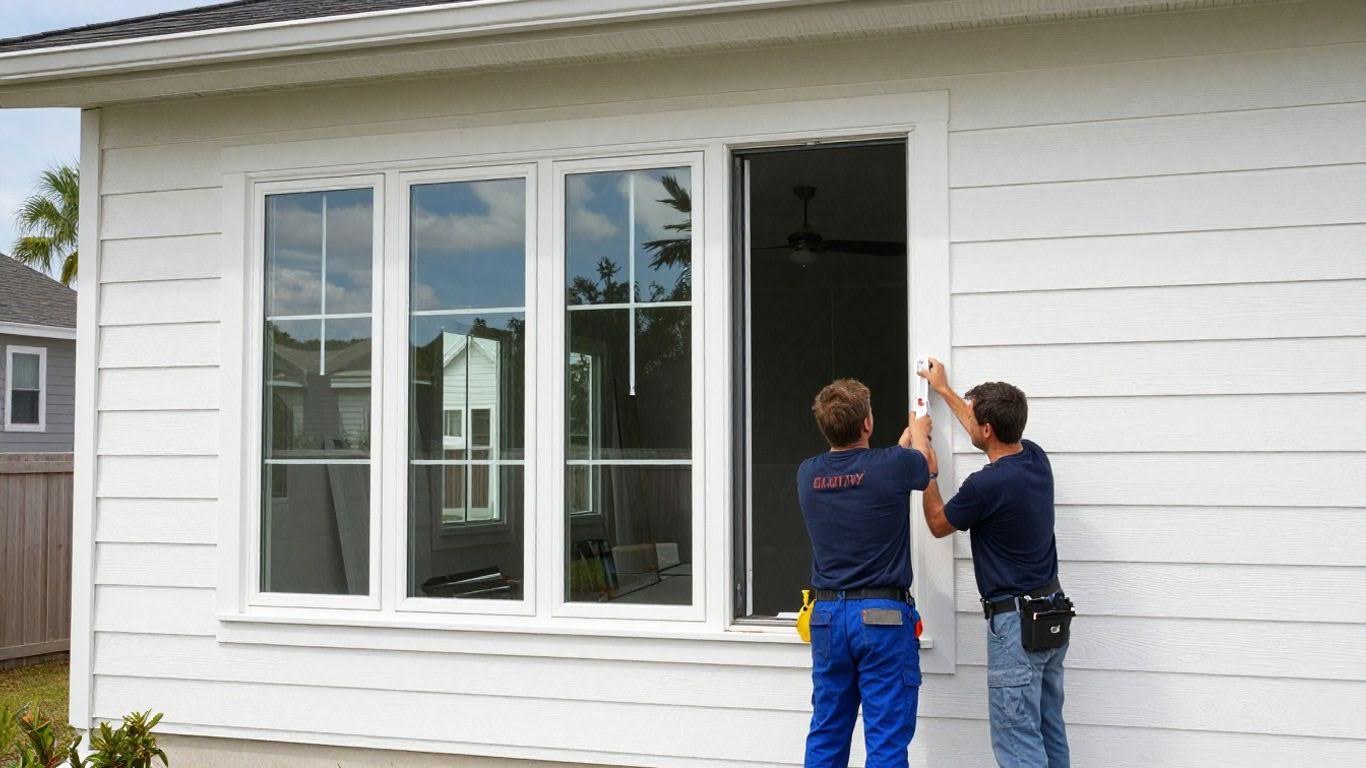
Even if you have the best, code-approved windows, they won’t do much good if they’re not installed correctly. This is where hiring a qualified professional really matters. They know the ins and outs of putting these windows in, so they can actually withstand the forces they’re designed for. A good installer will follow a specific process: taking out the old windows carefully, prepping the openings, making sure the new windows are perfectly aligned and sealed up tight to stop air and water from getting in. They’ll also handle the finishing touches and clean everything up afterward. Getting it done right the first time saves a lot of headaches later on.
Documentation For Future Reference
After the job is all done, don’t just let the installers walk away. There are a few things you should get from them to keep for your records. This includes:
- Copies of the product specification sheets for the windows you got.
- The warranty information for both the windows themselves and the installation work.
- Proof of permit approval and the final inspection sign-off from the city or county.
- Any specific care and maintenance instructions from the manufacturer.
Keeping good records is like having a cheat sheet for your home. It makes future repairs, insurance claims, or even selling your house much smoother. Don’t skip this step!
Here’s a quick look at what you’ll need to gather:
| Item | Description |
| Product Approval Docs | Florida Product Approval numbers or Miami-Dade NOA for all installed windows. |
| Installation Warranty | Details on the warranty provided by the installer for their workmanship. |
| Manufacturer Warranty | Information on the warranty covering the window units themselves (materials, defects, etc.). |
| Permit & Inspection Records | Copies of the approved permit and the final inspection sign-off from the local building department. |
| Maintenance Guide | Manufacturer’s instructions on how to care for and maintain your new windows to keep them in top shape. |
Benefits Of Adhering To Window Code Regulations
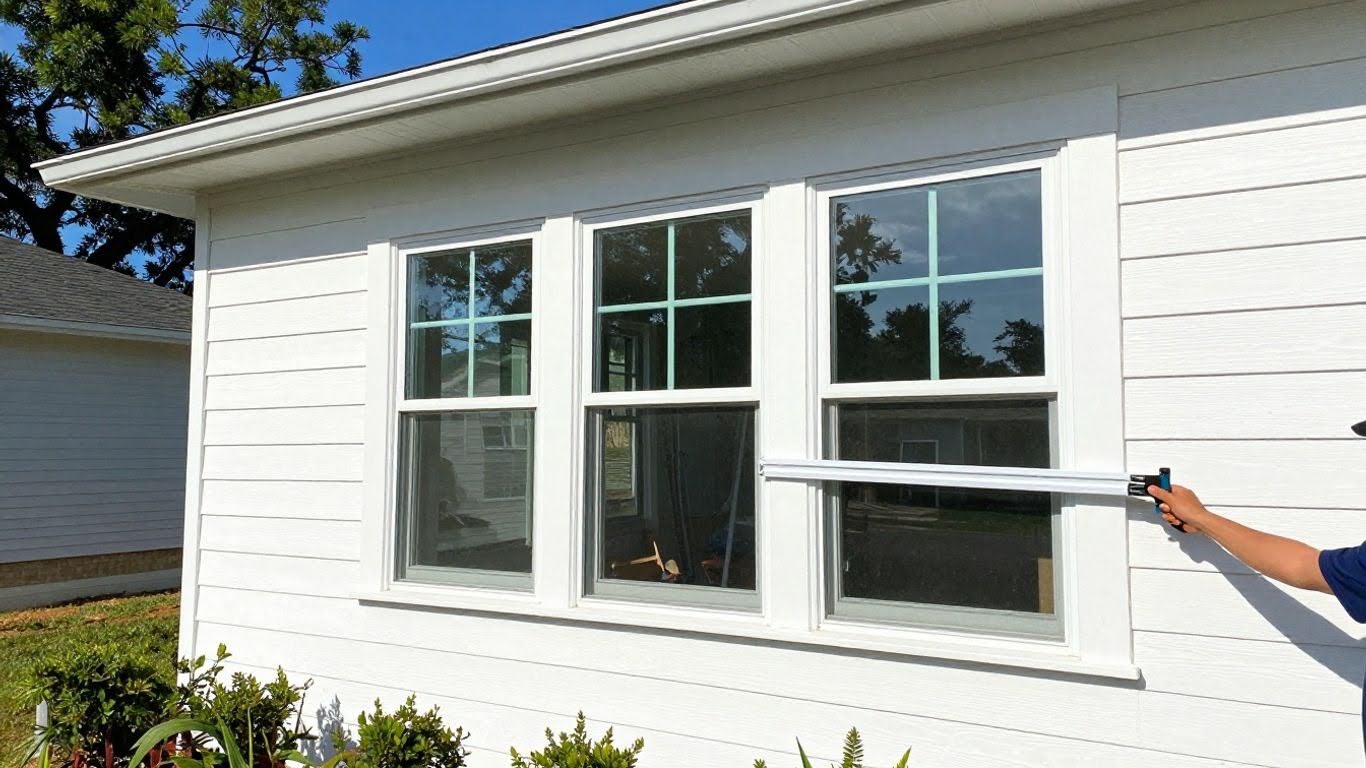
When you hear about window code requirements in Florida, especially in Jacksonville, it’s easy to think of them as just another set of hoops to jump through. Truth is, these codes are there for more than just red tape—they bring real benefits to your home and wallet.
Enhanced Protection Against Storms
Jacksonville gets its fair share of rough weather, hurricanes included. When you follow the code and get approved windows installed, your home gets a much better chance at staying intact during a storm. Here’s why it matters:
- Modern code-compliant windows have to be impact-resistant (that means flying debris is less likely to smash through).
- These windows are tested to withstand strong winds, so they don’t easily give way.
- Better frames and seals help keep the water and wind out even if the weather gets ugly.
So, following the regulations means your house is less likely to face big damage after a storm. That peace of mind is worth a lot.
When storms hit, you want to feel safe inside your home—not worried that a window could give out and turn a bad day into a disaster.
Increased Energy Efficiency And Savings
It gets hot here—really hot—and running the AC all day adds up quick. Code-approved windows help keep your electric bills in check because:
- They block more heat from coming in (thanks to rules about insulation and solar heat gain).
- Seals have to be tight, so less cool air leaks out.
- Glass often comes with coatings or layers that reflect the sun’s rays.
| Type of Window | Average Summer Savings (Annual) |
| Non-code compliant | $0 |
| Code-compliant (basic) | $200-$400 |
| Premium/High-efficiency | $400-$600 |
These numbers are general, but you get the idea—it really can make a big difference.
Reduced Cooling Costs In Summer
Sticking to the code isn’t just about energy efficiency in a technical sense. It also touches your day-to-day life pretty fast. Here’s a quick breakdown:
- Your AC won’t have to run nonstop, so it’ll likely last longer.
- You’ll feel the difference—no more drafts or hot spots by the window on a summer afternoon.
- Less energy used means lower bills month after month.
It might seem like a hassle at first to make sure all your windows tick every box, but it does pay off.
Adhering to window codes doesn’t just keep inspectors happy—it keeps your home safer, your energy costs down, and day-to-day life in Jacksonville just a little more comfortable.
Navigating Permits And Inspections In Florida
So, you’re getting new windows in Jacksonville. That’s exciting! But before you can admire that fresh view, there’s a bit of official business to take care of: permits and inspections. It might not sound like the most fun part of a home project, but honestly, it’s pretty important for making sure everything is done right and your home is protected.
When A Permit Is Required For Window Replacements
Generally, if you’re just swapping out a window for an exact replica, you might be okay. But in Florida, especially with our weather, it’s rare that a simple window replacement doesn’t need some kind of official sign-off. If the job involves changing the size of the opening, messing with the wall structure, or even just replacing windows in certain types of homes like condos or historic buildings, you’ll definitely need a permit. Even standard replacements often require one to make sure the new windows meet the state’s tough standards for wind resistance and energy use. It’s always best to check with your local building department in Jacksonville just to be sure. Better safe than sorry, right?
The Permit Application Process
Okay, so you need a permit. What’s next? It’s not as complicated as it sounds, but it does take some organization. Here’s a general rundown of what you’ll likely need to do:
- Figure out what you need: Your contractor will usually handle this, but you’ll need details about the new windows – like their manufacturer, their impact ratings (super important in Florida!), and any energy efficiency certifications.
- Fill out the forms: The city or county building department will have an application form. You’ll need to provide info about your property, the project scope, and who’s doing the work (your contractor’s license info).
- Submit everything: This usually includes the application, drawings or plans (if needed), and product approval documents for the windows. You can often do this online, by mail, or in person.
- Pay the fees: There’s always a fee involved, which varies based on the project’s size and cost.
- Wait for approval: The building department reviews everything. If it all checks out, they’ll issue your permit.
Getting a permit isn’t just about following rules. It’s a way to make sure your home is safer, especially when storms roll in. It also means your work is documented, which can save you headaches later, like when you sell your house or if you ever need to file an insurance claim.
Skipping inspections is a big no-no
Once you’ve got your permit and the work is underway, the inspection phase begins. This is where a building inspector comes to your property to check that the work is being done according to the approved plans and, most importantly, according to the Florida Building Code. They’ll likely want to see:
- Window installation: Making sure the windows are properly secured and sealed.
- Product verification: Confirming that the windows installed are the ones approved on your permit application (i.e., they meet the impact and wind-load requirements).
- Final sign-off: After all the work is done, a final inspection is usually required. This is the last check to make sure everything is up to code before the permit is officially closed out.
Skipping inspections is like baking a cake and never tasting it to see if it’s actually good. The inspections are your guarantee that the job was done right, protecting your home and your family.
Jacksonville’s Specific Climate And Code Considerations
Living in Jacksonville means dealing with a unique set of weather challenges, and the building codes are designed with this in mind. We’re not just talking about a little rain here and there; we’re talking about serious heat, humidity, and the very real threat of hurricanes.
Regional climate characteristics
Jacksonville experiences a humid subtropical climate. That translates to long, hot, and muggy summers where temperatures frequently climb into the low to mid-90s Fahrenheit. You can also expect frequent afternoon thunderstorms during these months, often bringing heavy downpours and sometimes hail. And, of course, from June 1st to November 30th, we’re in hurricane season. This means we always need to be prepared for strong winds and the potential for storm surge, especially if you live closer to the coast.
Coastal area building code stringency
If you’re near the Atlantic coast or the Intracoastal Waterway, you’ve got more than just nice views to consider. The constant salt in the air can be tough on building materials, particularly metal components in windows, leading to corrosion over time. Because of this, homes in these coastal zones often have stricter building code requirements. This usually means you’ll need windows that are built to handle higher wind loads and are more resistant to flying debris compared to homes located further inland.
Impact resistance and material durability
Given our climate, impact resistance is a really big deal for windows in Jacksonville. The Florida Building Code requires windows in certain areas, especially those prone to high winds or near the coast, to be impact-resistant. These windows are engineered to withstand the force of high winds and the impact of flying debris that often comes with severe storms. They typically feature laminated glass that, even if it cracks, stays in place, preventing dangerous shards from entering your home. It’s not just the glass, though; the frames and the installation method have to meet rigorous standards too. When picking materials, think about how well they’ll hold up against salt spray and intense weather. Vinyl and aluminum are common choices because they generally offer good durability and require less maintenance in our environment.
Choosing windows that meet these specific Jacksonville and Florida code requirements is about more than just compliance; it’s a practical investment in your home’s safety and your peace of mind during storm season.
Key Window Components For Florida Homes
When you’re looking at new windows for your place in Jacksonville, it’s not just about how they look. There are some specific parts that really matter for handling Florida’s weather. Think of these as the building blocks for a window that can stand up to sun, rain, and wind.
Impact resistance standards
This is a big one, especially for us here in Florida. We all know about hurricane season, and windows need to be tough. You’ll see terms like “impact-resistant” or “hurricane-rated.” These windows are built differently, often with special laminated glass that won’t shatter into a million pieces if something hits it. The glass is sandwiched between layers, and if it breaks, it tends to stay put, like a car windshield. This stops wind and rain from blasting into your home, which can cause a lot of damage inside.
- Look for the label: Always check for a sticker or marking that says “impact-resistant” or “hurricane-rated.”
- Understand the rating: Windows have ratings for wind speed and impact. Make sure the rating is appropriate for your specific area in Jacksonville, especially if you’re closer to the coast.
- Product Approval: Confirm the window has a Florida Product Approval number. This means it’s been tested and meets the state’s tough standards.
Frame material choices
The frame is like the window’s skeleton. It needs to be strong and hold up over time. For Florida homes, some materials are better than others.
- Vinyl: This is a really popular choice. It’s affordable, doesn’t need much upkeep, and holds up pretty well against the elements. It’s also a good insulator, which helps with energy bills.
- Aluminum: Strong and durable, aluminum frames can handle a lot. If you’re near the coast, look for frames with a good corrosion-resistant coating to fight off salt spray.
- Wood: While beautiful, wood frames usually need more maintenance in Florida’s humid climate and can be more prone to rot or insect damage if not cared for properly. They’re less common for new, code-compliant replacements in high-wind areas.
Glazing, seals, and hardware
Beyond the frame and the main glass, the smaller details make a difference.
- Glazing: This refers to the glass itself. For impact windows, it’s usually laminated glass. Double-pane windows (two layers of glass with a space in between) are also great for energy efficiency, helping to keep the heat out.
- Seals: Good seals around the glass and where the window meets the frame are super important. They stop water and air from leaking in. In Florida, where we get heavy rain, a tight seal is a must.
- Hardware: The locks, hinges, and other metal parts need to be sturdy. They keep the window securely closed, especially when it’s windy, and should resist corrosion.
Making sure these components are top-notch isn’t just about comfort; it’s about safety and making sure your investment lasts. Don’t hesitate to ask your contractor about the specifics of each part of the window you’re considering.
Wrapping It All Up
So, when it comes to replacing your windows here in Jacksonville, remember it’s more than just picking out something that looks nice. The Florida Building Code has some specific rules, especially that 25% rule that kicks in if you’re replacing a good chunk of your windows. Getting windows that can handle storms and are good for energy efficiency isn’t just about following the law; it actually makes your home safer and can save you money on bills over time.
Once you understand how warranties, codes, and approvals all connect, it becomes much easier to make the right call for your home. See your window options and how the process works. Then book us or contact us for a free estimate.
Frequently Asked Questions
What’s the big deal about the 25% window rule in Florida?
Basically, if you’re replacing more than a quarter of your home’s windows in a year, Florida wants you to upgrade those new windows to meet today’s safety and energy rules. It’s like a nudge to make sure your whole house is up to par for storm protection and saving energy.
Do I really need special hurricane windows for my Jacksonville home?
It depends on where you live, but if you’re near the coast or in an area prone to strong winds, the Florida Building Code likely requires windows that can handle flying stuff during a storm. It’s all about keeping your home and family safer when bad weather hits.
Why are energy-saving windows so important in Florida?
Florida is hot! Energy-efficient windows help block out the heat, keeping your home cooler and more comfy. This means your AC won’t have to work overtime, which can really cut down your electricity bills. Plus, it makes your home feel better all year round.
Will I need a permit to get new windows in Jacksonville?
In most cases, yes, you’ll need a permit. Especially if you’re changing the window size or type, or if you live in certain types of buildings. It’s always best to check with the city’s building department to make sure you’re following the rules.
What does ‘product approval’ mean for Florida windows?
It means the window has been tested and proven to meet Florida’s tough standards for wind and impact resistance. You should look for a Florida Product Approval number on the window or ask your installer for the paperwork. This proves it’s safe and legal for our weather.
How does the salty air near Jacksonville affect my windows?
The salt in the air, especially near the ocean, can make metal parts of windows rust or break down faster. It’s smart to choose window materials like vinyl or specially treated aluminum that can stand up to salty conditions better, so your windows last longer.