Living in Jacksonville, FL means dealing with Florida’s unique weather, and that includes hurricane season. When it comes to your home, the windows play a big role in staying safe and comfortable. Understanding Florida wind zone requirements for window replacement in Jacksonville FL is super important. It’s not just about following rules; it’s about making sure your house can handle strong winds and flying debris. Let’s break down what you need to know about getting new windows that meet these codes, so you can have peace of mind.
Key Takeaways
- Florida law requires all windows to be impact-resistant or have protective shutters, especially in areas prone to high winds and debris.
- Jacksonville isn’t in the strictest High Velocity Hurricane Zone (HVHZ), but wind-borne debris region rules still apply, meaning your windows need to handle specific wind speeds and impacts.
- Impact ratings, like missile tests and design pressures (DP), tell you how well a window can resist debris and wind. Look for Florida Product Approval or Miami-Dade NOA for compliance.
- Beyond hurricane protection, modern impact windows offer better energy efficiency, noise reduction, and security, potentially leading to insurance discounts.
- Always get proper permits and inspections for window replacements, and keep all documentation, including product approvals and receipts, for your records and future needs.
Understanding Florida Wind Zone Requirements for Window Replacement in Jacksonville FL
Florida Building Code Overview
Florida’s weather can be pretty intense, right? We’ve got heat, humidity, and, of course, hurricane season. Because of this, the Florida Building Code (FBC) has some pretty specific rules about how homes are built and, importantly for us, what kind of windows and doors are allowed. It’s not just about keeping the rain out; it’s about making sure our homes can stand up to strong winds and flying debris during a storm. The code divides the state into different areas based on how strong the winds are expected to be and how close you are to the coast. This helps determine what kind of protection your windows need.
Impact-Resistant Window Mandates
Basically, if you live in a part of Florida that’s prone to high winds, the code says your windows and doors need to be able to handle a lot. This usually means they either have to be made of special impact-resistant glass or have shutters that can be put up to protect them. This rule applies to new homes and also to many renovation projects, including replacing your old windows. The goal is to prevent windows from breaking during a storm, which can cause a lot of damage inside your house. When a window breaks, the wind pressure inside your home can increase dramatically, potentially leading to bigger problems like roof damage or even walls collapsing.
High Velocity Hurricane Zones vs. Other Regions
Florida has what are called High Velocity Hurricane Zones (HVHZ). These are the areas with the highest expected wind speeds, like Miami-Dade and Broward counties. They have the strictest rules. Jacksonville and the surrounding Northeast Florida areas, while not technically in the HVHZ, still have significant wind-borne debris protection requirements because of our proximity to the coast and the potential for strong storms. So, even though we might not have the absolute highest wind speed designation, we still need windows that can handle flying debris and strong gusts. It’s all about making sure our homes are safe, no matter where we live in the state.
Key Requirements for Jacksonville Window Replacements
Replacing windows in Jacksonville isn’t just about picking a style you like and hoping for the best—it means paying attention to wind zone requirements, coastal weather dangers, and a set of codes that can feel pretty overwhelming at first. Here’s how local rules break down so you know what to expect before signing any contracts or buying windows:
Wind-Borne Debris Region Designations
Jacksonville sits in a section of Florida that has its own wind-borne debris rules. These designations affect what windows you need:
- Parts of Jacksonville closer to the coast face stricter wind requirements.
- The Florida Building Code (FBC) maps the city into different risk zones, which decide what you’re required to install.
- Even if you’re a few miles inland, wind standards might change because zoning can get oddly specific by address.
| Region Type | Wind Speed Requirement | Protection Needed |
| Coastal (closest to ocean/rivers) | Up to 150 mph | Impact-rated windows or shutters |
| Inland (further from coast) | 120-140 mph | Standard code windows |
Impact Ratings Explained: Missile Tests and Design Pressures
Windows aren’t all created equal, and in Florida, state law gets into the weeds with how much force your windows should handle. Here’s what that means:
- Impact-rated glass is tested with two types of projectiles—large missile (like a 2×4 plank) and small missile (ball bearings or steel balls)
- Design pressure ratings indicate how much sustained wind load a window can handle before something gives
- The higher the rating, the more storm protection you get
Don’t skip the sticker: Product labels and documentation should clearly show which tests a window passed, so always double check before installation.
Florida Product Approval and Miami-Dade NOA
Florida doesn’t make this stuff optional: official certification is required. Here’s how to keep paperwork in line:
- Windows must carry a Florida Product Approval number. This proves the product meets statewide safety standards.
- In high-wind or coastal areas, some cities ask for the more demanding Miami-Dade Notice of Acceptance (NOA), even beyond Miami.
- Building departments in Jacksonville often want to see these certificates before giving you a permit.
Keep every bit of documentation, from approval numbers to contractor licenses and inspection records. These could be important if you sell your home or need to prove compliance for insurance.
If you get confused reading rating stickers, ask your installer for a simple summary. The codes are supposed to protect you, not just add layers of paperwork.
To sum up, Jacksonville window replacement follows a pretty strict set of rules, with wind zone mapping, official product approvals, and impact testing making up most of the checklist. It may sound complicated, but by sticking with certified products and experienced installers, you can be sure you’re covered before the next big storm.
Navigating Local Codes and Regulations
So, you’re looking to replace your windows in Jacksonville, and you’ve heard about all these Florida building codes, especially when it comes to hurricanes. It can feel like a maze, right? But don’t worry, it’s mostly about making sure your home is safe and sound. Think of these rules as guardrails, keeping things on track and preventing headaches down the road.
Verifying Your Specific Location’s Requirements
While the Florida Building Code (FBC) sets the statewide standard, counties and even cities can have their own little twists or stricter interpretations. Jacksonville, being in Florida, definitely falls under the FBC, but it’s always a good idea to double-check if there are any local amendments or specific requirements your particular neighborhood might have. This isn’t usually a big deal, but it’s better to know upfront than to find out later.
The Role of County Building Departments
Your local county building department is your best friend in this process. They’re the ones who issue permits and conduct inspections. They’ll have the most accurate information on what’s required for your specific address, especially concerning wind-borne debris regions and flood zones. They can tell you exactly what kind of window ratings you’ll need to meet code.
- Check Your Zone: Confirm your property’s wind-borne debris region designation. Jacksonville is generally in a High Velocity Hurricane Zone (HVHZ), which has the strictest requirements.
- Product Approval: Make sure any window you choose has the proper Florida Product Approval or Miami-Dade Notice of Acceptance (NOA) that matches the requirements for your zone.
- Flood Elevation: If you’re in a flood-prone area, you’ll also need to consider flood elevation requirements, which can affect window placement and type.
It’s not just about passing an inspection; it’s about building a home that can withstand the elements. Codes are the minimum, and sometimes, going a little beyond can save you a lot of trouble and money later on, especially when it comes to insurance and repairs after a storm.
Permits and Inspection Processes
Getting a permit is usually the first official step. You’ll likely need to submit plans that show the windows you’re installing meet the code. Then, there will be inspections at different stages of the project. This might include an inspection after the old windows are out and before the new ones are fully installed, and then a final inspection once everything is complete. Sticking to the process helps avoid delays and ensures everything is done right.
- Permit Application: Submit all necessary documentation, including product approvals for your windows.
- Rough Opening Inspection: The building inspector checks the openings and the installation method before the windows are permanently sealed.
- Final Inspection: Once the project is finished, the inspector verifies that the installed windows meet all approved specifications and code requirements.
Beyond Hurricane Protection: Additional Benefits
So, you’re looking into replacing your windows in Jacksonville, and the hurricane stuff is obviously a big deal. But here’s the thing – getting windows that meet those tough Florida wind zone requirements does more than just keep the wind and rain out during a storm. You actually get some pretty sweet perks year-round.
Energy Efficiency Through Advanced Glass Technology
Think about your current windows. Are they letting in a ton of heat in the summer? Or maybe you feel a draft even when they’re closed? Impact-resistant windows often come with some pretty neat glass tech that helps with this. We’re talking about things like Low-E coatings, which are basically super thin, invisible layers on the glass. They reflect heat, so in the summer, less of that scorching Florida sun gets into your house. That means your air conditioner doesn’t have to work as hard, and you could see a noticeable drop in your electricity bill. It’s a win-win: more comfortable inside and a little extra cash in your pocket.
Noise Dampening and Security Enhancements
Living in Jacksonville, you probably deal with a fair amount of noise, whether it’s traffic, neighbors, or just the general hustle and bustle. Those thicker, laminated glass panes in impact windows do a surprisingly good job of blocking out a lot of that outside noise. It can make a big difference in how peaceful your home feels. Plus, let’s talk security. That laminated glass is tough. It’s designed to hold together even if it’s hit hard, making it way more difficult for someone to break in compared to regular glass. It’s not just about hurricanes; it’s about feeling safer every single day.
Potential Insurance Discounts
This is a big one for many homeowners. Because impact windows significantly reduce the risk of damage during a hurricane, many insurance companies are willing to offer you a break on your premiums. It’s like they’re saying, “Hey, you’re taking steps to protect your home, so we’ll give you a discount.” The exact amount can vary a lot depending on your insurance provider and your specific policy, but it’s definitely something worth asking about. It can help offset some of the initial cost of the windows over time.
When you’re choosing new windows, it’s easy to get caught up in just meeting the minimum code requirements. But remember, these upgrades often come with everyday advantages that make your home more comfortable, secure, and even cheaper to run. It’s about getting more bang for your buck, not just for storm season, but for the long haul.
When Replacement Becomes Necessary
Sometimes, you just know it’s time. Windows don’t last forever, and Florida’s climate can really speed up their aging process. You might notice a few things that tell you it’s time to start thinking about new windows, especially if you want to keep your home comfortable and safe.
Signs of Aging or Failing Windows
It’s not always a dramatic crack that signals a problem. Often, it’s the little things that add up. Keep an eye out for these common indicators:
- Drafts: Even when closed, if you feel a breeze coming through your windows, it means the seals have failed. This lets conditioned air escape and outside air sneak in, making your AC or heater work harder.
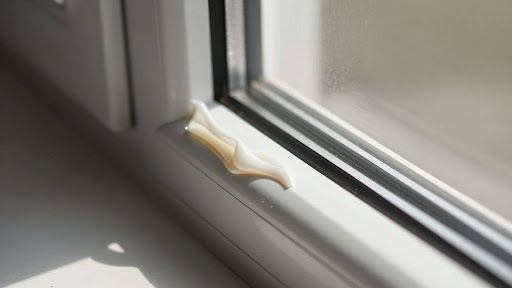
- Condensation Between Panes: That foggy or streaky look you can’t wipe away? That’s moisture trapped between the glass layers. It’s a sure sign the seal has broken, and the window’s insulating ability is shot.
- Visible Damage: Cracks, chips, or warping in the frame are more obvious issues. These compromise the window’s structural integrity and can quickly get worse, especially with strong winds.
- Difficulty Operating: If windows are hard to open or close, it could be due to frame issues or even swelling from moisture damage.
Addressing Condensation and Drafts
Condensation between the glass panes is a big one. It happens when the seal that keeps the dry air between the panes fails. This lets humid Florida air in, causing that foggy appearance and reducing the window’s ability to insulate. Similarly, drafts are a direct result of seal failure or gaps around the frame. These aren’t just minor annoyances; they directly impact your home’s energy efficiency and comfort. Your air conditioner will run more often trying to compensate for the lost cool air, leading to higher electricity bills.
The constant cycle of heat and humidity in Florida puts a lot of stress on window seals. Over time, this can cause them to break down, leading to problems like condensation and drafts. It’s a natural part of a window’s lifespan, but it’s also a clear signal that replacement might be the best option.
Maintaining Structural Integrity
Beyond just the glass, the window frame itself is critical. Wood frames can rot, especially with Florida’s moisture. Vinyl frames can warp or become brittle. If the frame is compromised, the entire window system is weakened. This is especially important to consider when thinking about hurricane season. A damaged frame can’t properly support the glass during high winds or impacts, putting your home at greater risk. If you see signs of rot, warping, or significant wear on the frames, it’s usually a sign that a full replacement is needed, not just a glass swap.
Choosing the Right Window Solutions
So, you’ve figured out you need new windows, and you know they’ve got to be tough enough for Florida’s weather. But where do you even start? It’s not just about picking something that looks nice; it’s about making sure they’ll actually do the job they’re supposed to, especially when a storm rolls in.
Impact Windows vs. Hurricane Shutters
This is a big one for folks here. You’ve got two main ways to protect your home: impact windows or hurricane shutters. Impact windows are built tough, with special laminated glass and strong frames designed to take a beating from wind-borne debris. They stay in place all the time, so you don’t have to do anything when a storm is coming. On the other hand, hurricane shutters are like temporary shields you put up before a storm. They can be made of metal, fabric, or wood. They’re usually cheaper upfront than impact windows, but you have to install them every time there’s a threat, which can be a hassle. Plus, they’re not always as aesthetically pleasing as impact windows when they’re up.
- Impact Windows: Permanent protection, no installation needed before a storm, often look better year-round.
- Hurricane Shutters: Lower initial cost, require manual installation before storms, can be bulky when stored.
- Consider: Your budget, how much effort you’re willing to put in during a storm warning, and how you want your home to look.
Understanding Product Specifications
When you’re looking at windows, you’ll see a bunch of numbers and terms. Don’t let them scare you! The most important things to check are the product approval labels. For Florida, you’ll want to see that the window meets the Florida Building Code requirements for your specific wind zone. This usually means it has passed tests for impact resistance and wind pressure. Look for labels like the Florida Product Approval or a Miami-Dade NOA (Notice of Acceptance). These tell you the window has been tested and approved for use in our state. You’ll also see ratings like DP (Design Pressure) and whether it’s rated for Wind-Borne Debris Region. Higher DP numbers mean the window can handle stronger winds.
The Importance of Qualified Contractors
Honestly, even the best windows won’t do you much good if they’re installed poorly. This is where finding a good contractor really matters. You want someone who knows the Florida Building Code inside and out, especially when it comes to window replacement in hurricane zones. Ask for references, check their licenses and insurance, and make sure they have experience with impact-resistant windows. A good contractor will explain the whole process, give you a clear estimate, and stand behind their work. Don’t be afraid to ask questions and get multiple quotes. It’s a big investment, and you want to make sure it’s done right the first time.
Choosing the right windows and making sure they’re installed correctly is key to protecting your home. It’s about more than just looks; it’s about safety and peace of mind, especially here in Florida. Take your time, do your homework, and don’t cut corners on quality or installation.
Wrapping It Up
So, when it comes to replacing windows in Jacksonville, it’s not just about picking something that looks nice. You’ve got to think about those wind zones and what the Florida Building Code says. Making sure your new windows can handle the wind and any flying debris is super important for keeping your home safe, especially during hurricane season. It might seem like a lot to figure out, but getting the right windows means peace of mind and can even save you money on energy bills. Always check with your local building department or a trusted contractor to make sure you’re getting windows that meet all the requirements for our area.
Frequently Asked Questions
What are wind zones and why do they matter for my windows in Jacksonville?
Wind zones are areas in Florida that are rated based on how strong the winds can get during a hurricane. Jacksonville, like other parts of Florida, has specific wind zone requirements because of the risk of hurricanes. These zones determine the kind of windows you need to install to make sure your home is safe and can withstand strong winds and flying debris.
Do I need special ‘impact-resistant’ windows for my Jacksonville home?
Yes, in most cases, you do. The Florida Building Code requires that windows in areas prone to high winds be either impact-resistant or protected by storm shutters. This is to prevent them from breaking when hit by wind-blown objects during a storm, which can cause a lot of damage to your home.
What’s the difference between a High Velocity Hurricane Zone (HVHZ) and other areas?
High Velocity Hurricane Zones, like Miami-Dade and Broward counties, have the strictest rules because they face the highest risk of strong hurricanes. While Jacksonville isn’t in an HVHZ, it still has its own rules for wind-borne debris protection, especially in areas closer to the coast.
How do I know if the windows I’m buying meet the Florida Building Code?
Look for a Florida Product Approval number or a Miami-Dade Notice of Acceptance (NOA) on the window. These labels mean the window has been tested and approved to meet the state’s tough standards for wind and impact resistance. Your contractor should be able to show you these approvals.
Besides hurricane protection, what other benefits do modern windows offer?
Modern windows can do more than just protect you from storms! They can also help save energy by keeping your home cooler in the summer and warmer in the winter, which lowers your electricity bills. They can also block out noise from outside and make your home more secure.
What happens if my windows are old and showing signs of wear?
If your windows are old, they might not be strong enough to meet current building codes. Signs like condensation between the glass panes, drafts, or frames that look warped mean they might be failing. Replacing them not only makes your home safer during storms but also improves comfort and energy efficiency.