Replacing windows in your Jacksonville home? It’s a big job, and there’s a lot to think about. You’ve probably heard about DP ratings, especially if you’re in Florida. These ratings are super important, particularly when it comes to dealing with our local weather. This article will break down what those numbers mean and why they matter for your home, especially when you’re looking at new windows.
Key Takeaways
- The Design Pressure (DP) rating tells you how much wind and weather a window can handle. Higher DP means a stronger window.
- Jacksonville’s weather, including storms and coastal proximity, means specific DP ratings are needed to meet Florida building codes.
- Impact windows are tested for missile impacts (like a 2×4) and pressure cycles, showing they can withstand debris and wind.
- Upgrading windows with good DP ratings offers better protection from hurricanes, helps save on energy bills, and can even lower insurance costs.
- Choosing the right windows means matching their DP rating to your home’s location and considering frame materials, with professional installation being key.
Understanding Design Pressure Ratings
When you’re looking into new windows for your home in Jacksonville, you’ll hear a lot about ‘Design Pressure’ or DP. It sounds technical, but it’s actually pretty straightforward once you break it down. Think of DP as a window’s toughness rating against wind and other forces during a storm. The higher the DP number, the more pressure the window is built to handle.
What Design Pressure Signifies
Design Pressure is a measurement, usually in pounds per square foot (PSF), that tells you how much wind load a window can take before it starts to fail. This isn’t just about the wind itself; it also accounts for the pressure changes that happen during severe weather, like hurricanes. When wind hits your house, it pushes on the windows (positive pressure), and when it blows over or around them, it can pull outwards (negative pressure). A good DP rating means the window is engineered to withstand both.
How DP Ratings Are Determined
These ratings aren’t just pulled out of thin air. They come from standardized testing procedures, often overseen by organizations like the American Architectural Manufacturers Association (AAMA). Manufacturers submit their window designs for testing, where they’re subjected to specific pressure cycles and simulated wind loads. The results of these tests determine the window’s official DP rating. It’s a way to ensure that windows meet a certain level of performance, especially in areas prone to bad weather.
Here’s a general idea of what different DP ratings might mean:
| DP Rating | Typical Application |
| DP 15-25 | Standard residential use, less severe weather areas |
| DP 30-35 | Inland areas with moderate wind exposure |
| DP 40+ | Coastal areas, high-wind zones, hurricane-prone regions |
The Importance of DP in Storm Conditions
Why does this matter so much for Jacksonville homeowners? Well, our region is no stranger to tropical storms and hurricanes. If a window doesn’t have a high enough DP rating for the conditions it might face, the pressure from strong winds can cause it to crack, break, or even blow out. This isn’t just about replacing a window; a blown-out window can let wind and rain pour into your home, causing significant water damage, structural issues, and making the situation inside much more dangerous. Having the correct DP rating is a key part of protecting your home and everyone inside during a storm.
Choosing windows with the right DP rating is more than just a number on a label; it’s about selecting a product that’s been tested and proven to stand up to the specific weather challenges your home might face. It’s a critical step in ensuring your home’s safety and structural integrity when the weather turns rough.
Jacksonville’s Unique Climate and Building Codes
Regional Weather Patterns and Challenges
Jacksonville, like much of Northeast Florida, deals with a humid subtropical climate. This means hot, sticky summers where the air conditioner works overtime, and frequent afternoon thunderstorms that can bring heavy rain and sometimes hail. But the big one, of course, is hurricane season, running from June all the way through November. We’re not just talking about wind; coastal areas also have to worry about storm surge. And if you live near the Atlantic coast or the Intracoastal Waterway, that salt air is no joke – it can really speed up corrosion on metal window frames and hardware. Homes closer to the coast often face tougher building code rules and need windows built to handle stronger winds.
Navigating Florida’s Building Code
Florida has some of the strictest building codes in the country, and for good reason. The Florida Building Code (FBC) is designed to make sure homes can stand up to the state’s weather. Instead of just general wind zones, the FBC looks at specific factors like how fast the wind can get in your area, how close you are to the coast, and the risk of flying debris. This means that for any window or door opening, you generally have two options:
- Impact-resistant glass: These windows are built tough to withstand high winds and debris impacts.
- Approved impact-rated shutters or panels: These are coverings that you can put up before a storm hits to protect your existing windows.
The exact requirements can change depending on your home’s specific location within the state, especially if you’re in a designated wind-borne debris region.
Coastal Proximity and Wind Load Requirements
Living near the coast in places like Jacksonville Beach, Atlantic Beach, or Ponte Vedra Beach means your home is more exposed to the direct force of hurricanes. The FBC recognizes this. If your house is within a mile of the coast, your windows need to be rated to handle wind speeds of at least 130 mph. If you’re a bit further inland, the requirement might jump to 140 mph or even higher, depending on the specific wind-borne debris region your home falls into. These higher wind load requirements are critical for preventing catastrophic damage during severe weather events. It’s not just about the wind speed; it’s about the sustained pressure those winds exert over time, and how well your windows can resist that force without failing.
Impact Window Performance and Testing
Understanding Missile Impact Ratings
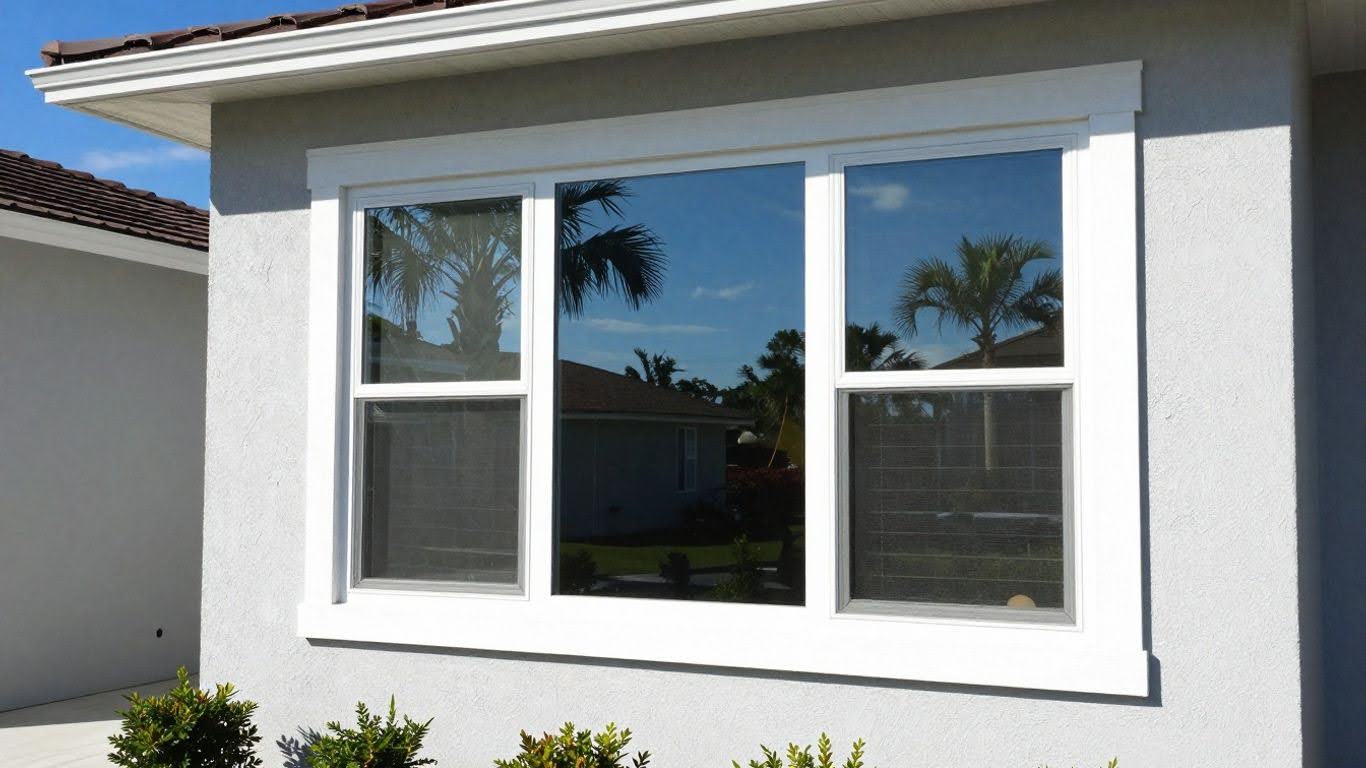
When we talk about impact windows, the first thing that comes to mind is how they handle flying debris during a storm. It’s not just about wind; it’s about what that wind can carry. Impact windows are tested to see how well they can stop projectiles. The most common tests involve simulated debris, like a 2×4 piece of lumber or smaller objects. These tests are designed to mimic real-world hurricane conditions where objects can become dangerous projectiles. The ratings tell you what kind of impact a window can take and still keep the inside of your home protected.
There are different levels of missile impact tests. The most rigorous ones, often required in areas prone to severe hurricanes, involve a larger, heavier object moving at a higher speed. This is to simulate things like tree limbs or pieces of roofing being thrown by strong winds. A window that passes these tests is built to a higher standard of protection.
The Role of Pressure Cycles
Beyond just taking a hit from an object, impact windows also have to deal with the constant push and pull of wind pressure during a storm. This is where pressure cycles come in. Think of it like repeatedly pushing and pulling on something – eventually, it might weaken or break. Impact window testing includes subjecting the window to thousands of these pressure cycles. This simulates the fluctuating wind loads a window experiences during a hurricane, which can be just as damaging as a direct impact if the window isn’t built tough enough.
This part of the testing is really important because it shows how well the window’s seals and frame hold up under sustained stress. A window might stop a projectile but fail if the constant pressure causes it to flex too much or if the seals break down. So, when you see a rating, remember it often covers both the impact resistance and the ability to withstand these pressure changes over time.
What to Look for on Product Labels
When you’re looking at impact windows, you’ll see labels or stickers on the products themselves. These labels are like a window’s report card, giving you key information about its performance. You should be able to find:
- Design Pressure (DP) Rating: This tells you how much wind pressure the window can handle. It’s usually shown as a number, like DP50 or DP60. The higher the number, the stronger the window is against wind pressure.
- Missile Impact Rating: This indicates the type of impact test the window passed. You might see labels referring to “Large Missile” or “Small Missile” tests, often with a letter designation like ‘D’ or ‘C’.
- Florida Product Approval Number: For homes in Florida, especially in hurricane-prone areas, you’ll want to see a Florida Product Approval number. This means the window has been tested and approved for use in the state, meeting specific building code requirements.
Don’t just take the salesperson’s word for it. Always check the product label or ask for documentation that clearly shows these ratings. This information is vital for making sure the windows meet your home’s specific needs and local building codes, especially in a place like Jacksonville where storms can be a serious concern.
Benefits of Upgraded Window Performance
So, you’re thinking about new windows for your place in Jacksonville. It’s a big decision, for sure, but the upside can be pretty significant. We’re not just talking about making your house look a bit nicer; we’re talking about real, tangible improvements that you’ll notice every day.
Enhanced Hurricane Protection
Living in Florida, you know that hurricane season is no joke. Old, weak windows are basically an open invitation for wind and rain to cause trouble. Upgraded windows, especially those with high DP ratings and impact-resistant glass, are built tough. They’re designed to stand up to the kind of pounding that storms can dish out. This means a much safer home for you and your family when the weather gets rough. It’s about peace of mind, knowing your home has a better defense against severe weather.
Improved Energy Efficiency
This is a big one, especially with those Jacksonville summers where the AC is running non-stop. Older windows, particularly single-pane ones or double-pane windows where the seal has failed, let a ton of that expensive cool air escape and the hot outside air sneak in. New, energy-efficient windows use things like Low-E coatings and gas fills between the panes to really cut down on heat transfer. You’ll likely see a noticeable drop in your electricity bill because your AC won’t have to work as hard. It’s a win-win: more comfort inside and less money going out the window, literally.
Increased Home Value and Insurance Savings
Putting in new, high-performance windows isn’t just good for you right now; it’s an investment in your property. Buyers often look for homes that are move-in ready and don’t have immediate repair needs. Windows that offer better protection and energy savings make your home more attractive. Plus, many insurance companies offer discounts for homes equipped with impact-resistant windows. It’s worth checking with your provider, as these savings can add up over time, helping to offset the cost of the windows themselves.
Upgrading your windows is more than just a cosmetic change; it’s a practical step towards a more secure, comfortable, and cost-effective home. The benefits extend beyond immediate comfort, impacting your long-term expenses and the overall appeal of your property.
Selecting the Right Windows for Your Home
Matching Ratings to Your Location
Picking out new windows can feel like a big decision, especially when you start seeing all those numbers and letters on the labels. For us here in Jacksonville, FL, the most important thing to think about is how well those windows can handle our weather. That means looking closely at the Design Pressure (DP) rating and making sure it’s up to snuff for our area. You don’t want windows that are going to buckle under pressure during a strong storm, right? It’s also smart to consider where on your house the windows are going. Windows facing south and west get a lot more sun, so they might need different features, like special coatings to block heat, compared to windows on the north side. Think about your specific house and what it needs.
Considering Frame Materials
When you’re looking at windows, the frame material is a pretty big deal too. It’s not just about how the window looks; it affects how strong it is, how well it insulates, and how much upkeep it needs. Here’s a quick rundown of common options:
- Vinyl: This is a popular choice because it’s usually pretty affordable, doesn’t need much painting, and offers decent insulation. It’s a good all-around option for many homes.
- Aluminum: These frames are strong and slim, which can give you more glass space. However, they can be less insulating than other materials, and sometimes they can get hot to the touch in the Florida sun. Look for ones with a thermal break to help with insulation.
- Wood: Wood windows look beautiful and offer great insulation. The downside is they require more maintenance – regular painting or staining to protect them from moisture and insects. They might not be the best fit if you’re looking for low upkeep.
- Fiberglass: This is a really strong and stable material that doesn’t expand or contract much with temperature changes. It’s a great insulator and can be painted, but it’s often more expensive than vinyl.
The Value of Professional Installation
Honestly, even the best windows in the world won’t perform like they’re supposed to if they aren’t put in correctly. This is where hiring a pro really pays off. A good installer knows how to seal everything up tight, making sure there are no drafts or leaks. They’ll also make sure the windows are properly secured, which is super important for those high winds we can get. Plus, a professional installation usually comes with a warranty, giving you extra peace of mind. It’s worth the investment to get it done right the first time.
Getting the right windows installed properly is more than just a home improvement; it’s about protecting your family and your investment. Don’t cut corners on installation, as it directly impacts the window’s performance, energy savings, and ability to withstand severe weather.
Documentation and Compliance
After all the new windows are in and looking great, there’s a bit more to think about. It’s not just about having the windows; it’s about having the paperwork to prove they’re the right ones for your home, especially here in Jacksonville.
Essential Installation Records
Keeping good records is super important. Think of it like a report card for your windows. You want to have proof that the job was done right and that the windows meet all the necessary standards. This includes:
- Product Specification Sheets: These sheets show the exact model of window installed, its DP rating, and any other performance details. Make sure they match what you agreed on.
- Manufacturer’s Warranty: Keep this safe! It covers defects in the window itself and is separate from the installer’s warranty.
- Contractor’s Invoice and Scope of Work: This details what was done, the cost, and confirms the contractor’s responsibilities.
- Permit and Inspection Approvals: If a permit was pulled (and it should be for window replacements in Florida), you need the final sign-off from the local building department. This shows the work passed inspection.
Proving Code Compliance to Insurers
When you have impact windows, your insurance company might offer you a discount. To get that discount, and to make sure your policy is accurate, you’ll need to show them proof. This is where those installation records come in handy. They’ll want to see that the windows installed meet Florida’s strict building codes for wind resistance. Having the Florida Product Approval numbers or Miami-Dade Notice of Acceptance (NOA) for your specific windows is key here. It’s like showing them the window’s ID card, proving it’s built to handle our weather.
Having all your documentation in order not only helps with insurance but also protects you from potential issues down the road, like fines or problems when you decide to sell your home. It’s a small effort now for big peace of mind later.
Benefits for Future Home Sales
Thinking about selling your house down the line? Those updated windows and the paperwork that comes with them can be a real selling point. Buyers, especially those familiar with Florida’s climate, know the value of impact-resistant windows. Having a folder full of permits, approvals, and warranties shows that you’ve invested in your home’s safety and durability. It can make your home more attractive, potentially leading to a quicker sale and a better price. It’s tangible proof that your home is well-maintained and protected against storms, which is a big deal for anyone buying in the Jacksonville area.
Wrapping It Up
So, when you’re thinking about new windows for your Jacksonville home, don’t just pick the first ones you see. Paying attention to that DP rating is a big deal, especially with Florida’s weather. It’s not just about keeping the wind out, but also about what happens when things start flying around. Getting the right rating means your windows can handle more pressure and keep your home safer. Plus, remember that better windows can also help with those energy bills, which is always a win down here. Talk to a local pro to make sure you’re getting exactly what your house needs for this climate. It’s a smart move for peace of mind and your wallet.
Frequently Asked Questions
What exactly is a Design Pressure (DP) rating for windows?
Think of the Design Pressure (DP) rating as a window’s strength score against wind and storm forces. A higher DP number means the window is tougher and can handle stronger winds and more pressure without breaking or leaking. It’s a key number for knowing how well your windows will stand up in bad weather.
Why are DP ratings so important in Jacksonville, FL?
Jacksonville is in Florida, a state that gets hurricanes. The DP rating tells you how much wind pressure your windows can take. Higher DP ratings are crucial for protecting your home from strong winds and flying objects that storms can bring. It’s like giving your house a stronger shield.
What’s the difference between regular windows and ‘impact’ windows?
Impact windows are built tough, like a superhero’s shield for your home. They have stronger frames and special glass designed to resist breaking from flying debris during storms. Regular windows might shatter easily, letting wind and rain inside, but impact windows are made to take a hit.
How do I know if the windows I’m looking at are good enough for Florida?
Look for a sticker or label on the window. It should show the DP rating and often a ‘missile impact’ rating. For Florida, especially near the coast, you’ll want a high DP rating and a good missile impact rating (like ‘Missile D’ which means it can stop a 2×4 flying at high speed). Always check if the windows meet Florida’s building codes.
Besides storm protection, what other benefits do better windows offer?
Upgrading your windows isn’t just about storms! They can also make your home much more energy-efficient. This means your air conditioner won’t have to work as hard in the summer, saving you money on electricity bills. Plus, they can make your home quieter and more comfortable, and even increase its value.
Do I need special paperwork for my new windows?
Yes, it’s a good idea to keep records! You should have installation papers, proof of permits, and the window’s approval numbers. This paperwork shows that your windows meet building codes, which can help with insurance claims and make your home easier to sell later on. It proves you’ve made smart, safe upgrades.