Living in Jacksonville, FL, means dealing with some pretty intense weather, from scorching summers to the occasional storm. Your windows play a big role in keeping your home comfortable and energy bills down. But when they start to age or get damaged, they can become a real problem. This is where understanding things like thermal break technology comes in handy, especially when you’re thinking about replacing your windows. It’s all about making your home more efficient and comfortable, no matter what Florida throws at it.
Key Takeaways
- Thermal break technology in windows creates a barrier that stops heat from moving through the frame, making your home more energy efficient.
- Upgrading to windows with thermal breaks can lead to noticeable savings on your energy bills in Jacksonville’s climate.
- Beyond saving money, these windows help keep your home at a more consistent temperature, reducing hot and cold spots.
- Look for signs like high energy bills, drafts, or condensation to know when it’s time to consider new windows.
- Modern window materials and technologies, like thermal breaks, offer better protection, less maintenance, and improved comfort for your home.
Understanding Thermal Break Technology
What Constitutes A Thermal Break?
A thermal break in a window is essentially a barrier built into the frame that stops heat from easily moving from the inside to the outside, or vice versa. Think of it like a pause button for temperature transfer. In window frames, especially those made from metal like aluminum, heat can travel pretty quickly. This is because metal is a good conductor. A thermal break interrupts this flow. It’s typically made from a material that doesn’t conduct heat well, like a special type of plastic or composite. This material is placed between the inner and outer parts of the window frame, creating that “break” in the heat’s path.
How Thermal Breaks Enhance Window Performance
So, how does this actually help your windows work better? Well, when you have a thermal break, it significantly reduces the amount of heat that escapes your home in the winter and the amount of heat that enters your home in the summer. This means your heating and cooling systems don’t have to work as hard to keep the temperature just right. This direct reduction in energy transfer is the core reason thermal breaks lead to energy savings. It also helps keep the inside surface of your window frame closer to the room’s temperature, which can stop condensation from forming on cold days.
The Role Of Frame Materials In Thermal Efficiency
The material your window frame is made from plays a big part in how well it insulates. Traditional materials like aluminum are strong and look good, but they’re also great at conducting heat. This is why aluminum frames without a thermal break can feel cold to the touch in winter and hot in summer. Other materials, like vinyl or wood, are naturally better insulators. However, when you combine a material like steel, which is very strong and allows for slim frames and large glass areas, with a well-designed thermal break, you get the best of both worlds: strength, aesthetics, and excellent thermal performance. It’s about finding the right balance for your home’s needs.
Key Benefits Of Thermal Break Windows
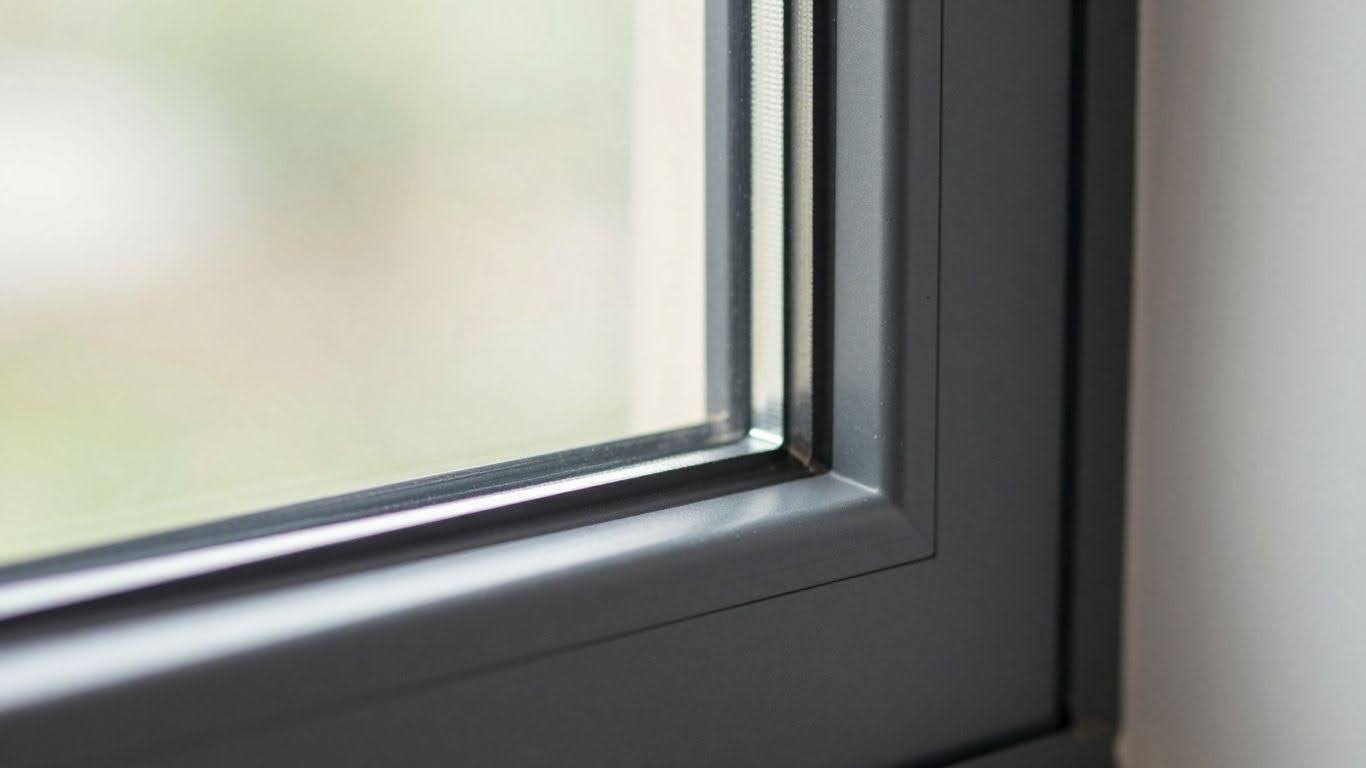
When you’re thinking about new windows for your place in Jacksonville, FL, especially with our hot summers and occasional chilly spells, you’ll want to know what makes a window truly work for you. Thermal break technology is a big deal, and it’s not just some fancy term. It’s about how the window is built to keep the outside out and the inside in, no matter the weather.
Significant Energy Savings For Jacksonville Homes
This is probably the most noticeable benefit for most folks. Old, leaky windows let all that expensive cool air escape in the summer and let the warm air creep in during the winter. Thermal breaks act like a barrier within the window frame itself. They stop heat from traveling through the frame material, which is a common weak spot in older windows. By reducing this heat transfer, your air conditioner doesn’t have to work as hard to keep things cool, and your heater won’t be running non-stop when it gets cooler. This directly translates to lower electricity bills, which is always a good thing, right?
Enhanced Indoor Comfort Year-Round
Beyond just saving money, thermal breaks make your home feel better. You know those spots near your windows where it always feels colder in the winter or warmer in the summer? Thermal breaks help fix that. They create a more consistent temperature across the entire window surface, meaning fewer hot or cold spots in your rooms. This makes your living space more comfortable, whether you’re trying to relax on the couch or get some work done at your desk. It’s about making your home a more pleasant place to be, all year long.
Reduced Condensation And Moisture Issues
Condensation on windows is a common problem, especially here in Florida with our humidity. When warm, moist indoor air hits a cold window surface, water droplets form. This can lead to mold, mildew, and even damage to your window frames and surrounding walls over time. Thermal breaks keep the inner surface of the window frame warmer, making it less likely for condensation to form. This helps keep your home drier and healthier, and it means less cleaning up those annoying water streaks.
Here’s a quick look at how thermal breaks help:
- Less Heat Transfer: The “break” material in the frame stops heat from moving easily from the outside to the inside (or vice versa).
- Stable Interior Temps: This keeps your room temperatures more even, reducing those uncomfortable drafts or heat pockets.
- Moisture Control: Warmer interior frame surfaces mean less condensation, which is great for preventing mold and water damage.
Upgrading to windows with thermal break technology is a smart move for any homeowner in Jacksonville looking to improve their home’s comfort and cut down on energy costs. It’s a simple change that makes a big difference in how your home feels and how much you spend on utilities.
When To Consider Window Replacement
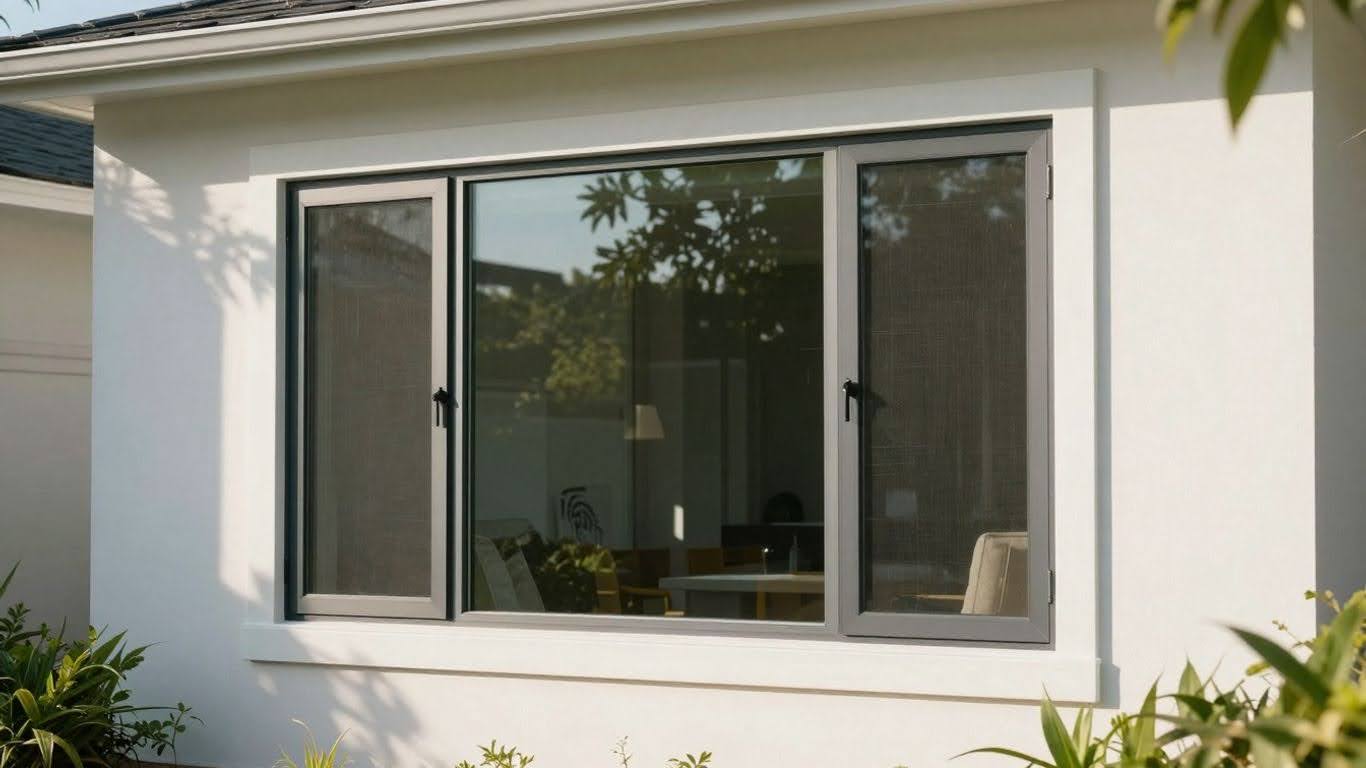
Your windows are more than just portals to the outside world; they’re a key part of your home’s defense against the elements, especially here in Jacksonville with our heat, humidity, and occasional storms. Over time, though, even the best windows start to show their age. If you’re noticing some issues around your house, it might be time to think about swapping out those old panes for something new. Ignoring window problems often leads to bigger, more expensive headaches down the road.
Signs Of Declining Energy Efficiency
This is usually the first thing people notice. If your energy bills seem to be climbing steadily, especially during those hot summer months when the AC is working overtime, your windows could be the main culprit. Old, leaky windows let all that cool air escape and let the hot Florida air seep in. It’s like trying to fill a bucket with a hole in it – your HVAC system just keeps running and running, costing you money.
Here are some common signs:
- Unexplained Spikes in Energy Bills: If your cooling costs are higher than they used to be, and you haven’t changed your habits, check your windows.
- Rooms That Don’t Cool Properly: You might have certain rooms that just never feel as cool as the rest of the house, even with the thermostat set low.
- Feeling Drafts: You can often feel cool air escaping or warm air coming in, especially when you stand close to the windows.
Addressing Drafts And Air Leakage
Drafts aren’t just annoying; they’re a clear sign that your windows aren’t sealing properly. This means conditioned air is escaping your home, and outside air is getting in. It’s not just about comfort; it’s also about wasting energy and money. Sometimes, you can feel these drafts just by holding your hand near the window frame or the edges of the glass. If you notice this happening frequently, it’s a strong indicator that your window seals have failed or the frames themselves are compromised.
Visible Damage And Structural Concerns
Sometimes, the signs are a bit more obvious. Look for:
- Rotting or Warped Frames: Especially with older wood windows, you might see signs of decay or frames that are no longer square.
- Cracked or Broken Glass: Even a small crack can compromise the window’s integrity and lead to further issues.
- Condensation Between Panes: If you see moisture or fogging between the glass panes on double or triple-pane windows, the seal has broken, and the insulating gas has escaped. This significantly reduces the window’s ability to keep your home comfortable and energy-efficient.
When windows start showing these kinds of problems, it’s usually not a simple fix. While minor repairs might be possible for very new windows, older or significantly damaged ones often need a full replacement to restore their performance and protect your home effectively. Think of it as an investment in your home’s comfort and long-term value.
The Advantages Of Modern Window Materials
When you’re thinking about new windows, the material of the frame is a pretty big deal. It’s not just about how they look, though that’s important too. The frame material plays a huge role in how well your windows keep your home comfortable and how much you spend on energy bills, especially here in Jacksonville where it gets pretty hot.
Durability Of Composite And Fiberglass Frames
Forget about frames that warp, crack, or rot. Modern materials like composite and fiberglass are built tough. Composite frames often mix wood fibers with strong polymers, giving you the look of wood but with way better resistance to moisture and sun damage. Fiberglass is another champion – it’s super strong, doesn’t expand or contract much with temperature changes, and holds up really well against fading. These materials are designed to last for years, meaning fewer headaches and repairs down the road. They handle our Florida weather like pros, staying solid and looking good without much fuss.
Low Maintenance Benefits For Homeowners
Let’s be honest, nobody wants to spend their weekends constantly painting or sealing windows. That’s where modern materials shine. Unlike traditional wood frames that need regular upkeep to fight off rot and pests, composite and fiberglass frames are practically maintenance-free. A simple wash with soap and water is usually all they need to keep looking fresh. This means more free time for you and less money spent on upkeep. It’s a big win, especially when you consider how much sun and humidity we get.
Improved Aesthetics And Home Value
New windows can totally change the look of your house, and the frame material contributes a lot to that. Fiberglass and composite frames come in a variety of colors and finishes, so you can match them to your home’s style, whether it’s modern, traditional, or something in between. They offer clean lines and can even allow for larger glass areas, letting in more natural light. Beyond just looking good, installing durable, low-maintenance windows made from these advanced materials can actually boost your home’s overall value. It’s an investment that pays off in comfort, appearance, and resale potential.
Protecting Your Home With Advanced Windows
Beyond just letting in light and views, your windows are a key part of your home’s defense system. They work hard to keep the weather out, whether it’s the intense Florida sun, driving rain, or even just the everyday noise from outside. When you upgrade to modern windows, you’re not just getting a prettier view; you’re adding layers of protection that make your home safer and more comfortable.
Superior Sound Insulation For Peaceful Living
Ever feel like you can hear every car that drives by, or your neighbor’s dog barking, even when you’re inside? Old windows often don’t do a great job of blocking out noise. Newer windows, especially those with multiple panes of glass and special coatings, can really cut down on outside sounds. This means you can enjoy a quieter, more peaceful home environment, which is a big deal when you just want to relax after a long day.
- Reduced noise levels: Modern windows can lower outside noise by 50% or more compared to older, single-pane types.
- Better sleep: Less noise pollution can lead to more restful sleep.
- Improved focus: A quieter home makes it easier to concentrate if you work from home or have kids doing homework.
The difference in sound can be quite noticeable. It’s like turning down the volume on the outside world, creating a more serene atmosphere inside your own four walls.
UV Protection For Interior Furnishings
That bright Jacksonville sun is great, but it can also be tough on your belongings. Over time, the sun’s ultraviolet (UV) rays can fade your furniture, carpets, and even artwork. Think of it like a sunburn for your stuff. Older windows let a lot of these damaging rays pass right through. Modern windows, however, often come with special Low-E coatings that act like sunscreen for your home’s interior, blocking up to 99% of those harmful UV rays while still letting in plenty of natural light.
Hurricane Resistance For Coastal Protection
Living in Jacksonville means dealing with hurricane season. Standard windows can be a weak point during severe storms. Investing in windows designed for hurricane resistance provides a critical layer of protection. These windows are built with stronger frames and impact-resistant glass that can withstand high winds and flying debris, helping to keep your home and family safer when the weather gets rough. It’s a smart move for peace of mind along the coast.
Choosing The Right Window Replacement Partner
So, you’ve decided it’s time to get new windows for your place in Jacksonville. That’s a pretty big step, and honestly, picking the right company to do the job can feel like a whole other project. It’s not just about slapping in some new glass; it’s about making sure you get windows that actually work for your home and our Florida weather.
Expert Assessment Of Your Current Windows
Before anyone starts talking about new windows, they should really take a good look at what you’ve got now. Are your current windows just a little leaky, or are they completely shot? Sometimes, a repair might be all you need, and a good contractor will tell you that. They should be able to spot things like worn-out seals, cracked panes, or frames that are starting to go. It’s like going to the doctor – you want them to figure out what’s really going on before they prescribe a treatment.
Tailored Solutions For Jacksonville’s Climate
Jacksonville has its own set of challenges, right? We’ve got the heat, the humidity, and, of course, hurricane season. Your window company needs to know this stuff. They should be suggesting windows that can handle the sun beating down all summer without letting all that heat inside. And when storm season rolls around, you want windows that can stand up to some serious wind and rain. It’s not a one-size-fits-all situation; what works in Maine probably won’t cut it here.
Financing Options For Your Project
Let’s be real, new windows are an investment. It’s good to know that the company you’re working with has some options to make it easier on your wallet. Maybe they offer payment plans or have partnerships with lenders. Getting a clear picture of the costs upfront and understanding how you can pay for it makes the whole process much less stressful. You don’t want to be surprised by hidden fees later on.
- Get a detailed quote that breaks down all costs.
- Ask about any available warranties on both the windows and the installation.
- Inquire about special offers or seasonal discounts.
Picking the right window replacement partner means finding someone who listens to your needs, knows our local climate inside and out, and makes the financial part straightforward. It’s about feeling confident that you’re making a smart choice for your home’s comfort and your budget.
Wrapping Up: Better Windows for Jacksonville Homes
So, we’ve talked a lot about why new windows, especially those with thermal break tech, are a smart move for folks here in Jacksonville. It’s not just about making your house look nicer, though that’s a plus. We’re really looking at saving money on those energy bills, especially with our hot summers, and making your home feel way more comfortable all year round. Plus, with Florida’s weather, having windows that can handle the heat and potential storms is a big deal. If your current windows are letting in drafts, making your AC work overtime, or just looking plain tired, it’s probably time to think about an upgrade. Getting the right windows can really make a difference in your home’s comfort and your wallet.
Frequently Asked Questions
What exactly is a thermal break in a window?
Think of a thermal break as a barrier inside the window frame. It’s usually made of a material that doesn’t conduct heat well, like special plastic or fiberglass. This barrier stops heat from easily traveling from the outside to the inside, or vice versa, keeping your home more comfortable.
How do thermal breaks help save money on energy bills?
When your windows have thermal breaks, less heat escapes your home in the winter and less heat enters in the summer. This means your heating and cooling systems don’t have to work as hard to keep the temperature just right. Less work for your AC and heater means lower electricity or gas bills for you!
Will thermal break windows make my home more comfortable?
Absolutely! By preventing extreme temperatures from passing through the window frames, thermal breaks help keep the areas near your windows from feeling too hot or too cold. This means fewer drafts and more consistent temperatures throughout your rooms, making your home feel cozier all year round.
Can thermal break windows help with condensation?
Yes, they can! Because the inside surface of the window frame stays warmer with a thermal break, it’s less likely for moisture in the air to form condensation on the glass or frame. This helps prevent those annoying water spots and can reduce the risk of mold or mildew.
Are thermal break windows more expensive than regular windows?
They can sometimes cost a little more upfront because of the extra material and technology involved. However, the energy savings you’ll get over time usually make up for the initial cost. It’s a smart investment for long-term savings and comfort.
What are the signs that my current windows need replacing?
Look out for high energy bills, noticeable drafts or air leaks, condensation between window panes, or windows that are difficult to open or close. Visible damage like cracks, rot, or peeling paint are also clear signs. If your windows are very old, it might be time for an upgrade too.