Living in Jacksonville, FL, means dealing with more than just sunshine. We get our share of storms too, and that means thinking about how to keep our homes and businesses safe. Old windows just don’t cut it when the wind picks up and things start flying. That’s where impact-resistant glass comes in. It’s not just about stopping the wind; it’s about understanding the science that makes these windows so tough and what that means for your property. Let’s break down The Science Behind Impact-Resistant Glass Used in Window Replacement in Jacksonville FL.
Key Takeaways
- Impact-resistant glass, often laminated, is designed to stay in place even when hit, preventing wind and debris from entering your home during storms. This is crucial for maintaining structural integrity.
- Laminated glass uses a strong interlayer between two panes, similar to a car windshield but much thicker, to hold shattered glass together.
- Beyond storm protection, these advanced glass systems offer benefits like noise reduction, improved home security against intruders, and UV protection for your belongings.
- Modern glass technologies like insulated glass units (IGUs) and low-E coatings significantly improve energy efficiency by controlling heat transfer, reducing HVAC costs.
- While not bulletproof, the robust construction of impact-resistant windows can deter break-ins, and proper installation is key to maximizing their energy-saving and protective qualities.
Understanding The Science Behind Impact-Resistant Glass
When we talk about window replacement in Jacksonville, FL, especially for homes needing extra protection, impact-resistant glass is a big deal. It’s not just about having a window that looks good; it’s about how it holds up when things get rough. So, what makes this glass so tough?
The Core Composition of Impact-Resistant Glass
At its heart, impact-resistant glass isn’t just a single piece of super-thick glass. It’s usually a sandwich. Think of it like a really strong club sandwich. You have two layers of glass, and between them is a special interlayer. This interlayer is the real hero. It’s typically made of a strong plastic-like material, often polyvinyl butyral (PVB) or SentryGlass Plus (SGP). This middle layer is what keeps everything together when the glass gets hit.
- Glass Layers: These are usually annealed or heat-strengthened glass. They’re strong, but not as strong as tempered glass on their own.
- Interlayer: This is the key. It’s a tough, flexible film that bonds the two glass layers.
- Bonding Process: The layers are fused together under heat and pressure, creating a single, strong unit.
The main goal is to prevent the glass from shattering into dangerous shards.
How Laminated Glass Prevents Breach
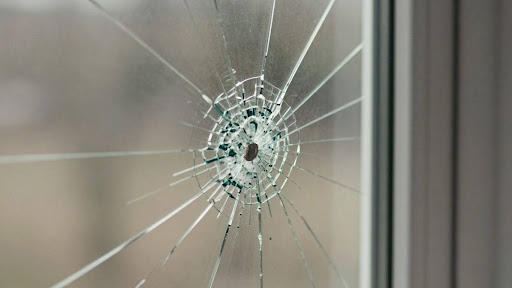
Laminated glass is the go-to for impact resistance. When a storm hits, or something flies at your window, the glass might crack. That’s normal. But because of that interlayer, the glass doesn’t break apart. It stays mostly in one piece, stuck to the interlayer. This is super important for your home’s safety.
If the glass doesn’t break and fall out, wind and rain can’t easily get inside. This helps keep the structural integrity of your house, preventing more serious damage like roof uplift or wall collapse that can happen when wind gets into the building.
This ability to stay intact is what makes laminated glass so effective against high winds and flying debris common in Florida’s weather.
The Role of Interlayers in Glass Strength
The interlayer is where the magic happens. It’s not just a flimsy piece of plastic. This material is designed to absorb energy. When an object strikes the glass, the interlayer stretches and deforms, spreading the impact force over a larger area. This significantly reduces the stress on the glass itself.
Here’s a quick look at how it works:
- Initial Impact: An object hits the outer glass layer.
- Cracking: The outer glass may crack, but it doesn’t break through.
- Energy Absorption: The interlayer stretches and absorbs the impact energy.
- Adhesion: The interlayer holds the cracked glass pieces together, preventing them from flying inward.
This layered approach means that even if the glass surface is damaged, the window unit as a whole remains largely intact, providing a barrier against the elements and potential intruders.
Advanced Glass Technologies for Enhanced Durability
Tempered Glass: A Stronger Alternative
Tempered glass is a type of safety glass that goes through a special heat treatment process. This process makes it much stronger than regular glass, about four to five times stronger, actually. When it does break, it shatters into small, relatively harmless pieces instead of sharp shards. This makes it a good choice for areas where safety is a big concern, like doors or windows that get a lot of use. Think of it like toughening up the glass so it can handle more stress before giving up.
Insulated Glass Units for Climate Control
Insulated Glass Units, or IGUs, are basically windows made of two or more panes of glass separated by a spacer. This space between the panes is usually filled with air or an inert gas like argon. This setup creates a barrier that helps keep the inside temperature steady. In Jacksonville’s warm climate, this means your air conditioning doesn’t have to work as hard to keep things cool, and in cooler weather, it helps retain heat. It’s a pretty smart way to manage your home’s temperature and save on energy bills.
Here’s a quick look at how IGUs work:
- Multiple Panes: Usually two or three layers of glass.
- Spacer: A strip that keeps the glass panes apart.
- Gas Fill: Air or argon gas in the space between panes for insulation.
- Sealed Unit: The whole thing is sealed to prevent moisture from getting in.
Smart Glass and Electrochromic Applications
Smart glass is pretty neat technology that’s becoming more common. It can change its tint or opacity on command, either through a switch, an app, or even automatically based on sunlight. Electrochromic glass is a type of smart glass that uses a small electrical current to change its tint. This means you can control how much light and heat comes into a room without needing blinds or curtains. It’s great for reducing glare and heat gain, which is a big plus in sunny Florida. Plus, it gives a really clean, modern look to any building.
This kind of advanced glazing isn’t just about making windows tougher; it’s about making them work smarter for you. They adapt to the environment and your needs, offering better comfort and efficiency.
Security And Protection Features Of Modern Glass

When we talk about window replacement in Jacksonville, FL, especially for businesses, security is a big deal. It’s not just about keeping the weather out anymore; it’s about keeping unwanted visitors out too. Modern glass technology offers some pretty impressive ways to do just that.
Reinforced Frames for Structural Integrity
Even the strongest glass can be compromised if the frame it’s set in isn’t up to par. That’s why reinforced frames are so important. They work hand-in-hand with the glass to create a solid barrier. Think of it like a strong lock on a sturdy door – both are needed for real security.
- Materials Matter: Frames are often made from strong materials like reinforced vinyl or aluminum, designed to withstand stress.
- Anchoring: Proper anchoring of the frame to the building structure is key. This prevents the whole unit from being easily pried loose.
- Integration: The frame and glass are designed to work together, often with special locking mechanisms that make forced entry much harder.
Ballistic Resistance and Intruder Deterrence
This is where things get really interesting. For businesses in areas where security is a top concern, ballistic-resistant glass is an option. It’s designed to stop bullets, but it also does a fantastic job of deterring smash-and-grab thieves. The idea is to make breaking in so difficult and time-consuming that criminals just move on to an easier target.
Laminated glass, which we’ve talked about, plays a huge role here. It’s made of multiple layers of glass with a strong plastic interlayer in between. When it’s hit, it might crack, but it usually stays in one piece, holding together like a spiderweb. This makes it incredibly hard to smash through quickly.
The primary goal of these advanced glass systems is to create a significant physical and psychological barrier. For potential intruders, the effort and noise required to breach such a window can be a major deterrent, often leading them to abandon their attempt before it even begins.
Fire-Rated Glass for Safety Compliance
Beyond security from intruders, modern glass also offers protection in case of fire. Fire-rated glass is specially engineered to resist fire and smoke for a specific period. This doesn’t just help contain a fire, giving people more time to escape, but it also helps protect the building’s structure and contents.
- Containment: It acts as a barrier, slowing the spread of flames and heat.
- Visibility: Unlike solid firewalls, fire-rated glass allows visibility, which can be important for emergency exits and for monitoring situations.
- Compliance: Many building codes require fire-rated glass in certain areas, especially in commercial buildings, to meet safety standards.
Energy Efficiency Benefits Of Advanced Glazing
Low-E Coatings for Heat and UV Blocking
Think of Low-E coatings as a special, almost invisible shield on your glass. These aren’t just tints that make things darker; they’re advanced treatments, often a thin layer of metal oxides, applied to the glass surface. Their main job is to reflect a lot of the sun’s heat and harmful UV rays away from your home. This means less heat gets in during those hot Jacksonville summers, keeping your house cooler naturally. It’s like giving your windows sunglasses, but way more effective. Plus, by blocking those UV rays, they help prevent your furniture, carpets, and artwork from fading over time. Unlike simple tints, Low-E coatings usually don’t change the color of your view, so you still get all that nice natural light without the unwanted heat.
Reducing HVAC Load with Insulated Glass
Insulated Glass Units, or IGUs, are a big deal for keeping your home comfortable and your energy bills down. They’re made by sealing two or more panes of glass together with a space in between. This space is often filled with air or an inert gas like argon, which acts as an extra layer of insulation. This trapped air or gas significantly slows down heat transfer. So, in the summer, it keeps the hot air outside from coming in, and in the winter, it helps keep the warm air inside from escaping. This means your air conditioner and heater don’t have to work as hard to maintain a steady temperature. Less work for your HVAC system translates directly into lower energy consumption and cost savings.
Installation’s Impact on Energy Performance
Even the best windows won’t perform optimally if they aren’t installed correctly. Proper installation is key to maximizing energy efficiency. When impact-resistant windows are installed, the seal around the frame needs to be completely airtight. This prevents drafts and uncontrolled air leakage, which is a major energy drain. Think about it: if warm or cool air can easily escape or enter your home around the window frame, your HVAC system has to constantly run to compensate. A tight, weather-sealed installation means the window does its job effectively, maintaining your home’s temperature and reducing the strain on your heating and cooling equipment. It’s a simple step that makes a huge difference in overall home comfort and energy bills.
Aesthetic And Functional Enhancements
When you’re thinking about replacing your windows, it’s not just about protection and energy savings, though those are super important. You also want your home to look good, right? And windows do a lot for how a place feels and works day-to-day. Luckily, modern impact-resistant glass options give you a ton of freedom to make your windows look exactly how you want them, while also making them work better for you.
Custom Tinting and Frosted Glass Options
Want to add a bit of flair or privacy? Custom tinting is a great way to go. You can get tints in various colors, like a subtle gray or a warm bronze. These tints don’t just change the look; they also help cut down on the sun’s glare and heat coming into your home. This means your furniture and decor are less likely to fade over time from harsh UV rays. If you’re looking for more privacy, frosted glass is another fantastic option. It lets in natural light while obscuring the view from the outside, perfect for bathrooms or entryways. The ability to customize the look and feel of your windows significantly impacts your home’s overall curb appeal and interior ambiance.
Frameless Systems for Modern Aesthetics
For a really clean, contemporary look, frameless glass systems are becoming super popular. These systems minimize the amount of frame material you see, making the glass itself the star of the show. This creates a more open feel and allows natural light to flood your living spaces. They’re especially striking in areas where you want to maximize views, like overlooking a beautiful Jacksonville landscape. The sleek design can really update the look of older homes.
Sliding and Folding Glass Walls for Flexibility
Beyond just windows, think about how your doors and larger glass openings function. Sliding glass walls, for instance, are a brilliant way to connect your indoor and outdoor living areas. They glide smoothly and take up minimal space when open, making it easy to entertain or just enjoy a nice breeze. Folding glass walls take this flexibility a step further, allowing you to open up an entire wall of your home. This creates a truly expansive feel, perfect for those beautiful Florida days when you want to bring the outside in. It’s amazing how much more usable space you can create with these types of openings.
Choosing the right aesthetic and functional enhancements for your impact-resistant windows means balancing style with practicality. It’s about creating a home that not only stays safe and energy-efficient but also looks and feels exactly how you want it to.
Sustainable Choices In Window Replacement
When you’re thinking about new windows, especially here in Jacksonville, FL, it’s not just about keeping the wind and rain out. More and more people are looking at how their choices impact the planet, and that’s a good thing. Luckily, there are some really solid options out there that are better for the environment without sacrificing strength or looks.
Recycled Glass Materials
It might surprise you, but a good chunk of new glass actually comes from old glass. This process uses less energy than making glass from scratch. Think about it: instead of mining raw materials and melting them down at super high temperatures, you’re reusing what’s already there. This cuts down on waste going to landfills and uses less power overall. It’s a win-win, really. Plus, the quality is just as good as virgin glass, so you’re not missing out on anything.
Low-Emissivity Glass for Eco-Friendly Buildings
This is where things get a bit technical, but it’s pretty neat. Low-E coatings are super thin layers applied to the glass. They’re designed to reflect heat. In the summer, they bounce solar heat away from your house, keeping it cooler inside. In the winter, they reflect your home’s heat back inside, so you don’t lose as much warmth. This means your air conditioner and heater don’t have to work as hard, saving you money on energy bills and reducing your home’s carbon footprint. It’s like giving your windows a smart, invisible shield.
LEED Certification and Green Building Practices
If you’re really serious about building green, you might have heard of LEED. It stands for Leadership in Energy and Environmental Design, and it’s a way to score buildings on how eco-friendly they are. Choosing windows that use recycled materials, have good energy ratings (like those with Low-E coatings), and are installed properly can all contribute to a higher LEED score. It’s a recognized standard that shows your home is built with sustainability in mind. It’s not just about the windows themselves, but how they fit into the bigger picture of green construction.
Here’s a quick look at some factors that contribute to eco-friendly window choices:
- Material Sourcing: Prioritizing manufacturers who use recycled content in their glass and frames.
- Energy Performance: Selecting windows with low U-factors and Solar Heat Gain Coefficients (SHGC) to minimize energy transfer.
- Durability and Longevity: Investing in high-quality, impact-resistant windows means they’ll last longer, reducing the need for frequent replacements and the associated waste.
- Local Manufacturing: If possible, choosing products made closer to home can reduce transportation emissions.
Making sustainable choices for your window replacement doesn’t mean you have to compromise on protection or style. Modern impact-resistant windows offer a range of environmentally conscious options that benefit both your home and the planet. It’s about making informed decisions that align with a greener future.
Wrapping It Up
So, when you’re thinking about window replacement in Jacksonville, FL, it’s clear that going with impact-resistant glass is a really smart move. It’s not just about surviving the next big storm, though that’s a huge part of it. These windows offer a lot more, like better energy savings that can actually lower your power bills, and they can even help keep the noise from outside to a minimum. Plus, with all the different styles and options available now, you can get windows that look great and boost your home’s curb appeal. It’s an investment that pays off in safety, comfort, and even potentially your home’s value down the road.
Frequently Asked Questions
What makes glass “impact-resistant”?
Impact-resistant glass is built differently than regular glass. It’s usually made with a strong plastic layer, like a super-tough glue, sandwiched between two pieces of glass. This makes it much harder to break or shatter, so even if something hits it hard, it’s less likely to fly into pieces and let wind and rain inside.
Are impact windows completely unbreakable?
No, they aren’t totally unbreakable. They are designed to be ‘impact-resistant,’ meaning they can handle strong hits without breaking apart. The glass might crack, but it will stay in place, keeping your home safe from storms. Think of it like a car windshield – it can crack but still hold together.
Do impact windows help with energy bills?
Yes, they can! Many impact windows have special coatings and double or triple panes with gas in between. This helps keep the heat outside in the summer and inside in the winter, so your air conditioner or heater doesn’t have to work as hard. This can save you money on your energy costs.
Are impact windows required in Florida?
While not every single house needs them everywhere in Florida, they are often required in areas close to the coast or places that get really strong winds during hurricanes. The Florida Building Code has rules about protecting windows, and impact-resistant windows are a great way to meet those rules.
Can impact windows stop bullets?
Impact windows are made to resist flying debris from storms, not bullets. While their strong build might stop some smaller projectiles, they are not designed or tested to be bulletproof. Their main job is storm protection and keeping your home secure from wind and rain.
What’s the difference between laminated and tempered glass in impact windows?
Laminated glass is the key player for impact resistance; it has that strong plastic layer that holds it together. Tempered glass is also very strong and breaks into small, safe pieces, but for storm protection, laminated is the one that keeps the window from blowing out. Often, impact windows use laminated glass, and sometimes tempered glass is used in combination.