Living in Jacksonville, FL, means dealing with a lot of sounds. From the traffic on I-95 to the general hustle and bustle of a growing city, sometimes you just want some peace and quiet at home. Old, drafty windows can let in a surprising amount of noise. But guess what? There are some pretty neat ways to upgrade your windows to block out that racket. We’re talking about Soundproofing Innovations in Window Replacement in Jacksonville FL, and it’s not as complicated as it sounds. Let’s look at how new windows can make your home a lot more serene.
Key Takeaways
- New window technologies, like laminated glass and multi-pane designs, are great for blocking outside noise. These aren’t just for storm protection anymore.
- Impact-resistant glass, often used for hurricanes, also happens to be good at muffling sounds from cars and neighbors.
- Advanced sealing around window frames is just as important as the glass itself for keeping noise out.
- Window retrofitting can add a second layer of glass to your existing windows, improving sound insulation without a full replacement.
- When choosing new windows, think about how much noise you want to block and how that fits with energy efficiency and your budget.
Innovative Soundproofing Solutions for Jacksonville Homes
Living in a vibrant city like Jacksonville means embracing its energy, but sometimes that energy comes with a bit too much noise. When the sounds of traffic, neighbors, or even just the general city hum start to intrude on your peace, it’s time to think about how your windows are letting all that racket in. Window replacement isn’t just about looks or energy savings anymore; it’s a powerful way to reclaim your home’s tranquility.
Understanding Sound Transmission Through Windows
Sound travels like a wave, and windows, especially older or less robust ones, can act like a thin barrier that waves just pass right through. Think of it like a drum skin – a light tap makes it vibrate and produce sound. Your windows do something similar with outside noise. The way sound gets through is a mix of vibrations passing through the glass itself and air leaks around the frame. The harder and more solid the window material, the more it can vibrate and transmit sound. Plus, any tiny gap or crack is like an open door for noise.
Here’s a breakdown of how sound gets in:
- Direct Transmission: Sound waves hit the glass and cause it to vibrate. These vibrations then travel through the glass and radiate into your room.
- Air Leaks: Gaps between the window frame and the wall, or even poorly sealed window panes, allow sound waves to pass through as easily as air.
- Resonance: Certain frequencies of sound can cause the glass to vibrate more easily, making those specific noises much more noticeable.
The Role of Glass Technology in Noise Reduction
Glass itself has come a long way in the battle against noise. It’s not just about making it thicker, though that helps. Modern window technology uses clever ways to disrupt sound waves before they can reach your ears. We’re talking about specialized glass compositions and structures that are designed to absorb or block sound energy.
- Laminated Glass: This is a game-changer. It’s made of two or more panes of glass with a layer of plastic (like PVB) sandwiched in between. When sound waves hit it, the plastic layer absorbs a lot of the vibration, significantly reducing how much sound gets through. It’s like putting a dampener on the glass.
- Multi-Pane Systems: Windows with two or even three panes of glass, separated by a gap filled with air or an inert gas like argon, create multiple barriers. Each pane and the space between them slows down sound waves, making it harder for them to travel from the outside to the inside.
- Glass Thickness: While not the only factor, using thicker glass in one or more panes can also help by making the glass itself more resistant to vibration.
The effectiveness of a window in blocking sound is often measured by its Sound Transmission Class (STC) rating. A higher STC number means the window is better at blocking noise. When looking at replacement options, paying attention to this rating can give you a clearer picture of how quiet your home will become.
Advanced Sealing Techniques for Quieter Interiors
Even the best glass can’t do its job if sound can sneak in around the edges. That’s where advanced sealing comes in. Think of it as sealing up all the little escape routes for noise. This involves more than just a quick bead of caulk; it’s about creating a robust, airtight seal that also dampens vibrations.
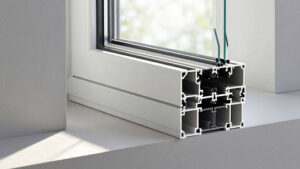
- High-Performance Frames: Modern window frames are designed to work with the glass and seals to create a unified sound barrier. Materials like reinforced vinyl or fiberglass offer better structural integrity and less vibration transfer than older aluminum or wood frames.
- Specialized Sealants: Instead of standard caulk, acoustic sealants are used. These are designed to remain flexible and maintain their seal over time, preventing air and sound leaks. They also have properties that help absorb sound vibrations.
- Interlocking Systems: Some window designs feature interlocking components that create a tighter seal when the window is closed, minimizing gaps and maximizing the sound-blocking effect. Proper installation is key here, making sure every part fits snugly.
Exploring Window Replacement Options for Noise Control
When the usual neighborhood sounds start to get a bit much, or maybe a new highway popped up nearby, replacing your windows can really make a difference. It’s not just about looks; new windows can seriously cut down on the noise that bothers you. We’re talking about windows designed with sound in mind, not just for keeping the weather out.
Impact-Resistant Glass for Enhanced Sound Dampening
Think of impact-resistant glass. It’s built tough, mostly to handle storms, but that strength comes with a bonus: it’s pretty good at blocking noise too. Because it’s thicker and often made with special layers, it doesn’t vibrate as much when sound waves hit it. This means less noise gets through into your home. It’s a practical choice that offers protection from both the elements and unwanted sounds.
Laminated Glass: A Superior Sound Barrier
Now, laminated glass is a whole other level for soundproofing. It’s basically two pieces of glass with a strong plastic layer stuck between them. This sandwich construction is fantastic at stopping sound waves in their tracks. The plastic layer absorbs the sound energy, so what reaches your ears inside is much quieter. It’s a top pick if noise is a big problem for you.
Multi-Pane Windows with Insulating Air Gaps
Another smart way to quiet things down is with multi-pane windows. These usually have two or even three panes of glass. What’s key is the space between them, which is often filled with air or a special gas. This gap acts like a buffer. Sound waves have to travel through the glass, then the air or gas, and then another piece of glass. This journey really slows down the sound, making your home a lot more peaceful.
Here’s a quick look at how different glass types stack up for sound:
| Glass Type | Sound Reduction Potential | Notes |
| Standard Single Pane | Low | Basic protection, lets most noise through. |
| Impact-Resistant | Moderate | Stronger glass, better vibration dampening. |
| Laminated | High | Plastic interlayer absorbs sound waves. |
| Double/Triple Pane | Moderate to High | Air/gas gap slows sound transmission. |
When you’re looking at new windows for noise control, remember that the whole window unit matters – not just the glass. The frame and how well it seals are just as important for keeping sound out. A poorly sealed window, no matter how good the glass, will still let noise sneak in.
Choosing the right type of glass is a big step towards a quieter home. It’s about finding that balance between keeping the noise out and still having windows that look good and work well.
Beyond Traditional Replacement: Retrofit Innovations
Sometimes, you don’t need to rip out the whole window to get better soundproofing. If your existing window frames are still in decent shape, you might be able to just swap out the glass or add a second layer. This approach can be a lot less work and mess than a full replacement, and it can save you some cash too.
The Benefits of Window Retrofitting for Sound Insulation
Retrofitting means adding to what’s already there. For soundproofing, this often involves adding a second pane of glass to your existing window. This creates an extra barrier for sound waves to travel through, really cutting down on noise coming into your home. It’s a smart way to get those quiet interiors we’ve been talking about without the hassle of a complete overhaul.
- Quieter Living Space: The primary benefit is a significant reduction in outside noise. Think less traffic hum, fewer barking dogs, and more peace.
- Cost-Effective: Generally, retrofitting is cheaper than full window replacement because you’re not paying for new frames and the labor involved in removing the old ones.
- Minimal Disruption: Since you’re not tearing out frames, the process is much cleaner and faster. Less dust, less mess, and less time your home is in a state of construction.
- Improved Energy Efficiency: Adding a second pane, especially with an air gap, also boosts your home’s insulation, helping with heating and cooling costs.
How Retrofit Systems Enhance Existing Windows
Think of it like adding a second skin to your window. A common retrofit method involves installing a new glass panel on the inside of your existing window. This creates a sealed air space between the old and new glass. This air gap is key – it acts as an insulator, not just for temperature, but for sound too. The sound waves have to pass through the first pane, then the air gap, and then the second pane, which really weakens them.
Some advanced systems even use special seals and materials to further block sound. It’s not just about slapping on another piece of glass; it’s a designed system to improve your window’s performance.
Minimizing Disruption with Advanced Retrofit Processes
One of the best parts about these newer retrofit methods is how little they mess up your daily life. Unlike a full replacement that can take days and leave debris everywhere, retrofitting is often done in a single day. The new glass is typically installed from the inside, meaning less impact on your landscaping or exterior.
The process is designed to be as unobtrusive as possible. Imagine getting the benefits of new, sound-dampening windows without the typical construction chaos. It’s about smart upgrades that fit into your life, not turn it upside down.
This method avoids major demolition. You’re not dealing with dust, debris, and the noise of tearing out old frames. It’s a cleaner, quicker way to get a quieter, more comfortable home right here in Jacksonville.
Specialized Glass Features for Sound and Comfort
Tinted and Privacy Glass for Glare and Noise Control
Beyond just blocking noise, certain glass types can also help manage light and privacy, making your home more comfortable. Tinted glass works a bit like sunglasses for your house. It filters out some of the sun’s rays, which can cut down on glare, especially on those bright Jacksonville afternoons. This also means less solar heat gets in, keeping your rooms cooler and protecting your furniture from fading over time. Privacy glass, on the other hand, is all about keeping prying eyes out while still letting natural light stream in. Think frosted or textured glass for bathrooms or bedrooms where you want a bit more seclusion.
Smart Glass Technology for Customizable Environments
Now, this is where things get really interesting. Smart glass, sometimes called switchable glass, lets you control how transparent your windows are. With a simple switch or even a tap on your phone, you can change the glass from clear to opaque, or somewhere in between. This gives you instant control over privacy and glare without needing blinds or curtains. It’s pretty neat for rooms that get a lot of sun or if you just want to create a different mood.
Tempered Glass: Safety Meets Sound Reduction
Tempered glass is primarily known for its safety features. It’s treated to be much stronger than regular glass, and if it does break, it shatters into small, dull pieces instead of sharp shards. This makes it a great choice for windows, especially in areas where safety is a big concern. While its main job isn’t soundproofing, the added strength and density of tempered glass can contribute a little to muffling outside noise compared to standard glass. It’s a good option when you’re looking for a blend of safety and some noise reduction.
Choosing the Right Window for Your Jacksonville Property
So, you’re looking to upgrade your windows here in Jacksonville, and you’re thinking about soundproofing. That’s a smart move, especially with all the city buzz. Picking the right window isn’t just about looks; it’s about making your home a more peaceful place. Let’s break down how to pick the best option for your situation.
Assessing Your Noise Reduction Needs
First off, figure out just how much noise you’re dealing with. Is it the constant hum of traffic, loud neighbors, or maybe the occasional airplane overhead? Knowing your main noise sources helps you choose the right kind of glass and window construction. For example, if it’s low-frequency rumble from traffic, you’ll want something different than if it’s high-pitched chatter from a nearby park.
Here are some common noise issues and what to consider:
- Traffic Noise: Look for windows with laminated glass and multiple panes. The thicker the glass and the wider the air gap between panes, the better it will block these sounds.
- Neighbor Noise: Similar to traffic, laminated glass is a good bet. Also, consider windows with better sealing around the frame, as sound can sneak in through gaps.
- Aircraft Noise: This often requires a combination of thick glass, laminated glass, and a substantial air gap. Some specialized acoustic glass options might even be worth looking into.
- General City Hum: A good quality multi-pane window with decent sealing can make a big difference here.
Don’t underestimate the impact of window installation. Even the best soundproof window won’t perform well if it’s not installed correctly. Gaps around the frame are like open doors for sound.
The Advantages of Professional Installation
When it comes to windows, especially ones designed for soundproofing, installation really matters. A sloppy job can let in all sorts of noise, no matter how good the window itself is. Professionals know how to seal everything up tight, making sure there are no little cracks or gaps for sound to travel through. They also have the right tools and techniques to handle heavier, more specialized glass without damaging it.
Think about it like this:
- Proper Sealing: Installers ensure the window frame is perfectly sealed to the house structure, preventing air and sound leaks.
- Structural Integrity: They can properly support the weight of heavier glass and ensure the window unit is secure.
- Warranty Protection: Most manufacturers require professional installation to keep their warranties valid.
- Efficiency Maximization: Correct installation means the window performs as designed, both for sound and energy efficiency.
Maximizing Energy Efficiency Alongside Soundproofing
It’s great that you’re focusing on soundproofing, but don’t forget about energy efficiency. Luckily, many of the features that help with sound also help with keeping your home comfortable and your energy bills down. Windows with multiple panes, like double or triple-pane options, create insulating air or gas pockets. These pockets not only slow down sound waves but also stop heat from escaping in the winter and getting in during the summer.
The best window replacements will tackle both noise and energy use. Look for windows with low U-factors (which measure heat loss) and low Solar Heat Gain Coefficients (SHGC) if you’re concerned about summer sun. Many modern windows are designed with these dual benefits in mind, so you don’t have to choose between a quiet home and a comfortable one that doesn’t cost a fortune to heat and cool.
Wrapping It Up
So, when you’re thinking about new windows in Jacksonville, remember it’s not just about looks. You can really cut down on that annoying street noise, and maybe even save a bit on your energy bills. Whether you go for those super-tough impact windows or a different kind of upgrade, there are some pretty neat options out there now. It’s worth looking into what works best for your place and your budget. Getting new windows can make a big difference in how peaceful and comfortable your home feels.
Frequently Asked Questions
How can I make my windows block out more noise?
To make your windows block out more noise, you can install special soundproof windows. These often have double-pane glass with gas in between, or they use laminated glass which is like two pieces of glass stuck together with a strong layer in the middle. Good sealing around the windows is also super important to stop noise from sneaking in.
Do windows designed to stop storms also help with sound?
Yes, windows built to resist storms, like impact-resistant windows, can also help reduce noise. Because they are made stronger and have special layers, they naturally block more sound than regular windows. However, for the best sound blocking, you might want windows that are specifically made for noise reduction.
What’s the difference between replacing windows and retrofitting them for soundproofing?
Replacing windows means taking out the old ones and putting in brand new ones. Retrofitting, on the other hand, is like adding a second layer of glass to your existing windows. It’s often less messy, quicker, and can be cheaper than a full replacement, while still improving how well your windows block sound and keep out the heat or cold.
What is laminated glass, and why is it good for soundproofing?
Laminated glass is made by pressing two pieces of glass together with a layer of strong plastic, like vinyl, in between. This sandwich design is really good at stopping sound waves from passing through, making it a top choice for windows that need to be quiet.
Can special glass features help with both noise and comfort?
Absolutely! Some windows can be tinted to reduce glare from the sun and block heat, which makes your home more comfortable. There’s also ‘smart glass’ that you can change from clear to frosted with a switch, giving you control over privacy and light. These features can add to the quietness too.
How much do sound-reducing windows usually cost?
The price for windows that reduce noise can change a lot. It depends on how big the windows are, what kind of special glass you choose, and how tricky it is to install them. It’s best to get a free quote from a window company to know the exact cost for your home.