Thinking about upgrading your home’s protection in Jacksonville, FL? Window replacement isn’t just about looks or saving a bit on your energy bill. It’s a big part of keeping your place safe. This article dives into how swapping out old windows for new, tougher ones can really make a difference. We’ll cover everything from picking the right kind of window to making sure they’re installed right, so you can feel more secure in your own home. Let’s look at some Security Enhancement Strategies Using Window Replacement in Jacksonville FL.
Key Takeaways
- Assess your home’s current window weaknesses, considering local crime and existing security features, to understand where upgrades are most needed.
- Choose impact-resistant windows, paying attention to laminated glass, pane options (double/triple), and strong frame materials, for a significant security boost.
- Incorporate modern locking mechanisms and consider integrating window alarms to further strengthen your home’s defenses against forced entry.
- Understand that energy-efficient windows offer a dual benefit, providing better insulation and often having more robust construction that deters break-ins.
- Ensure professional installation with proper sealing, anchoring, and reinforcement of window components by certified experts in Jacksonville, FL.
Assessing Security Risks in Jacksonville FL Homes
When we talk about making our homes safer here in Jacksonville, FL, it’s easy to jump straight to new locks or alarm systems. But before we spend any money, it’s smart to figure out what we’re actually up against. What are the weak spots in our houses right now? Understanding these risks is the first step to actually improving security, not just throwing gadgets at the problem.
Common Vulnerabilities Found in Residential Windows
Windows, while great for letting in light and giving us a view of our nice Jacksonville neighborhoods, can also be a major entry point for unwanted visitors. Older windows, especially, might have frames that have started to rot or warp, making them easy to pry open. The glass itself can be a weak link too; a good whack can shatter it, giving someone quick access. Even the locks on older windows might be flimsy, just simple latches that don’t offer much resistance. Think about windows that don’t close quite right, leaving a small gap, or ones where the seals have dried out and cracked over time. These aren’t just minor annoyances; they’re invitations.
- Frame Integrity: Wood frames can rot, metal frames can corrode, and vinyl can become brittle.
- Glass Strength: Standard single-pane glass is easily broken.
- Locking Mechanisms: Basic latches and simple key locks offer minimal protection.
- Seal and Weatherstripping: Degraded seals can allow for easier prying and compromise the window’s fit.
Impact of Local Crime Trends on Window Security
It’s not just about the physical state of your windows; knowing what’s happening in our area matters. Jacksonville, like any city, has its patterns when it comes to property crime. Sometimes, certain neighborhoods see more break-ins, and often, windows are the target. If there’s been an uptick in burglaries where entry was gained through windows, it’s a clear signal that we need to pay more attention to this specific vulnerability. Staying informed about local police reports or community watch updates can give you a heads-up on what types of crimes are most common and where they’re happening, helping you prioritize your security efforts.
Understanding local crime statistics isn’t about living in fear; it’s about being practical. Knowing the common methods used by intruders in our area allows us to focus our home improvement efforts where they’ll make the biggest difference.
Evaluating Existing Window Security Features
So, how do you actually check your own windows? It’s pretty straightforward. Start by walking around your house, inside and out. Try to wiggle the window frames – do they feel loose? Check the glass for any cracks or signs of damage. Look at the locks. Are they sturdy? Do they engage properly when you close the window? Are there any gaps between the window sash and the frame when it’s locked? Also, consider the type of glass. Is it thin, single-pane glass, or something more robust? Think about how easy it would be for someone to break it or pry the window open from the outside. A thorough inspection of each window can reveal surprising weaknesses you might not have noticed before.
- Frame Check: Look for rot, cracks, or signs of warping.
- Glass Inspection: Check for chips, cracks, or signs of previous damage.
- Lock Functionality: Test each lock to see if it secures the window firmly.
- Gap Assessment: Note any spaces between the sash and frame when locked.
- Glass Type: Identify if you have single, double, or impact-resistant glass.
Selecting Impact-Resistant Windows for Enhanced Protection
When you’re thinking about beefing up your home’s security, especially here in Jacksonville where we get our share of wild weather, impact-resistant windows are a really smart move. These aren’t your average windows; they’re built tough to handle a lot more than just a strong breeze. They offer a significant upgrade in protection against both break-ins and severe weather events.
Benefits of Laminated Security Glass
At the heart of most impact-resistant windows is laminated security glass. Think of it like a sandwich: two panes of glass with a strong, clear layer in between, usually made of polyvinyl butyral (PVB) or ethylene-vinyl acetate (EVA). This middle layer is the key. When the glass is hit, whether by a flying object during a storm or a determined intruder, it’s designed to crack but stay in place. This prevents the glass from shattering and creating an easy entry point. It’s a big step up from regular glass that would just break apart.
Choosing Between Double and Triple Pane Options
When you’re looking at impact-resistant windows, you’ll often see options for double-pane or triple-pane glass. Both offer improved security and energy efficiency over single-pane windows.
- Double-pane has two layers of glass with a space between them, often filled with air or an inert gas like argon. This provides a good balance of security, insulation, and cost.
- Triple-pane adds a third layer of glass and another space. This offers even better insulation and can further reduce noise, but it also comes with a higher price tag and can be heavier.
For most homes in Jacksonville, a high-quality double-pane impact window is usually sufficient for security and energy savings. However, if you’re in an area with extreme weather patterns or noise concerns, triple-pane might be worth the extra investment.
Understanding Window Frame Strength and Material
Don’t forget the frame! Even the strongest glass won’t do much good if the frame holding it is weak. Impact-resistant windows typically use frames made from sturdy materials like reinforced vinyl, aluminum, or even wood clad with metal. These frames are designed to be stronger and more rigid than standard window frames, helping to hold the glass securely in place even under stress. When you’re choosing, look for frames that are specifically rated for impact resistance and are properly anchored to your home’s structure. A weak frame can be the easiest way for someone to force entry, no matter how tough the glass is.
The construction of impact-resistant windows goes beyond just the glass. The frame material and its anchoring system play a vital role in the overall security and durability. A well-built frame, properly installed, works in conjunction with the laminated glass to create a formidable barrier against forced entry and severe weather.
Modern Locking Mechanisms to Strengthen Window Security
Types of Advanced Window Locks Available
When you’re thinking about upgrading your home’s security, the locks on your windows are a big deal. It’s not just about the glass or the frame; the actual locking mechanism is the first line of defense. Luckily, there are some pretty neat options out there beyond the basic turn-latch.
- Multi-Point Locking Systems: These aren’t just for doors anymore. Some window systems can be fitted with locks that engage at several points along the frame – top, bottom, and sides. This makes it way harder to pry the window open.
- Keyed Egress Locks: These are great for upper-story windows. They allow you to lock the window securely from the inside but also have a key release for emergency exits. This is a smart move for fire safety without sacrificing security.
- Window Security Bars/Grilles: While not technically a ‘lock,’ these are a physical deterrent. They can be installed on the inside or outside and are designed to prevent the window from opening more than a few inches, or at all, depending on the design.
- Smart Locks for Windows: Yes, they exist! These can be integrated with your home security system, allowing you to monitor and control your window locks remotely via your smartphone. Some even send alerts if they’re tampered with.
The more points a window locks, the more effort a potential intruder needs to exert to get in.
Integrating Window Alarms with Replacement Units
Replacing your windows is a perfect time to add extra layers of security, and alarms are a smart choice. You don’t want to go through the trouble of getting new windows only to have them bypassed easily. Integrating alarms during the installation process means they’re set up right from the start.
- Contact Sensors: These are the most common. They have two parts, one on the window and one on the frame. When the window opens, the connection breaks, and the alarm is triggered. They’re pretty discreet and easy to install with new windows.
- Glass Break Sensors: These detect the specific sound frequency of breaking glass. If someone tries to smash the window, the sensor picks it up and sends a signal to your alarm system. This is a good backup if the lock is defeated but the glass is still broken.
- Vibration Sensors: Similar to glass break sensors, these detect unusual vibrations. This could be from someone trying to force the window open or even hitting it hard.
When you’re getting new windows, talk to your installer about adding these alarm components. It’s much simpler and cleaner than trying to retrofit them later.
Features of Tamper-Resistant Locking Systems
Tamper-resistant locks are designed to make life difficult for anyone trying to force their way in. They go beyond just keeping the window shut; they actively resist attempts to disable or bypass them.
Tamper-resistant locking systems are built with stronger materials and more complex mechanisms. They often incorporate features that make them difficult to pick, drill, or pry open. The goal is to increase the time and effort required for a break-in, making your home a less attractive target.
Here are some things to look for:
- Hardened Steel Components: The pins, tumblers, and bolts are made from materials that resist drilling and picking.
- Anti-Bump Features: These prevent common lock-picking techniques like
Energy-Efficient Windows as a Dual Security Solution
You might not think about it right away, but picking out energy-efficient windows can actually give your home a security boost too. It’s like getting two benefits for the price of one. These windows are built tougher, making them harder for someone to just smash and grab. Plus, they often come with better locking systems built right in.
How Energy-Efficient Windows Deter Break-Ins
Think about it: a window that’s designed to keep the weather out is also pretty good at keeping unwanted visitors out. The materials used in energy-efficient windows are often stronger. They might have multiple panes of glass, special coatings, or laminated layers that make them much more resistant to impact than old, single-pane windows. This means a quick smash-and-grab attempt is a lot less likely to succeed. The added strength makes them a significant barrier against forced entry.
Structural Integrity Advantages of Efficient Windows
These windows aren’t just about saving on your electricity bill. They’re engineered for durability. Features like:
- Multi-pane construction: Often using two or three panes of glass separated by a space filled with inert gas (like argon or krypton).
- Low-E coatings: These microscopic layers reflect heat, but they also add a layer of material to the glass itself.
- Robust frames: The frames are typically made from strong materials like vinyl, fiberglass, or reinforced aluminum, designed to hold up against the elements and potential stress.
All these elements contribute to a window that’s not only good for your home’s comfort but also for its overall sturdiness. They are built to withstand more than just a strong breeze.
When you’re looking at windows, especially in a place like Jacksonville where storms can be a concern, the structural integrity is a big deal. Energy-efficient designs often incorporate features that make them inherently more resistant to damage, which translates directly to better security against break-ins and severe weather alike.
Popular Brands for Energy-Efficient and Secure Windows
When you’re ready to upgrade, several brands are known for making windows that offer both energy savings and security. While specific models can vary, here are a few types of manufacturers to look into:
- Brands focusing on impact resistance: Many companies now offer lines specifically designed to meet Florida’s strict building codes for hurricane zones. These often use laminated glass, which is very hard to break through.
- Manufacturers with advanced frame technology: Look for brands that use reinforced vinyl, fiberglass, or composite materials for their frames, as these are stronger than standard aluminum or wood.
- Companies known for quality glass options: Brands that offer a variety of Low-E coatings and multi-pane configurations are usually a good bet for both efficiency and durability.
It’s always a good idea to talk to a local installer in Jacksonville about which brands and specific window models will best suit your home’s needs for both energy savings and security.
Professional Installation Techniques That Prevent Forced Entry
Even the best windows won’t do much good if they’re not put in right. It sounds simple, but how a window is installed makes a huge difference in how secure it is. We’re talking about more than just making sure it doesn’t leak. Proper installation is key to stopping someone from just kicking it in or prying it open.
Proper Sealing and Anchoring Methods
When a new window goes in, the way it’s sealed and anchored is super important. This isn’t just about keeping the weather out; it’s about making sure the window is firmly attached to your house’s structure. Think of it like this: a loose window is an invitation for trouble. Installers need to use the right kind of screws and anchors, making sure they go deep into the studs or framing, not just the drywall or the old window frame. The sealant used around the edges also plays a role, creating a barrier that makes it harder to pry the window open.
- Anchoring: Using long, strong screws that go into the structural framing of your home.
- Sealing: Applying a durable, flexible sealant around the entire perimeter to prevent water and air intrusion, and to add a layer of resistance against prying.
- Shimming: Using small pieces of material to ensure the window is perfectly plumb and level, which helps distribute stress evenly.
Reinforcing Window Sills and Casings
The parts around the window, like the sill and the casing, are often weak spots. If someone tries to force entry, these are the areas they might target. Good installation involves making sure these parts are solid. Sometimes, this means adding extra support or using stronger materials. For example, reinforcing the sill can make it much harder to kick the window in. The casing, which is the trim around the window, also needs to be securely attached so it doesn’t just pop off under pressure.
Importance of Certified Installers in Jacksonville FL
This is where hiring the right people really matters, especially here in Jacksonville, FL. Certified installers know the local building codes and best practices for our climate. They’ve been trained on how to properly seal, anchor, and reinforce windows to maximize security. A certified installer isn’t just putting in a window; they’re making sure it’s a secure part of your home’s defense system. They understand the specific challenges of our area, like humidity and potential storm impacts, and install windows accordingly. Choosing a certified installer means you’re investing in peace of mind and a job done right the first time.
When it comes to window security, the installation process is just as vital as the window itself. A poorly installed window, no matter how high-tech, can become a weak link. Professional installers focus on creating a tight, secure fit that integrates the new window into the home’s structure, making it significantly more resistant to forced entry attempts. This attention to detail prevents common vulnerabilities like gaps that can be exploited by tools or loose frames that can be easily broken.
Specialized Solutions for Vulnerable Entry Points
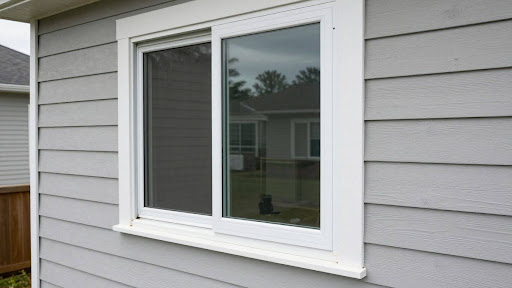
You know, sometimes the most obvious places are the ones we overlook when we’re thinking about home security. Your main windows might be top-notch, but what about those other spots? We’re talking about sliding glass doors, French doors, even your storm doors. These can be weak links if they aren’t properly secured.
Security Enhancements for Sliding and Patio Doors
Sliding glass doors and patio doors are super convenient, letting in light and offering easy access to your yard. But that big pane of glass and the sliding mechanism? They can be a burglar’s best friend if you’re not careful. A common trick is lifting the door right off its tracks. We can install anti-lift devices that make this nearly impossible. Plus, reinforcing the locking mechanisms and ensuring the tracks are clear of gaps makes a huge difference. It’s about making sure that easy access doesn’t turn into an easy entry for someone unwanted.
Reinforcing French and Glass Entry Doors
French doors look beautiful, don’t they? They add a certain charm. However, the way they meet in the middle, and often the large glass panels, can be a real security headache. We look at reinforcing that seam where the two doors meet with special plates. We also upgrade the locks to multi-point systems that engage at the top, middle, and bottom of the doors. This spreads the force and makes it much harder to kick them in. For glass entry doors, we can add security film or even replace the glass with laminated options that look just like regular glass but are way tougher to break.
Upgrading Security for Garage and Storm Doors
Your garage door might lead to your house, making it a prime target. We can reinforce the tracks and install shields over the emergency release mechanism to stop “fishing” attempts, where someone tries to pull the release cord from the outside. Storm doors, while adding a layer of protection, can also be upgraded. Think reinforced frames and better locks. Sometimes, just adding a stronger deadbolt or reinforcing the existing frame can turn a flimsy storm door into a much more solid barrier.
The key here is to look at your home’s entry points holistically. It’s not just about the front door and the main windows. Every door, every access point, needs to be considered. Upgrading these often-forgotten areas can significantly boost your home’s overall security without sacrificing aesthetics or convenience.
Customized Security Upgrades for Unique Home Configurations
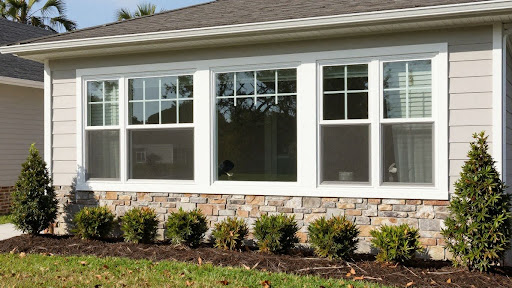
Tailoring Replacement Windows for Historic Homes
Older homes often have a certain charm, but that can come with unique security challenges. Think original single-pane windows or decorative glass that, while beautiful, isn’t exactly built to stop a determined intruder. We get it. For historic properties in Jacksonville, the goal is to boost security without messing up that classic look. This might mean upgrading to custom-sized windows that match the original dimensions perfectly, or perhaps reinforcing existing frames with hidden steel supports. We can also look at adding security film to older glass, which makes it much harder to shatter, or even replacing sections with laminated security glass that looks just like the original but offers way more protection. It’s all about finding that balance between preserving history and keeping your home safe.
Integrating Security Film and Panels
Sometimes, you don’t need a whole new window. Security film is a pretty neat option. It’s a clear, strong layer that gets applied directly to your existing glass. If someone tries to break it, the film holds the glass together, making it way more difficult and noisy to get through. It’s a cost-effective way to add a significant security boost, especially for those large picture windows or glass doors that might be a weak spot. For areas where even film isn’t enough, we can look at adding reinforced security panels. These are custom-made to fit over vulnerable areas, providing an extra physical barrier that’s tough to get past.
Addressing Pet Doors and Screen Door Vulnerabilities
Let’s talk about those little entry points that can become big security headaches. Pet doors, for instance. While great for our furry friends, they can be an easy way in for unwanted guests. We can install specialized electronic pet doors that only open with a specific collar tag, or reinforced frames around standard pet doors to make them much harder to force open. Screen doors, too, often get overlooked. A standard screen won’t stop much. We can upgrade these with stronger frames and cut-resistant mesh, turning them into a more robust secondary barrier. It’s about looking at every possible entry point, no matter how small, and making sure it’s secure.
Wrapping Up Your Home’s Security
So, when you’re thinking about making your home in Jacksonville safer and more comfortable, don’t forget about your windows. Replacing old, worn-out windows with newer, more secure options is a really practical step. It’s not just about keeping the weather out; it’s about making it harder for unwanted visitors to get in. Plus, you get the bonus of better insulation, which can really help with those energy bills. It’s a solid investment in your peace of mind and your home’s overall well-being.
Frequently Asked Questions
Why should I replace my old windows in Jacksonville?
Old windows might not be very strong and could be easy for someone to break into. Replacing them with newer, tougher windows can make your home much safer. Plus, new windows can also help keep your home warmer in the winter and cooler in the summer, saving you money on energy bills.
What makes a window “impact-resistant”?
Impact-resistant windows are built tough, usually with a special layer of plastic between two pieces of glass, like a strong sandwich. This makes them much harder to shatter. Even if they crack, the plastic layer helps hold the glass together, making it difficult for someone to get through.
Are energy-efficient windows also good for security?
Yes, they can be! Energy-efficient windows are often made with stronger materials and better locking systems. This extra strength makes them harder to force open or break, adding a layer of security to your home along with saving energy.
What are some common ways burglars try to get through windows?
Bad guys might try to break the glass with a rock or tool, or they might try to pry the window open. Some older windows can even be lifted right out of their frames. New windows with strong locks and tough glass make these tricks much harder to pull off.
Do I need special locks for my new windows?
Many new windows come with good locks already built-in. However, you can also get extra security features like stronger deadbolts or alarm systems that connect to your windows. It’s a good idea to ask your installer about the best lock options for your needs.
Is it important to hire a professional to install new windows?
Absolutely! A professional installer knows how to put the windows in correctly, making sure they are sealed tightly and anchored securely. Proper installation is key to making sure your new windows provide the best security and energy savings possible.