Living in Jacksonville, FL means dealing with some pretty hot and humid weather. And when that sun beats down, your air conditioning system works overtime. A big part of that strain comes from your windows. Old, leaky windows let all that cool air escape and hot air sneak in. This article is all about how swapping out those old windows for better ones can make a real difference in your energy bills and how comfortable your building stays, especially when you’re thinking about Reducing HVAC Load Through Strategic Window Replacement in Jacksonville FL.
Key Takeaways
- Older windows are a major source of energy loss, making your HVAC system work harder and increasing costs, especially in Jacksonville’s climate.
- Modern, high-performance windows offer better insulation, significantly reducing the load on your heating and cooling systems.
- Window retrofitting, like adding films or specialized treatments, can be a more affordable way to improve window efficiency compared to full replacement.
- Combining window upgrades with other energy-saving measures, such as sealing air leaks around the building, maximizes overall efficiency.
- Investing in window replacement can lead to long-term savings, potential tax incentives, and increased property value for commercial buildings.
Understanding The Impact Of Windows On HVAC Load
The Role Of Windows In Jacksonville’s Climate
If you’re sitting in an office in Jacksonville during the summer, you’ve probably noticed how quickly a room heats up under direct sun. Windows act as the main gatekeepers between the outdoors and your indoor climate—they let in natural light, but without the right kind, they also make your HVAC system work way harder. Here in Florida, the humidity and heat can be brutal, and a single-pane, untreated window will let in hot air and UV rays, undoing much of what your air conditioning is trying to do. Orientation also matters: windows facing south or west catch the strongest and longest hours of sunlight, which can dramatically hike up interior temps unless you’ve got good glass.
Quantifying Energy Loss Through Older Windows
Most buildings still have old-style, single-pane windows or metal frames. That’s almost like intentionally leaving the door cracked open all year.
| Window Type | Estimated Cooling Loss (%) | Typical U-Factor |
| Single-pane, clear | 40 | 1.1-1.2 |
| Double-pane, clear | 25 | 0.4-0.5 |
| Double-pane, Low-E | 10-15 | 0.3-0.4 |
Poorly sealed or insulated windows result in higher seasonal energy bills.- High U-factor means more heat passes through; lower is better for Florida heat.
- Older windows let in not just heat, but also moisture, leading to sticky, uncomfortable indoor air and more demand on dehumidifiers.
Upgrading old windows can bring a surprising drop in both monthly energy bills and HVAC hassles, especially in hot, sticky regions like Jacksonville.
The Benefits Of Modern Window Technology
Today’s window options aren’t just about looks. They’re designed for performance—helping your HVAC system take a break during peak heat. Here’s what makes them stand apart:
- Low-emissivity (Low-E) coatings bounce back infrared light, keeping heat outside.
- Multiple panes with gas fills (like argon) slow down heat transfer even more.
- Advanced frame materials (like vinyl or composite) reduce drafts and cut down on leaks that force your HVAC to run constantly.
Some of these new windows also block UV rays, so you don’t have to worry as much about sun-faded furniture or flooring (the little things add up). In the end, it’s not just about being cooler—modern windows help keep temps steadier, take pressure off your cooling system, and even help your building qualify for energy savings programs.
Strategic Window Replacement For Energy Savings
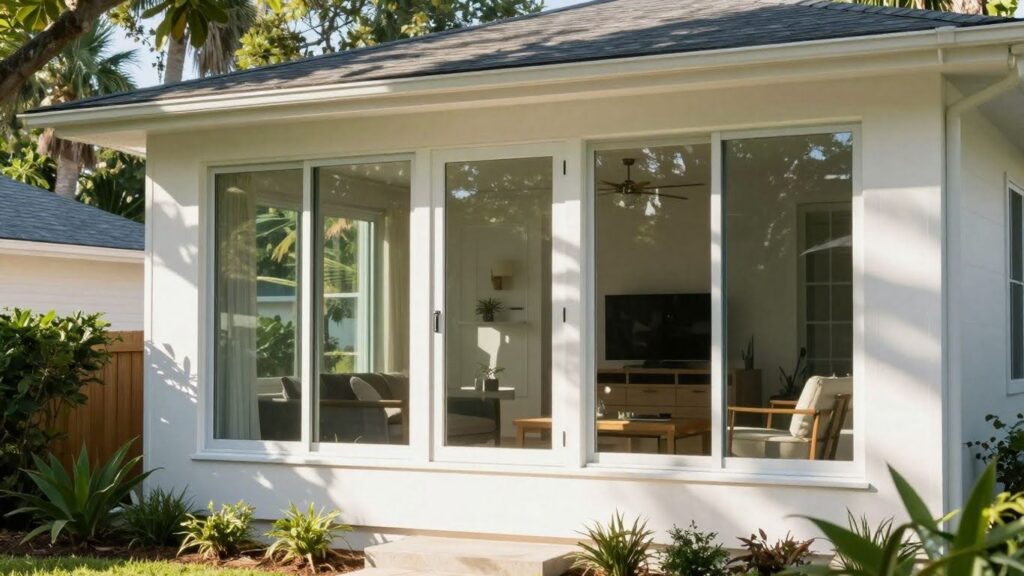
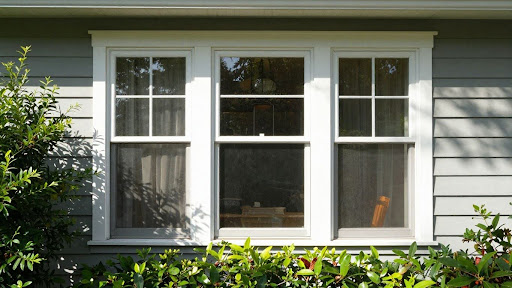
When you’re looking to cut down on how much your building uses energy, especially here in Jacksonville where it gets so hot, windows are a big part of the puzzle. Old, leaky windows let all that expensive cool air escape in the summer and let the heat in. Replacing them with modern, high-performance options can make a huge difference in your energy bills. It’s not just about comfort, though that’s a nice bonus; it’s about saving money and making your building work better.
Identifying High-Performance Window Options
Not all windows are created equal, that’s for sure. When you’re shopping around, you’ll want to look for a few key things. Think about the U-factor, which tells you how well a window insulates – lower is better. Then there’s the Solar Heat Gain Coefficient (SHGC), which measures how much heat from the sun gets through; again, lower is what you want in a hot climate like ours. Look for windows with multiple panes of glass, like double or even triple-pane, and make sure they have gas fills between the panes, like argon or krypton, for extra insulation. Low-E coatings are also a big deal; they help reflect heat.
Here’s a quick rundown of what to aim for:
- Low U-factor: Keeps heat from escaping in cooler months and entering in warmer months.
- Low SHGC: Reduces the amount of solar heat that enters your building, which is key for Jacksonville summers.
- Multiple Panes: Double or triple-pane windows offer better insulation than single-pane.
- Gas Fills: Argon or krypton gas between panes adds another layer of insulation.
- Low-E Coatings: These special coatings reflect heat, keeping your building cooler.
The Retrofitting Alternative To Full Replacement
Sometimes, replacing every single window might feel like a massive undertaking, and honestly, it can be pretty expensive. But there’s a smart alternative: retrofitting. This involves upgrading your existing windows without tearing them all out. One popular method is applying special window films or treatments. These films can significantly reduce solar heat gain and block harmful UV rays, all without changing the look of your windows much. Another approach is a newer technique where a secondary window system is installed inside your existing frames. This adds a whole new layer of insulation, almost like giving your old windows a high-tech upgrade. It’s often much faster and less disruptive than a full replacement, and can be a fraction of the cost.
Retrofitting can be a game-changer for older buildings. It allows you to improve your building’s energy performance and comfort without the huge expense and disruption of a complete overhaul. It’s a practical way to get many of the benefits of new windows at a lower price point.
Maximizing ROI Through Window Upgrades
When you’re investing in your building, you want to see a return, right? Upgrading your windows is a solid way to do that. Think about the energy savings alone. In a place like Jacksonville, where air conditioning runs a lot, reducing the load on your HVAC system can lead to noticeable drops in your monthly bills. Some buildings have seen energy cost reductions of up to 40% after making smart window choices. Plus, comfortable tenants are happy tenants, which can mean better occupancy rates and less turnover. Over time, a more energy-efficient building is also more attractive to potential buyers or renters, increasing its overall market value. It’s an investment that pays off in multiple ways, both financially and operationally.
Beyond Windows: Complementary Energy Efficiency Measures
Thinking about new windows is great, but there’s a lot more you can do in Jacksonville to cut down on your building’s heating and cooling bills. After all, windows are just one part of the puzzle. The difference-makers often come with a few extra steps—sealing sneaky drafts, using smart techniques, and bringing new tech into old buildings. Let’s look at some of the ways you can go further.
Sealing Air Leaks With Professional Caulking
Even with the best windows, air leaks around frames and walls can let cool air out and hot, muggy air in.
Professional caulking is simple but surprisingly powerful for reducing HVAC load. Here’s why:
- Seals gaps around window edges, doors, and joints.
- Reduces humidity and dust entering the building.
- Keeps cooled air inside longer, so your AC doesn’t run nonstop.
If you’ve never had your building tested, consider a professional blower door test or thermal camera scan. They find even the tiniest leaks you can’t see, leading to bigger energy savings.
Many older buildings in Jacksonville have leaks that waste more energy in a year than you’d think. Spending a little time and money on caulking can actually pay off quickly.
The Role Of Window Films And Treatments
Not ready to replace every window? That’s okay. Window films and treatments offer a practical upgrade.
- Reflective or tinted films block out some of the Florida sun.
- Insulating films can keep more heat outside while letting light in.
- Heavy curtains or blinds help control sun exposure in the hottest part of the day.
| Film Type | Average Solar Heat Gain Reduction | Typical Cost per sq ft |
| Reflective Film | 40-60% | $5 – $8 |
| Low-E Insulating | 30-50% | $8 – $12 |
| Basic Tint | 20-40% | $3 – $5 |
Films are great if you need quick relief or want to extend the life of your existing windows before a full replacement.
Integrating Window Improvements With Other Retrofits
It’s not just about the glass. For better results, pair your window strategy with other efficiency moves:
- Upgrade insulation in walls, roofs, or attics to slow heat flow.
- Swap out old HVAC units with higher efficiency models or add smart thermostats.
- Install energy recovery ventilators (ERVs) to reuse cooling or heating from stale air.
Mixing improvements is often more effective (and sometimes cheaper) than tackling things one at a time. If you’re planning a major renovation, ask your contractor what works well together for Jacksonville’s hot, humid climate.
Coordinating window projects with insulation or HVAC upgrades can squeeze out the most value for your energy dollar. It’s not about picking one solution—it’s getting all the small wins to work together.
Financial Incentives And Long-Term Value
Upgrading windows isn’t cheap. But there are real financial reasons to consider it for commercial properties in Jacksonville. Better energy efficiency translates not just into lower monthly bills, but also into long-term building value. Let’s break down the financial side of these projects.
Exploring Tax Credits For Energy Efficient Buildings
Property owners in Jacksonville have good access to both federal and state incentives for energy-saving improvements. These can make a big dent in the upfront cost:
- Federal tax credits reward commercial upgrades that meet certain energy efficiency standards, including window replacements.
- There are sometimes local rebates from utility companies for high-performance window products.
- Additional deductions could be available for commercial properties under Section 179D, which rewards major efficiency improvements.
| Incentive | What It Covers | Typical Savings |
| Federal Energy Tax Credit | Qualifying efficient windows/doors | 10-30% of project |
| Local Utility Rebates | Approved window upgrades | Varies by provider |
| Section 179D Deduction | Large-scale commercial improvements | Up to $1.80/sq. ft. |
While incentives help with upfront costs, every property should verify programs are active in 2026 before committing to a purchase.
Calculating Payback Periods For Window Investments
Let’s talk real numbers. Most business owners want to know when these big window investments actually start paying for themselves. Here’s how you can break it down:
- Tally your annual energy savings from new windows—HVAC typically drops by 20-40% for commercial sites.
- Subtract one-time project incentives and rebates from your total cost.
- Divide the net cost by yearly savings to estimate the basic payback period.
For a typical Jacksonville building, payback can look like this:
| Project Cost | Incentive Savings | Final Cost | Yearly Energy Savings | Estimated Payback (years) |
| $50,000 | $12,000 | $38,000 | $10,000 | 3.8 |
| $100,000 | $18,000 | $82,000 | $25,000 | 3.3 |
Increasing Commercial Building Value Through Efficiency
Last, let’s not forget the big-picture value after your windows are upgraded:
- Lowered energy costs make your building more attractive to tenants and buyers.
- Energy-efficient certifications (like ENERGY STAR or LEED) add prestige—and often better appraisal values.
- Improved comfort can reduce tenant turnover, further strengthening your bottom line.
Overall, smart window investments not only cut energy bills today, but help your property stand out in a crowded Jacksonville market for years to come.
Choosing The Right Professionals In Jacksonville
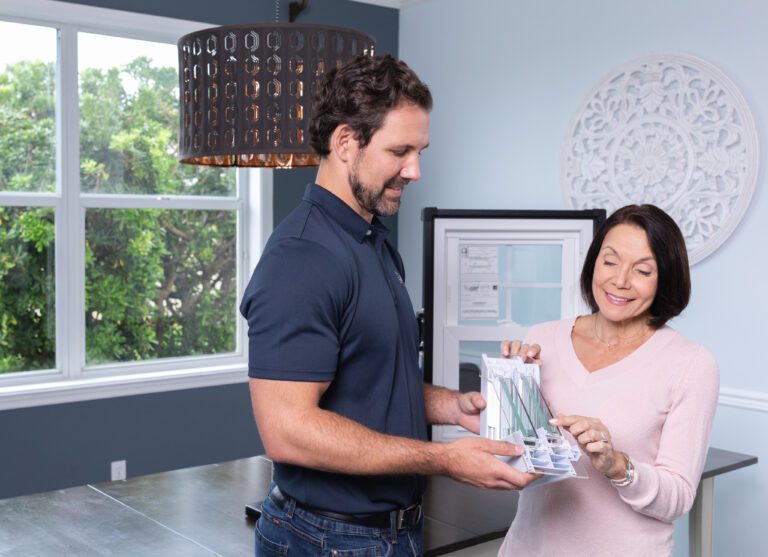
So, you’ve decided to upgrade those old windows to save some cash on your energy bills here in Jacksonville. That’s a smart move, especially with our hot summers. But who do you even call for this kind of work? It’s not like picking up a new toaster. You need people who know what they’re doing, especially when it comes to making sure your new windows actually help your AC unit breathe easier.
Finding Expertise In Window Replacement Services
When you’re looking for someone to replace your windows, you want a company that’s been around and knows the Jacksonville climate. They should be able to talk about different window types, like double-paned or low-E coatings, and explain why one might be better for your house than another. Don’t be afraid to ask questions! A good company will be happy to explain things.
Here’s a quick checklist for picking a window installer:
- Local Experience: Do they understand Jacksonville’s heat and humidity?
- Product Knowledge: Can they explain the different window technologies and their benefits?
- References: What do past customers say about their work?
- Warranties: What kind of guarantee do they offer on their products and installation?
- Licensing & Insurance: Are they properly licensed and insured for your protection?
The Importance Of Qualified HVAC Professionals
Even with great new windows, your HVAC system still has a big job to do. If your air conditioner is old or not running right, those new windows won’t make as much of a difference as they could. That’s where a good HVAC technician comes in. They can check if your system is up to the task of working with your improved building envelope.
Think of it like this: you wouldn’t put racing tires on a beat-up old car and expect it to win a race. Your HVAC system needs to be in good shape too.
Comprehensive Energy Audits For Commercial Properties
For businesses in Jacksonville, looking at the whole picture is key. A professional energy audit can pinpoint exactly where your building is losing energy – it might be windows, but it could also be insulation, ductwork, or even your lighting. Getting an audit is like getting a full check-up for your building’s energy use.
An energy audit provides a detailed report on your building’s energy consumption, identifying specific areas for improvement and recommending the most cost-effective solutions. This data-driven approach helps prioritize upgrades, ensuring that your investment yields the greatest return in energy savings and comfort.
This kind of detailed look helps you make smart decisions about where to spend your money for the biggest impact on your HVAC load and your bottom line. It’s about making sure all your upgrades work together, not just one piece of the puzzle.
Wrapping It Up
So, when you look at all this, replacing old windows in your Jacksonville building isn’t just about making things look nicer. It’s a smart move for your wallet and for the planet. We’ve seen how new windows, maybe even with some added film, can really cut down on how much energy you’re using. Think about those big savings, especially with how hot it gets here. Plus, keeping your building tight with good caulking and maybe even a cool roof coating adds to that. It all adds up to a more comfortable space and less money flying out the door on energy bills. It’s definitely something worth looking into for any building owner in the area.
Frequently Asked Questions
How much can new windows save me on energy bills in Jacksonville?
Replacing old, leaky windows with modern, energy-efficient ones can make a big difference. In a place like Jacksonville, where it gets hot, you could see your energy costs drop by up to 40%. That’s like saving a lot of money every year, especially for businesses!
Is replacing all my windows the only option?
Not necessarily! Sometimes, instead of a full replacement, you can improve your existing windows. This might involve adding special films or treatments, or even a special retrofit process that adds insulation without replacing the whole window. It’s often less expensive than a complete overhaul.
What’s the difference between window replacement and retrofitting?
Window replacement means taking out the old windows and putting in brand new ones. Retrofitting is more like upgrading what you already have. For windows, this could mean adding a new layer of glass or a special coating to make them more energy-efficient without the cost and mess of a full replacement.
Are there any financial help or tax breaks for upgrading windows?
Yes, there often are! The government offers tax credits for making buildings more energy-efficient. If your building improvements lead to a big drop in energy use, you might get a nice tax deduction. This can help you get your money back faster on the upgrades.
Besides windows, what else can I do to save energy?
Lots of things! Make sure there are no air leaks around windows, doors, and pipes by sealing them up with caulk. Adding special window films can also block heat. Checking and sealing your air ducts is important too, as is making sure your attic has good insulation.
How do I find the right people to help with window upgrades in Jacksonville?
Look for professionals who specialize in window replacement or energy efficiency for buildings. It’s also smart to have a professional do an energy audit. This will tell you exactly where your building is losing the most energy, so you can focus your upgrades where they’ll help the most.