Living in Jacksonville, FL means dealing with a pretty varied climate. It’s not all just sunshine and beaches, you know? Different parts of the city can feel quite different, especially when it comes to temperature and how humid it gets. This is where understanding these “Microclimate Variations Across Jacksonville FL and Their Window Replacement Implications” becomes super important. Your windows are a big part of your home’s defense against the weather, and picking the right ones can make a huge difference in how comfortable and energy-efficient your house stays, no matter where you are in town.
Key Takeaways
- Jacksonville has different climate zones within the city, affecting things like temperature and humidity, which matters for your home.
- Window performance is directly tied to these local climate conditions, impacting issues like condensation and how hard your AC has to work.
- Choosing the right windows, including the glass type, frame, and special coatings, is key to dealing with Jacksonville’s specific weather.
- Proper installation is just as important as the window itself to stop air leaks and moisture problems.
- Considering the whole house, not just the windows, with good insulation and ventilation helps manage moisture and keeps your home performing well long-term.
Jacksonville’s Diverse Climates and Their Impact
Understanding Localized Temperature and Humidity Fluctuations
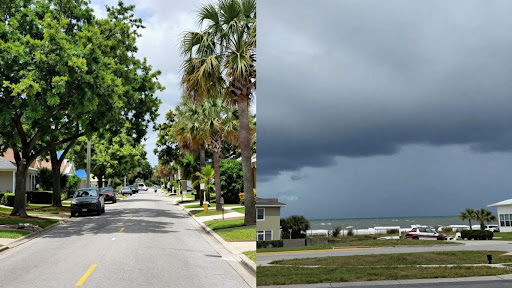
Jacksonville, Florida, isn’t just one big weather zone. Even within the city limits, you’ll find pockets where the temperature and humidity act a little differently. Think about areas closer to the St. Johns River versus those a few miles inland, or neighborhoods nestled among dense trees compared to open, developed spaces. These small differences, often called microclimates, can really add up.
These localized variations mean that what happens with your home’s comfort and energy use can change depending on exactly where you are in Jacksonville. For instance, areas near the river might get a bit more of a breeze, keeping things slightly cooler on a hot day. Conversely, neighborhoods with lots of concrete and asphalt, like parts of the downtown core, can get much hotter than surrounding areas. This is the urban heat island effect in action.
Here’s a quick look at how some factors can influence local conditions:
- Proximity to Water: Being near the St. Johns River or the Atlantic coast can mean slightly milder temperatures and more moisture in the air.
- Vegetation Cover: Areas with lots of trees and green spaces tend to be cooler and can help reduce humidity compared to heavily built-up areas.
- Elevation and Topography: While Jacksonville is mostly flat, even slight changes in elevation can affect air movement and temperature.
Understanding these subtle shifts is the first step to figuring out how your home performs and what you might need to do to keep it comfortable year-round.
The Role of Urban Heat Islands and Coastal Breezes
Jacksonville, like many cities, deals with the urban heat island effect. This is where built-up areas, with all their concrete, asphalt, and buildings, absorb and retain more heat than natural landscapes. This means that during the day, and especially at night, urban centers can be noticeably warmer than the surrounding countryside or less developed parts of the city. This trapped heat can make summer days feel even hotter and extend the cooling season.
On the flip side, Jacksonville benefits from coastal breezes. When the land heats up faster than the ocean, air moves from the cooler water towards the warmer land, creating a refreshing breeze. This effect is most noticeable closer to the Atlantic coast and along the St. Johns River. These breezes can help to moderate temperatures, especially during the afternoon and evening, offering some relief from the inland heat.
- Urban Core: Expect higher temperatures, especially after sunset, due to heat absorption by buildings and pavement.
- Coastal Areas: Generally experience cooler afternoons and evenings thanks to sea breezes.
- Suburban/Residential Areas: A mix of both, with heat island effects in denser developments and some cooling from vegetation and open spaces.
Seasonal Weather Patterns Affecting Building Performance
Jacksonville’s climate is characterized by distinct seasons, each bringing its own set of challenges for buildings. Summers are long, hot, and very humid. This high humidity puts a strain on air conditioning systems and can contribute to moisture problems inside and outside the home if not managed properly. Winters are generally mild, but occasional cold fronts can bring sharp drops in temperature, requiring heating systems to work efficiently.
Spring and fall offer more moderate temperatures, but these seasons can also bring unpredictable weather, including thunderstorms and potential for heavy rainfall. The transition periods are important because they highlight how well a building’s envelope can handle both heating and cooling demands, as well as moisture.
Here’s a breakdown of seasonal impacts:
- Summer (June-August): High heat and humidity stress HVAC systems, increase cooling costs, and can lead to condensation issues if insulation and air sealing aren’t up to par.
- Fall (September-November): Transition from cooling to heating. Potential for heavy rains and storms. Building needs to manage both residual heat and incoming cool air.
- Winter (December-February): Mild temperatures overall, but occasional cold snaps require effective heating. Lower humidity generally, but indoor air can become dry.
- Spring (March-May): Warming temperatures, increasing humidity. Increased chance of thunderstorms and heavy downpours. Building needs to be ready for cooling and moisture management.
The constant cycle of heat, humidity, and occasional cool spells means that a home’s ability to regulate temperature and manage moisture is tested year-round, not just during the peak of summer or winter.
Window Performance in Varying Jacksonville Microclimates
Windows are a big deal when it comes to how comfortable your home feels and how much you spend on energy. In a place like Jacksonville, with its mix of humid air near the coast and hotter spots inland, windows have to work overtime. They’re not just letting in light; they’re a major player in keeping your house cool and dry.
Condensation Risks and Indoor Air Quality
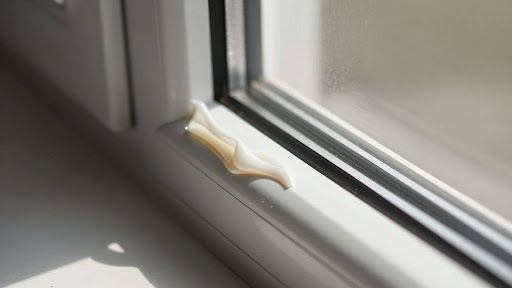
One of the biggest headaches with windows, especially in humid climates, is condensation. You know, those little water droplets that form on the inside of your glass? This isn’t just annoying; it can actually mess with your home’s air quality and even damage your walls. When warm, moist indoor air hits a cold window surface, the moisture condenses. In Jacksonville, this can happen more often than you might think, particularly during cooler spells or when there’s a big temperature difference between inside and out. If it happens a lot, it can lead to mold growth, which is bad news for allergies and overall health. Plus, that moisture can seep into window frames and walls, causing rot and other structural issues over time.
Energy Efficiency Implications for HVAC Systems
Your air conditioner and heater are probably the biggest energy hogs in your house. Windows play a huge role in how hard they have to work. In the summer, if your windows aren’t up to par, they let in a ton of heat, making your AC run constantly. In the winter, they let that precious warm air escape. Think about the difference between a window that’s basically just glass and one that’s designed to keep heat out (or in). The right windows can significantly cut down on how much energy you use. For instance, in humid climates, managing the latent load (that’s the moisture in the air) is just as important as managing the temperature. Some window types and coatings are way better at preventing heat transfer and moisture buildup, which means your HVAC system doesn’t have to work as hard, saving you money and making your home more comfortable.
Impact of Solar Radiation on Window Durability
Jacksonville gets a lot of sunshine, and while that’s nice, direct sun can really beat up on windows over time. The sun’s rays, especially the UV part, can degrade window seals, cause vinyl frames to warp or fade, and even damage the coatings on the glass itself. This breakdown means windows lose their ability to insulate effectively, leading to more energy loss and potential condensation issues. Protecting your windows from constant, intense sun exposure is key to making them last longer and perform better. This is where things like window films, proper overhangs, or even choosing window materials that are more resistant to UV damage come into play.
Window Replacement Strategies for Jacksonville Homes
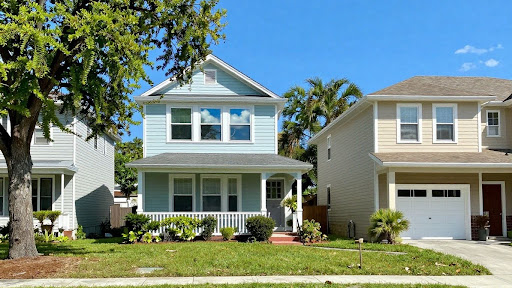
Replacing windows in Jacksonville homes isn’t just about making things look nicer; it’s about making them work better with our local weather. Think about those humid summers and occasional chilly spells. The right windows can make a big difference in how comfortable your home feels and how much you spend on heating and cooling.
Selecting Appropriate Glazing and Frame Materials
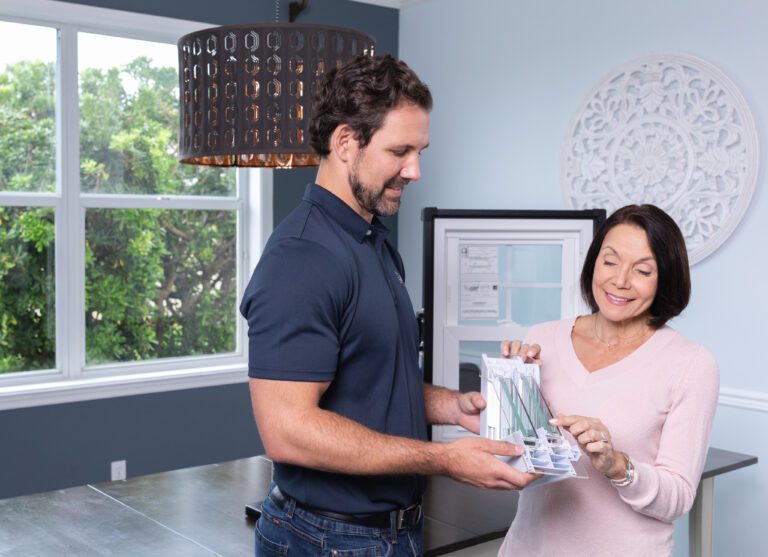
When you’re looking at new windows, the glass (glazing) and the frame are the main players. For Jacksonville, you’ll want to pay attention to how well they handle heat and moisture. Double-pane windows are pretty standard now, but what’s between the panes and the type of glass coating really matters.
- Frame Materials: Vinyl frames are popular because they’re low maintenance and pretty good insulators. Wood frames look nice but need more upkeep, especially in our damp climate. Aluminum frames conduct heat, so they’re usually not the best choice unless they have a thermal break.
- Glazing Options: Look for windows with good Solar Heat Gain Coefficients (SHGC) to block some of that intense Florida sun. Low SHGC values are generally better here. The U-factor is also important; a lower U-factor means less heat transfer, which is good for both keeping cool in the summer and warm in the winter.
- Durability: Consider materials that resist rot and corrosion. Jacksonville’s salty air near the coast and high humidity can be tough on certain materials over time.
Considering Low-E Coatings and Gas Fills
These are like the fancy upgrades for your windows that really boost their performance. Low-emissivity (Low-E) coatings are thin, invisible layers applied to the glass. They reflect heat.
- Low-E Coatings: Different types of Low-E coatings are designed for different climates. For Jacksonville, you’ll want a coating that reflects solar heat away from your home during the hot months but still lets in some natural light. This helps keep your AC from working overtime.
- Gas Fills: The space between the glass panes can be filled with an inert gas, like argon or krypton. These gases are denser than air and don’t move around as much, which slows down heat transfer. It’s another layer of insulation for your windows.
Proper window selection considers both the direct impact of solar radiation and the overall thermal performance. It’s a balance between blocking unwanted heat and allowing useful light, all while maintaining structural integrity against our weather.
Optimizing Window Installation for Airtightness
Even the best windows won’t perform well if they’re not installed correctly. Air leaks around windows can let in humid outside air and let out your conditioned air, making your HVAC system work harder and potentially leading to moisture issues.
- Sealing the Gaps: The space between the window frame and the wall opening needs to be sealed up tight. This usually involves using caulk and expanding foam.
- Flashing: Proper flashing around the window is key to preventing water from getting behind the window and into the wall structure, which is a big deal in a rainy climate like ours.
- Air Barriers: Making sure the window integrates well with the home’s overall air barrier system is important for preventing drafts and uncontrolled air movement.
Getting the installation right is just as important as picking the right window. A poorly installed window can negate all the benefits of high-performance glazing and frames. It’s worth hiring experienced installers who understand how to create a truly airtight seal.
Building Envelope Considerations Beyond Windows
So, we’ve talked a lot about windows, right? But honestly, they’re just one piece of the puzzle when it comes to keeping your Jacksonville home comfortable and energy-efficient. The rest of your house’s “skin” – what we call the building envelope – plays a huge role too. Think of it like your own body; your skin is important, but so are your internal organs and how they work together.
The Importance of Wall Insulation and Air Barriers
Walls are big surfaces, and if they’re not insulated well or have gaps, you’re basically letting all that nice conditioned air escape and the outside weather sneak in. This is where insulation and air barriers come in. Insulation slows down heat transfer, keeping your home cooler in the summer and warmer in the winter. An air barrier, on the other hand, stops air from moving through your walls. This is super important because moving air can carry moisture, which can lead to all sorts of problems like mold and rot.
- Proper insulation levels: Make sure your walls have enough insulation for Jacksonville’s climate. This means looking at R-values, which measure how well the insulation resists heat flow.
- Continuous air barrier: This barrier needs to be sealed up tight everywhere – around windows, doors, where walls meet the roof, and where walls meet the foundation.
- Junctions are key: Pay extra attention to where different parts of the building meet. These spots are often weak points for air leaks.
Ventilation Strategies for Moisture Control
Jacksonville’s humidity can be a real challenge. Even with good insulation and air sealing, some moisture can build up inside your home. That’s where ventilation comes in. It’s all about bringing in fresh air and getting stale, moist air out. This helps keep indoor air quality good and prevents moisture problems.
- Exhaust fans: Use exhaust fans in bathrooms and kitchens to vent moisture directly outside.
- Whole-house ventilation: Consider systems like Heat Recovery Ventilators (HRVs) or Energy Recovery Ventilators (ERVs) for more controlled air exchange.
- Attic and crawl space ventilation: Proper ventilation in these areas helps manage moisture and heat buildup.
Cladding Choices and Their Hygrothermal Effects
What you put on the outside of your walls – your cladding – also matters. Different materials handle moisture and temperature changes differently. Some claddings, like certain types of wood or stucco, can absorb and release moisture, which can be good or bad depending on how they’re installed and the climate.
- Rain screens: These create a gap behind the cladding, allowing water to drain and air to circulate, which helps dry out the wall assembly.
- Material properties: Understand how materials like vinyl, fiber cement, brick, or wood will perform in Jacksonville’s heat and humidity.
- Installation details: The way cladding is installed is just as important as the material itself for managing moisture.
The building envelope is a complex system. When one part fails or isn’t performing well, it can put extra stress on other components, like your new windows. Thinking about the whole picture – insulation, air sealing, ventilation, and cladding – is the best way to create a durable and comfortable home.
Long-Term Durability and Maintenance
So, you’ve picked out some great new windows for your Jacksonville home, which is awesome. But the job isn’t quite done yet. Keeping those windows, and the rest of your house, in good shape for years to come means thinking about how they’ll hold up over time, especially with our Florida weather.
Assessing Moisture Content in Building Assemblies
Moisture is kind of a big deal here. It can sneak into walls, attics, and around window frames, causing all sorts of headaches down the road. We’re talking about things like mold, wood rot, and even structural damage if it’s left unchecked. It’s not always obvious, either. Sometimes moisture hides deep inside the building materials.
- Check for signs of water damage: Look for stains on ceilings or walls, peeling paint, or damp spots, especially after heavy rain.
- Monitor humidity levels: High indoor humidity can lead to condensation on windows and other surfaces, a clear sign that moisture is building up.
- Inspect attics and crawl spaces: These areas are prone to moisture issues. Look for damp insulation, mold growth, or standing water.
- Consider professional moisture testing: For a more thorough assessment, especially if you suspect a hidden problem, a professional can use specialized tools to measure moisture content in different parts of your home.
Keeping an eye on moisture is like preventative maintenance for your house. Catching problems early can save you a ton of money and hassle later on.
Preventing Mold Growth and Material Degradation
Mold loves damp, dark places, and unfortunately, our homes can provide just that. Beyond just looking and smelling bad, mold can affect indoor air quality and even damage building materials. The key is to stop moisture before it becomes a problem that feeds mold.
- Ensure proper ventilation: Good airflow helps dry out damp areas. This includes making sure your bathroom and kitchen fans are working and venting outside.
- Seal air leaks: Gaps around windows, doors, and where pipes or wires enter the house can let moist air in.
- Use mold-resistant materials: When renovating or repairing, consider using materials that are less likely to support mold growth.
- Clean up spills and leaks promptly: Don’t let water sit around. Dry affected areas thoroughly as soon as possible.
The Role of Building Codes in Climate Adaptation
Building codes are there for a reason, and they’re constantly being updated to reflect new information about how buildings perform in different climates. For Jacksonville, this means codes are increasingly focused on making sure our homes can handle the heat, humidity, and occasional storms we get.
- Energy efficiency standards: These codes often dictate how well windows and other building components must perform to reduce energy waste.
- Moisture and ventilation requirements: Codes specify minimum ventilation rates and air sealing measures to help control indoor moisture.
- Impact resistance: In coastal areas like ours, codes may also address requirements for windows and doors to withstand high winds and impacts from debris during hurricanes.
Staying up-to-date with these codes, or working with professionals who are, helps ensure your home is built and maintained to last, no matter what the weather throws at it.
Wrapping It Up: Your Windows and Jacksonville’s Weather
So, we’ve talked a lot about how different parts of Jacksonville can feel a bit different weather-wise, even within the same city. It’s not just about hot or cold; it’s about humidity, wind, and how all that affects your home. When you’re thinking about new windows, it’s not just about picking a pretty style. You’ve got to consider how those windows will handle the specific conditions right where you live in Jacksonville. Getting the right windows can make a big difference in keeping your home comfortable and maybe even saving a bit on your energy bills. It’s worth looking into what works best for your particular spot in town.
Frequently Asked Questions
Why do different parts of Jacksonville have different weather?
Jacksonville isn’t just one big weather zone! Areas near the coast get cool ocean breezes, while neighborhoods with lots of buildings and pavement can get hotter. Even parks and bodies of water can change the temperature and humidity nearby. These small differences are called microclimates, and they can affect how your home performs.
How does Jacksonville’s weather affect my windows?
The weather can make moisture build up on your windows, especially when it’s humid. This can lead to foggy windows and even mold. Also, strong sun can damage window materials over time. Different microclimates mean some windows might face these issues more than others.
What makes a window ‘energy efficient’?
Energy-efficient windows help keep your home’s temperature steady. They have special features like double or triple panes of glass, gas fills between the panes, and coatings that reflect heat. This means your air conditioner or heater doesn’t have to work as hard, saving you money on energy bills.
What are Low-E coatings and gas fills?
Low-E (low-emissivity) coatings are super thin layers on the glass that help block heat. They keep heat inside during the winter and outside during the summer. Gas fills, like argon or krypton, are put between the glass panes. These gases are better at stopping heat from moving through the window compared to regular air.
Why is window installation so important?
Even the best window won’t work well if it’s not installed correctly. A good installation means the window fits snugly and is sealed tightly. This prevents air and water from leaking in or out, which is key for keeping your home comfortable and energy-efficient.
Besides windows, what else affects my home’s climate control?
Lots of things! The insulation in your walls and attic is super important for keeping heat in or out. How well your house is sealed against air leaks matters too. Even the type of siding on your house and how your home is ventilated can play a role in keeping moisture under control and your home comfortable year-round.