Thinking about replacing the windows in your Jacksonville, FL home? It’s a big project, for sure. But did you know that swapping out old windows for new ones, especially impact-resistant ones, can actually affect your home insurance? It’s true. This isn’t just about making your house look nicer or keeping the AC in; it can play a role in how insurance companies see your property and what you might pay for coverage. Let’s break down the impact of window replacement in Jacksonville FL on insurance eligibility or requirements.
Key Takeaways
- Installing impact-resistant windows in Jacksonville, FL, can make your home more appealing to insurance companies, potentially leading to lower premiums.
- Many insurance providers offer discounts for homes that meet certain hurricane-resistant standards, like those met by impact windows.
- Proper documentation, including installation certificates and product approval numbers, is vital to prove your new windows meet code and qualify for insurance benefits.
- Jacksonville’s coastal location means strict building codes are in place, and impact windows help meet these, which is often a requirement or strong suggestion from insurers.
- Beyond insurance, upgrading to impact windows improves home safety, energy efficiency, and can even boost your property’s market value.
Understanding Insurance Requirements in Jacksonville FL
Living in Jacksonville, FL, means dealing with a unique set of challenges when it comes to your home, especially when it’s time to think about insurance. The weather here can be pretty wild, from steamy summers with pop-up thunderstorms to the very real threat of hurricanes during their season. Because of this, insurance companies and the state have specific rules to make sure homes are built and maintained to handle these conditions. This is where understanding insurance requirements becomes super important, particularly when you’re considering window replacements.
Florida Building Code Mandates for Coastal Areas
Florida has some of the strictest building codes in the country, and for good reason. Along the coast, and even in areas prone to high winds, these codes dictate what kind of protection your home needs. For windows, this often means they have to be able to withstand significant wind speeds and, importantly, impacts from flying debris during a storm. The Florida Building Code specifies wind-borne debris regions, and if your home falls within one, you’ll likely need windows that meet specific impact-resistance standards. It’s not just about new construction either; many renovations or significant repairs trigger these code requirements too. You can’t just put in any old window if you’re near the coast or in a designated high-wind zone.
Impact-Resistant Windows as a Protective Measure
So, what’s the big deal with impact-resistant windows? Think of them as your home’s first line of defense against severe weather. Unlike regular windows, these are built with stronger frames and laminated glass, similar to a car windshield. This makes them much harder to break, even when hit by wind-blown objects like branches or other debris. For insurance purposes, installing these windows is a big deal. It shows you’re taking proactive steps to protect your property from damage, which directly reduces the risk for the insurance company. This reduction in risk is often the key to unlocking better insurance terms.
Local Jurisdictions and Insurance Provider Encouragement
It’s not just the state code you need to worry about; local rules and what your insurance provider wants can also play a role. Different cities and counties might have their own nuances or specific requirements that go above and beyond the state minimums. Insurance companies, on the other hand, are increasingly encouraging homeowners to upgrade to impact-resistant windows. They often offer incentives, like premium discounts, to make it financially appealing. It’s a win-win: you get a safer home, and they get a lower chance of paying out a large claim. Always check with your local building department and your insurance agent to get the full picture for your specific location in Jacksonville.
Impact of Window Replacement on Insurance Premiums
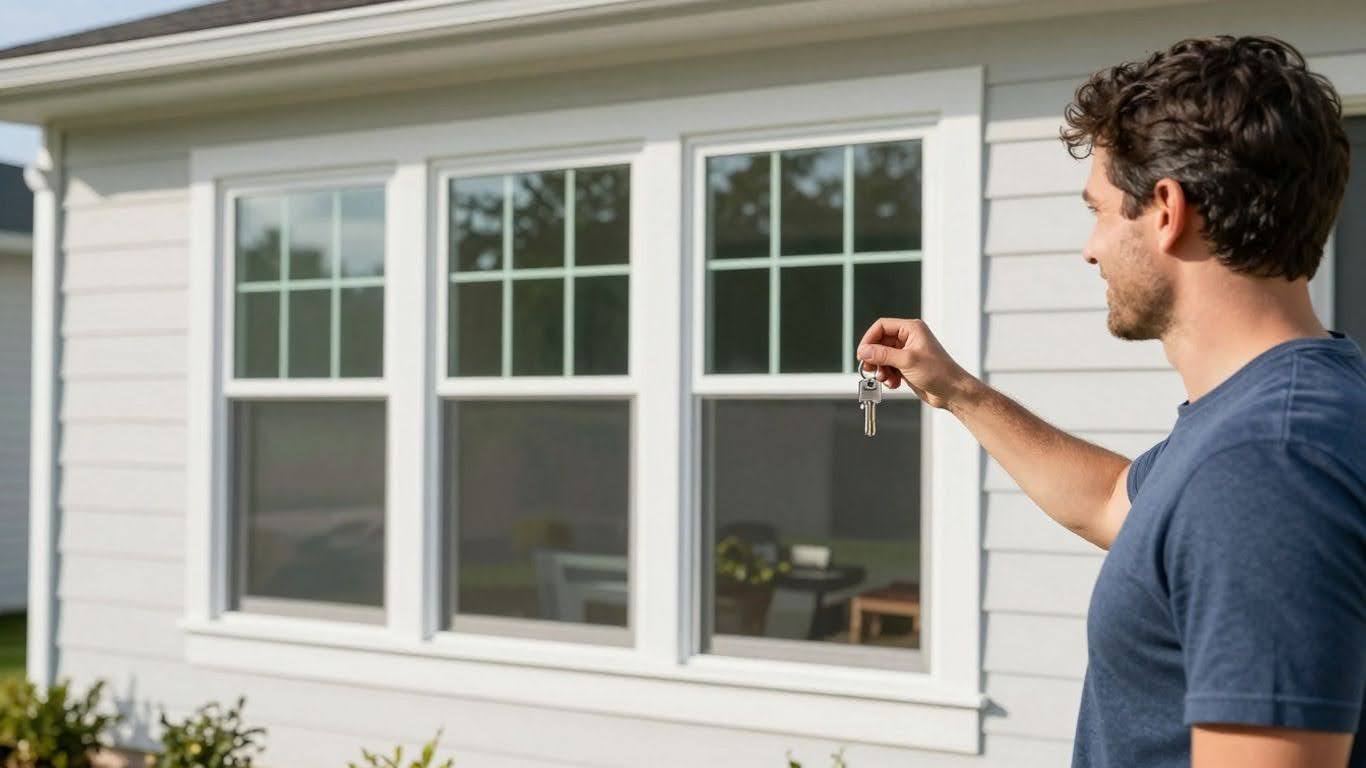
Replacing your old windows with impact-resistant ones can actually make a difference when it comes to your homeowners’ insurance bill. It’s not just about having a nicer-looking house; it’s about making your home tougher against storms, and insurance companies like that. Many insurers in Florida see impact windows as a smart move and are willing to offer you a break on your premiums for it.
Think of it this way: when your home is better protected, the insurance company’s risk goes down. Less risk often means lower costs for you. It’s a pretty straightforward trade-off. The exact amount you might save can vary a lot, depending on your insurance provider and the specific policy you have. Some might give you a small discount, while others could offer a more significant reduction, especially on the windstorm portion of your policy.
Potential for Reduced Homeowners’ Insurance Premiums
When you upgrade to windows that can handle high winds and flying debris, you’re essentially showing your insurance company that you’re taking proactive steps to protect your property. This can lead to a noticeable drop in your annual insurance costs. It’s a tangible benefit that comes from making your home more resilient. While not every policy will offer a discount, it’s definitely worth looking into, as many Florida policies do.
Discounts for Homes with Hurricane-Resistant Features
Insurance companies often have specific programs that reward homeowners for installing features that reduce the risk of damage during hurricanes. Impact-resistant windows are high on that list. These aren’t just any windows; they’re built with special materials and construction to withstand significant force. Because they significantly lower the chance of your home being damaged by wind-borne objects or high winds, insurers are happy to offer discounts. It’s their way of acknowledging your investment in home protection.
Here’s what you might find:
- Opening Protection Discounts: This is the most common type of discount related to windows. It’s for any system that protects your home’s openings (like windows and doors) from wind and debris.
- Wind Mitigation Discounts: Beyond just windows, insurers might offer broader discounts if your home has other features that help it withstand storms, such as reinforced roof connections or specific roof shapes.
- Reduced Deductibles: In some cases, having these protective features might even lead to a lower deductible if you do have to file a claim.
Consulting Your Insurance Agent Before Project Start
Before you even pick out your new windows, it’s a really good idea to chat with your insurance agent. They can tell you exactly what your insurance company requires to qualify for any discounts. You don’t want to go through the expense of replacing your windows only to find out you missed a key requirement for savings. Your agent can guide you on the necessary paperwork, like installation certificates and product approval numbers, which you’ll need to present to get those premium reductions. It’s a small step that can save you a lot of money and hassle down the line.
Making sure your new windows meet specific building codes and have the right certifications is key. Insurance companies want proof that the windows are not just new, but that they are approved for hurricane protection. This documentation is your ticket to potential savings.
Documentation for Insurance Eligibility and Requirements
So, you’ve decided to upgrade your windows in Jacksonville, which is a smart move, especially with our coastal weather. But to really get the most out of this, particularly when it comes to insurance, you’ve got to have the right paperwork. Think of it like this: the windows are the upgrade, but the documents are the proof that makes it count with your insurance company.
Proof of Compliance with Florida Building Code
This is a big one. Florida has some pretty strict rules for building, especially in areas like ours that can get hit by hurricanes. Your new windows need to meet these standards. This usually means they have to be rated for the wind speeds and debris impacts specific to our region. The manufacturer will have documentation showing their products meet these codes. It’s not just about having new windows; it’s about having windows that are approved for our environment.
Certificates of Installation from Licensed Contractors
Just buying the right windows isn’t enough. How they’re installed matters a lot. Insurance companies want to see that a qualified professional did the job. You’ll need a certificate from the contractor that installed your windows. This certificate should state that the installation was done correctly, following all manufacturer guidelines and building codes. Make sure your contractor is licensed and insured – that’s usually a requirement in itself.
Product Specifications and Approval Numbers
This is where you get into the nitty-gritty details. You’ll need the actual product specification sheets for the windows you chose. These sheets list things like the window’s impact rating, its wind load capacity, and importantly, any Florida Product Approval numbers or Miami-Dade County Notice of Acceptance (NOA) numbers. These numbers are like a stamp of approval, showing the windows have been tested and meet specific performance standards. Keep these handy!
Permits and Inspection Approvals
When you do a significant home improvement like replacing windows, you often need a permit from your local city or county building department. After the work is done, an inspector usually comes out to make sure everything was installed correctly and meets code. Having these permits and the final inspection approval shows your insurance company that the project was done legitimately and up to par. It’s another layer of proof that your home is now better protected.
Keeping all these documents organized is key. Think of them as your home’s “report card” for storm readiness. When you have them all together, it makes the process of getting insurance discounts or proving eligibility much smoother. It shows you’ve been proactive and invested in making your home safer and more resilient.
Here’s a quick rundown of what you should aim to collect:
- Window Manufacturer’s Data: Product spec sheets, Florida Product Approval numbers, or Miami-Dade NOA.
- Contractor’s Information: License number, proof of insurance, and a signed installation certificate.
- Permitting Records: Copies of the permit application and the final inspection approval sign-off.
- Invoices and Receipts: Proof of purchase and payment for the windows and installation services.
Jacksonville’s Climate and Window Protection Needs
Living in Jacksonville means dealing with a climate that really puts your home to the test, especially your windows. We’ve got those hot, sticky summers where the humidity just hangs in the air, and then, of course, there’s hurricane season. It’s not just about the wind, though; it’s the whole package that makes window choices so important here.
Regional Climate Characteristics and Challenges
Jacksonville sits in a humid subtropical zone. Think high temperatures regularly hitting the 90s, especially in the summer, and it feels even hotter with all that moisture. Afternoon thunderstorms are practically a daily event from June through September, bringing heavy rain and sometimes hail. And we can’t forget hurricane season, which runs from June 1st to November 30th. This means we’re always on alert for tropical storms and hurricanes that can bring serious wind and storm surge.
Coastal Salt Air Effects on Window Frames
If you live anywhere near the Atlantic coast or along the Intracoastal Waterway, the salt in the air is a real problem for window frames and hardware. It can speed up corrosion, making metal parts rust and degrade faster. This is something to consider when picking out new windows – you’ll want materials that can stand up to that salty environment.
Stringent Building Codes in Coastal Zones
Because of our location and the weather we experience, Florida has some pretty strict building codes, and they get even tougher the closer you are to the coast. These codes are designed to make sure homes can handle high winds and flying debris. Meeting these codes isn’t just about safety; it’s often a requirement for getting homeowners insurance or qualifying for certain discounts.
Here’s a quick look at what that means:
- Wind Speed Requirements: Depending on how far inland you are, your windows need to be rated to withstand different wind speeds, often ranging from 130 mph to over 140 mph.
- Debris Protection: Areas designated as Wind-Borne Debris Regions (WBDR) have specific rules about protecting openings from flying objects during a storm.
- Coastal vs. Inland: While not in the strictest High Velocity Hurricane Zones (HVHZ) like South Florida, Northeast Florida still has areas with significant wind and debris concerns that dictate window performance.
Understanding these regional climate factors and the building codes they influence is the first step in choosing windows that will protect your home and potentially lower your insurance costs. It’s about making smart choices for our specific environment here in Jacksonville.
Qualifying for Insurance Discounts with Upgrades
So, you’re thinking about getting those fancy impact-resistant windows for your place in Jacksonville? That’s a smart move, not just for keeping your home safe during a storm, but also because your insurance company might actually give you a break on your premiums. It’s like getting rewarded for being proactive about protecting your property. Many insurers see these upgrades as a big step in reducing their risk, and they’re often willing to pass some of those savings on to you.
Demonstrating Proactive Risk Mitigation
When you install impact-resistant windows, you’re not just putting in new glass; you’re actively making your home more resilient to the kind of weather Jacksonville can throw at it. This shows your insurance provider that you’re serious about preventing damage. Think of it as a tangible way to lower the chances of a costly claim down the line. Insurers like to see that homeowners are taking steps to protect their investments, and these windows are a prime example of that.
Meeting Standards for Opening Protection
To get those discounts, your new windows need to meet specific standards for what’s called “opening protection.” This basically means they’re built to withstand the impact of wind-borne debris, which is a huge concern here in Florida. It’s not enough to just have any old window; they need to be certified. You’ll want to make sure the windows you choose have the proper product approval numbers, often from entities like the Florida Building Code or Miami-Dade County, which are known for their stringent testing.
Here’s a quick rundown of what you’ll likely need:
- Product Approval Documentation: This shows your windows meet the required impact and wind-resistance standards. Look for Florida Product Approval numbers or Miami-Dade Notice of Acceptance (NOA).
- Certificate of Installation: A licensed and reputable contractor should provide this, confirming the windows were installed correctly according to manufacturer and code requirements.
- Permit and Inspection Records: Your local building department’s approval signifies that the installation adheres to all local building codes.
Additional Discounts for Wind Mitigation Features
Sometimes, upgrading your windows is just one piece of the puzzle. Insurers might offer even more discounts if you’ve taken other steps to make your home more storm-ready. This could include things like:
- Roof-to-wall connections: Stronger ties between your roof and walls make the whole structure more stable.
- Roof covering: Using materials that are rated for high winds.
- Secondary water resistance: An extra layer of protection to prevent water intrusion if the primary roof covering is damaged.
It’s worth asking your insurance agent about a wind mitigation inspection. This type of inspection specifically looks for these kinds of features and can help identify all the potential discounts you might qualify for. It’s a great way to maximize your savings and make your home as secure as possible.
When you’re looking for a contractor to install your new windows, don’t just pick the first name you see. It’s really important to do your homework. Make sure they’re licensed, insured, and have good references. A shoddy installation can cause more problems than it solves, and it might even mess up your chances of getting those insurance discounts. Getting a few quotes and checking their background thoroughly will save you a lot of headaches later on.
Benefits Beyond Insurance Eligibility
Replacing your old windows with impact-resistant ones in Jacksonville isn’t just about potentially lowering your insurance bills, though that’s a big plus. There are other good reasons to make the switch that make your home a better place to live.
Enhanced Home Safety and Security
These new windows are tough. They’re designed to stand up to flying debris during a storm, which means less chance of windows breaking and dangerous stuff getting blown into your house. This keeps your family safer during bad weather. Plus, they make your home more secure against break-ins because they’re harder to force open.
Improved Energy Efficiency and Cost Savings
Many impact-resistant windows come with special coatings, like Low-E glass. This stuff reflects heat away from your home in the summer and keeps heat inside during the winter. What does that mean for you? Your air conditioner and heater won’t have to work as hard. This can lead to noticeable savings on your monthly energy bills. It also makes your home more comfortable year-round, no matter the weather outside.
Increased Property Value and Marketability
When it’s time to sell your home, having updated, storm-ready windows is a big selling point. Buyers, especially here in Florida, know the importance of hurricane protection. They see these windows as a sign that the home has been well-maintained and is prepared for local weather challenges. This can make your home more attractive to potential buyers and could even help you get a better price.
- Better comfort: Consistent indoor temperatures.
- Quieter living: Reduced outside noise.
- UV protection: Helps prevent furniture and flooring from fading.
Upgrading your windows is an investment in your home’s overall well-being. It’s about creating a more secure, comfortable, and valuable living space for you and your family, with the added bonus of potential insurance savings.
Navigating Grants and Incentives for Impact Windows
Financial Assistance for Hurricane Mitigation Efforts
So, you’re thinking about getting those impact windows installed in Jacksonville? That’s a smart move, especially with Florida’s weather. But let’s be real, they can be a bit pricey upfront. The good news is, there are ways to get some help with the cost. The state of Florida has programs designed to help homeowners like you make these important upgrades. It’s all about getting your home ready for hurricane season and making it safer.
Checking Eligibility for State Programs
The main program to look into is called ‘My Safe Florida Home.’ It’s set up to give homeowners a hand with projects that make their houses tougher against storms. Here’s a quick rundown of how it generally works:
- Free Inspection: First off, you can get a free inspection of your home. Someone comes out and checks what needs strengthening, like your windows, doors, and roof.
- Grant Application: If your home meets the requirements, you can then apply for a grant. This isn’t just a small amount, either. For every dollar you put into eligible upgrades, the state might match it with two dollars, up to a certain limit. This matching grant can significantly cut down your out-of-pocket expenses.
- Low-Income Assistance: There are also specific provisions for homeowners with lower incomes, which can provide a set amount of grant money without requiring a match.
It’s really important to check the official ‘My Safe Florida Home’ website for the most current details on eligibility, application steps, and what types of upgrades are covered. Things can change, so always get the latest info straight from the source.
Offsetting the Cost of Impact-Resistant Windows
Beyond the direct grant money, there are other perks. For a while, there was a sales tax exemption on qualifying purchases, which is another way to save money. Plus, remember that getting these windows installed can also lead to lower insurance premiums down the line. It’s like a triple win: safer home, potential savings on taxes, and lower insurance bills. It makes the initial investment feel a lot more manageable when you look at the bigger picture.
Investing in impact-resistant windows isn’t just about meeting building codes or appeasing insurance companies. It’s a proactive step towards protecting your property and your family from the severe weather common in coastal Florida. The available grants and incentives are there to make this vital protection more accessible.
Wrapping It Up
So, when you’re thinking about swapping out those old windows in Jacksonville, remember it’s more than just a facelift for your house. Getting the right kind of windows, especially the impact-resistant ones, can actually make a difference with your insurance. It’s not a guarantee, but many insurance folks see it as a smart move against storm damage, and that can sometimes mean a break on your premiums. Plus, you’re making your home tougher against those Florida storms. Just be sure to keep all the paperwork – the receipts, the contractor info, the approvals – because that’s what your insurance company will want to see to give you any potential discounts. It’s a bit of legwork, but it could pay off in the long run for both your wallet and your peace of mind.
Frequently Asked Questions
Will putting in new windows save me money on my home insurance?
Yes, often! Many insurance companies in Florida give discounts if your home has windows that can handle hurricanes. Think of it like this: if your house is better protected, it’s less likely to have expensive damage. So, they might lower your insurance bill. It’s always a good idea to chat with your insurance agent before you start any work to see what you might qualify for.
Are impact windows a must-have in Jacksonville?
It really depends on where you live, especially near the coast. Florida has building rules that require special windows, like impact-resistant ones, in areas that get hit hard by hurricanes. Even if they aren’t strictly required by law for your exact address, many insurance companies strongly suggest or even require them because they offer such good protection. Your local building office can tell you for sure.
What kind of proof do I need to show my insurance company about my new windows?
You’ll likely need a few things. This includes proof that the windows meet Florida’s building codes for safety, like special approval numbers. You’ll also need papers from the licensed contractor who installed them, showing they did the job right. Sometimes, you might need permits and inspection reports too. Keeping all these papers safe is important!
Besides insurance, what are other good things about impact windows?
Impact windows do more than just help with insurance! They make your home much safer by stopping flying debris during storms. They can also make your home more energy-efficient, meaning your air conditioner won’t have to work as hard, saving you money on electricity. Plus, they can make your home more attractive to buyers and potentially increase its value.
Can I get help paying for impact windows?
Sometimes, yes! There are programs in Florida that might offer money or help to homeowners who are making their homes safer from hurricanes. Programs like ‘My Safe Florida Home’ are designed for this. You should check online or with your local government to see if you qualify for any grants or special offers that can help pay for these upgrades.
What makes Jacksonville’s weather tricky for windows?
Jacksonville has a humid climate with hot summers and frequent thunderstorms. But the biggest concern is hurricane season. Being near the coast means dealing with strong winds and potential flying debris. Also, the salty air near the ocean can be tough on window frames over time. All these things mean windows here need to be extra tough and meet strict building rules.