Thinking about staying in your home as you get older? That’s a great idea, and updating your windows in Jacksonville, FL can really help make it happen. It’s not just about looks; new windows can make your home safer, more comfortable, and easier to manage. This is especially true here in Florida, with our unique weather. Let’s look at how window replacement supports aging-in-place home design.
Key Takeaways
- Replacing old windows with modern, durable options boosts home safety, especially against Jacksonville’s coastal weather. Think impact-resistant glass and strong locks.
- Energy-efficient windows help keep your home at a comfortable temperature year-round, cutting down on cooling costs in our hot climate.
- Choosing the right window styles, like easy-to-operate casements or double-hung windows, makes ventilation simple and complements your home’s look.
- Durable materials like vinyl frames and good sealing are important for handling Florida’s humidity and reducing maintenance work over time.
- Getting professional installation is a must to make sure your new windows fit perfectly, work right, and meet all local building rules.
Mitigating Florida’s Harsh Weather Through Window Upgrades
Living in Jacksonville means dealing with some serious weather. We get intense sun, heavy rain, and the occasional strong storm. Old windows just aren’t built to handle all that, and they can become a real weak spot for your home. Upgrading your windows is a smart way to protect your house and keep things comfortable, no matter what the sky throws at us.
Protecting Your Home with Impact-Resistant Windows
When we talk about Florida weather, hurricanes and strong winds come to mind. Standard windows can shatter easily during a storm, letting in wind and rain, which can cause a ton of damage inside. Impact-resistant windows are designed to take a beating. They have special, stronger glass and frames that can stand up to high winds and flying debris. This means less worry about broken glass and water getting into your home when the weather gets rough. Plus, these tough windows also make your home more secure against break-ins.
Reducing Insurance Premiums with Storm-Ready Glass
Did you know that putting in impact-resistant or storm-ready windows can actually lower your home insurance costs? Insurance companies see these windows as a big plus because they’re much less likely to break during a storm. This means fewer claims for them, and they often pass those savings on to you in the form of lower premiums. It’s a win-win: you get better protection for your home, and you save money on your insurance policy. Some homeowners might see a reduction of 10-15% on their premiums.
Ensuring Compliance with Florida Building Codes
Florida has specific building codes designed to make homes more resilient to hurricanes and high winds. When you replace your windows, especially if you’re in a coastal area or a high-wind zone, it’s important that your new windows meet these codes. Using windows that are certified to meet Florida’s standards means they’ve been tested and proven to perform under pressure. This not only keeps your home safer but also avoids potential issues down the line, like problems with insurance or future sales if your home doesn’t meet current regulations.
Here’s a quick look at what makes windows code-compliant:
- Impact Resistance: Ability to withstand the force of wind-borne debris.
- Wind Load Ratings: How well the window holds up against high wind pressures.
- Frame Strength: The frame must be robust enough to support the glass under stress.
- Proper Installation: Even the best windows won’t perform if they aren’t installed correctly according to code.
Upgrading your windows is more than just a cosmetic change; it’s a practical investment in your home’s safety and longevity, especially here in Florida. By choosing the right type of windows, you’re actively protecting your property from the elements and potentially saving money on insurance and future repairs.
Boosting Home Value and Curb Appeal
Replacing your windows isn’t just a nice-to-have. It can make a real difference in what your house is worth and how others see it. In Jacksonville, where curb appeal faces everything from salty air to scorching sun, those upgrades matter even more.
Achieving a High Return on Investment
People looking to buy notice windows right away — and if yours are old, it’s an easy reason for them to walk or negotiate your price down. Window replacements tend to bring back a solid chunk of what you put in. Here’s a quick look at estimated returns for window upgrades in Jacksonville:
| Improvement | Avg. Cost | Estimated Value Added | Return on Investment |
| Standard Vinyl Windows | $10,000 | $7,800 | 78% |
| High-Efficiency Units | $12,000 | $9,360 | 78% |
Unlike most updates, these benefits last for years — not just until next season’s trends change.
Enhancing Exterior Aesthetics
You can spot aging windows from the sidewalk. Cracked frames, foggy glass, or awkward patch jobs pull down the look of an otherwise solid house. With new windows, you get:
- Fresh, modern appearance with clean lines
- Uniformity that makes the whole property look maintained
- Custom options to fit any style (from classic to coastal)
Giving your home new windows instantly gives it that “well-cared-for” look — even if the rest of your upgrades come later on.
Attracting More Buyer Interest
New windows are an easy check mark on a buyer’s must-have list:
- Buyers are less worried about future repairs and maintenance.
- Homes with upgraded windows stand out in online listings — those bright, crisp photos grab attention.
- Many buyers actively seek homes that offer better insulation and energy savings from day one.
Having new windows means you’re not just repairing something — you’re investing in years of extra value and wider appeal, both now and when it’s time to sell.
Achieving Long-Term Savings Through Energy Efficiency
Look, nobody gets excited about replacing windows. It’s not like buying a new TV or redoing the kitchen. But honestly, it’s one of those home projects that really pays off over time, especially here in Jacksonville, where the sun and humidity can really do a number on your energy bills. Old windows are basically like leaving a door open to the outside, letting all your nice, cool air escape in the summer, and letting that hot, sticky air creep in. It’s a constant battle for your air conditioner, and you’re the one footing the bill.
Lowering Monthly Utility Bills
This is probably the most obvious benefit. When you swap out those old, single-pane windows for modern, energy-efficient ones, you’re creating a much better barrier against the elements. Think about windows with double or even triple panes, special coatings that reflect heat, and frames that are sealed up tight. These features work together to keep the heat outside where it belongs during our long, hot summers. This means your AC doesn’t have to run nonstop, which directly translates to lower electricity bills. It’s not just a little bit either; many people report significant savings.
Here’s a quick look at what makes new windows so much better:
- Low-E Coatings: These coatings on the glass help reflect heat away from your home. They’re like sunglasses for your windows, blocking out the sun’s heat without making it too dark inside.
- Gas Fills: The space between the panes of glass can be filled with gases like argon or krypton. These gases are better at insulating than regular air, slowing down heat transfer.
- Insulated Frames: The frames themselves can be a weak point. Modern windows use materials and designs that prevent heat from traveling through them.
Reducing HVAC System Strain
When your windows aren’t doing their job, your HVAC system has to work overtime. Imagine trying to cool your house when hot air is constantly seeping in through leaky window frames and inefficient glass. Your air conditioner is constantly running, trying to catch up. This constant strain doesn’t just cost you more in energy; it also puts wear and tear on your system. Over time, this can lead to more frequent breakdowns and the need for costly repairs or even premature replacement of your AC unit. New, efficient windows reduce this workload significantly. Your HVAC system can run more smoothly, last longer, and require fewer repairs. It’s like giving your air conditioner a much-needed break.
Old windows are a silent drain on your home’s resources. They force your heating and cooling systems to work harder than they need to, leading to higher bills and shorter equipment lifespans. Upgrading is an investment in the efficiency and longevity of your entire home’s climate control.
Maintaining Stable Indoor Temperatures Year-Round
Beyond just saving money, energy-efficient windows make your home a much more comfortable place to live. You know those annoying cold spots near windows in the winter, or how some rooms get unbearably hot in the afternoon sun? New windows help eliminate those temperature inconsistencies. They create a more uniform temperature throughout your house, so you don’t have to constantly adjust the thermostat or rely on fans and space heaters. This steady indoor climate is not only more pleasant but also better for people with allergies or sensitivities to temperature changes. You’ll notice fewer drafts, less condensation on the glass, and a general feeling of coziness, no matter what the weather is doing outside.
Preventing Costly Secondary Damages
When a storm hits Jacksonville, it’s easy to focus on the big stuff – a leaky roof, downed trees. But those cracked or broken windows? They might seem like a minor inconvenience at first, but letting them go can really open the door to a whole host of expensive problems down the line. Ignoring damaged windows is like leaving your front door wide open for trouble.
Avoiding Water Infiltration and Mold Growth
Even a tiny crack in your window glass is an invitation for water. Here in Florida, with our humidity and frequent rain, that water doesn’t just sit there; it gets in. It can seep behind your window frames, into your walls, and onto your insulation. Once that moisture gets trapped, especially in the warm, damp air we often have, mold can start to grow. And dealing with mold? That’s a whole different ballgame, often requiring professional remediation that can cost thousands. Plus, the longer water sits, the more it can damage drywall, paint, and even the wood framing around your windows.
Preserving Structural Integrity Around Windows
Those window frames and sills aren’t just decorative. They’re part of your home’s structure. When water gets in through damaged glass, it can start to rot the wood, corrode metal components, and weaken the seals that keep your home protected. What might have started as a simple glass replacement can turn into a much bigger job if the surrounding materials have started to deteriorate. You might end up needing to replace not just the glass, but the entire frame, or even repair parts of your wall that have been compromised.
Minimizing Future Repair Expenses
Think of it like this: a small problem, if ignored, usually becomes a bigger, more expensive problem. That’s definitely true with windows. If you have a cracked pane, the glass could be more prone to shattering completely with the next gust of wind or even just temperature changes. This means you might end up paying for emergency board-ups, dealing with more extensive glass damage, and potentially facing higher costs if you have to file multiple insurance claims over time. Acting quickly after damage occurs is usually the most cost-effective approach.
The longer you wait to fix a damaged window, the more likely it is that secondary issues will arise. These issues, like water damage and mold, often cost significantly more to repair than the initial window damage itself. Prompt attention to window problems is key to keeping overall home repair costs down.
Investing in Durability and Low-Maintenance Materials
When you’re looking at replacing the windows in your Jacksonville home, it’s easy to get caught up in the upfront cost or how they look right away. But a big part of saving money in the long run is picking materials that are built to last, especially with Florida’s weather. You want windows that can handle the constant humidity, the strong sun, and the occasional wild storm without falling apart or needing constant attention. Choosing the right materials means fewer repair bills and less hassle for you over the years.
Choosing Materials for Florida’s Climate
Florida’s climate, particularly here in Jacksonville, throws a lot at your windows. High humidity can make wood rot and metal corrode, while intense sun can warp and degrade other materials. That’s why certain window frame materials really shine in our area:
- Vinyl: This is a top choice for good reason. Vinyl frames, usually made from PVC, don’t rot, warp, or rust. They hold up really well against moisture and sun, meaning they won’t break down quickly. Plus, they often have gaps that can be filled with insulation, making them a great barrier against heat and cold.
- Fiberglass: Another super durable option. Fiberglass is incredibly strong and resists warping even in extreme heat. It’s also a good insulator, helping to keep your home’s temperature steady.
- Aluminum: While strong and good for large window designs, aluminum can be less energy-efficient than vinyl or fiberglass if not properly treated or designed. It’s a solid choice for durability, but might need extra attention for insulation.
Wood windows, while beautiful, tend to require a lot more upkeep in a humid climate like ours, often needing regular painting or sealing to prevent rot and water damage. For long-term savings and less work, vinyl and fiberglass are usually the way to go.
Understanding Window Lifespans
How long can you expect your new windows to last? It really depends on the quality of the window and the materials used. Cheaper windows might start showing wear and tear much sooner, leading to drafts, leaks, or even frame damage. High-quality windows, especially those made from durable materials like vinyl or fiberglass, can last for decades – often 20 to 30 years or even longer with proper care. This longevity is a key factor in reducing your long-term repair costs. You’re not just buying windows; you’re investing in a component of your home that should perform well for a very long time.
Here’s a general idea of what to expect:
| Material | Typical Lifespan (Years) | Maintenance Needs in Florida Climate |
| Vinyl | 20-30+ | Very Low |
| Fiberglass | 25-30+ | Low |
| Aluminum | 15-25+ | Low (check for corrosion) |
| Wood (Clad) | 15-25+ | Moderate (exterior protection needed) |
Simplifying Home Maintenance Routines
One of the biggest perks of investing in durable, modern windows is how much easier they make your life. Forget spending your weekends scraping paint or dealing with sticky sashes. Many of today’s windows are designed with low-maintenance in mind. The materials themselves resist dirt and grime buildup, meaning a simple wipe-down is often all that’s needed to keep them looking good and functioning properly. This is a huge win for homeowners who’d rather be doing anything else than scrubbing windows. It means less time spent on upkeep and more time enjoying your home and the Jacksonville sunshine.
When you choose windows built for durability and ease of care, you’re not just making a purchase; you’re making a decision that simplifies your life for years to come. The right materials mean less worry about weather damage, fewer unexpected repair bills, and more time to enjoy your home without constant upkeep.
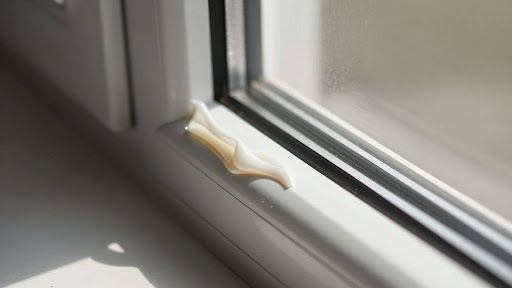
Think about the seals around the glass, too. In our humid environment, seals can break down over time, leading to drafts or water getting in. High-quality windows use special sealants that are made to resist this breakdown, keeping your windows working right and preventing air leaks. This attention to detail in materials and construction is what truly cuts down on future repair needs.
Enhancing Home Safety and Accessibility
Improving Home Security Features
When you’re thinking about keeping your home safe, especially here in Jacksonville with our coastal weather, windows are a big part of the picture. Old windows can be a weak spot, letting in more than just air. Replacing them with modern, tough options makes a real difference. We’re talking about windows built to handle strong winds and rain, which also makes them harder for unwanted visitors to get through. Think about windows with strong frames and special glass that can take a beating from a storm. It’s not just about protecting your stuff from the weather; it’s about making your home a more secure place overall. Plus, the locking mechanisms on new windows are usually much better than what you find on older ones. They often have multiple points that lock, making them way more difficult to force open. It’s a simple upgrade, but it gives you a lot more peace of mind.
Facilitating Aging-In-Place Design
Planning to stay in your home for the long haul? New windows can really help make that easier and safer. For folks who want to age in place, the way windows operate is super important. You don’t want to be struggling to open or close heavy sashes. Windows with easy-to-use cranks, like casement windows, are a great choice. They’re simple to operate, even if you have trouble with your hands. Slider windows are also a good bet because they glide open easily. Beyond just opening and closing, good windows help keep your home comfortable year-round. That means less worry about drafts in the winter or too much heat in the summer, making your home a more pleasant place to be as you get older. It’s about making your home work for you, not against you.
Selecting Easy-to-Operate Window Styles
Choosing the right window style isn’t just about looks; it’s about how you live in your home every day. For ease of use, especially if you’re thinking about aging in place or just want less hassle, some styles are definitely better than others. Here’s a quick rundown:
- Casement Windows: These crank open from the side, much like a door. The crank mechanism is usually easy to turn, and they seal up really tight when closed, which is great for our Florida weather. They also offer great ventilation control.
- Slider Windows: These windows slide open horizontally. They’re a good option for wider openings and are generally pretty simple to operate. No heavy lifting required.
- Double-Hung Windows: While some older double-hung windows can be a bit stiff, many modern ones come with features like tilt-in sashes. This makes cleaning them a breeze, especially if they’re on an upper floor. You can clean them from the inside without any fuss.
When picking new windows, think about how often you’ll open them and if you’ll need to clean them regularly. Simple operation and easy maintenance are key for long-term comfort and accessibility in your Jacksonville home. It’s about making daily tasks less of a chore.
Ultimately, upgrading your windows is a smart move for both security and making your home more livable for years to come.
The Takeaway: Investing in Your Jacksonville Home
So, when it comes down to it, swapping out those old, tired windows for new ones is a smart move that saves you money in the long run. Think about it: less money spent on energy bills every month, fewer headaches from constant repairs, and a home that’s more comfortable year-round, no matter what Florida’s weather throws at us. Plus, you get that peace of mind knowing your home is better protected. It’s really an investment that pays off, making your home more valuable and your life a little bit easier.
Reducing long-term repair costs starts with choosing the right windows and the right installation approach. You can explore Wallaby Windows’s window replacement services, compare available window styles, see how our installation process works, or connect with our team by requesting a free assessment or booking a visit.
Frequently Asked Questions
How long does it usually take to replace windows?
Most window replacement jobs are finished in about 1 to 3 days, depending on how many windows you’re getting done. A single window typically takes an hour or two. Our team works quickly to get the job done without messing up your daily life too much.
What are the signs that my windows need to be replaced?
Watch out for drafts coming through the window frame, or if your windows are hard to open, close, or lock. You might also see fog between the glass panes or notice that the frames are damaged or rotting. If your energy bills are going up because your home isn’t insulated well, or if you can hear a lot of outside noise, it’s probably time for new windows.
Will new windows actually help me save money on energy bills?
Yes, definitely! Energy-smart windows can cut your heating and cooling costs by a good amount. They have special glass and better frames that keep the cool air in during the summer and the warm air in during the winter. Many people find that the money they save on energy pays for the new windows over time.
Do I really need hurricane-proof windows in Jacksonville?
It’s a really good idea to have them, especially if you live near the coast. Hurricane windows are built tough to handle strong winds and flying debris from storms. They can also help lower your home insurance costs and make your home more secure. It’s about peace of mind when storm season rolls around.
What kind of window materials are best for Florida’s weather?
For our hot and humid climate, vinyl windows are a great choice because they’re affordable, don’t need much upkeep, and are good at saving energy. Fiberglass windows are also very strong and insulate well. Just make sure whatever you choose has good seals to keep moisture out.
How long do new windows typically last?
Good quality windows usually last a long time, often 15 to 25 years, and sometimes even longer with good care. Materials like vinyl and fiberglass tend to hold up better in Florida’s humidity compared to wood. The quality of the installation also plays a big role in how long they last.