Living in Jacksonville, FL means dealing with a lot of humidity and the occasional storm. These things can really take a toll on your home, especially your windows. Old or damaged windows don’t just look bad; they can actually let in moisture, which is a big problem. This can lead to mold growing in your house, which is unhealthy and can damage your home’s structure. Thinking about replacing your windows? It’s a smart move, and it can make a big difference in keeping your home dry and mold-free. We’re going to look at how window replacement in Jacksonville FL impacts moisture control and mold prevention.
Key Takeaways
- Jacksonville’s humid, salty air and temperature changes put extra stress on windows, making them prone to moisture issues.
- Replacing old or damaged windows with new ones that have good seals helps stop water from getting in, which is key to preventing mold.
- Choosing the right frame materials, like vinyl or fiberglass, is important because they hold up better against moisture and salt than wood.
- Impact-resistant windows not only protect against storms but also reduce air leaks, further helping to control moisture inside your home.
- Upgrading to energy-efficient windows can lower your cooling costs and, by reducing condensation, play a role in preventing mold growth.
Understanding Jacksonville’s Climate Impact on Windows
Living in Jacksonville means dealing with some pretty unique weather patterns, and our windows really take a beating because of it. It’s not just about keeping the rain out; it’s a constant battle against heat, humidity, and sometimes even salty air.
The Role of High Humidity in Coastal Florida
Jacksonville is practically synonymous with humidity. It’s that sticky, heavy air that seems to hang around all year, but it really ramps up in the summer. This constant moisture in the air can be tough on your home, especially your windows. When warm, moist indoor air hits a cooler window surface, condensation can form. Over time, this moisture can seep into window frames and even walls, creating a perfect breeding ground for mold and mildew. It’s a sneaky problem that can really affect your home’s health and your family’s well-being.
Seasonal Temperature Swings and Their Effects
While we’re known for our heat, Jacksonville does experience temperature swings, especially between the hot summers and milder winters. Even those cooler winter mornings can cause issues. When the inside of your house is warm and humid from heating and cooking, and the outside glass gets cold, you get condensation. This isn’t just annoying; it’s a sign that your windows might not be sealing properly or are poorly insulated, letting that moisture linger where it shouldn’t.
Salt Air’s Impact on Window Seals
Being a coastal city, Jacksonville’s air often carries salt. This salt air is corrosive. It can slowly break down the seals and materials of your windows over time. Think about it: the constant exposure to salt and moisture can degrade the protective coatings on metal parts and even weaken the seals between glass panes. When these seals fail, it’s not just about losing energy efficiency; it opens the door for water and humidity to get in, leading to bigger problems down the line.
How Window Replacement Addresses Moisture Issues
Old windows can really let you down when it comes to keeping moisture out. You might not even realize how much of a problem it is until you start seeing the signs. It’s not just about drafts or high energy bills, though those are bad enough. We’re talking about potential water damage and even mold, which nobody wants in their home.
Identifying Signs of Failing Windows
So, how do you know if your windows are past their prime? It’s usually a combination of things. You might notice that windows are getting harder to open or close – sometimes they just get stuck altogether. That’s a big clue. Then there’s the visual stuff. Look for any signs of rot, especially around wooden frames. If you see warping, where the frame isn’t straight anymore, that’s another red flag. And don’t forget about the seals. If you see condensation or fogging between the panes of glass, the seal has failed, and moisture is getting in where it shouldn’t.
Here are some common indicators:
- Sticking or difficult-to-operate sashes.
- Visible rot, decay, or warping in the window frames.
- Condensation or fogging between the glass panes.
- Drafts of air coming in around the window edges.
- Water stains or damage on the interior or exterior trim.
The Link Between Poor Seals and Water Damage
Think of window seals like the weather stripping on your car door. They’re there to keep the elements out. When those seals start to break down, which they do over time, especially with Jacksonville’s humidity and salt air, water can find its way in. It might be just a little bit at first, maybe during a heavy rainstorm. But that small amount of water can start to cause real problems. It can seep into the window frame, the surrounding wall, and even the insulation. Over time, this constant moisture creates a perfect environment for mold and mildew to grow. Plus, it can lead to wood rot, which weakens the structure of your home.
Condensation: A Warning Sign for Your Windows
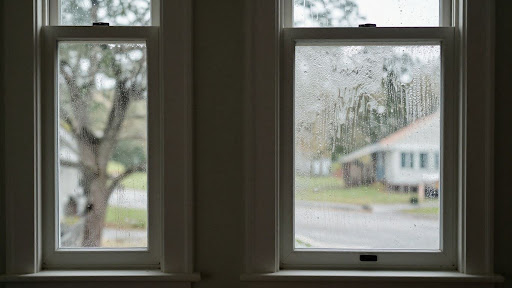
Condensation on your windows is more than just an annoyance; it’s often a clear signal that something’s wrong. In Jacksonville, we deal with high humidity year-round. When the warm, moist air inside your home meets the cooler surface of an old window pane, condensation forms. This is especially true in the winter when you’re running the heat, making the indoor air drier but still humid. If you’re seeing water droplets forming on the inside of your windows, or that persistent fogging between the glass, it means your windows aren’t insulating properly. This isn’t just about comfort; it’s a direct indicator of moisture getting trapped and potentially causing damage behind the scenes. Replacing these windows with modern, well-sealed units can significantly reduce this condensation and prevent future moisture problems.
When you notice condensation, especially if it’s a regular occurrence, it’s your home’s way of telling you that the window’s seal is compromised. This allows humid air to get in and can lead to bigger issues like mold growth and material decay if left unaddressed. It’s a sign that the window isn’t performing its job of keeping the inside and outside environments separate like it should.
Choosing the Right Window Materials for Florida
When you’re thinking about replacing windows in Jacksonville, FL, especially with our unique weather, the materials matter a whole lot. It’s not just about how they look, but how they stand up to the heat, the humidity, and those sudden storms. Picking the wrong stuff can lead to headaches down the road, like mold or water damage.
Durable Frame Options for Humid Climates
Jacksonville’s air is thick with moisture pretty much year-round. This means your window frames need to be tough. They can’t just sit there and soak up the dampness. We’ve got a few good options that tend to work well here:
- Vinyl: This is a super popular choice for a reason. Vinyl frames don’t rot, they don’t corrode, and they’re pretty low maintenance. Plus, they’re usually a good bet for energy efficiency.
- Fiberglass: Another strong contender. Fiberglass is really durable, doesn’t expand or contract much with temperature changes, and it’s resistant to moisture. It’s a bit more of a premium option, but it holds up.
- Aluminum (with coatings): While pure aluminum can sometimes have issues with corrosion in salty air, modern aluminum frames often come with special coatings that protect them. They’re strong and can be a good choice, especially if you’re looking for a slimmer profile.
Resisting Corrosion and Moisture Damage
Think about it: your windows are exposed to rain, salty air from the coast, and just general dampness. If the frame material isn’t up to the task, you’ll start seeing problems. Corrosion can weaken the frame, and moisture can seep into your walls, creating a perfect breeding ground for mold. That’s why materials like vinyl and fiberglass are often recommended. They’re built to handle this kind of environment without breaking down.
The wrong frame material can turn a simple window into a weak point for your home’s defenses against the elements. Over time, this can lead to bigger issues than just a drafty window.
The Downsides of Wood Frames in Florida
Wood windows look beautiful, I get it. They have a classic charm. But in a place like Jacksonville, they can be a real pain. Wood naturally absorbs moisture. In our humid climate, this can lead to:
- Swelling: Frames can warp and become difficult to open or close.
- Rotting: Constant dampness can cause the wood to decay from the inside out.
- Mold and Mildew: These thrive in moist, organic materials, making wood windows a prime target.
While wood windows can be made to work in Florida with constant upkeep and special treatments, for most homeowners, the maintenance hassle and the increased risk of moisture-related problems make them a less ideal choice compared to more modern, resistant materials.
Impact-Resistant Windows and Mold Prevention
Hurricane Protection and Structural Integrity
Jacksonville’s hurricane season isn’t something homeowners can just ignore. Those strong winds can send debris flying right at your house, and windows are usually the first things to go. Impact-resistant windows stand up to these storms a lot better than regular ones. Besides keeping the broken glass out, they help keep water and humid air outside where they belong, protecting the structure from leaks and long-term moisture damage.
Key features of impact-resistant windows:
- Tough laminated glass that stays together even when it cracks
- Reinforced frames that don’t twist or warp under pressure
- Seals designed for Florida’s heavy rain and high winds
A window that stays in one piece after a storm means far less water making its way inside the walls—that’s the biggest step you can take in stopping mold before it starts.
Reducing Air Leaks for Better Moisture Control
Old or damaged windows are drafty. Every little gap around a dated window lets humid air sneak inside, and in Jacksonville, the air is just about always humid. Impact-resistant windows are built with tighter seals and better weatherproofing, helping you:
- Lower the chance of water sneaking in during storms
- Cut down on drafts that bring moisture indoors
- Create a steadier, drier indoor environment
It’s not just about the hurricane performance; it’s about everyday moisture, too. These windows make it harder for condensation and leaks to set up the kind of damp corners mold loves.
The Benefits of Modern Window Seals
Most new impact windows in Florida come with advanced sealing systems. These seals are specifically meant to handle:
- Constant humidity (it’s pretty much the default setting outside most of the year)
- Sudden pressure changes from storms
- Years of sun, salt, and rain without breaking down
And here’s the deal: If your window seals hold up, you’re way ahead in the fight against mold.
Here’s a quick look at different seal types and how they help:
| Seal Type | Best For | Mold Resistance |
| Compression Gasket | Everyday air and water barriers | High |
| Silicone Caulk | Sealing corners and edges | High |
| Butyl Tape | Flexible, durable weather seal | Medium |
So, when you choose impact-resistant windows, you’re getting more than just storm protection. You’re also stepping up your home’s ability to stay dry, keep mold from spreading, and take on all the moisture that coastal Florida throws your way. It’s one upgrade you really notice, especially when the next big storm comes around.
Energy Efficiency and Its Role in Mold Prevention
When we talk about replacing windows, it’s easy to get caught up in how they look or how much they cost upfront. But there’s a big piece of the puzzle that often gets overlooked: how energy-efficient windows can actually help keep mold and mildew from taking over your home, especially here in humid Jacksonville.
Reducing Heat Gain to Lower AC Usage
Think about it – on a hot, sticky Jacksonville day, your air conditioner is working overtime. This constant struggle to cool your home not only racks up your electricity bill but also creates a specific environment inside. When warm, moist air from outside finds its way into your home through leaky, old windows, it can condense on cooler surfaces. This is especially true if your AC is running hard and making interior surfaces colder. New, energy-efficient windows are designed to minimize this heat transfer. They create a better barrier, meaning your AC doesn’t have to work as hard. Less work for the AC means less moisture introduced into your home’s air.
How Energy Star Ratings Help
You’ve probably seen the Energy Star label on appliances, but it applies to windows too. Windows with an Energy Star rating are certified to be more energy-efficient than standard models. This usually means they have features like:
- Low-E Coatings: A thin layer on the glass that reflects heat. In the summer, it keeps the heat outside; in the winter, it helps keep the warmth inside. This reduces the need for your HVAC system to constantly adjust.
- Gas Fills (like Argon): The space between the panes of glass can be filled with an inert gas, such as argon. This gas is denser than air and doesn’t conduct heat as well, further improving the window’s insulating properties.
- Multiple Panes: Double or even triple-pane windows with these features create a much more effective barrier against temperature changes.
By choosing Energy Star certified windows, you’re not just saving money on your utility bills; you’re also helping to stabilize your home’s internal temperature and humidity levels, which is a big win for mold prevention.
The Connection Between Insulation and Condensation
Poorly insulated windows are a prime culprit for condensation. When warm, humid indoor air comes into contact with a cold window surface, water vapor turns into liquid. This is condensation. If it happens regularly, especially around window frames and sills, it creates a damp environment perfect for mold to grow.
Old windows often have gaps and poor seals, allowing humid outside air to seep in. This air can then cool down inside your home, leading to condensation on surfaces. Replacing these with well-insulated, properly sealed windows stops this cycle before it starts, keeping your interior dry and mold-free.
Upgrading to energy-efficient windows means better insulation. This keeps the interior surface of the glass warmer, even when it’s hot or humid outside. When the glass stays warmer, condensation is less likely to form. This simple change can significantly reduce the moisture buildup that fuels mold growth in your Jacksonville home.
The Long-Term Benefits of Window Upgrades
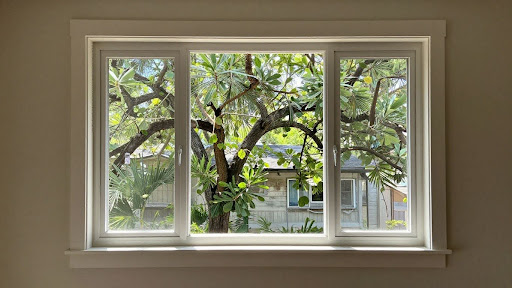
Replacing your old windows is more than just a quick fix for drafts or condensation. It’s an investment that pays off in several ways over time, making your home more comfortable, healthier, and even more valuable.
Preventing Structural Damage and Rot
Old windows, especially those with failing seals or damaged frames, can let in a lot of moisture. In a place like Jacksonville, with its high humidity and occasional heavy rains, this is a big problem. That water doesn’t just sit there; it can seep into your walls, the subfloor, and around the window frame itself. Over time, this constant dampness can lead to wood rot, which is a structural nightmare. It weakens the very bones of your house and can be incredibly expensive to fix. New, properly installed windows with good seals keep that unwanted moisture out, protecting your home’s structure from the inside out. This protection against rot and water damage is one of the most significant long-term advantages of a window upgrade.
Improving Indoor Air Quality
Think about it: your windows are a major connection point between the outside and inside of your home. When they’re old and leaky, they don’t just let in air; they can let in all sorts of unwanted guests. Dust, pollen, mold spores, and even outdoor pollutants can sneak through gaps and cracks. This can really mess with the air you breathe inside your home, especially if you have allergies or respiratory issues. Newer windows, with their tighter seals and better construction, drastically cut down on these air leaks. This means cleaner air circulating in your home, which is a huge win for your health and general comfort.
Enhancing Home Value and Curb Appeal
Let’s be honest, old, dingy windows just don’t look good. They can make even the nicest house seem a bit run-down. Replacing them with modern, stylish windows instantly spruces up your home’s appearance. It’s one of those upgrades that people notice right away, boosting your home’s curb appeal. Beyond just looks, buyers today are savvy. They know that energy-efficient, well-maintained windows mean lower utility bills and fewer immediate repair concerns. This translates directly into a higher resale value for your home. It’s a win-win: you get to enjoy a better-looking, more comfortable home now, and you get a better return on your investment later.
Here’s a quick look at what you gain:
- Reduced Moisture Intrusion: Keeps water and humidity out, preventing rot and mold.
- Cleaner Air: Minimizes the entry of dust, pollen, and pollutants.
- Improved Aesthetics: Boosts your home’s appearance and attractiveness.
- Higher Property Value: Makes your home more desirable to potential buyers.
- Increased Comfort: Eliminates drafts and temperature inconsistencies.
Wrapping It Up: Better Windows Mean a Healthier Home
So, when you’re thinking about new windows in Jacksonville, remember it’s more than just looks. Getting the right ones, especially ones built for our humid Florida weather, really helps keep moisture out and stops mold from getting a foothold. It means less worry about water damage and a healthier living space for you and your family. Plus, you get the bonus of a more comfortable home that costs less to cool. It’s a smart move that pays off in the long run.
Frequently Asked Questions
Why is humidity such a big deal for windows in Jacksonville?
Jacksonville’s air is often thick with moisture, like a damp towel. This constant dampness can make its way into your home through old or leaky windows. If moisture gets trapped inside your walls or around your windows, it can create a cozy home for mold to grow, which isn’t good for your health or your house.
How can new windows help stop mold before it starts?
New windows fit much better and have stronger seals, like a tight hug for your house. This stops humid outside air from getting in and moist indoor air from escaping. They also help keep the temperature inside more steady, which means less foggy windows (condensation) where mold loves to hide.
Are special windows needed for Florida’s weather?
Absolutely! Florida weather is tough on windows. We have hot, sticky summers and sometimes strong storms. The best windows for Florida are built to handle this. They need to be strong, keep heat out, and resist the constant moisture. Think of them as superheroes for your home’s exterior.
What are ‘impact-resistant’ windows and do I need them?
Impact-resistant windows are super strong, designed to withstand flying debris during hurricanes. While not every single house might legally need them, they offer great protection against storms, which are a real threat here. They also help block out noise and can even lower your energy bills because they seal so well.
My windows get foggy sometimes. Is that a problem?
Yes, that foggy look, called condensation, is a warning sign. It means warm, moist air inside your home is hitting the cooler glass surface. If this happens a lot, especially with older windows, it can lead to water damage and mold. Newer, energy-efficient windows are much better at preventing this.
Besides preventing mold, what are other good things about new windows?
New windows can make your home feel much more comfortable by keeping the temperature steady. They can also make your home quieter by blocking outside noise. Plus, they can make your house look better from the street and might even help you sell it for more money down the road. And, of course, they help lower your electricity bill because your AC won’t have to work as hard.