Living in Jacksonville means getting used to the humidity. It’s just part of the deal, right? But that constant moisture, plus the salty air and the beating sun, really does a number on your house, especially your windows. Over time, this climate can make windows less efficient, leading to higher energy bills and less comfort inside. This is why picking the right windows when you replace them is super important for how they’ll hold up year after year. Let’s talk about how Jacksonville’s humidity impacts long-term window replacement performance in Jacksonville FL.
Key Takeaways
- Jacksonville’s humid, salty air and temperature shifts put extra stress on windows, affecting how well they work over time.
- Look for windows with Low-E coatings and good energy ratings (low U-factor and SHGC) to combat heat gain and keep your home cool.
- Materials like vinyl and fiberglass are best for frames because they resist moisture and won’t warp easily in humid conditions.
- Proper installation with good sealing is vital to prevent air leaks and moisture buildup, which are common problems in humid climates.
- Upgrading to modern, energy-efficient windows not only saves money on bills but also makes your home more comfortable and can even increase its value.
Understanding Jacksonville’s Humid Climate and Its Window Demands
Living in Jacksonville means you’re pretty much always dealing with humidity. It’s not just a summer thing; it hangs around all year, and when you combine that with our hot summers and the occasional salty breeze from the coast, your windows really get put to the test. These conditions can really wear down older windows, making them less effective and potentially costing you more on your energy bills.
The Pervasive Influence of Coastal Humidity
Jacksonville’s location right on the Atlantic coast means we get a double dose of moisture. The air is thick with it most of the time, and this constant dampness can seep into window frames, especially if they’re made of materials that aren’t up to the task. Over time, this can lead to frames swelling or even rotting, which isn’t good for keeping your home sealed up tight. Plus, that salty air? It’s not just bad for your car; it can actually break down the seals on your windows faster than you might think. When those seals go, your windows lose their ability to keep conditioned air in and humid air out.
Seasonal Temperature Swings and Their Impact
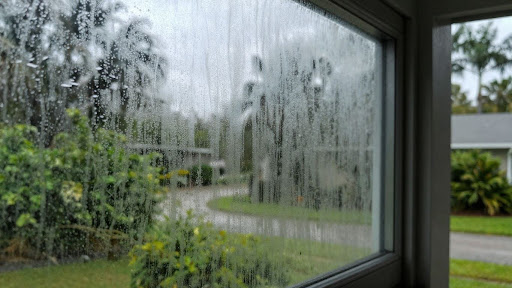
While we’re known for our heat, Jacksonville does see temperature changes throughout the year. Even mild winter nights can cause problems. When warm, moist air inside your house hits the cooler glass of your windows, condensation can form. This happens because the glass surface is colder than the air around it. It’s not always about how cold it gets outside; it’s about the difference between your indoor temperature and the window’s surface temperature. This condensation can be a sign that your windows aren’t insulating well, and it can lead to other issues down the line.
Salt Air’s Effect on Window Seals
Living near the ocean has its perks, but the salt in the air is tough on building materials. For windows, the salt can corrode metal components and, more importantly, degrade the seals that keep your home airtight and watertight. These seals are like the guardians of your home’s climate control. Once they start to fail due to salt exposure and the constant humidity, you’ll notice:
- Increased drafts
- Higher energy bills as your HVAC system works harder
- Potential for moisture to get behind the window frame
- Reduced lifespan of the window unit
The constant battle between indoor comfort and outdoor elements is a daily reality for Jacksonville homes. Choosing windows that can stand up to this persistent humidity and coastal air isn’t just about looks; it’s about long-term performance and protecting your investment.
Key Window Features for Optimal Performance in Jacksonville
When you’re looking to replace windows in Jacksonville, especially with our sticky, humid air and the occasional wild weather, you can’t just grab any old window. You need ones built tough and smart. Think of it like picking the right gear for a fishing trip here – you wouldn’t use a flimsy rod for a big catch, right? Your windows need similar consideration.
Low-E Coatings for Heat Reflection
Jacksonville gets hot. Like, really hot. And that sun beats down hard. Low-Emissivity (Low-E) coatings are like a secret shield for your glass. They’re super thin, almost invisible layers applied during manufacturing. What they do is reflect heat. In the summer, they bounce a lot of that solar heat away from your house, which means your air conditioner doesn’t have to work overtime trying to cool things down. This is a big deal for keeping your energy bills from going through the roof. In the winter, they can actually help keep some of your home’s warmth inside, though that’s less of a concern for us most of the year.
Impact-Resistant Glass for Storm Protection
We all know Florida can get a bit wild during hurricane season. Strong winds and flying debris are no joke. Impact-resistant glass is designed to handle this. It’s usually made with a strong interlayer, kind of like a tough plastic, sandwiched between two panes of glass. If something hits it hard, the glass might crack, but it’s designed to stay in place, preventing the window from shattering and letting wind and rain blast into your home. This isn’t just about hurricanes, either. It adds a layer of security against break-ins and can even cut down on noise from outside.
Energy Efficiency Ratings: U-Factor and SHGC Explained
These two ratings are your best friends when comparing windows. They sound technical, but they’re pretty straightforward:
- U-Factor: This tells you how well a window keeps heat in. A lower U-factor means the window is a better insulator. For Jacksonville, you want a window that keeps the cool air inside during those long, hot months, so a lower U-factor is generally better.
- SHGC (Solar Heat Gain Coefficient): This measures how much heat from the sun a window lets through. Again, for our climate, you want a low SHGC. This means less solar heat gets into your home, reducing the load on your AC.
When you’re looking at new windows, don’t just glance at the fancy frames. Pay close attention to these numbers. They tell the real story about how much money you’ll save on cooling costs and how comfortable your home will actually be, especially when that afternoon sun is blazing.
Material Selection for Durability in Humid Conditions
When you’re picking out new windows for your place in Jacksonville, the material of the frames really matters, especially with all the moisture we get. You don’t want something that’s going to rot or warp after a few years, right? That’s why thinking about what the frames are made of is a big deal for how long your windows will actually last and perform well.
Vinyl and Fiberglass Frame Benefits
Vinyl and fiberglass are pretty popular choices around here, and for good reason. They hold up well against humidity, which is a constant battle in Jacksonville. Unlike wood, they don’t soak up moisture and swell, or get eaten by bugs. Plus, they’re pretty low-maintenance. You don’t have to paint them, and cleaning is usually just a quick wipe-down. This means less work for you and windows that look good for longer.
Moisture Resistance and Warping Prevention
This is where vinyl and fiberglass really shine. They’re not porous, so they don’t absorb water like wood can. This is super important because absorbed moisture can lead to all sorts of problems, like rot, mold, and, of course, warping. Warped window frames don’t just look bad; they can make your windows hard to open and close, and they create gaps where air and water can get in. Choosing materials that naturally resist moisture is key to preventing these issues down the line.
Low Maintenance and Long-Term Stability
Nobody wants to spend their weekends constantly fixing their windows. Vinyl and fiberglass frames offer a great solution for that. They’re built to last and don’t require a lot of upkeep. You won’t be dealing with peeling paint or rotting wood. This stability means your windows will continue to function properly and look good for years, even with the constant humidity and occasional salty air from the coast. It’s about getting windows that are a solid investment, not a constant headache.
Picking the right frame material is more than just looks; it’s about the window’s ability to stand up to Jacksonville’s climate day in and day out. Materials that resist moisture and don’t degrade over time will save you money and hassle in the long run.
Addressing Condensation and Air Leakage
Why Interior Condensation Occurs in Mild Winters
Even in Jacksonville, where we don’t get brutal winters, you might notice condensation on your windows. It’s a bit of a head-scratcher when it’s not freezing outside, right? Here’s the deal: when you heat your home, even a little, the indoor air gets more humid. This warm, moist air then hits the cooler surface of your window glass. Think of it like a cold can of soda on a summer day – moisture forms on the outside. Your windows are basically acting like that cold can, and the indoor air is the humid summer day. Old windows, especially, don’t insulate well, so their surfaces get colder than the surrounding air, making them prime spots for condensation.
The Role of Aging Windows in Moisture Buildup
Older windows are often the main culprits when it comes to condensation and moisture problems. Their seals can break down over time, letting in outside air and making it harder for them to keep your home’s temperature steady. This poor insulation means the glass gets colder, which, as we just talked about, leads to condensation. If you see water droplets or a foggy look on your windows when it’s cooler out, it’s a pretty good sign your windows are past their prime and might be contributing to moisture buildup inside your home. This can eventually lead to bigger issues if not addressed.
Minimizing Air Leakage for Energy Savings
Air leaks around your windows are like tiny holes in your home’s defense against the outside. They let conditioned air escape and unconditioned air sneak in. This makes your HVAC system work overtime, costing you more on energy bills. Plus, these leaks can bring in dust and allergens. Fixing these drafts is a big part of making your home more comfortable and saving money.
Here are a few things to look out for:
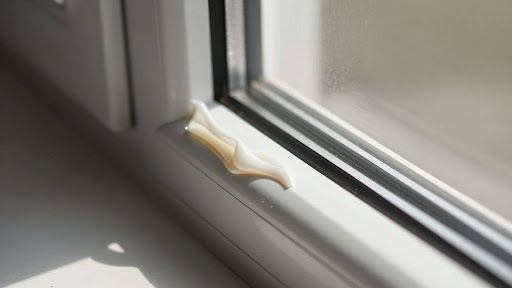
- Check the seals around the window frame and sash. Are they cracked or missing?
- Feel for drafts when the wind blows. Can you feel air moving through gaps?
- Look for any visible gaps between the window frame and the wall.
Addressing these leaks, often through better sealing or even window replacement, makes a noticeable difference in your home’s overall efficiency and comfort.
Maximizing Energy Savings with Modern Window Technology
When you’re thinking about new windows for your Jacksonville home, especially with our humid climate, it’s not just about looks. You want windows that actually help keep your energy bills down. Modern window tech has come a long way, and there are some specific features that really make a difference here.
The Advantage of Insulated Glass Units (IGUs)
IGUs are basically sealed units made of two or more panes of glass with a space in between. This space is usually filled with air or a special gas like argon. This gap acts as a barrier, slowing down heat transfer, which is a big deal in Florida’s heat. Think of it like a thermos for your house. The better the seal and the more panes you have, the less your air conditioning has to fight against the outside heat trying to get in. For Jacksonville, look for IGUs with multiple seals, often called triple-seal systems. These are extra good at keeping the insulating gas inside and moisture out, which is super important in our damp air. This helps the window keep performing well for years.
Foam-Filled Frames for Enhanced Insulation
Window frames themselves can be a weak spot for heat transfer. Some newer vinyl windows come with foam insulation packed inside the frame’s hollow chambers. This foam fills up those empty spaces, adding an extra layer of insulation. It’s like adding a cozy blanket to the frame. This means less heat gets conducted through the frame material and into your home during those hot summer days. It also helps make the frame a bit stronger and more rigid, which is always a good thing.
Understanding Visible Transmittance (VT)
Visible Transmittance, or VT, tells you how much light actually passes through the window. It’s measured on a scale from 0 to 1. A higher VT number means more natural light comes in. While you might think more light is always better, it’s a balance. In Jacksonville, you want enough light without letting in too much of the sun’s heat. Windows with good Low-E coatings can offer a good balance – they let in plenty of visible light but block a lot of the heat-producing infrared rays. So, when you’re looking at window specs, VT helps you understand how bright your rooms will be, but always consider it alongside other ratings like SHGC (Solar Heat Gain Coefficient) to get the full picture of how the window will perform in our climate.
Installation Best Practices for Long-Term Window Function
Accurate Measurements for Florida Block Construction
Getting the measurements right from the start is super important, especially here in Jacksonville with all the block construction. It’s not just about the window size itself, but also accounting for the wall depth and how the whole house is put together. A good installer will take precise measurements to make sure the new windows fit perfectly into those existing openings. This means custom-built window assemblies are often needed to match those exact specs.
Moisture-Resistant Sealing Techniques
Jacksonville’s humidity means we have to be extra careful about moisture. Proper sealing around the new windows is key to keeping that damp air out and preventing problems down the road. This involves using the right kind of sealants and making sure they create a tight barrier between the window frame and the wall. It helps keep the inside of your home comfortable and stops potential water damage before it even starts.
Ensuring Smooth Operational Performance
Once the windows are in, you want them to work smoothly, right? This means checking that they open and close without any sticking or binding. It’s about more than just convenience; smooth operation often means the window is properly aligned and sealed.
- Check that sashes slide easily.
- Confirm locks engage securely.
- Test for any drafts around the edges.
A well-installed window not only looks good but also performs its job of keeping the elements out and comfort in. It’s the little details during installation that make a big difference in how your windows hold up over the years, especially in a climate like ours.
The Value of Energy-Efficient Windows Beyond Savings
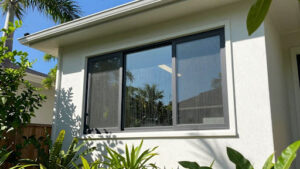
Sure, saving money on your electricity bill is a big reason folks look into new windows, and that’s totally understandable, especially here in Jacksonville with our long, hot summers. But honestly, the benefits go way beyond just what you see on your monthly statement. Think about how much more comfortable your house feels. No more sitting by a window and feeling like you’re right next to a heater in July, or a chilly draft in December. That consistent temperature throughout your home? That’s a game-changer for everyday living.
And let’s talk about your stuff. You know how the sun can really bleach out furniture or fade your favorite rug? Good energy-efficient windows have special coatings that block a lot of those harsh UV rays. So, your belongings stay looking newer for longer. It’s like putting a protective shield on your interior without even noticing it.
Here are a few more things to consider:
- Reduced HVAC Strain: When your windows are doing their job keeping the heat out (or in), your air conditioner and heater don’t have to work overtime. This means less wear and tear on those expensive systems, potentially saving you from costly repairs down the road.
- Quieter Home Environment: The extra layers of glass and the insulating gases in modern windows do a surprisingly good job of muffling outside noise. That means less traffic sound or neighborly chatter creeping into your living space.
- Environmental Impact: Using less energy to cool and heat your home means a smaller carbon footprint. It’s a small step, but collectively, it makes a difference for the planet.
Upgrading your windows is an investment in your home’s overall well-being. It’s about creating a more pleasant living space, protecting your belongings, and even contributing to a healthier environment, all while making your home more appealing to future buyers.
When you’re looking at new windows, you’ll see different ratings. While U-factor and SHGC are key for energy performance, don’t forget about how these windows contribute to your home’s overall comfort and longevity. It’s about creating a more stable, pleasant, and protected environment inside your home, day in and day out.
Wrapping It Up: Better Windows for a Better Jacksonville Home
So, when you’re thinking about new windows in Jacksonville, remember that our humid, sometimes wild weather really matters. It’s not just about looks; it’s about how well those windows will hold up and keep your home comfortable year after year. Picking the right materials and features designed for this climate, like good seals and energy-efficient glass, can make a big difference. It means less strain on your AC, lower energy bills, and a more pleasant home, especially when that summer heat and humidity really kick in. Investing in windows that can handle Jacksonville’s environment is a smart move for the long haul.
Frequently Asked Questions
Why is Jacksonville’s humidity a big deal for windows?
Jacksonville’s air is often thick with moisture, like a steamy bathroom. This constant dampness can make older window frames swell up or rot over time. It also makes your air conditioner work much harder to keep your house cool, costing you more money on your electricity bill.
What makes windows good for Florida’s weather?
Good windows for Florida need to handle heat and storms. Look for ‘Low-E’ coatings that bounce heat away, glass that’s strong enough to survive flying debris during a hurricane, and frames made of tough stuff like vinyl or fiberglass that don’t get ruined by moisture.
Why do my windows get foggy on the inside, even when it’s not super cold outside?
It happens when warm, moist air inside your house touches the cooler glass of your windows. Even in mild Florida winters, the glass can get cooler than the air inside, especially if your windows are old and don’t keep the heat in well. This means your windows might be letting too much air leak in or out.
What do ‘U-Factor’ and ‘SHGC’ mean for windows?
Think of U-Factor as how well a window stops heat from escaping or getting in. You want a low number to keep your cool air inside. SHGC is about how much sun heat gets through. For Florida, you want a low SHGC to block that hot sun from heating up your house.
Are impact-resistant windows worth it in Jacksonville?
Yes, they’re a great idea! Besides protecting your home from strong winds and flying junk during hurricanes, they also block a lot of heat and sun. This means they help save energy and can even lower your home insurance costs.
How does installing new windows help save energy?
New windows are built much better than old ones. They have special coatings to block heat, insulated frames, and seals that stop air from leaking. This means your air conditioner doesn’t have to run as much, saving you money and making your home more comfortable all year round.