Thinking about new windows for your place in Jacksonville, FL? It’s a big decision, and picking the right glass makes all the difference, especially with our Florida weather. You want windows that keep the heat out, the cool air in, and maybe even block some of that noisy traffic. When it comes to window replacement in Jacksonville FL, the glazing options you choose will really impact your home’s comfort and your energy bills. Let’s look at some of the best glazing options that perform best in window replacement in Jacksonville FL.
Key Takeaways
- Low-E glass is great for Florida because it reflects heat away, keeping your home cooler and cutting down on cooling costs.
- Impact-resistant windows offer protection from storms and also help with insulation and noise reduction.
- Insulated glass units (IGUs), especially thicker ones with argon gas, are a smart choice for blocking heat and humidity in our climate.
- Double-pane windows with Low-E coatings are a common and effective way to improve comfort and energy efficiency without breaking the bank.
- If your window frames are still good, replacing just the glass with modern options like IGUs or Low-E can be a cost-effective way to boost comfort.
Low-E Glass
When you’re thinking about window replacement in a sunny place like Jacksonville, Low-E glass is definitely something to look into. It’s basically glass that has a special, super-thin coating on it. This coating is designed to reflect heat. Think of it like a one-way mirror for heat, but for your windows. It lets the visible light from the sun come through so you can still see outside and your rooms stay bright, but it bounces a lot of the heat energy away. This is a big deal in Florida because, let’s face it, it gets hot here. By reflecting that solar heat, Low-E glass helps keep your home cooler during those long, hot months. This means your air conditioner doesn’t have to work quite as hard, which can lead to lower electricity bills. It’s a pretty smart way to make your house more comfortable without blocking out the natural light.
Here’s a quick rundown of why it’s good for our climate:
- Reduces Heat Gain: Blocks a significant amount of the sun’s heat from entering your home.
- Maintains Natural Light: You still get plenty of sunshine indoors.
- Improves Energy Efficiency: Less heat entering means your AC runs less, saving energy.
- Year-Round Comfort: Helps keep your home cooler in summer and can even help retain heat in cooler weather.
The effectiveness of Low-E coatings can vary. Some are designed to block more heat, which is usually what you want in a hot climate like Jacksonville. Others might be better for colder regions. When you’re looking at options, make sure the Low-E coating is optimized for solar control to get the most benefit from our sunshine.
It’s not just about keeping the heat out, though. Low-E glass can also help protect your furniture and flooring from fading due to UV rays, though its primary job is managing heat.
Impact-Resistant Windows
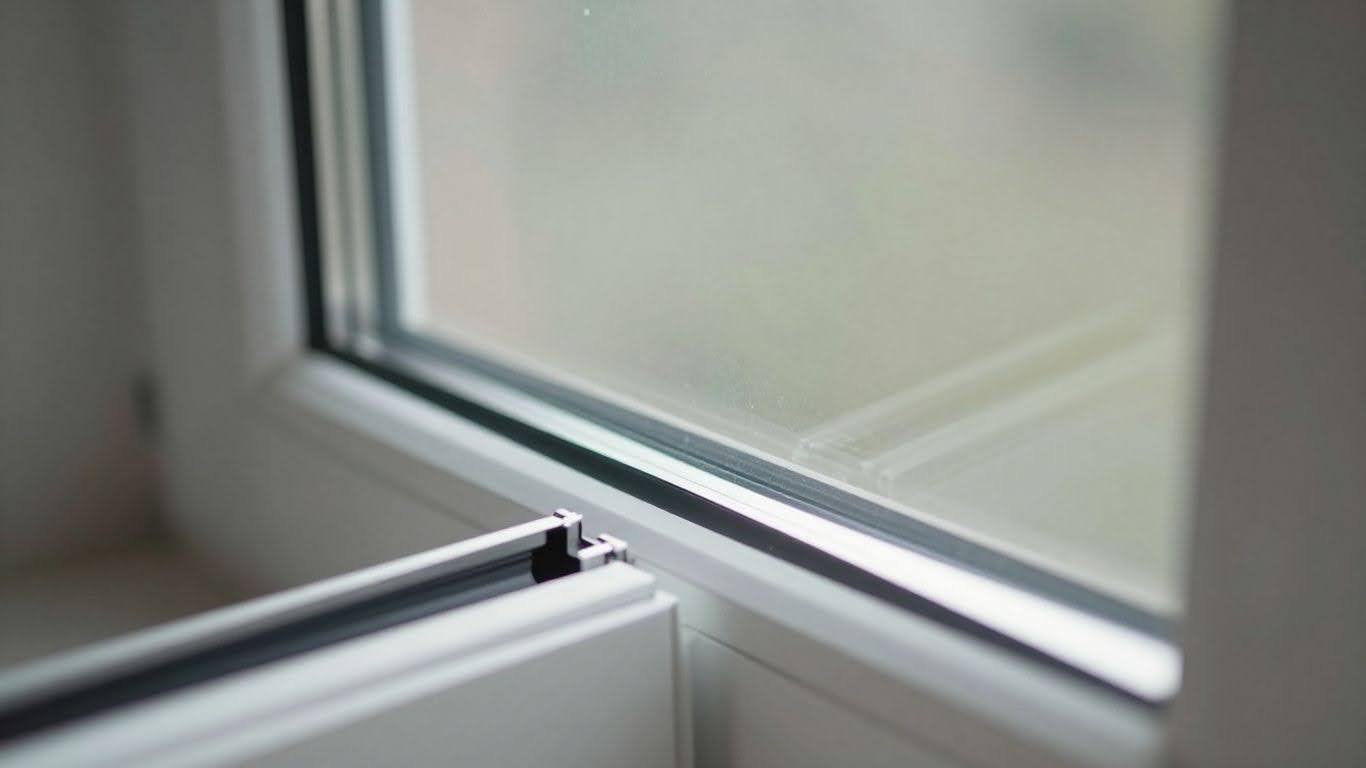
Living in Jacksonville means dealing with more than just the heat; we also have to think about hurricane season. That’s where impact-resistant windows come in. These aren’t your average windows; they’re built tough to handle serious weather. They’re designed with special laminated glass and strong frames that can stand up to high winds and flying debris, which is a big deal when a storm rolls in.
Beyond just storm protection, these windows offer some other perks. They can help cut down on outside noise, making your home a bit more peaceful. Plus, they add an extra layer of security, making it harder for unwanted visitors to get in. It’s like giving your house a suit of armor.
When you’re looking at window replacement, especially in a coastal area like ours, asking about impact-resistant options is a smart move. It’s an investment that gives you peace of mind when the weather gets rough and can even help with your home’s overall security.
Here’s a quick rundown of why they’re a good idea:
- Storm Protection: Designed to withstand high winds and debris impact.
- Enhanced Security: Makes forced entry much more difficult.
- Noise Reduction: Helps block out sounds from outside.
- UV Protection: Can block a significant amount of harmful UV rays.
Choosing the right impact-resistant windows means looking at the specific ratings and materials. Not all
Insulated Glass Units
Insulated Glass Units, often called IGUs, are a pretty standard upgrade these days, and for good reason. Think of them as a sandwich for your window. You’ve got two panes of glass, and between them, there’s a sealed space. This space is key because it traps air or, even better, an inert gas like argon. This trapped layer acts like a barrier, making it way harder for heat to move from the outside in during those hot Jacksonville summers, or from the inside out when it’s cooler.
These units are a big step up from old single-pane windows, significantly cutting down on heat transfer. That means your air conditioner doesn’t have to work quite as hard, and you might notice fewer of those annoying hot spots near your windows. Plus, they do a decent job of muffling outside noise, which is always a nice bonus.
When you’re looking at IGUs for a place like Jacksonville, you’ll want to pay attention to a few things:
- Pane Thickness: Thicker glass can offer better insulation and sound dampening.
- Spacer Material: The material separating the panes affects how well the unit seals and insulates.
- Gas Fills: Argon or krypton gas in the space between panes boosts the insulating power even more.
- Low-E Coatings: While not part of the IGU itself, Low-E coatings are often applied to the glass panes within an IGU for maximum performance.
Basically, a good IGU helps keep your home’s temperature more stable, which translates to more comfort and potentially lower energy bills. It’s a solid choice for dealing with Florida’s climate.
If your current windows have condensation or fogging between the panes, that’s a sure sign the seal on your IGU has failed. This means it’s lost its insulating ability and needs to be replaced to get your comfort back.
Double-Pane Windows
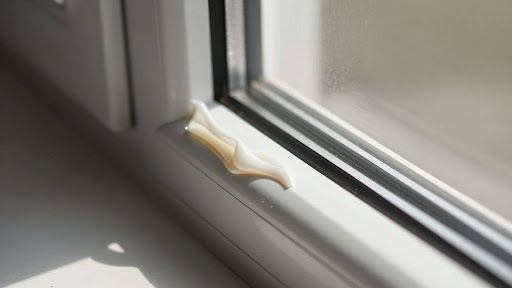
Double-pane windows, also known as insulated glass units (IGUs), are a pretty standard upgrade from older single-pane setups. They basically consist of two panes of glass with a space in between. This space is usually filled with air or an inert gas like argon, which acts as an insulator.
Think of it like wearing a sweater versus just a t-shirt. That extra layer, and the air trapped within it, makes a big difference in keeping the heat out during Jacksonville’s sweltering summers and keeping warmth in when it gets a bit cooler.
Here’s a quick rundown of why they’re a step up:
- Better Insulation: The gap between the panes significantly slows down heat transfer. This means less heat gets into your home from the outside and less of your expensive AC cool air escapes.
- Reduced Condensation: Because the inner pane stays warmer, you’re less likely to get that annoying fogging or condensation that happens with single-pane windows, especially in humid Florida weather.
- Noise Reduction: The extra pane and the air gap help to dampen outside noise, making your home a bit more peaceful.
- Energy Savings: By improving insulation, double-pane windows help your HVAC system run less, which can lead to noticeable savings on your energy bills.
While double-pane windows are a solid choice for most homes, especially in a climate like Jacksonville’s, the real magic happens when you combine them with other technologies like Low-E coatings or gas fills. Just having two panes is good, but making those panes and the space between them work harder for you is even better.
It’s important to remember that the seal around the edges of the glass is key. If that seal breaks, moisture can get in, causing that cloudy look between the panes and ruining the insulating effect. When that happens, you might be looking at replacing just the glass unit, not necessarily the whole window frame, which can be a more cost-effective solution.
Solar Control Coatings
When you’re thinking about window replacement in Jacksonville, especially with our sunny climate, solar control coatings are a big deal. These aren’t just any coatings; they’re like a special shield for your windows. They’re designed to reflect a good chunk of the sun’s heat away from your home, even while letting in all that nice natural light. This means your air conditioner doesn’t have to work quite so hard to keep things cool, which can really make a difference on your energy bills. Plus, it helps keep those rooms from getting unbearably hot, particularly the ones that get direct sun all afternoon.
Think of it this way:
- Reduces Heat Gain: Blocks a significant amount of solar heat from entering your home during the summer.
- Maintains Natural Light: Allows visible light to pass through, so your rooms stay bright and airy.
- Improves Comfort: Helps create more consistent temperatures throughout your house, reducing hot spots.
- Protects Furnishings: Cuts down on UV rays that can fade carpets, furniture, and artwork over time.
These coatings are usually applied as a very thin, almost invisible layer to the glass itself. They work by reflecting infrared light, which is the part of the sun’s spectrum that carries the most heat. It’s a smart way to manage the sun’s energy without making your home feel like a cave.
Choosing a window with a solar control coating is a practical step for Jacksonville homeowners. It directly addresses the challenge of intense sunlight and high temperatures, leading to a more comfortable living space and potentially lower cooling costs. It’s a feature that pays off, especially during those long, hot Florida months.
When you’re looking at new windows, ask about the specific type of solar control coating. Some are better suited for blocking heat, while others might offer a bit more privacy. It’s worth understanding the differences to pick the best fit for your home’s needs.
Fogged Glass
You know that hazy, cloudy look that sometimes shows up between the panes of your windows? That’s fogged glass, and it’s usually a sign that the seal on your insulated glass unit (IGU) has failed. Think of that seal as the guardian of the air space between the glass panes. When it breaks, moisture from the outside air sneaks in, creating that annoying fog or condensation.
This isn’t just an aesthetic issue; it’s a performance problem. When the seal fails, the insulating properties of your window take a nosedive. That means your air conditioner has to work harder to keep your home cool in Jacksonville’s heat, and your energy bills go up. It also means you might notice drafts or uneven temperatures in your home, which really messes with comfort.
Here’s the deal with fogged glass:
- Seal Failure: This is the main culprit. The seal breaks down over time, especially in humid climates like Florida’s.
- Loss of Insulation: The trapped gas or air between the panes, which helps keep heat out, escapes. Moisture gets in, and your window’s ability to block heat transfer is compromised.
- Appearance: It just looks bad, making your home seem less well-maintained.
- Potential for Mold: In some cases, trapped moisture can lead to mold growth between the panes, which is definitely not good.
When you see fogging between the glass panes, it’s a pretty clear indicator that the insulated glass unit itself needs to be replaced. While the window frame might still be perfectly fine, the glass unit has lost its effectiveness and its good looks. Replacing just the glass unit is often a much more affordable solution than swapping out the entire window.
So, if you’re noticing fogged windows, it’s a good idea to get them checked out. Replacing the failed glass unit can bring back the clarity, improve your home’s energy efficiency, and make it a more comfortable place to be.
Frosted Glass

Frosted glass is a popular choice for homeowners in Jacksonville looking for a bit of privacy without completely blocking out light. It’s made by sandblasting or acid-etching the glass surface, which creates a translucent, cloudy appearance. This process diffuses light, obscuring the view through the window while still allowing natural light to enter the room.
It’s a great option for bathrooms, entry doors, or any area where you want to maintain a sense of openness while ensuring privacy.
While it doesn’t offer the same level of insulation as double-pane or Low-E glass, frosted glass can be incorporated into insulated units for added energy efficiency. It’s also a versatile decorative element, often used in custom designs for shower enclosures or interior doors.
Here’s a quick look at why it’s a good pick:
- Privacy: Obscures direct views while letting light through.
- Aesthetics: Adds a decorative touch and softens harsh light.
- Versatility: Can be used in various applications, from bathrooms to decorative panels.
Keep in mind that frosted glass is primarily about privacy and aesthetics. If your main concern is energy efficiency or noise reduction, you’ll want to look at other options like insulated glass units or Low-E coatings, though frosted glass can sometimes be combined with these technologies.
Mirrored Glass
Mirrored glass isn’t just for checking your reflection before you head out the door. In window replacement, it can serve a few interesting purposes, especially here in sunny Jacksonville. Think of it as a way to add a bit of flair while also getting some practical benefits.
One of the main things mirrored glass does is reflect light. This can be useful for bouncing sunlight away from your home, which might help keep things a little cooler during those hot Florida summers. It’s not quite the same as a dedicated solar control coating, but it does contribute to reducing how much direct sun beams into your rooms. It can also offer a degree of privacy, making it harder for people outside to see in, particularly during the day.
However, it’s not all sunshine and reflections. Mirrored glass can sometimes make a space feel smaller, and the reflectivity might be distracting depending on where it’s installed. It’s also not typically the first choice for energy efficiency compared to options like Low-E or insulated glass units, though it can play a role.
When considering mirrored glass for your windows, think about the specific room and what you want to achieve. It’s a unique option that can add a decorative touch and some privacy, but it’s good to weigh those against its impact on light and overall energy performance.
Here are a few points to keep in mind:
- Privacy: It can block views from the outside, especially during daylight hours.
- Light Reflection: Helps bounce sunlight away, potentially reducing some solar heat gain.
- Aesthetics: Offers a distinct look that can be used decoratively.
- Consideration: May not be the best for maximizing natural light or for primary energy efficiency goals.
Tinted Glass
Tinted glass is a pretty straightforward option when you’re thinking about window replacement in Jacksonville. Basically, it’s glass that has a color added during the manufacturing process, or a film applied to it. This color or film helps to block out some of the sun’s rays.
The main benefit here is reducing the amount of heat that gets into your home, which can make a big difference during those hot Florida summers. It also cuts down on glare, making it more comfortable to be inside, especially if you have a lot of windows facing the sun. Plus, it can help protect your furniture and flooring from fading due to UV exposure.
Here’s a quick look at what tinted glass can do:
- Heat Reduction: Blocks a portion of solar heat gain, meaning less work for your AC.
- Glare Control: Makes it easier to see inside without squinting, even on bright days.
- UV Protection: Helps prevent your carpets, furniture, and artwork from fading.
- Privacy: Offers a degree of privacy by making it harder to see into your home from the outside during the day.
While tinted glass can be effective at reducing heat and glare, it’s important to note that it can also slightly reduce the amount of natural light entering your home. The darker the tint, the more light it will block. So, it’s a bit of a trade-off between light and heat/glare reduction. You’ll want to consider how much natural light you prefer in your living spaces.
It’s not usually the top choice for energy efficiency compared to something like Low-E glass, but it’s a solid option if glare and direct sun heat are your primary concerns. You can get it in various shades, so you can pick one that suits your home’s look and your comfort needs.
Etched Window Glass
When you’re thinking about window replacement in Jacksonville, FL, and want something a little different, etched glass is a cool option to consider. It’s not about privacy like frosted or mirrored glass, though it can add a bit. Instead, etching involves creating designs or patterns on the glass surface. This can be done through sandblasting or acid etching, which essentially carves into the glass to create a frosted look in specific areas.
The real appeal of etched glass is its decorative potential. You can get anything from simple geometric shapes to intricate floral patterns or even custom logos. It really lets you personalize your windows, making them a unique feature of your home. Think about adding a subtle design to a sidelight next to your front door or a more elaborate pattern on a transom window above it. It’s a way to add some artistic flair without sacrificing too much natural light.
Here’s a quick look at what makes etched glass stand out:
- Aesthetic Appeal: Offers a unique, artistic touch to any window.
- Design Flexibility: Can be customized with a wide range of patterns and designs.
- Light Diffusion: Creates a softer, more diffused light compared to clear glass.
- Durability: The etched design is permanent and won’t wear off.
While it’s primarily for looks, the etching process does create a slightly textured surface. This can offer a minor degree of privacy, similar to a very light frosting, but it’s not its main purpose. If you’re looking for a way to make your windows more interesting and add a personal signature to your home’s exterior or interior, etched glass is definitely worth exploring during your window replacement project.
Wrapping It Up
So, when you’re thinking about new windows for your Jacksonville home, remember it’s not just about looks. Picking the right glass, like Low-E or insulated options, can really make a difference in how comfortable your house feels, especially when that Florida heat hits. It can also help keep your energy bills from going through the roof. Whether you’re replacing just the glass or the whole window, making smart choices now means a cozier home later. Don’t forget to check out local companies that know our climate and can help you find what works best for your place and your budget. Getting it right means enjoying your home more, no matter the weather outside.
Frequently Asked Questions
How can I tell if my windows need replacing?
Watch out for signs like chilly drafts, higher energy bills, or windows that are tough to open and close. If you see cloudy spots or condensation between the glass panes that won’t go away, the seal might have failed, making the window less effective at keeping your home comfy.
What’s the best type of glass for Florida’s hot weather?
For Florida’s heat and humidity, double-pane windows with a special Low-E coating are a great choice. This glass bounces heat away while still letting light in, helping your home stay cooler and saving you money on cooling costs. Impact-resistant options are also good for storm protection.
Is it cheaper to replace just the glass or the whole window?
If your window frames are still in good shape, replacing just the glass is usually much cheaper than getting a whole new window. You get most of the same benefits for comfort and energy savings without the bigger cost and hassle.
Why do my windows get foggy between the panes?
When you see fog or moisture stuck between the glass layers, it usually means the seal has broken. This lets moisture in, which makes the window lose its ability to insulate. This can lead to drafts and make your home feel less comfortable.
Could my windows be making my AC work too hard?
Yes, definitely! If your air conditioner seems to be running all the time, or if some rooms are always too hot or too cold, your windows might be the problem. Old or leaky glass can let too much heat and humidity inside, forcing your AC to work overtime.
Do newer windows help with noise from outside?
Absolutely! Modern windows, especially those with double-pane or thicker glass, act like a sound barrier. They can significantly cut down on noise from traffic, neighbors, or anything else happening outside, making your home a much quieter and more peaceful place.