Thinking about swapping out your old windows for new ones in Jacksonville, FL? It’s a good idea to think about fire safety, especially when it comes to your egress windows. These aren’t just any windows; they’re a key part of getting out safely if there’s a fire. We’ll go over what you need to know about these windows, why getting them installed right is so important, and how to pick the best person for the job. This whole process can feel a bit much, but knowing the basics helps make sure your home stays safe and meets all the rules.
Key Takeaways
- Egress windows are designed as emergency exits, and Florida building codes have specific size and opening requirements to ensure they can be used safely in a fire.
- Proper installation of egress windows is vital for maintaining clear escape routes during a fire emergency, making it a critical safety consideration.
- When replacing egress windows, choose windows that meet all safety standards and are installed by experienced contractors who understand local codes.
- Working with qualified local contractors who communicate clearly and have good references is important for a successful egress window replacement project.
- Homeowners are responsible for understanding and following permitting processes and scheduling necessary inspections in Duval County to confirm compliance.
Understanding Egress Window Requirements in Jacksonville
When we talk about fire safety in our homes, especially here in Jacksonville, one thing that often gets overlooked until it’s needed is the egress window. Think of it as your home’s emergency exit, a way out if the usual doors are blocked by fire or smoke. It’s not just a nice-to-have; it’s a requirement, and understanding these rules is pretty important.
Defining Egress Windows for Safety
So, what exactly is an egress window? Simply put, it’s a window large enough and positioned correctly to serve as a safe escape route during an emergency. This means it needs to be big enough for a person to actually get through, and it has to open easily from the inside without any special keys or tools. The main goal is to give everyone in the house a clear path out if the worst happens.
Florida Building Code Minimum Standards
Florida has specific rules for these windows, laid out in the Florida Building Code. These aren’t suggestions; they’re requirements designed to save lives. Here’s a quick rundown of what you generally need to know:
- Minimum Opening Size: The clear opening when the window is fully open must be at least 5.7 square feet. This is a pretty significant space.
- Minimum Dimensions: You can’t just have a big opening if it’s too narrow or too short. The minimum height for the opening is 24 inches, and the minimum width is 20 inches.
- Floor Clearance: The bottom of the window opening shouldn’t be more than 44 inches from the floor. This makes it reachable for most people, even in a hurry.
Operational and Accessibility Guidelines
Beyond just size, how the window works matters a lot. It needs to be something anyone can operate. This means:
- No Locks or Keys: You should be able to open it from the inside with just your hands. No special tools, no keys, no complicated latches that require a manual.
- Easy Operation: The mechanism for opening should be straightforward. Think about someone who might be panicked or disoriented; they need to be able to figure it out quickly.
- Clearance: Make sure nothing is blocking the window, either inside or outside. Furniture, landscaping, or storage shouldn’t prevent it from being opened or used as an escape route.
It’s easy to think of these windows as just another part of your home’s structure, but in a fire, they become a lifeline. Making sure they meet the code isn’t just about passing an inspection; it’s about having a real chance to get out safely when you need it most. That’s why paying attention to these details during any replacement project is so important.
Critical Fire Safety Considerations for Replacement
Replacing your egress windows isn’t just about making your home look better or improving energy efficiency. When it comes to fire safety, these windows play a really big role. They’re a direct path out of your home if a fire breaks out, especially from a bedroom. Making sure they work right and are installed correctly is super important.
Why Egress Window Compliance is Paramount
Think about it: if a fire starts, especially at night when everyone’s asleep, a properly functioning egress window can be the difference between getting out safely and getting trapped. The Florida Building Code has specific rules for these windows for a reason. They need to be large enough, easy to open, and accessible. Not meeting these standards means you might not have a reliable escape route when you need it most. It’s not just about passing an inspection; it’s about the safety of everyone living in the house.
Impact of Proper Installation on Escape Routes
Installation matters a lot. A window that’s installed poorly might stick, be hard to open, or even be blocked by something that wasn’t accounted for during the install. For example, if the window frame isn’t secured properly, it could warp or become jammed, making it impossible to open in an emergency. Also, the area around the window needs to be clear. You don’t want landscaping or other obstructions making it difficult to get out. Proper installation means the window operates smoothly and the escape path remains unobstructed.
Choosing Windows That Meet Safety Standards
When you’re picking out new windows, look for ones that are specifically designed to meet egress requirements. This usually means they have a certain minimum opening size (width and height) and don’t have any bars or grilles that can’t be easily removed. Some windows might look nice, but they might not meet the code for emergency escape. Always check the product specifications and make sure the window you choose is listed as compliant with egress standards. It’s also a good idea to ask your contractor about this specifically. They should know what works and what doesn’t for Jacksonville homes.
Here’s a quick rundown of what to look for:
- Minimum Opening Size: The clear opening must be at least 5.7 square feet for new construction, and 5.0 square feet for replacements. The minimum clear width of the opening should be 20 inches, and the minimum clear height should be 24 inches.
- Operability: The window must be able to be opened without special tools or knowledge. This means no complex latches or mechanisms.
- Accessibility: The bottom of the window opening shouldn’t be more than 44 inches from the floor. This makes it easier for most people to climb out.
When replacing egress windows, remember that the goal is to create a clear, unobstructed path for escape. This means not only the window itself but also the surrounding area needs to be considered. Any modifications or additions around the window should not impede its function as an emergency exit.
Navigating Installation and Contractor Selection
Replacing your egress windows is a big job, and doing it right means picking the right people to do the work. It’s not just about slapping a new window in; it’s about making sure it’s safe, functional, and meets all the local rules here in Jacksonville. This is where choosing a good contractor really matters.
Key Factors When Choosing a Local Contractor
When you’re looking for someone to handle your egress window replacement, think about a few things. You want someone who knows what they’re doing, especially with windows that are meant for fire safety. Here’s a quick checklist:
- Experience with Egress Windows: Have they installed these types of windows before? Egress windows have specific size and operational requirements that differ from standard windows.
- Local Knowledge: Do they understand Jacksonville’s building codes and climate? This helps avoid issues down the line.
- Reputation: What do past clients say? Look for reviews or ask for references.
- Licensing and Insurance: Make sure they are properly licensed and insured. This protects you if something goes wrong.
Getting a contractor who has a solid track record with egress window installations is super important for a safe and compliant project.
Ensuring Clear Communication and Expectations
Once you’ve found a few potential contractors, the next step is talking things through. You need to be on the same page about what’s going to happen.
- Detailed Quotes: Ask for a written quote that clearly outlines the scope of work. This should include the exact windows being used, the installation process, and the total cost.
- Timeline: Discuss a realistic timeline for the project, from start to finish.
- Permitting: Clarify who is responsible for obtaining the necessary permits from Duval County. Usually, the contractor handles this, but it’s good to confirm.
- Problem Solving: Talk about how potential issues will be handled. What happens if they find unexpected problems with your wall structure?
Clear communication from the start helps prevent misunderstandings and makes the whole process smoother. It’s better to ask questions now than to deal with surprises later.
Verifying Contractor Experience and References
Don’t just take a contractor’s word for it. Do a little digging to confirm their experience and reliability.
- Ask for References: Request contact information for at least two or three previous clients who had similar egress window work done.
- Check Online Reviews: Look for reviews on sites like Google, Yelp, or the Better Business Bureau.
- View Past Work: If possible, ask to see photos of their previous egress window installations.
Checking these things can give you a good sense of their quality of work and how they treat their customers. A contractor who is happy to provide references and show examples of their work is usually a good sign.
Common Installation Pitfalls and Inspection Failures
So, you’re getting those egress windows replaced, which is great for fire safety. But sometimes, things don’t go as smoothly as planned during the installation, and that can lead to a headache when the inspector shows up. It’s not just about the window itself; it’s how it’s put in and if it fits with everything else.
Identifying Issues That Lead to Failed Inspections
Most of the time, when an inspection doesn’t pass, it’s because of how the work was done, not necessarily the materials or the original plan. Inspectors are looking to make sure everything is built exactly as it should be, according to the approved plans and the Florida Building Code. If the plans aren’t even on site, or if the work doesn’t match them, that’s an immediate red flag. Sometimes, it’s as simple as the site not being ready for the inspection, or the inspection card being missing.
- Missing or Incorrect Plans: The approved plans must be on the job site and followed precisely. Any deviation can cause a failure.
- Work Not Ready: If the inspector arrives and the work isn’t complete or is messy, they might have to come back.
- Missing Documentation: Things like the Notice of Commencement need to be posted where required.
It’s really important to remember that the building inspection division in Duval County is there to make sure your home is safe and built correctly. They’re not trying to make things difficult, but they do have a job to do, and that means checking that everything meets the code.
Specific Problems During Final Inspection Stages
When it comes to the final inspection, especially after window work, there are a few common things that can trip people up. It’s not just about the window fitting in the hole. Think about the details: are the locks on egress doors working right? Is there a clear path to escape? Are there any obstructions? Even things like the landing outside the window need to be the correct size and depth if there’s a drop.
- Window Size and Type: Egress windows must be the correct size as per code, and sometimes they’re just not. Also, if the area is prone to wind-blown debris, special window protection might be needed.
- Operational Issues: Double-keyed locks on egress doors are a no-go. The window needs to open easily.
- Landing and Access: If the window is high off the ground, the landing outside needs to be properly sized and constructed.
Adhering to Approved Plans and Material Specifications
This is a big one. The plans you or your contractor submitted and got approved are the blueprint. If the contractor uses different materials than specified, or installs them in a way that doesn’t match the drawings, it’s a problem. For egress windows, this could mean the rough opening size is wrong, the window isn’t anchored correctly, or flashing isn’t installed as detailed. Even small things like the type of fasteners used can matter.
- Material Substitutions: Using a different type of sealant or flashing than what’s on the plans can lead to issues.
- Improper Fastening: Windows need to be secured according to the manufacturer’s instructions and the approved plans. Not enough screws or the wrong kind can be a failure point.
- Flashing and Sealing: The way the window is flashed and sealed against the house is critical for preventing water damage and air leaks. If this isn’t done right, it’s a common reason for a failed inspection.
Ensuring Compliance During Window Replacement Projects
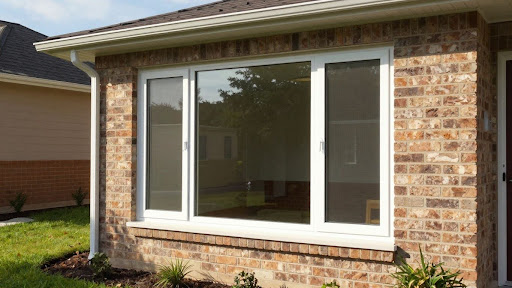
So, you’re getting new egress windows installed in Jacksonville. That’s great for safety, but there’s a bit more to it than just picking out a nice frame. Making sure everything is up to code is a big deal, and it’s not something you want to mess up. It’s all about making sure those windows actually work when you need them most, especially if there’s a fire.
The Role of Building Inspections in Duval County
Duval County, like most places, has its own set of rules for building projects, and window replacements are no exception. The building department is there to check that the work done meets the Florida Building Code. They’re not just there to make your life difficult; they’re there to make sure your home is safe. When you get an egress window installed, it’s going to need an inspection. This is where they check if the window is the right size, if it opens correctly, and if it’s installed properly so it won’t fail when you need it.
- Initial Permit Application: You’ll need a permit before work starts. This tells the county what you’re planning.
- Rough Opening Inspection: Sometimes, they’ll want to see the opening before the window is fully in place.
- Final Inspection: This is the big one, where they check the installed window against all the requirements.
Guidelines for Inspection Sequence and Procedures
Getting through inspections smoothly means knowing the general order of things. While specific details can vary, here’s a typical flow:
- Permit Acquisition: Make sure you have the permit in hand before any work begins. No work should start without it.
- Pre-Drywall/Rough-in Inspection (if applicable): For larger projects, this might involve checking framing and rough openings before insulation and drywall go up.
- Window Installation: The actual window is installed according to manufacturer specs and code.
- Final Inspection: The inspector verifies the window meets all egress requirements, including size, sill height, and operability.
It’s really important to talk to your contractor about the inspection schedule. They should know what the county expects and when each inspection needs to happen. Missing an inspection can cause delays and extra costs, so being prepared is key.
Homeowner Responsibilities in the Permitting Process
As the homeowner, a lot of the responsibility falls on you, even if you hire a contractor. You’re the one who needs to make sure the permit is pulled correctly and that the inspections are scheduled. Your contractor will do the physical work, but you’re the one who needs to keep an eye on the process.
- Verify Contractor Licensing and Insurance: Make sure whoever you hire is legit.
- Understand the Permit: Know what the permit covers and what the inspection requirements are.
- Schedule Inspections: Work with your contractor to book the necessary inspections with Duval County.
- Be Present (if possible): If you can be there during the inspection, you can ask questions and see firsthand if everything is okay.
Ultimately, your goal is to have a safe, code-compliant egress window that provides a reliable escape route.
Wrapping Up Your Egress Window Project
So, when it comes to replacing your egress windows here in Jacksonville, remember it’s more than just picking out a new pane of glass. It’s about making sure your home is safe and meets all the Florida building codes. Getting this right means you’ve got a reliable way out if something bad happens. If you’re feeling overwhelmed by the rules or the installation process, don’t sweat it. Finding a good contractor who knows their stuff makes all the difference. They’ll handle the details, ensuring your new windows are installed correctly and look great too. It’s a smart move for your home’s safety and peace of mind.
Frequently Asked Questions
What exactly is an egress window, and why is it important for fire safety?
An egress window is basically a special kind of window that’s big enough to be used as an emergency exit if there’s a fire or another serious problem. Think of it as a second way out of your home, especially from bedrooms or basements. It’s super important because if the main doors are blocked by fire or smoke, this window could be your only escape route.
What are the size rules for egress windows in Jacksonville, Florida?
In Florida, the building code has specific rules to make sure these windows are actually usable in an emergency. The opening needs to be at least 5.7 square feet. It also has to be at least 24 inches tall and 20 inches wide. These measurements ensure a person can actually fit through it.
Can I install bars or screens on my egress windows?
You can have bars or screens, but they must be easy to open from the inside without any special tools, keys, or even knowing a secret trick. The goal is a quick escape. If a bar or screen is locked or hard to open, it defeats the purpose of an emergency exit.
How high can the bottom of an egress window be from the floor?
The bottom of the window opening shouldn’t be more than 44 inches from the floor. This makes it easier for most people, including children or those with mobility issues, to reach and open the window in a stressful situation.
What should I look for when hiring a contractor to replace my egress windows?
When picking someone to do the work, make sure they know all about Florida’s building codes for egress windows. Ask for references from past jobs, especially ones where they installed or replaced similar windows. It’s also smart to get a written estimate that clearly explains what they’ll do, the materials they’ll use, and how much it will cost. Good communication from the start is a great sign.
What happens if my new egress window doesn’t pass inspection?
If an inspection fails, it usually means something wasn’t installed exactly according to the approved plans or the building code. Common issues include windows that don’t open correctly, improper installation that affects the structure, or using the wrong materials. The inspector will tell you what needs to be fixed so you can schedule a re-inspection.