Living in Jacksonville, FL, means dealing with a lot more than just the heat. We’ve got coastal winds, potential hurricanes, and just general noise from being a busy city. All these things can affect your home, especially your windows. This article is all about understanding those environmental factors and how picking the right windows can make a big difference, not just for comfort but for keeping your place safe and quiet. We’re talking about Environmental Noise Zones and Optimal Window Replacement in Jacksonville FL.
Key Takeaways
- Jacksonville has specific environmental zones, like coastal wind-borne debris regions and varying inland wind speed requirements, that directly impact window needs.
- Replacing windows with specialized soundproofing options can significantly reduce outside noise for a more peaceful home environment.
- Hurricane and impact-resistant windows are often required by code and provide protection against storms and debris, offering peace of mind.
- Choosing energy-efficient windows with features like Low-E glass and argon gas can lead to lower energy bills and better indoor comfort year-round.
- Proper documentation, including permits and product specifications, is important for insurance and resale value, especially when dealing with hurricane-resistant building codes.
Understanding Jacksonville’s Environmental Noise Zones
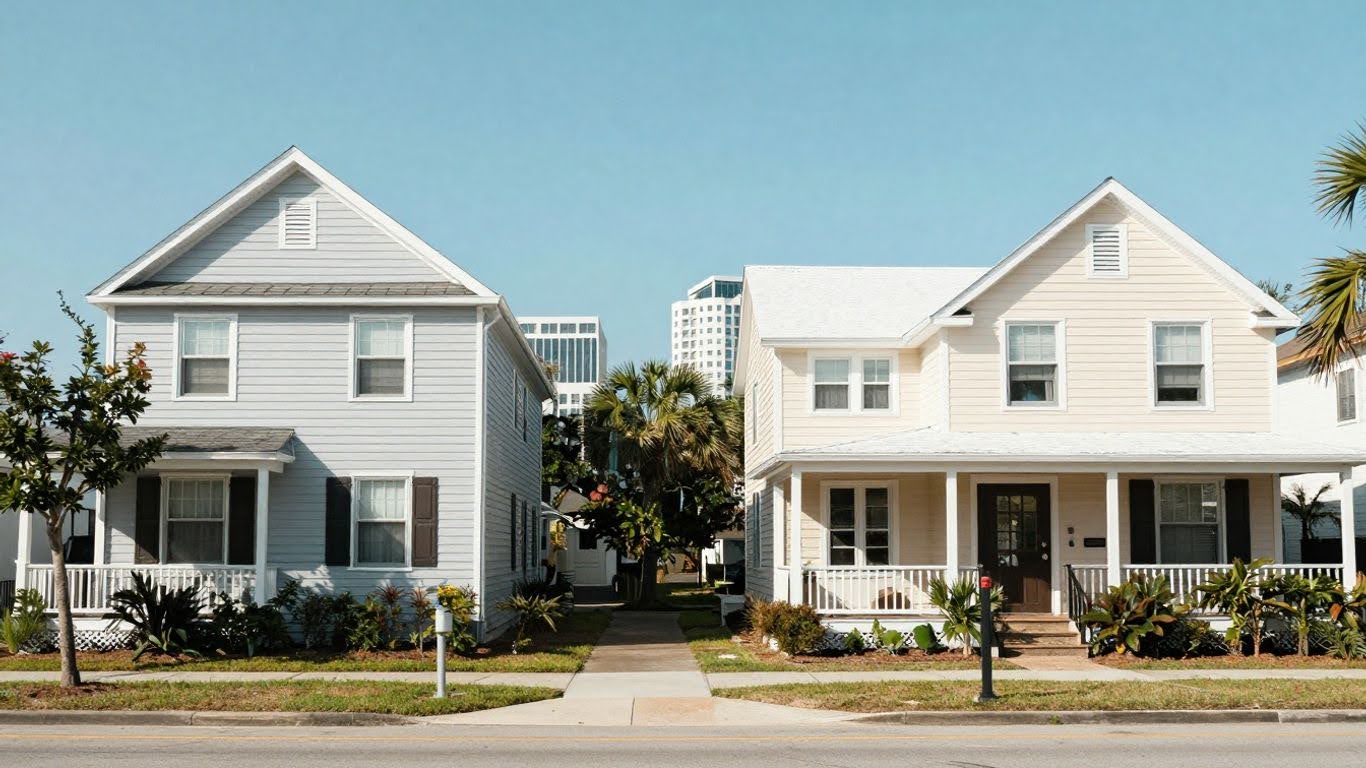
Jacksonville, like many coastal cities, deals with a few different environmental factors that can impact your home, especially when it comes to noise. It’s not just about the wind; it’s about how that wind carries sound and debris. Understanding these zones helps when you’re thinking about window replacements, particularly if you’re looking to quiet things down inside.
Coastal Wind-Borne Debris Regions
Living near the coast means dealing with potential wind-borne debris. If your home is within a mile of the Atlantic coast, your windows need to be ready for wind speeds of at least 130 mph. Homes a bit further inland still face significant wind pressure, often needing to withstand up to 140 mph. This isn’t just about preventing breakage; it’s also about how that wind, and any small debris it carries, can create noise that travels right through your windows.
Inland Wind Speed Requirements
Even if you’re not right on the beach, Jacksonville’s inland areas have their own wind speed requirements. The Florida Building Code maps out these zones, and generally, homes further from the coast might need windows rated for up to 140 mph. This is important because higher wind speeds can mean more noise pollution, especially from traffic or just the general sounds of the environment being amplified and pushed against your home.
High Velocity Hurricane Zones and Their Impact
While Jacksonville isn’t in the strictest High Velocity Hurricane Zones (HVHZ) like Miami-Dade or Broward counties, it’s still important to know about them. These zones have the most stringent rules because they face the highest wind speeds and hurricane threats. However, even areas like ours in Northeast Florida have wind-borne debris protection requirements that apply to most coastal and high-wind areas. This means your windows need to be built tough, not just for safety during storms, but also to help block out the constant noise that can come with living in a region prone to strong weather systems.
The building codes in Florida are designed with safety and resilience in mind, especially concerning wind and debris. When replacing windows, choosing options that meet these standards is key, not only for protection during storms but also for improving your home’s overall sound insulation against the elements and everyday noise.
Optimizing Window Replacement for Noise Reduction
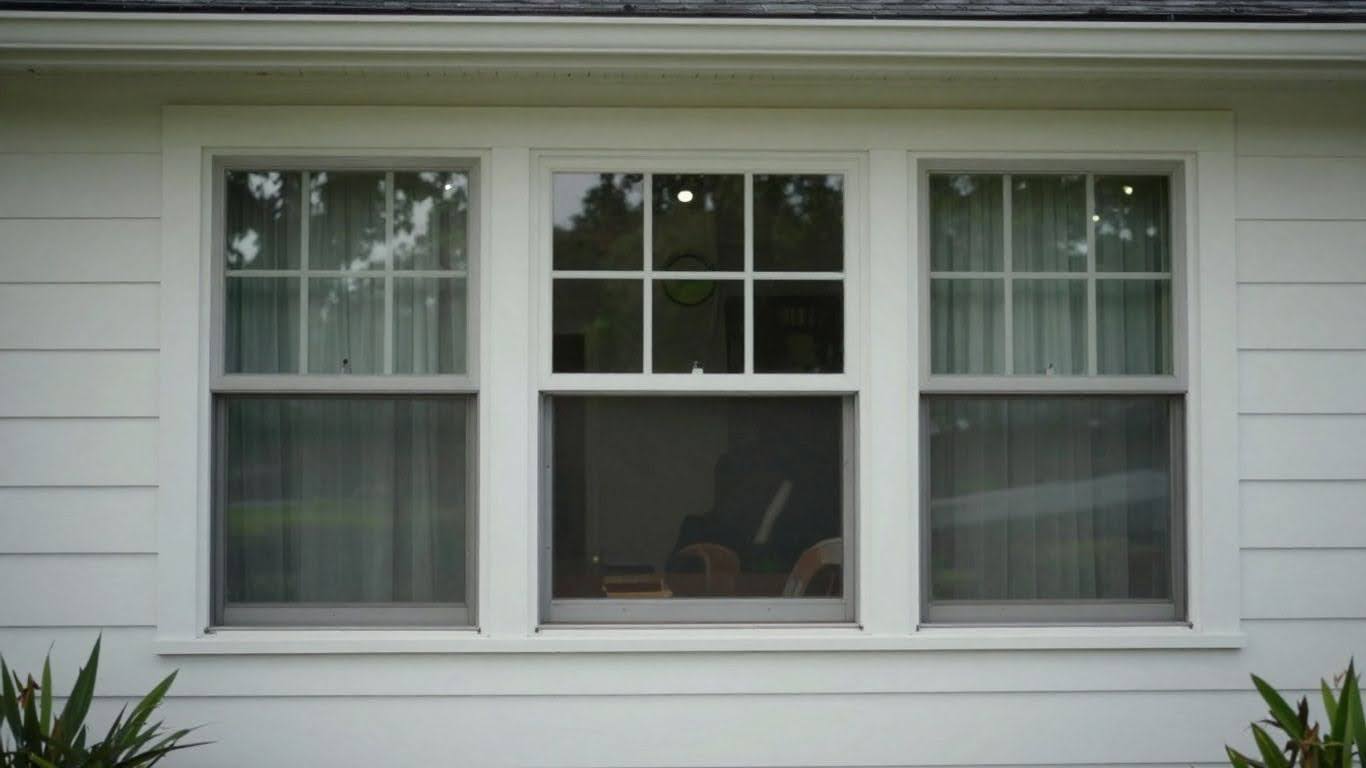
Living in Jacksonville means dealing with a certain level of ambient noise, whether it’s the sounds of traffic, neighborhood activity, or even just the general hum of a coastal city. If you’re looking to make your home a more peaceful retreat, upgrading your windows can make a surprisingly big difference. It’s not just about looks; the right windows can act like a sound barrier, keeping the outside world at bay.
Specialized Soundproofing Window Technologies
When we talk about windows that cut down on noise, we’re not just talking about standard double-pane glass. There are specific technologies designed to tackle sound waves. Think about windows with laminated glass, which has a plastic layer sandwiched between two pieces of glass. This layer helps to absorb sound vibrations, much like how a quiet car door closes with a solid thud instead of a rattle. Another approach involves using glass panes of different thicknesses. Sound travels at different speeds through materials of varying densities, so using mismatched pane thicknesses can disrupt and weaken sound waves as they try to pass through.
Benefits of Acoustic Insulation
Beyond just blocking noise, acoustic insulation in windows brings other perks. A quieter home environment can lead to better sleep, reduced stress, and improved concentration. It creates a more comfortable living space, especially if you work from home or have young children. You might also find that these windows help with temperature control, as the same features that block sound often help keep heat in during cooler months and out during the hot Florida summers. This can translate into lower energy bills, which is always a good thing.
Here’s a quick look at what makes a window good for sound reduction:
- Laminated Glass: A layer of plastic between glass panes absorbs sound.
- Different Glass Thicknesses: Using panes of varying thickness disrupts sound waves.
- Wider Air/Gas Gaps: The space between panes, especially if filled with inert gas like argon, can help dampen sound.
- Sturdy Frames: Well-built, solid frames contribute to overall sound dampening.
Creating a Quieter Indoor Environment
So, how do you actually achieve this quieter indoor space with new windows? It starts with choosing the right type of window and making sure it’s installed correctly. Windows designed for sound reduction often have features like thicker glass, multiple panes, and specialized seals. When you’re looking at replacement options, ask about the Sound Transmission Class (STC) rating. A higher STC rating means the window is better at blocking sound. For instance, a standard window might have an STC rating around 25-28, while a specialized acoustic window could reach 35 or higher. That difference can be quite noticeable.
Choosing windows with good acoustic properties isn’t just about blocking out the neighbor’s dog barking. It’s about creating a sanctuary within your own home, a place where you can truly relax and recharge away from the hustle and bustle of daily life. It’s an investment in your peace of mind and overall well-being.
When you’re ready to upgrade, consider these points:
- Assess your noise sources: Are you bothered by traffic, airplanes, or general street noise?
- Look at STC ratings: Higher numbers mean better sound blocking.
- Consider multi-pane windows: Double or triple-pane windows with wider gaps are generally better.
- Don’t forget installation: Proper sealing and fitting are just as important as the window itself.
Key Window Replacement Considerations for Jacksonville
When you’re thinking about new windows for your place in Jacksonville, there are a few big things to keep in mind, especially with our weather. It’s not just about looks; it’s about making sure your home is safe and comfortable year-round.
Hurricane and Impact-Resistant Window Solutions
Living here means dealing with hurricane season. That’s why picking windows that can handle strong winds and flying debris is super important. Impact-resistant windows are built tough. They have special glass and frames designed to take a hit without shattering. This not only protects your home during a storm but can also give you some peace of mind and might even help with your insurance costs. It’s a smart move for any homeowner in Florida.
Energy Efficiency and Climate Adaptation
Jacksonville gets hot, and those energy bills can add up. New windows can make a big difference in keeping your home cool in the summer and warmer in the winter, without running the AC or heat non-stop. This means a more comfortable house and lower utility costs. Picking windows that are good for our climate is a practical choice that pays off.
Low-E Glass and Argon Gas Insulation
These might sound technical, but they’re pretty straightforward features that help your windows work better. Low-E (low-emissivity) glass has a thin coating that reflects heat. In the summer, it keeps the sun’s heat out, and in the winter, it helps keep the warm air inside. Argon gas is a clear, odorless gas that’s put between the panes of glass. It’s a better insulator than regular air, which helps stop heat transfer even more. Together, these can really boost your windows’ ability to keep your home at a steady temperature.
Choosing the right windows isn’t just about aesthetics; it’s a practical investment in your home’s safety, comfort, and long-term efficiency, especially given Jacksonville’s unique climate challenges.
Here’s a quick rundown of what to look for:
- Impact Resistance: Look for windows rated for high-velocity hurricane zones.
- Energy Ratings: Check the U-factor and Solar Heat Gain Coefficient (SHGC) to see how well they insulate.
- Frame Material: Consider materials like vinyl or reinforced aluminum for durability.
- Sealed Units: Double or triple-pane windows with Low-E coatings and argon gas fill are top performers.
Choosing the Right Windows for Your Jacksonville Property
When it comes to picking out new windows for your place in Jacksonville, it’s not just about how they look, though that’s important too. You’ve got to think about what kind of windows will actually work best for you, considering our local weather and what you want them to do. It’s a bit of a balancing act, really.
Vinyl Window Durability and Maintenance
Vinyl windows are a really popular choice around here, and for good reason. They’re tough, don’t need a lot of fussing over, and they hold up pretty well against our salty air and humidity. You won’t have to worry about them peeling or cracking, and they never need painting. Plus, they’re usually a good bang for your buck, which is always nice when you’re making a big purchase like new windows.
Casement and Awning Window Functionality
If you like to get fresh air flowing, casement and awning windows are worth a look. Casement windows crank open from the side, giving you a clear view and letting in a good breeze. Awning windows, hinged at the top, can even stay open a bit when it’s raining lightly, which is handy for kitchens or bathrooms. They’re pretty good at sealing up tight when you close them, too, which helps with keeping the outside noise and weather out.
Bay and Bow Window Aesthetics
Now, if you’re looking to add some charm and a bit more space to your rooms, bay and bow windows are the way to go. Bay windows stick out from the wall, often with a big window in the middle and smaller ones on the sides, creating a nice little nook. Bow windows do something similar but have a more curved look, usually with more panels. They really open up a room, letting in more light and making it feel bigger. They can also make your house look pretty distinctive from the outside.
Picking the right window style isn’t just about looks; it’s about how the window performs day-to-day. Think about how you use your rooms and what you want the windows to achieve beyond just letting you see outside. Functionality and ease of use are just as important as the visual appeal.
Professional Window Services in the Jacksonville Area
Expert Window Installation and Repair
When it comes to replacing your windows, you want to know the job is done right. That means finding a team that really knows their stuff. Getting professional installation is key to making sure your new windows perform as they should, especially here in Florida with our unique weather. It’s not just about screwing them in; it’s about proper sealing, fitting them perfectly into the frame, and making sure they’re ready to handle whatever comes their way, from a stiff breeze to a heavy downpour.
Beyond just new installations, many companies also offer repair services. If you’ve got a cracked pane, a sticky sash, or a draft you just can’t seem to fix, a pro can often sort it out without needing a full replacement. They can look at things like:
- Broken glass
- Faulty hardware
- Air leaks around the frame
- Moisture issues
Sometimes a repair is all you need to get your windows working like new again and stop those annoying drafts.
Energy Efficiency Audits and Upgrades
Thinking about new windows often goes hand-in-hand with wanting to save on energy bills. A good window service company can actually come out and take a look at your current windows and your home’s overall energy use. They can spot where you might be losing the most heat in the winter or cool air in the summer. This kind of audit helps you understand where the problems are before you even pick out new windows.
Based on what they find, they can suggest upgrades that make the biggest difference. This might mean recommending windows with specific types of glass, better insulation, or frames that are more energy-smart. It’s about making your home more comfortable year-round and cutting down on those utility costs.
Service Area Coverage and Local Expertise
When you’re looking for window services, it’s always a good idea to work with a company that knows the Jacksonville area. They understand the local building codes, the typical weather patterns you need to prepare for (like hurricanes!), and what works best for homes in this region. Plus, a local company is usually more accessible for follow-up questions or any minor adjustments needed down the line.
Most companies serving Jacksonville will cover the main city and surrounding areas. This often includes places like:
- Jacksonville Beach
- Ponte Vedra Beach
- Atlantic Beach
- Neptune Beach
- And surrounding Duval County communities
It’s worth checking their specific service map to make sure you’re within their reach. Knowing they’re nearby can give you extra peace of mind.
The Value of Quality Window Replacements
Putting in new windows isn’t just about making your house look a bit nicer. It’s a pretty solid investment that pays off in a bunch of ways, especially here in Jacksonville. Think about it: better comfort, lower bills, and a quieter home. That’s a win-win-win, right?
Enhancing Property Value and Appeal
When you swap out old, worn-out windows for new ones, your home just looks better. It’s like giving your house a facelift. New windows can really change the whole vibe, making it look more modern and cared for. This boost in appearance isn’t just for show; it actually makes your property more attractive to potential buyers if you ever decide to sell. Plus, it makes your place feel more like home while you’re living there.
Ensuring Long-Term Durability
Let’s face it, Jacksonville weather can be tough. We get heat, humidity, and sometimes some serious storms. Quality windows are built to handle all that. They’re made with materials that won’t warp or rot easily, and they’re designed to keep out the elements. This means you won’t be dealing with leaks or drafts a few years down the line. It’s about getting windows that are going to last and keep performing well, saving you headaches and money in the long run.
Meeting Building Code Requirements
This might not be the most exciting part, but it’s important. Building codes are there for a reason – mostly to keep homes safe and energy-efficient. When you get new windows, especially ones that are impact-resistant for hurricane season or designed for better energy use, you’re making sure your home meets all the current standards. This is super important if you’re planning any major renovations or if you’re selling your house. It shows everything is up to par and avoids any potential issues later on.
Wrapping Up Your Jacksonville Window Project
So, we’ve talked about how noisy areas and even the weather here in Jacksonville can really impact your home. It’s not just about comfort, either; it’s about protecting your place from storms and saving a bit on those energy bills. Upgrading your windows might seem like a big job, but it really makes a difference. Whether you’re dealing with loud traffic or just want a quieter spot to relax, the right windows can help. Plus, making sure they meet Florida’s building codes for wind and debris is super important. Think about it – better peace inside, more protection outside, and maybe even a little extra cash in your pocket from lower energy costs. It’s a solid move for any homeowner around here.
Frequently Asked Questions
What are Jacksonville’s noise zones and why do they matter for windows?
Jacksonville has different areas with varying noise levels, like those near the coast with wind noise or busy roads with traffic sounds. Knowing these zones helps choose windows that can block out unwanted noise, making your home quieter and more peaceful. It’s like picking the right earplugs for a loud concert!
How do special soundproofing windows work?
These windows are built with extra layers and special materials that are really good at stopping sound waves. Think of them like a thick, cozy blanket for your windows. They have thicker glass and special seals that keep noise from getting inside, creating a calm space for you.
What’s the difference between hurricane windows and regular windows?
Hurricane windows are super strong! They’re made with special impact-resistant glass and tough frames to handle strong winds and flying stuff during storms. Regular windows can break easily. Hurricane windows help keep your home safe and might even lower your insurance costs.
Are energy-efficient windows worth the cost in Florida?
Yes, definitely! Florida gets really hot. Energy-efficient windows, like those with Low-E glass and argon gas, help keep the cool air inside and the hot air out. This means your air conditioner doesn’t have to work as hard, saving you money on electricity bills and keeping your home more comfortable.
What are the benefits of vinyl windows for my home?
Vinyl windows are a great choice because they’re tough, don’t need much care, and help save energy. They won’t warp, crack, or fade easily, and you never have to paint them! They’re also usually more affordable, making them a smart upgrade for your home.
Why should I hire professionals for window replacement?
Hiring pros means the job gets done right. They have the skills and tools to install windows perfectly, making sure they work well, look good, and are sealed properly. This ensures you get the best protection from noise, weather, and energy loss, plus they can help with permits and knowing local rules.