Thinking about new windows for your place in Jacksonville, FL? It’s a big decision, and honestly, it can get a little confusing with all the different ratings and features out there. We’re talking about replacing stuff that affects everything from your cooling bill to how your house feels day-to-day. So, let’s break down what you really need to know about ENERGY STAR certification for window replacement in Jacksonville FL. It’s not just about a sticker; it’s about making a smart choice for your home and your wallet in our sunny, humid climate.
Key Takeaways
- ENERGY STAR certification means windows meet specific energy efficiency standards for Florida’s climate, helping to lower cooling costs. Look for the label when shopping.
- Beyond the basic ENERGY STAR label, some windows are designated ‘Most Efficient,’ meaning they perform even better and offer greater savings.
- Key metrics like U-Factor (insulation) and Solar Heat Gain Coefficient (SHGC) are important for Jacksonville’s climate; aim for low numbers to block heat.
- Features like Low-E coatings and multiple panes with inert gas fills significantly improve a window’s ability to keep heat out and maintain comfort.
- Replacing old windows can lead to noticeable savings on energy bills, improved indoor comfort, and protection for your home’s interior from sun damage.
Understanding ENERGY STAR Certification for Jacksonville Homes
Living in Jacksonville means dealing with some serious heat and humidity for a good chunk of the year. Keeping your home cool without breaking the bank on electricity is a big deal for most of us. That’s where ENERGY STAR certified windows come into play. Think of the ENERGY STAR label as a stamp of approval from the U.S. Environmental Protection Agency, basically saying these windows are built to be more energy-efficient than standard ones. This means they’re designed to help keep that hot Florida air out and your cool, conditioned air in, which can really make a difference on your monthly bills.
What ENERGY STAR Certification Means for Florida
For us here in Florida, ENERGY STAR certification is particularly important. The program has different standards for different climates, so the windows you see with the ENERGY STAR label have been tested and proven to perform well in our specific conditions. This usually means they’re good at blocking out solar heat, which is a huge factor when the sun is beating down most of the year. Getting windows that meet these standards can lead to noticeable savings on your cooling costs. It’s not just about a little bit of savings either; for homeowners replacing old, single-pane windows, the annual savings can add up significantly.
Beyond Basic ENERGY STAR: “Most Efficient” Designations
Now, while any ENERGY STAR certified window is a good step, there’s actually a level above that: the “Most Efficient” designation. Each year, ENERGY STAR recognizes a select group of products that go above and beyond the standard requirements. These are the top performers, the windows that offer the best energy efficiency. For Jacksonville homeowners, looking for these “Most Efficient” models can mean even greater savings and better comfort. They typically have lower U-factors (meaning they insulate better) and lower Solar Heat Gain Coefficients (meaning they block more of the sun’s heat) than standard ENERGY STAR windows.
The Value of ENERGY STAR Windows Over Time
It’s easy to look at the price tag of new windows and think they’re a big expense. And yeah, ENERGY STAR certified windows might cost a bit more upfront than the cheapest options out there. But here’s the thing: they pay for themselves over time. Because they help your air conditioner run less, you save money on electricity every single month. Plus, these windows are built to last and perform well for years, meaning you won’t be dealing with drafts or energy loss down the line. It’s an investment in your home’s comfort and your budget that keeps on giving, especially in a climate like ours where cooling is a constant need.
Key Energy Efficiency Metrics for Window Performance
When you’re looking at new windows, especially those with an ENERGY STAR label, you’ll see a few numbers that tell you how well they’ll perform. These aren’t just random figures; they’re standardized measurements that help you compare windows directly. Understanding these metrics is pretty important for making sure you get windows that actually save you money and keep your home comfortable here in Jacksonville.
Understanding U-Factor for Heat Transfer
The U-factor tells you how well a window prevents heat from moving in or out. Think of it like insulation for your window. A lower U-factor means the window is a better insulator. This is super important in Florida because we want to keep that hot summer sun out and our cool air inside. For Jacksonville, you’ll want to look for windows with a U-factor that’s on the lower side, generally 0.32 or less to meet ENERGY STAR standards for our region.
The Importance of Solar Heat Gain Coefficient (SHGC)
Next up is the Solar Heat Gain Coefficient, or SHGC. This number shows how much of the sun’s heat actually passes through the window glass. In a sunny place like Jacksonville, a high SHGC can really crank up your air conditioning costs. You want a window that blocks a lot of that solar heat. ENERGY STAR recommends an SHGC of 0.23 or less for windows in the southern U.S. to keep your home cooler.
Assessing Air Leakage in Window Seals
Finally, there’s air leakage. This metric measures how much air can sneak in or out through the window’s seals and frame. Even the best glass won’t help much if air is constantly flowing around it. High air leakage means your AC has to work overtime to maintain a comfortable temperature, which translates to higher energy bills. Look for windows with a low air leakage rating, ideally 0.3 or less. This is especially true in our humid climate, where uncontrolled air can bring in moisture too.
Paying attention to these three numbers – U-factor, SHGC, and air leakage – is your best bet for picking windows that will actually make a difference in your home’s energy use and comfort level. Don’t just take the “ENERGY STAR” label at face value; check the specifics.
Here’s a quick rundown:
- U-Factor: Lower is better for insulation (keeping heat out in summer, in during cooler nights).
- SHGC: Lower is better for blocking the sun’s heat.
- Air Leakage (AL): Lower is better for preventing drafts and energy loss.
Advanced Features for Enhanced Window Efficiency
So, you’re looking at new windows for your place in Jacksonville, and you want to make sure they’re really doing their job when it comes to saving energy. Beyond just the ENERGY STAR label, there are some specific technologies and designs that make a big difference. It’s not just about the glass; the whole window unit works together.
The Role of Low-E Coatings and Tinted Glass
Think of Low-E (low-emissivity) coatings as a super-thin, almost invisible shield on your glass. It’s a metallic layer that’s applied during manufacturing. This coating is key because it reflects heat. In the summer, it bounces solar heat away from your home, keeping the inside cooler. In the winter, it helps keep the heat generated inside from escaping back out. This means your air conditioner and heater don’t have to work as hard, which directly translates to lower energy bills. Tinted glass does something similar by reducing the amount of visible light and solar heat that enters, but Low-E coatings are generally more effective for year-round energy savings without significantly darkening your view.
Benefits of Multiple Panes with Inert Gas Fills
Most modern energy-efficient windows come with at least two panes of glass, often called double-pane or double-glazed windows. Some even have three panes (triple-pane). The real magic happens in the space between these panes. Manufacturers often fill this gap with an inert gas, like argon or krypton. These gases are heavier and denser than regular air. Because they don’t move around as easily, they act as a better insulator. This reduces heat transfer from the outside in during hot Jacksonville summers and from the inside out during those rare cooler spells. It’s like adding an extra layer of insulation that you can see through!
Here’s a quick look at how multiple panes and gas fills help:
- Double-Pane with Argon: A good balance of efficiency and cost. Significantly better than single-pane windows.
- Triple-Pane with Argon: Offers even higher insulation levels, ideal for extreme climates or if you’re aiming for top-tier energy performance.
- Triple-Pane with Krypton: Krypton is even denser than argon, providing superior insulation, especially in thinner gaps. This is often found in high-performance windows.
Insulated Frames and Triple-Seal Systems
Don’t forget the frame! The frame material and its construction play a big part in a window’s overall efficiency. Frames made from materials like vinyl, fiberglass, or wood (often with internal insulation) are much better at preventing heat transfer than basic aluminum frames, which can act like a heat highway. Look for frames that are designed with multiple chambers or internal insulation to further block heat. Additionally, a good window will have a robust sealing system. A triple-seal system, for example, uses multiple layers of weatherstripping around the sash and frame. This creates a much tighter barrier against air leaks, preventing drafts and keeping conditioned air inside where it belongs. It’s these details that really add up to a more comfortable and energy-smart home.
When you’re looking at window specs, pay attention to how the frame is built and how many seals are in place. A window isn’t just glass; it’s a whole system designed to keep your home’s temperature stable and your energy bills down. Jacksonville’s climate demands windows that can handle the heat and humidity, and these advanced features are your best bet.
Real-World Energy Savings and Home Comfort
So, you’re thinking about new windows, and maybe you’re wondering if they’re really worth the upfront cost. Let’s break down what you can expect in terms of actual savings and how much more comfortable your home will feel, especially here in Jacksonville.
Projected Annual Savings for Jacksonville Residents
Upgrading to ENERGY STAR certified windows isn’t just about a label; it translates directly into lower utility bills. For homeowners in Jacksonville, replacing old, single-pane windows with ENERGY STAR compliant models can lead to noticeable savings. While exact figures vary based on your current windows and energy usage, estimates suggest potential annual savings that can add up significantly over time. The more your home struggles to maintain a comfortable temperature, the more you stand to gain from these efficient upgrades.
Here’s a general idea of what you might save:
- Replacing single-pane windows: Expect savings in the range of $126 to $465 per year.
- Replacing older double-pane, clear glass windows: You could see savings between $27 and $111 annually.
These numbers are based on average energy costs, so your actual savings could be higher if your electricity rates are higher or if your home requires more energy to heat and cool.
Improved Indoor Comfort and Reduced HVAC Strain
Beyond the money saved, the comfort boost from new, efficient windows is a big deal. These windows are designed to insulate your home better, keeping the cool air in during our hot Jacksonville summers and the warmth in during those occasional cooler spells. This means your air conditioner and heater won’t have to work overtime constantly. Less strain on your HVAC system not only means lower energy use but also potentially extends the life of your equipment. You’ll likely notice fewer drafts around windows and a more consistent temperature throughout your house, making it a much more pleasant place to be.
The improved insulation provided by modern, energy-efficient windows creates a more stable indoor environment. This consistency reduces the constant cycling of your heating and cooling systems, leading to a quieter home and a more relaxed atmosphere, especially during extreme weather.
Protecting Interiors from UV Fading
Did you know that the sun’s rays can do a number on your furniture, flooring, and artwork? Those harsh UV rays can cause colors to fade over time. Many ENERGY STAR certified windows come with special Low-E coatings that act like sunscreen for your home. They block a significant portion of these damaging UV rays without drastically changing how you see the outside world. This means your belongings will stay looking newer for longer, preserving their appearance and value. It’s another one of those benefits that you might not think about initially, but it makes a real difference in maintaining the look and feel of your home’s interior.
Choosing the Right Windows for Jacksonville’s Climate
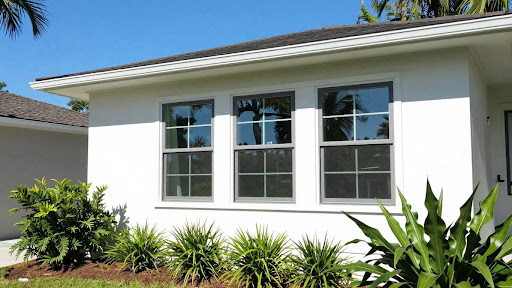
Jacksonville homeowners have a pretty specific set of challenges when it comes to windows. We deal with serious heat and humidity most of the year, plus the occasional hurricane. Picking the right windows isn’t just about looks; it’s about making your home comfortable and keeping your energy bills from going through the roof. It’s a balancing act, for sure.
Balancing Performance, Durability, and Aesthetics
When you’re looking for new windows, you’ve got to think about a few things all at once. You want windows that are going to keep the heat out in the summer and the cool air in. That means looking at those ENERGY STAR ratings, especially the U-factor and SHGC numbers we talked about. For Jacksonville, a low U-factor and a low SHGC are your best friends. But it’s not just about the numbers. Florida weather can be tough, so you need windows that can handle the sun, the salt air near the coast, and the general wear and tear. Durability is key here. You don’t want to be replacing windows again in just a few years. And of course, you want them to look good! Windows are a big part of your home’s appearance, so finding something that matches your house’s style is important too. It’s about finding that sweet spot where the windows perform well, last a long time, and make your home look great.
Considering Hurricane Protection Requirements
This is a big one for us here in Florida. Hurricane season is a reality, and having windows that can stand up to high winds and flying debris is not just a good idea, it’s often a necessity. Look for windows that are rated for impact resistance. These windows usually have laminated glass and stronger frames. The good news is that many of these impact-resistant windows also happen to be really good at keeping your home energy-efficient. The same features that protect you from a storm – like better seals and thicker glass – also help block heat transfer and air leaks. Plus, in some cases, having these types of windows might even get you a discount on your homeowner’s insurance. It’s a win-win situation, really.
Window Orientation and Its Impact on Efficiency
Where your windows are located on your house actually makes a difference in how well they work. In Jacksonville, the sun can be pretty intense, and its position changes throughout the day and year. Windows facing south get a lot of direct sun, especially in the summer. For these, you’ll want windows with a really low Solar Heat Gain Coefficient (SHGC) to block that heat. Windows facing east and west also get hit hard, particularly in the afternoon when it’s already hot. Again, a low SHGC is important here. North-facing windows don’t get as much direct sun, so you might have a little more flexibility, but you still want to focus on keeping that conditioned air inside. Thinking about which way your windows face can help you choose the best type of glass and coatings for each specific location on your home.
Choosing the right windows involves looking at more than just the ENERGY STAR label. You need to consider how the window will perform in Jacksonville’s specific climate, how well it will hold up against our weather, and how it fits with your home’s overall look. Don’t forget about hurricane readiness, as many protective features also boost energy savings. Finally, pay attention to which direction your windows face, as this can significantly affect how much heat they let in.
Signs It’s Time for a Window Upgrade
Sometimes, you just know it’s time for a change, right? Your windows are no different. If you’re noticing some persistent issues around your home, it might be a clear signal that your current windows are past their prime and costing you more than you think. Don’t wait until your energy bills become completely unmanageable or your home feels like a sieve.
Detecting Drafts and Air Leaks
This is probably the most obvious sign. When you can feel a cool breeze coming from your windows, even when they’re closed, that’s a problem. It means the seals are failing, or the frames themselves are letting air sneak in and out. You might feel it most strongly when you’re standing close to the window, especially on a windy day. It’s not just about comfort, either; all that escaping conditioned air means your HVAC system is working overtime trying to keep up, which directly impacts your electricity bill.
Monitoring Energy Bill Spikes
Have you noticed your electricity or gas bills creeping up, especially during the hottest or coldest months? Inefficient windows are a major culprit. They let the heat from our Jacksonville sun pour in during the summer and allow your expensive heated air to escape during those rare chilly spells. If your energy costs seem unusually high for the amount of heating or cooling you’re doing, your windows could be the silent energy drain.
Addressing Condensation and Fading
See that foggy or watery layer that sometimes appears between the panes of glass? That’s condensation, and it’s a sign that the seal between the glass layers has broken. This compromises the window’s insulating ability. Also, if you’re noticing that your furniture, carpets, or artwork near the windows are looking faded, it’s because your current windows aren’t blocking enough of the sun’s harmful UV rays. This fading isn’t just an aesthetic issue; it means those UV rays are also contributing to heat gain inside your home.
Here are a few more things to watch out for:
- Increased Outside Noise: If you can hear traffic, neighbors, or other outdoor sounds more clearly than you used to, your window’s sound insulation has likely degraded.
- Difficulty Operating: Windows that are hard to open, close, or lock might have warped frames or worn-out mechanisms, indicating they’re no longer functioning properly.
- Visible Damage: Cracks, rot in wooden frames, or peeling paint can all point to windows that need replacement for both efficiency and structural integrity.
If you’re experiencing any of these issues, it’s a strong indicator that your current windows are not performing as they should. Upgrading to modern, ENERGY STAR certified windows can make a significant difference in your home’s comfort and your monthly expenses.
Wrapping Up Your Window Choice
So, when it comes down to it, picking new windows for your Jacksonville home is a pretty big deal. Going with ENERGY STAR certified options is definitely a smart move, especially here in Florida where the sun and heat are no joke. It’s not just about saving a few bucks on your electric bill, though that’s a nice perk. These windows help keep your house more comfortable all year round, meaning your air conditioner doesn’t have to work quite so hard. Plus, you’re doing a little something good for the environment. Remember, while the ENERGY STAR label is a great starting point, there are always windows out there that go above and beyond. Talking to a local pro can really help you figure out what’s best for your specific house and budget. It’s an investment, for sure, but one that pays off in comfort and savings for years to come.
Frequently Asked Questions
What exactly is ENERGY STAR certification for windows?
ENERGY STAR is a program from the U.S. government that helps people find energy-saving products. For windows, it means they meet strict standards for keeping heat out in the summer and in during the winter. In Jacksonville, this is super important because of our hot weather. Windows with this label are tested to be more efficient than regular ones, which can help lower your electricity bills.
Are ENERGY STAR windows more expensive, and are they worth the cost?
Yes, ENERGY STAR windows might cost a bit more upfront than basic windows. But think of it as an investment! Because they help your air conditioner run less, you’ll save money on your energy bills year after year. Over time, these savings can actually make them cheaper than buying less efficient windows that make your AC work harder.
What does ‘Most Efficient’ mean for ENERGY STAR windows?
Some ENERGY STAR windows are even better than others! The ‘Most Efficient’ label means a window has passed even tougher tests for energy performance. These are the top-of-the-line models that offer the best insulation and stop the most heat from coming in, giving you even bigger savings and more comfort.
How much money can I really save on my energy bills in Jacksonville?
Replacing old, single-pane windows with ENERGY STAR certified ones can save you a good chunk of change each year. For Jacksonville homeowners, estimates suggest savings can range from over $100 to possibly even $400 or more annually, especially if your old windows are really leaky. The hotter it gets and the more you use your AC, the more you’ll save.
Besides saving money, what other benefits do these windows offer?
You’ll likely feel more comfortable in your home because the temperature will be more even, with fewer drafts. Your air conditioner won’t have to work as hard, which can make it last longer. Plus, many of these windows block harmful UV rays, protecting your furniture, carpets, and artwork from fading in the strong Florida sun.
How do I know if my current windows need replacing?
Look for signs like feeling cool drafts when you’re near the windows, especially when it’s windy. If your energy bills seem unusually high, especially during the summer, your windows could be a major reason. Also, if you see condensation or fog building up between the glass panes, or if your furniture is fading quickly, it’s probably time for an upgrade.