Living in Jacksonville means dealing with heat and humidity pretty much all year long. If your energy bills are climbing and your air conditioner is always running, your windows might be the culprit. Old, leaky windows let all that nice cool air escape and let the hot Florida sun bake your house. This article is all about how to pick the right replacement windows for your home here in Jacksonville, FL, using smart ways to figure out what’s best. We’ll look at what all those window ratings mean and how to find windows that will actually save you money and keep your home comfy.
Key Takeaways
- Understand window ratings like U-factor and Solar Heat Gain Coefficient (SHGC) to know how well they insulate and block sun heat, which is super important for Jacksonville’s climate.
- Look for windows with features like double or triple-pane glass filled with gas, and Low-E coatings. These help keep the heat out and your energy bills down.
- ENERGY STAR® ‘Most Efficient’ windows are a good bet, meaning they meet higher standards for saving energy, which can lead to noticeable savings on your cooling costs.
- Consider different window styles and frame materials like vinyl, wood, or fiberglass, balancing how they look with how well they perform and fit your budget.
- Proper installation is just as important as the window itself; make sure you hire pros who seal everything up tight to avoid drafts and energy loss.
Understanding Window Performance Metrics for Jacksonville Homes
When you’re picking out new windows for a Jacksonville home, the performance ratings can seem like alphabet soup. But in North Florida’s hot, sunny, and sometimes stormy climate, these numbers matter—maybe more than you think. The big goal is to keep your energy bills under control and your house comfortable, even when summer just won’t quit.
Decoding U-Factor and Solar Heat Gain Coefficient
- U-Factor measures how well your window keeps heat from passing through. For Jacksonville, you want a lower number—think of it as how much insulation the window provides.
- Solar Heat Gain Coefficient (SHGC) tells you how much heat from the sun comes inside. Lower is usually better in Florida since there’s never a shortage of sunlight.
- Here’s a quick comparison:
| Rating | Ideal Value (Jacksonville) | What It Means |
| U-Factor | ≤ 0.30 | Holds cool air in, blocks outside heat |
| Solar Heat Gain Coefficient | ≤ 0.25–0.30 | Reduces summer heat gain |
You’ll want both numbers handy when comparing products in the store.
The Role of Air Leakage and Condensation Resistance
- Air Leakage (AL): This points to how much air can sneak through cracks or poorly sealed parts of the window. Lower AL is best; it means less energy wasted on leaks.
- Condensation Resistance (CR): High humidity, like we get in Jacksonville, means windows can fog and sweat. Higher CR numbers stand up better to that constant moisture.
- Why it matters: Sneaky drafts will make your HVAC run longer—and who wants fogged glass every morning anyway?
Checklist for window shoppers:
- Aim for low air leakage (AL ≤ 0.3)
- Look for condensation resistance scores over 50
- Don’t skip reading a window’s performance sticker
Impact Ratings for Florida’s Climate
Jacksonville windows need to weather more than heat: hurricanes and wild storms show up every year or two.
- Impact-rated windows are tested to withstand flying debris and pressure shifts—especially important for coastal and hurricane-prone neighborhoods.
- Double-check that replacement windows meet Florida Product Approval standards and, if you’re close to the coast, High Velocity Hurricane Zone (HVHZ) requirements.
Performance labels aren’t just for the window company—they help you pick products that will keep your home cooler, drier, and safe year-round, plus save you money when the A/C is running non-stop.
Identifying Energy-Efficient Window Features
When you’re looking to replace windows in your Jacksonville home, it’s not just about how they look. The real magic happens with the features that keep your house comfortable and your energy bills down. Think of these as the hidden superpowers of your windows.
Benefits of Double and Triple-Pane Glass with Gas Fills
So, what’s the deal with multiple panes of glass? It’s pretty simple, really. Instead of just one layer of glass, you’ve got two or even three. Between these panes, manufacturers often inject special gases like argon or krypton. These gases are heavier than air and don’t move around as much, which means they’re better at stopping heat from escaping your home in the cooler months or getting in when it’s blazing outside. Double-pane windows are a solid choice for most homes, but if you’re really chasing maximum insulation, especially in areas with more extreme temperatures, triple-pane windows with gas fills offer an extra layer of defense against heat transfer.
The Advantage of Low-E Coatings
Low-Emissivity, or Low-E, coatings are like a microscopic shield on your glass. These super-thin layers are practically invisible, but they do some heavy lifting. In the summer, they reflect a lot of the sun’s heat away from your house, meaning your air conditioner doesn’t have to work as hard. In the winter, they help keep the heat inside your home by reflecting it back into the room. It’s a smart way to manage solar heat gain without making your windows look tinted or dark.
Understanding Frame Materials and Thermal Breaks
The frame is the part of the window that holds everything together, and it plays a bigger role in energy efficiency than you might think. Different materials conduct heat differently. Vinyl and fiberglass frames are generally good insulators on their own. Wood frames also offer decent insulation. Metal frames, like aluminum, can be a bit trickier because metal is a good conductor of heat. That’s where “thermal breaks” come in. These are insulating materials placed within the frame to stop heat from traveling through the metal. So, if you’re looking at metal frames, make sure they have these thermal breaks to keep your home’s temperature steady.
Here’s a quick look at how different window types generally stack up:
| Window Type | Typical U-Factor Range | Best For |
| Single-Pane | 0.9 – 1.2 | Budget projects, mild climates |
| Double-Pane | 0.25 – 0.50 | Most climates, good balance of performance |
| Triple-Pane | 0.15 – 0.30 | Extreme climates, top-tier energy efficiency |
Choosing windows with the right features can make a noticeable difference in your home’s comfort and your monthly bills. It’s about finding that sweet spot between keeping the heat out when you need it and keeping it in when you don’t, all while making sure your home looks great.
Leveraging ENERGY STAR® for Optimal Selection
Getting new windows is a big step, and those ENERGY STAR® labels you spot at the store can really help cut through confusion. In Jacksonville’s climate, you want windows that keep the heat out but don’t trap humidity in. Buying ENERGY STAR® certified windows isn’t just about saving energy; it’s also about comfort, compliance, and securing a solid return on your investment.
What ‘Most Efficient’ Designation Means
The ‘Most Efficient’ mark from ENERGY STAR® doesn’t just look good on paper. It means a window is among the top tier—think the best of the best for cutting energy waste and utility bills. Products in this group go through extra tests and have to hit even stricter ratings for insulation (U-Factor) and solar control (SHGC). Especially for Jacksonville, the right mix of these numbers means beating the summer heat without running your A/C around the clock.
Here’s a handy table to break down the basic ENERGY STAR® window tiers:
| Label | Performance Thresholds | Perks |
| Standard ENERGY STAR® | Meets regional criteria | Energy savings |
| ENERGY STAR ‘Most Efficient’ | Exceeds toughest ratings | Top efficiency, bigger cuts on bills |
How ENERGY STAR® Ratings Translate to Savings
Let’s talk money: replacing old windows with ENERGY STAR® models could knock around 13% off your yearly home energy costs. That means these windows pay you back—a little more every month. Here’s how switching from standard single-pane to ENERGY STAR® certified windows can affect Jacksonville homes:
- Lower monthly utility bills due to less heat getting inside
- Reduced need for air conditioning, especially in July and August
- More stable indoor temperatures, so your house actually feels cooler without blasting the air all day
- Quieter rooms—energy-efficient glass also buffers street noise
ENERGY STAR® certified windows don’t just seal in comfort—they can shrink that summer power bill so you have extra money for weekend fun.
Choosing ENERGY STAR® Certified Windows for Florida
Here’s what to look for so you get windows that suit our climate:
- Check the Climate Zone: Florida falls into the Southern zone for ENERGY STAR®. Look for windows certified for this region.
- Review the U-Factor and SHGC: Aim for a low U-Factor and an SHGC around 0.25–0.40. These numbers mean less heat sneaks inside during our hot season.
- Confirm the Seal: Air leakage ratings should be low. A drafty window loses even the best energy rating.
- Read the Fine Print: That blue label should clearly list performance data, so double-check it’s right for Florida’s weather.
Don’t forget, utility rebates or local incentives are often available if you pick ENERGY STAR® certified windows. That can make upgrading a bit lighter on your wallet and puts those energy savings on the fast track.
Evaluating Window Styles and Materials
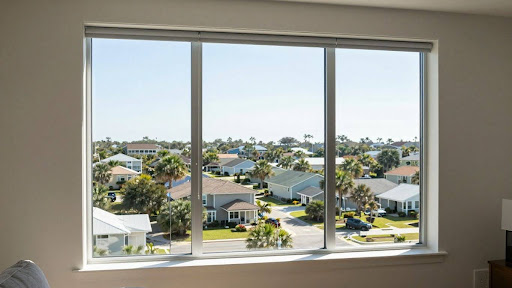
When you’re trying to pick out new windows for your Jacksonville home, style and material are bigger factors than most folks realize. You might look at a display window in the store and think, “Glass is glass, right?” Not really. The frame type and the window’s design affect comfort, how much you pay on energy bills, and even how long the windows last in Florida’s weather. Let’s go through the main choices.
Pros and Cons of Vinyl Window Frames
Vinyl windows pop up everywhere for a good reason—they’re practical.
- Resist humidity and don’t rot, which is huge in Jacksonville.
- Never need painting; easy to wipe down with soap and water.
- Tend to be affordable compared to wood and fiberglass.
- Good at insulating, which keeps your AC from running overtime.
- Not the strongest in terms of frame rigidity for large window sizes.
- Can warp in very high heat over decades, but that’s rare with newer blends.
If you want low stress and solid energy savings, vinyl makes sense for the average homeowner in this part of Florida.
Considering Wood and Fiberglass Alternatives
Wood and fiberglass windows both offer unique perks, but they’re hardly the same:
| Frame Material | Main Benefits | Typical Downsides | Cost Level |
| Wood | Timeless look, great natural insulator | Needs repainting, can rot/swell | High |
| Fiberglass | Strong, stands up to weather, resists cracking | Fewer color choices, pricier than vinyl | High |
Wood frames look beautiful, but in humid climates like Jacksonville, they can need a lot of upkeep. Fiberglass is stronger than vinyl and won’t swell or rot, but you’ll likely pay a premium. Some folks love the feel of real wood, though, especially for older houses or historical districts.
Balancing Aesthetics with Performance
Picking out windows isn’t all about numbers—you want them to look good, too.
- Think about which rooms really face the sun, or catch all the sea breeze, before locking into one type.
- Try matching the frame color and style to your home’s current look so they blend naturally.
- Don’t be afraid to mix and match materials (for example, wood on the front for looks, vinyl elsewhere for price and durability).
- Sliding, casement, and double-hung windows all have different energy profiles.
The trick is not to sacrifice comfort for style, or vice versa. Most homes in Jacksonville end up with a mix that works best for their location, budget, and taste.
The Importance of Professional Installation
Getting new, energy-efficient windows is a solid move for Jacksonville homes, but here’s something people sometimes overlook: even the best window won’t help much if it’s put in wrong. Professional installation is what really locks in those comfort, savings, and storm protection benefits. Let’s get into why good installation matters and the parts that make a difference.
Ensuring Proper Seals and Eliminating Drafts
If you’ve ever stood by a window and felt a cold draft—or in Jacksonville, a blast of muggy air—you know how annoying it is. Most of the time, it’s not the glass that’s the problem. It’s gaps around the frame or poorly finished seams that let air leak through. Here’s what a pro installer does that a DIY job might miss:
- Measures and squares the opening for a snug, custom fit.
- Applies the right insulating foam or backer rod to block leaks without warping the window.
- Seals every edge with weatherproof caulking and checks for any missed gaps.
When windows are properly sealed, you’ll notice the difference—it’s quieter, your A/C runs less, and rooms don’t have hot or cold spots near the glass.
The Impact of Installation on Energy Efficiency
You can buy windows with all the features—double-pane glass, gas fills, low-E coatings—but the energy savings only show up if the window is set perfectly in the wall. Bad installation can wipe out all those high ratings.
Here’s a simple comparison to show how installation makes or breaks performance:
| Window Type | Correctly Installed | Poorly Installed |
| ENERGY STAR Double-Pane | Up to 30% savings | 10% or less |
| Single-Pane, No Gas Fill | 0% | 0% |
| Triple-Pane, Low-E, Argon | Up to 35% savings | 12% or less |
Note: These are estimated annual cooling savings for typical Florida homes.
Choosing Certified Installers for Code Compliance
Florida has strict codes for windows, especially near the coast. Installers need to know the rules—miss one fastener or get the wrong anchors, and you could fail an inspection (or worse, have problems during hurricane season). Here’s what to look for in a certified window installer:
- Understands Florida Product Approval and HVHZ requirements.
- Familiar with wind and impact codes for your zone.
- Provides warranty coverage on both labor and materials.
Some companies—even the big brands—send their own certified crews, not subcontractors. That matters when it comes to code compliance and your peace of mind.
Quick Recap: Why Professional Window Installation Is Worth It
- Keeps conditioned air in and street noise out
- Helps you pass code inspections the first time
- Lowers energy bills and prevents future headaches
- Protects your investment with a real warranty
If you’re thinking about window replacement in Jacksonville, don’t just shop for glass specs. The installation’s just as important—and honestly, it’s what makes the window work like it should.
Financial Considerations for Window Replacement
When you think about swapping out old windows, the price tag is probably high on your mind. People sometimes get sticker shock, but there are ways to make window upgrades more affordable—especially around Jacksonville, where energy efficiency plays a role in long-term savings. Paying attention to all the money factors can help you get the best deal and avoid regrets.
Exploring Rebates and Local Incentives
If you want to shave a chunk off the cost, look for rebates or local incentives from utilities or the government. They sometimes offer cash back or lower taxes for energy-saving upgrades. Here are common options to check as a Jacksonville homeowner:
- Utility company rebates for installing ENERGY STAR® certified windows
- Florida state energy-efficiency incentives
- Possible federal tax credits for qualified window replacements
| Program Type | Possible Savings | Where to Check |
| Utility Rebate | $50–$500 per project | JEA (Jacksonville Electric) |
| State or Local Incentive | Varies | Florida Office of Energy |
| Federal Tax Credit | 30% up to $600 | IRS, Energy.gov |
Sometimes it just takes a phone call or a few clicks to uncover discounts. Most people are surprised at how much money can come back if they dig a little.
Understanding Cost Factors and Long-Term Value
Window replacement isn’t cheap, but breaking down what goes into the final number helps you budget. Costs shift based on size, material, features, and installation requirements. Long-term value is about more than upfront price, so weigh these:
- Type of window: Double-pane and simple vinyl options are more affordable than custom shapes or triple-pane glass.
- Installation complexity: Multi-story homes or unusual layouts might add to labor fees.
- Energy performance: Better U-factors and coatings can mean higher price, but lower energy bills for years.
- Warranty and brand reputation: Solid brands and installers sometimes cost more, but you’re paying for peace of mind.
Affordable Window Styles for Jacksonville Budgets
You’ve got choices, even on a tight wallet. Not every style or feature is a must-have, so find the right balance for your needs. Here’s a quick list of budget-friendly window options:
- Vinyl windows: These are usually the lowest-cost and need little upkeep over time.
- Single-hung or sliding windows: Simpler mechanisms cost less than casement or bay windows.
- Standard sizes: Custom shapes or sizes climb in price very quickly.
- Skip the extras: If you don’t need decorative grids or fancy locks, ask your installer to price out the basics first.
Don’t rush your decision. Take the time to compare quotes, ask about deals, and remember that sometimes paying a touch more up front saves you a ton over the window’s lifetime—especially with Jacksonville’s steamy summers and stormy weather.
Wrapping It Up
So, picking out new windows for your Jacksonville home doesn’t have to be a headache. By looking into things like U-factor and solar heat gain, and really paying attention to what makes a window ENERGY STAR Most Efficient, you can make a choice that feels right. It’s about finding windows that keep your home cool when it’s blazing outside and help keep those energy bills from getting out of control. Plus, with options built for Florida’s weather, including storm protection, you’re investing in comfort and peace of mind for years to come. Don’t forget to check for any local deals or incentives that might help with the cost. Ultimately, the best window replacement is one that makes your home more comfortable and saves you money in the long run.
Frequently Asked Questions
How do I know if my windows need to be replaced?
If you feel drafts near your windows, see fog or condensation between the glass panes, notice your energy bills going up, or hear a lot of outside noise, it might be time to replace your windows. These signs mean your current windows are not doing a good job keeping your home comfortable.
What makes a window energy efficient for Jacksonville, FL?
Energy-efficient windows in Jacksonville should have double or triple-pane glass with argon gas, Low-E coatings to block heat, and tight seals to keep out hot air and humidity. Look for ENERGY STAR® certified windows, as they are tested to save energy in Florida’s climate.
What is the U-Factor and why is it important?
The U-Factor measures how well a window keeps heat from escaping your home. A lower U-Factor means better insulation. In Jacksonville, a low U-Factor helps keep cool air inside, so your air conditioner doesn’t have to work as hard.
Are vinyl windows a good choice for Florida homes?
Yes, vinyl windows are a popular choice in Florida because they resist moisture, don’t need much upkeep, and are usually more affordable than wood or fiberglass. They also provide good insulation to help lower energy bills.
Why does professional window installation matter?
Even the best window won’t work well if it isn’t installed right. Professional installers make sure the window fits perfectly, seals tight, and meets local building codes. This prevents drafts and leaks, helping your new windows save energy as promised.
Can I get rebates or incentives for replacing my windows?
Yes, many utility companies and local governments in Florida offer rebates or incentives for installing energy-efficient windows. Check with your local utility provider or visit the ENERGY STAR® website to see what programs are available in Jacksonville.