Living in Jacksonville, FL means dealing with a good amount of humidity, and that can lead to some annoying window problems. You know that foggy look on your windows? It’s usually condensation, and it’s more than just an eyesore. It can actually mess with how well your windows work and even affect your home’s comfort. If you’re seeing moisture build-up, especially between the glass panes, it might be time to think about new windows. This article dives into why condensation happens and what you can do about it, focusing on window replacement in Jacksonville.
Key Takeaways
- Condensation on the inside or outside of your windows can be a sign of humidity issues or indicate a problem with your window seals.
- When condensation appears between window panes, it means the seal has failed, reducing energy efficiency and potentially leading to further damage.
- Replacing old, single-pane windows with modern double-pane or triple-pane options can greatly improve insulation and reduce condensation.
- Improving home ventilation, using dehumidifiers, and adding simple insulation can help manage indoor moisture and prevent sweating windows.
- Florida’s climate can speed up wear on window seals, making durable materials and proper installation important factors when choosing replacement windows.
Understanding Condensation Issues in Jacksonville Homes
Living in Jacksonville means dealing with a lot of humidity, and that often shows up on our windows. You know, those little water droplets that appear on the glass? That’s condensation, and it’s more than just an annoyance. It’s a sign that something’s up with the moisture balance in your home.
Identifying Interior Condensation Causes
Condensation on the inside of your windows usually happens when the warm, moist air inside your house meets the cooler surface of the glass. Think about what happens after a hot shower or when you’re cooking up a storm – that steam has to go somewhere, right? If your home isn’t well-ventilated, that moisture hangs around and can end up on your windows. Running a humidifier too much, or even just having a lot of plants, can contribute. Basically, any activity that adds moisture to your indoor air can lead to condensation if that air can’t escape.
Recognizing Exterior Condensation Scenarios
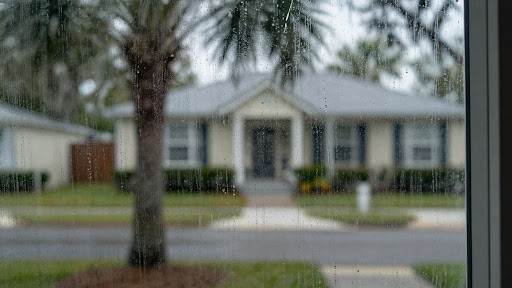
Sometimes, you’ll see condensation on the outside of your windows. This is actually a good sign, believe it or not! It means your windows are doing their job of keeping the cool air inside. When the outside air is much warmer and more humid than the inside of your home, moisture from the outside air condenses on the cool exterior glass. It’s most common on humid summer mornings. If you see this, your windows are likely well-insulated, and it’s not usually a cause for concern.
Diagnosing Condensation Between Window Panes
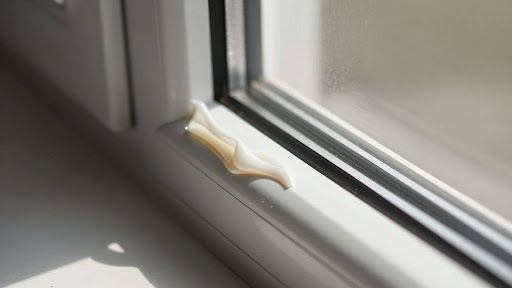
This is the one you really don’t want to see. If you notice a foggy or hazy appearance between the two panes of glass in your double-paned windows, that’s a clear indicator that the seal has failed. These windows are designed with a special gas or air space between the panes to provide insulation. When that seal breaks, moist outside air gets in, causing that persistent fog. It not only looks bad, blocking your view, but it also means your window has lost its insulating power, which can lead to higher energy bills.
Condensation between window panes isn’t just an aesthetic issue; it’s a functional one. It means the window’s ability to keep your home comfortable and energy-efficient has been compromised, and it’s a problem that typically requires window replacement to fix properly.
The Impact of Condensation on Window Performance
Seeing that foggy film on your windows isn’t just annoying; it actually messes with how well your windows work. When moisture builds up, especially between the glass panes, it’s a clear sign that something’s not right with the window’s seal.
Reduced Energy Efficiency Due to Fogged Glass
When condensation forms between the panes of a double- or triple-pane window, it means the gas or air that was supposed to be trapped in there is gone, and moisture has gotten in. This completely ruins the insulating effect of those panes. Instead of keeping the cool air inside during our hot Jacksonville summers and the warm air inside during those rare chilly spells, the heat and cold just pass right through. This forces your air conditioner to work overtime, driving up your energy bills. It’s like having a leaky sieve – the insulation just isn’t there anymore.
Compromised Window Seals and Their Consequences
That fog between the glass is a dead giveaway that the window seal has failed. Once that seal breaks, it’s pretty much game over for that window’s ability to insulate. Beyond just making your home less comfortable, this can lead to other problems. The constant moisture trapped inside can start to degrade the window components themselves, and if left unchecked, it can even encourage mold and mildew growth around the window frame and on nearby walls. This isn’t just an aesthetic issue; it can affect your home’s structure and your family’s health.
Aesthetic and Functional Drawbacks of Sweating Windows
Let’s be honest, windows that are constantly fogged up or dripping don’t look great. It makes your home feel less inviting and can really detract from its curb appeal. Functionally, it’s a pain. You can’t see out clearly, and you’re constantly wiping them down, only for the moisture to return. It’s a persistent reminder that your windows aren’t performing as they should, and it points to a bigger issue of excess humidity or a failing window unit that needs attention.
Addressing Moisture Buildup Through Window Replacement
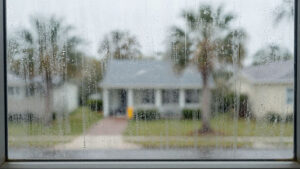
Sometimes, no matter what you do, those windows just keep sweating. If you’re seeing condensation forming on the inside of your home, or worse, between the panes of glass, it’s a pretty clear sign that your current windows aren’t doing their job anymore. This isn’t just about looks; it’s about your home’s health and your energy bills.
When Window Replacement Becomes Necessary
Condensation between the window panes is a big red flag. It means the seal has failed, and that insulated glass unit is no longer insulated. Think of it like a thermos with a crack – it just can’t keep things separate anymore. This failure allows moisture and air to get in, which is why you see that foggy look. Beyond the visual annoyance, this compromised seal means your windows are losing their ability to keep heat out in the summer and in during the winter. Your air conditioner and heater will have to work overtime, driving up your energy costs.
Ignoring condensation, especially between the panes, can lead to bigger problems down the line. Mold and mildew can start to grow in the moist environment around the window, potentially affecting your home’s structure and your family’s health. It’s often more practical and cost-effective in the long run to replace these failing windows rather than trying to patch them up.
Choosing Double-Pane or Triple-Pane Windows
When it’s time for new windows, you’ll want to look at options that offer better insulation. Double-pane windows are a standard upgrade from older single-pane units. They have two panes of glass with a space in between, usually filled with air or an inert gas like argon. This gap acts as a barrier, slowing down heat transfer.
For even better performance, especially in a climate like Jacksonville’s, triple-pane windows are worth considering. These have three panes of glass with two insulating gaps. They offer superior thermal performance, which can make a noticeable difference in your home’s comfort and energy bills.
Here’s a quick look at why upgrading makes sense:
- Improved Insulation: More panes and gas-filled gaps mean less heat transfer.
- Reduced Condensation: Better insulation keeps the inner glass surface warmer, making condensation less likely.
- Energy Savings: Your HVAC system won’t have to work as hard, leading to lower utility bills.
- Noise Reduction: The extra layers can also help block out outside noise.
Benefits of Modern, Energy-Efficient Window Materials
New windows aren’t just about more glass. The materials used in the frames and the glass coatings play a huge role. Low-E (low-emissivity) coatings on the glass reflect heat, keeping your home cooler in the summer and warmer in the winter. Frames made from materials like vinyl or composite are designed for durability and low maintenance, standing up well to Florida’s weather.
- Vinyl: A popular choice for its affordability, durability, and good insulating properties.
- Fiberglass/Composite: Strong, stable, and can be painted, offering a premium look and excellent performance.
- Wood: Offers a classic aesthetic but requires more maintenance, especially in humid climates.
Choosing the right materials means your new windows will not only solve your condensation problems but also contribute to a more comfortable and energy-efficient home for years to come.
Solutions for Managing Home Humidity and Condensation
Dealing with condensation on your windows in Jacksonville can feel like a constant battle, especially with our humid climate. It’s not just about looks; that moisture can cause real problems for your home and your health. Thankfully, there are practical steps you can take to get it under control.
Improving Ventilation and Air Circulation
One of the biggest culprits behind window condensation is a lack of fresh air moving through your house. When moist air gets trapped, it has nowhere to go but to condense on cooler surfaces, like your windows. Making sure your home breathes properly is key to reducing this moisture buildup.
- Use Exhaust Fans: After showering, cooking, or doing laundry, run your bathroom, kitchen, or laundry room exhaust fans for at least 15-20 minutes. This pulls that humid air right out of your home.
- Open Windows Daily: Even just five to ten minutes of opening several windows can make a big difference. It allows stale, moist air to escape and fresh air to come in, helping to equalize humidity levels.
- Check Structural Ventilation: Don’t forget about areas like your attic, basement, and crawl spaces. If these spots aren’t properly vented, moisture can build up there and affect your whole house. You might need to have vents installed if airflow is poor.
- Clear the Air Around Vents: If you notice condensation specifically around a vent near a window, check if the vent’s airflow is contributing. Sometimes, adjusting or temporarily closing a vent can help, especially if it’s causing localized moisture issues.
Proper ventilation isn’t just about comfort; it’s about protecting your home’s structure from moisture damage and preventing mold and mildew growth, which can impact your family’s health.
The Role of Dehumidifiers in Controlling Moisture
Sometimes, improving ventilation alone isn’t enough, especially during those really muggy Jacksonville days or when your HVAC system is working hard. That’s where a dehumidifier comes in. These machines pull excess moisture right out of the air, helping to lower the overall humidity level in your home. This can significantly cut down on window condensation and also make your home feel more comfortable. Plus, reducing humidity can help decrease allergens like dust mites and mold spores, leading to better indoor air quality.
Simple Insulation Techniques for Windows
Older or less efficient windows can be a major source of condensation because they don’t insulate well. Heat transfers easily through them, creating cold surfaces where moisture can form. While replacing windows is the best long-term solution, there are some quick fixes you can try:
- Weatherstripping: Apply self-adhesive foam or rubber weatherstripping around the moving parts of your windows (where the sash meets the frame). This seals up small gaps where air can leak in or out.
- Caulking: Use exterior-grade caulk to seal any cracks or gaps around the window frame where it meets the wall. This prevents air and moisture from getting into those spaces.
- Window Insulation Film: For a temporary fix, especially during cooler months, you can apply a plastic film kit to your windows. It creates an insulating air pocket between the film and the glass, similar to a temporary double-pane effect. Just be sure to follow the installation instructions carefully for the best results.
Factors Contributing to Window Seal Failure in Florida
Window seals are like the unsung heroes of your home’s energy efficiency. They’re designed to keep that insulating gas trapped between the panes and moisture out. But, like anything, they don’t last forever, especially in a place like Florida. Several things can cause these seals to give up the ghost.
The Effects of Age and Environmental Exposure
Over time, the materials that make up window seals just start to break down. Think about it: they’re constantly exposed to the sun’s rays, which can be pretty intense here. Then there are the temperature swings, even in Florida, from hot days to cooler nights. All this exposure wears away at the sealants. It’s a slow process, but it definitely happens.
Impact of Improper Window Installation
Sometimes, the problem isn’t just age or the weather; it’s how the window was put in to begin with. If a window wasn’t installed correctly, the frame might not be perfectly square, or the seal might have been stressed from the get-go. This puts extra pressure on the seal, making it much more likely to fail sooner rather than later. It’s like starting a race with a slight limp – you’re not going to perform as well.
Accelerated Wear from Florida’s Climate
Florida’s climate is particularly tough on windows. The high humidity means there’s always moisture in the air, which can find its way into tiny cracks in the seal. Add to that the intense sun and the salty air if you’re near the coast, and you’ve got a recipe for accelerated wear and tear. These elements work together to degrade the sealants faster than they might in other parts of the country. It’s a constant battle against the elements, and eventually, the seals can lose that battle.
Here’s a quick look at what contributes to seal failure:
- UV Radiation: Constant sun exposure breaks down sealants.
- Temperature Fluctuations: Expansion and contraction stress the seal.
- Humidity: High moisture levels can seep into compromised seals.
- Salt Air: Coastal environments accelerate corrosion and material degradation.
- Physical Stress: Improper installation or settling of the house can strain seals.
When a window seal fails, it’s not just about a little fog. It means the window’s ability to insulate your home is compromised. This leads to higher energy bills because your air conditioner or heater has to work overtime to keep the temperature just right. Plus, that moisture getting in can eventually lead to mold or mildew issues around the window frame, which is definitely not something you want to deal with.
Selecting the Right Replacement Windows for Jacksonville
Picking out new windows for your Jacksonville home can feel like a big decision, especially with all the options out there. You want something that looks good, works well, and can handle Florida’s weather. Let’s break down some of the best choices for our area.
Considering Vinyl Windows for Durability
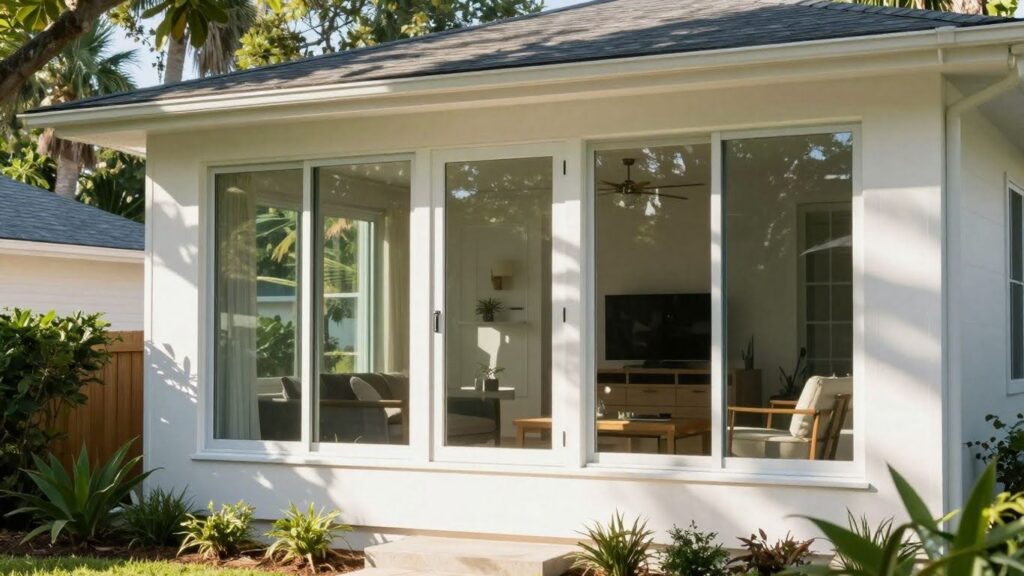
When you think about windows that can stand up to humidity and salt air, vinyl often comes to mind. It’s a popular choice for a reason. Vinyl doesn’t rot like wood can, and it doesn’t need a lot of upkeep. You won’t be painting or staining these windows every few years. Plus, modern vinyl windows are pretty good at keeping the heat out and the cool air in, which is a big deal here.
- Low maintenance: Forget about sanding and painting.
- Weather resistant: Stands up well to rain and humidity.
- Cost-effective: Generally a good balance of price and performance.
- Energy efficient: Many come with good insulation properties.
Exploring Options for Custom Window Solutions
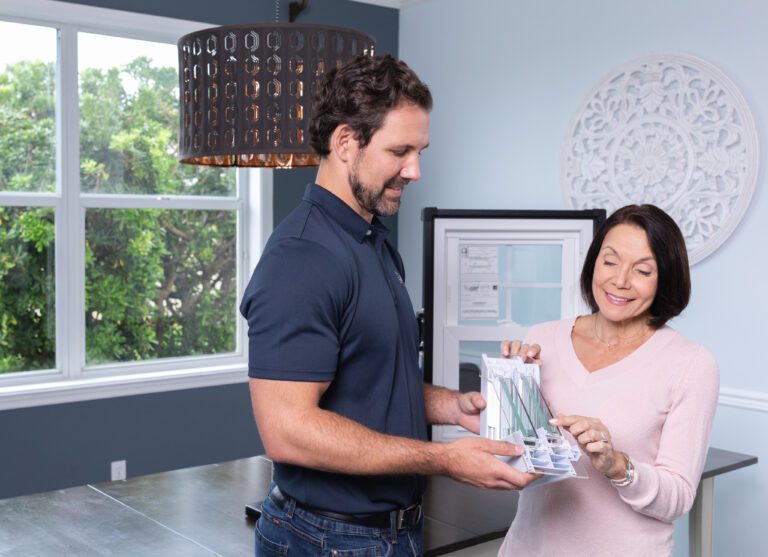
Sometimes, standard window sizes just don’t cut it. Maybe you have an older home with unique openings, or you’re looking for a specific look. That’s where custom windows come in. You can get windows made to fit just right, whether it’s a special shape or a particular size. This is also a great way to add some personality to your home’s exterior. Brands like Simonton offer a lot of flexibility here, letting you design windows that really suit your place.
Custom windows mean you’re not limited by what’s on the shelf. You can get exactly what you need, from size and shape to the type of hardware and even the color. It’s about getting a perfect fit and a look that you love.
Prioritizing Insulated and Tempered Safety Glass
When you’re looking at replacement windows, pay close attention to the glass itself. Insulated glass, often called double-pane or even triple-pane, is a must for energy efficiency. It has a gap between the panes, usually filled with air or gas, that acts as a barrier against heat transfer. This means your air conditioner won’t have to work as hard in the summer. Tempered safety glass is another important feature, especially for windows that might be in high-traffic areas or near doors. If this type of glass breaks, it shatters into small, dull pieces instead of sharp shards, making it much safer. It’s a smart choice for peace of mind.
Here’s a quick look at glass types:
- Insulated Glass (Double/Triple Pane): Reduces heat transfer, saving energy.
- Tempered Safety Glass: Breaks into small, blunt pieces for increased safety.
- Low-E Coatings: Often applied to insulated glass to reflect heat, further improving efficiency.
Wrapping Up Your Window Woes
So, we’ve talked a lot about why windows in Jacksonville can get all foggy and what that really means for your home. Whether it’s just a bit of moisture on the outside from our humid air, or something more serious like a broken seal between the panes, ignoring it isn’t the answer. Those foggy windows aren’t just annoying to look at; they can actually make your home less energy-efficient and even lead to bigger problems down the road. The good news is, there are ways to deal with it, from simple fixes like better ventilation to knowing when it’s time for a full window replacement. If you’re tired of dealing with condensation and want to keep your home comfortable and your energy bills in check, it might be time to look into upgrading those windows.
Frequently Asked Questions
What causes windows to fog up in Jacksonville homes?
Windows can fog up for a few reasons. If you see moisture on the inside, it’s usually because there’s too much humidity in your house, maybe from cooking or showering. If it’s on the outside, it means the air outside is more humid than inside, which is common in Florida’s warm weather. But if the fog is between the glass panes, the seal on your window is broken, and that’s a bigger problem.
Is condensation between window panes a serious issue?
Yes, condensation between the glass panes means the window’s seal has failed. This lets moisture in, making the window less effective at keeping your home warm or cool. It’s a sign that your window isn’t working as well as it should and might need to be replaced to keep your home energy-efficient.
How can I reduce moisture buildup on my windows?
You can help reduce moisture by improving how air moves around your home. Use fans, especially in bathrooms and kitchens. You can also try using a dehumidifier to take extra moisture out of the air. Making sure your home is well-ventilated is key to preventing condensation.
When should I consider replacing my windows instead of just repairing them?
If your windows have condensation between the panes, it’s usually best to replace them because the seal is broken. Also, if your window frames are rotting, difficult to open, or damaged by storms, replacement is often the better and more long-term solution.
What type of windows are best for Jacksonville’s climate?
For Jacksonville, double-pane or triple-pane windows are a great choice. They offer better insulation, which helps keep your home cooler in the summer and warmer in the winter, saving you money on energy bills. Materials like vinyl are also good because they hold up well in Florida’s humid weather.
Can upgrading my windows really help with energy costs?
Absolutely! Older, single-pane windows let a lot of heat in during the summer and out during the winter. Modern, energy-efficient windows, especially double or triple-pane ones with good seals, do a much better job of keeping your home’s temperature steady. This means your air conditioner and heater won’t have to work as hard, leading to lower energy bills.