Living in Jacksonville, FL means a lot of sunshine, which is great, but it can also mean some real problems for your home or business. That bright sun can fade your furniture, make your rooms too hot, and drive up your energy bills.
Luckily, there’s a pretty neat solution called UV protection technology in modern window replacement. Instead of a film applied to the glass, today’s replacement windows include built-in Low-E coatings and advanced insulated glass that block out a lot of the harmful effects of the sun without making your rooms dark.
We’re going to talk about how it works, why it’s a good idea for places like Jacksonville, and what to look for when you’re thinking about getting it done.
Key Takeaways
- Modern replacement windows use built-in Low-E glass technology to block harmful UV rays before they enter your building, helping protect your belongings and keep things cooler — no window film required.
- Properties in Jacksonville can benefit a lot from this technology, especially with the amount of sun we get. It helps stop furniture and floors from fading and can even lower your electricity bill by reducing heat.
- This built-in glass technology isn’t just for homes; businesses, schools, and hospitals can benefit from energy-efficient replacement windows to protect interiors and improve comfort.
- When picking replacement windows, think about what you want them to do – block UV rays, reduce glare, improve energy efficiency, and enhance curb appeal. Different glass packages and performance ratings are available.
- Professional window installation ensures your new energy-efficient windows perform as designed and deliver long-term results.
Understanding UV Protection Technology in Modern Window Replacement in Jacksonville FL
Living in Jacksonville means we get a lot of sunshine, which is great, but it also means dealing with its effects. Those UV rays, while invisible, can really do a number on your home or business. That’s where modern window replacement with UV protection technology comes in. It’s not just about new windows; it’s about smart windows that actively work to keep your interiors safe and comfortable.
How Built-In Low-E Glass Works
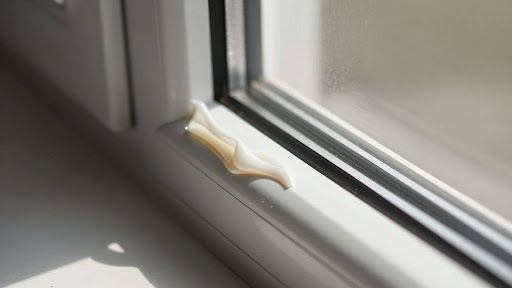
Think of Low-E glass as a built-in shield inside your window. Instead of applying a film to existing glass, a microscopically thin, transparent coating is applied during manufacturing and sealed within the insulated glass unit.
This coating is engineered to reflect infrared heat and block a significant percentage of ultraviolet (UV) radiation. The sun sends out a spectrum of light, and UV rays are the ones that cause fading, damage materials, and can even affect your skin over time. Low-E glass acts like sunglasses for your windows, allowing visible light in while reflecting much of the harmful heat and UV rays away from your home.
- Blocks up to 99% of UV rays, depending on the glass package.
- Maintains visible light transmission: You don’t have to sacrifice natural light or your view.
- Reduces heat gain: Low-E coatings help reflect solar heat, keeping your space cooler.
- Protects against fading: This is the direct result of blocking those UV rays.
The sun’s energy travels in waves, and UV rays are a part of that spectrum. When these rays hit your windows, they can pass through and interact with the materials inside your home, causing them to break down over time. Low-E glass is designed to reflect and filter these specific wavelengths as part of the window’s construction.
Technical Specifications and Performance Metrics
When you’re looking at replacement windows, there are a few numbers that tell you how well they perform.
UV Rejection: This is usually expressed as a percentage. High-performance Low-E glass can block up to 99% of UV rays.
Solar Heat Gain Coefficient (SHGC): This number tells you how much solar radiation gets through the window and turns into heat inside your building. A lower SHGC means the window system is better at keeping heat out, which is a big deal for saving on cooling costs here in Jacksonville.
Visible Light Transmission (VLT): This indicates how much visible light passes through the glass. A higher VLT means your space will stay brighter, while a lower VLT can offer more glare reduction.
It’s also good to know that reputable windows meet industry standards, like those set by the NFRC. This means the numbers you see on the product aren’t just made up; they’ve been tested and verified.
Benefits of UV Protection in Modern Replacement Windows for Jacksonville Properties
Living in Jacksonville means we get a lot of sunshine, which is great, but it also brings some challenges. That bright sun can really do a number on your home or business if you’re not careful. Luckily, modern window replacement with UV protection offers some pretty sweet advantages.
Protecting Interiors from Fading
That constant Florida sun can be harsh on your stuff. Think about your favorite armchair, the curtains you picked out, or that rug you love – direct sunlight can make them look faded and worn out way faster than you’d expect. Built-in Low-E glass acts like a shield, blocking out a huge chunk of those damaging ultraviolet rays. This means your furniture, artwork, flooring, and even those family photos on the wall will keep their color and look newer for longer.
Achieving Energy Savings
Jacksonville summers are no joke, and keeping your place cool can really drive up your electricity bill. Energy-efficient replacement windows with Low-E glass help reduce the amount of heat that comes through your windows by reflecting it outward. Less heat coming in means your air conditioner doesn’t have to work as hard, which can lead to noticeable savings on your monthly energy costs.
Reducing Glare for Enhanced Comfort
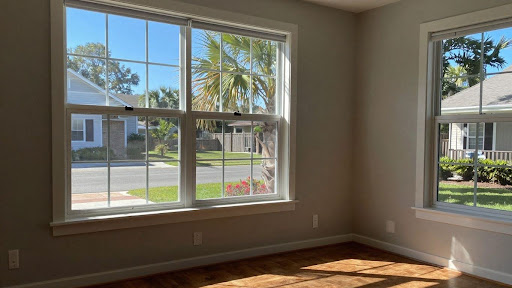
Ever tried to watch TV or work on your computer when the sun is beaming directly through the window? It’s annoying, right? That intense glare can cause eye strain and make it tough to focus. Low-E glass helps cut down on harsh glare while still allowing natural light to brighten your space. Whether you’re relaxing in your living room or trying to get work done in your home office, less glare means a more pleasant environment.
Applications of Energy-Efficient Replacement Windows Across Jacksonville
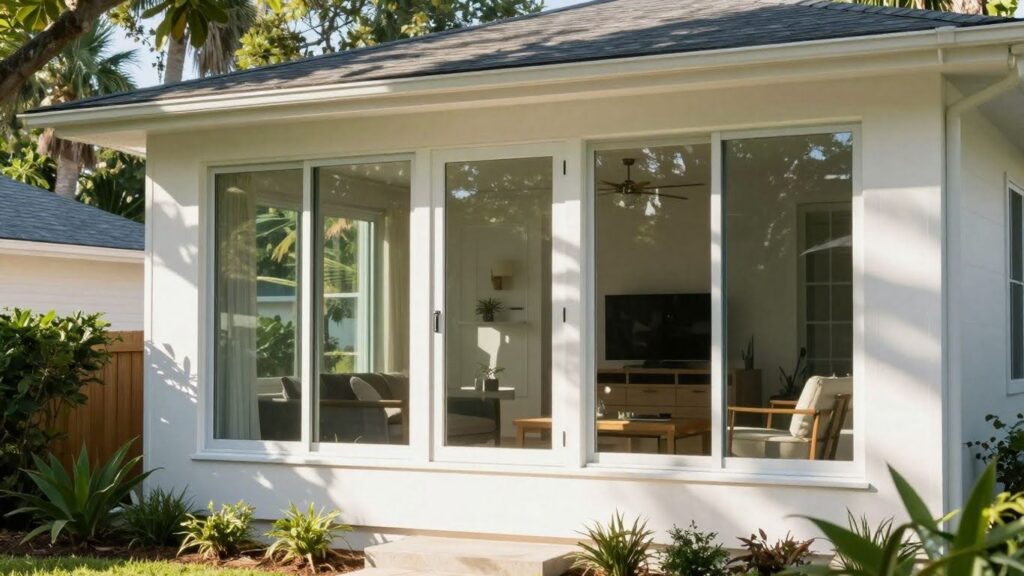
Living in Jacksonville means we get a lot of sun, which is great for beach days, but it can really do a number on our homes and businesses. Upgrading to replacement windows with built-in UV and heat protection benefits a wide range of property types.
Residential Applications in Local Neighborhoods
Lots of folks in areas like Riverside, San Marco, and over by the beaches want to keep their homes cool and comfy without losing that nice natural light. Modern replacement windows help with that by combining insulated glass and Low-E coatings into one complete system.
Commercial Benefits for Jacksonville Businesses
Businesses all over Jacksonville can really see the upside. Lowering cooling bills is a big one, especially during those hot summer months when the AC is running non-stop. Plus, cutting down on glare makes it easier for employees to work and for customers to browse without squinting.
Specialized Uses for Institutions
Schools, hospitals, and museums benefit from energy-efficient window systems that help regulate interior temperatures and protect valuable materials from UV exposure.
Installing replacement windows does involve removing the old units and professionally fitting new, energy-efficient window systems — ensuring proper sealing, insulation, and long-term performance.
Choosing the Right Energy-Efficient Replacement Windows for Your Needs
Picking the right windows can feel like a puzzle, but it doesn’t have to be complicated. Think about what you really want to achieve.
Instead of selecting different types of film, you’ll be comparing glass packages, frame materials, insulation performance, and impact-resistant options designed for Florida’s climate.
- Understanding Performance Ratings
- UV Rejection
- Solar Heat Gain Coefficient (SHGC)
- Visible Light Transmission (VLT)
- U-Factor
Sometimes, the best solution isn’t a temporary add-on. Replacing outdated windows with modern, energy-efficient models provides a long-term upgrade that improves comfort, protection, and performance all at once.
The Professional Installation Process for Replacement Windows

Getting replacement windows installed might seem like a big project, but it’s one that really benefits from a professional touch. Proper installation is key to making sure the windows perform as they should for years.
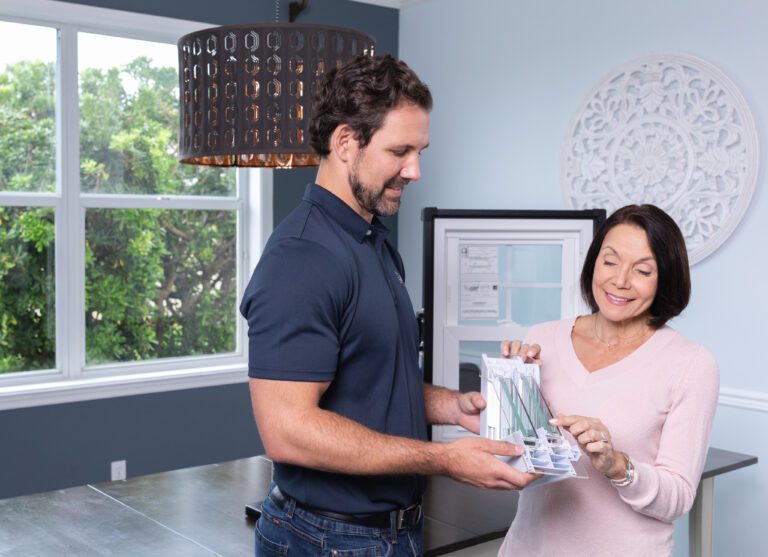
Consultation and Property Assessment
Installers assess your current windows, sun exposure, and efficiency concerns to recommend the right solution.
Precision Installation Techniques
Old windows are carefully removed, openings are prepared, and new insulated glass units are installed and sealed properly.
Post-Installation Care and Maintenance
Modern replacement windows are low maintenance. Since UV protection is built into the glass, there’s no film to maintain or replace.
Maximizing Your Investment in UV Protection
So, you’ve decided to upgrade your Jacksonville home or business. That’s a smart move. It’s not just about blocking rays; it’s about improving overall performance.
Look for:
- UV rejection ratings
- Low SHGC values
- Strong warranties
- Verified energy performance labels
Because the protection is built into the window system itself, you gain long-term efficiency without relying on surface-applied products.
The Long-Term Value of Modern Replacement Windows
When you look at the cost of replacement windows, it might seem like an expense upfront. But it’s about long-term return. Energy savings add up. Interior protection adds up. Comfort adds up.
Unlike temporary film solutions, integrated Low-E glass technology lasts for the life of the window.
Wrapping It Up
So, when you’re thinking about your home or business here in Jacksonville, especially with all that sunshine we get, modern window replacement with built-in Low-E and UV protection is definitely something to consider. It helps keep the inside cooler, reduces glare, protects your belongings, and supports lower energy bills — all without applying film to your windows.
If you’re curious, it’s worth looking into how upgrading to energy-efficient replacement windows could work for your specific needs.
Frequently Asked Questions
What exactly is UV protection in replacement windows and how does it work?
Modern replacement windows use built-in Low-E (low emissivity) glass coatings to provide UV protection. Instead of applying a film to the glass, a microscopically thin, transparent coating is applied during manufacturing and sealed inside the insulated glass unit. These coatings are engineered to block a significant percentage of harmful UV rays and reflect solar heat. This built-in technology helps prevent fading and improves energy efficiency for the life of the window.
Will Low-E glass make my rooms dark?
Not necessarily! Low-E glass is designed to let in plenty of natural light while still filtering harmful UV rays and reflecting heat. You can choose from different glass packages depending on how much light, glare reduction, and solar control you prefer. The goal is to keep your home bright and comfortable — not dim and closed off.
How do replacement windows with Low-E glass help save money on my electricity bill?
It’s all about heat control. The sun’s rays bring a lot of heat into your home, especially during Jacksonville’s warm months. Low-E coatings reflect a portion of that solar heat away from your home, reducing the amount that passes through the glass. That means your air conditioner doesn’t have to work as hard, which can lead to lower cooling costs and improved energy efficiency year-round.
Can built-in UV protection really protect my furniture and flooring from fading?
Yes, that’s one of the biggest benefits. The sun’s UV rays gradually break down fibers and dyes in furniture, carpets, artwork, and flooring. High-performance Low-E glass can block up to 99% of harmful UV rays, helping slow down fading and protect the appearance of your interior finishes over time.
Is installing energy-efficient replacement windows a complicated process?
Replacing windows is more involved than applying a surface product, but it’s a straightforward process when handled by experienced professionals. Old windows are carefully removed, openings are prepared, and new insulated glass units are properly installed and sealed. Once installed, the UV and energy-efficient benefits are built into the window — there’s nothing additional to apply or maintain.
How long does Low-E glass protection last, and does it require special care?
Low-E coatings are sealed inside the insulated glass unit during manufacturing, so they are designed to last for the lifetime of the window. There’s no film to peel, bubble, or replace. For maintenance, simply clean the glass as you normally would using mild cleaners and a soft cloth. The UV protection and energy performance remain part of the window system without extra upkeep.