Picking out new windows for your place in Jacksonville, FL, can feel like a big deal, especially when you’re trying to get that perfect balance of light and shade. You want your home to feel bright and airy, but not like a sauna when that Florida sun really starts beating down. Plus, with hurricane season always a possibility, you need windows that can handle a storm. This guide is all about helping you find the best window designs for maximizing shaded light in window replacement in Jacksonville FL, so you can stay cool, comfortable, and protected.
Key Takeaways
- For Jacksonville homes, look for windows with a low Solar Heat Gain Coefficient (SHGC) to block excess heat, especially on south and west-facing sides.
- Impact-resistant windows offer both hurricane protection and improved energy efficiency by sealing out heat and noise.
- ENERGY STAR certified windows for Florida are designed to meet strict U-factor and SHGC requirements, guaranteeing better performance.
- Casement, awning, and fixed picture windows generally offer the tightest seals, minimizing air leaks and maximizing energy efficiency.
- Low-E coatings and insulated glass units (IGUs) are key features that help reflect heat and keep your home cooler, reducing reliance on air conditioning.
Low-E Coatings
You know how sometimes the sun just beats down through your windows, making your living room feel like an oven? Low-E coatings are like a secret shield for your glass that helps stop that. They’re super thin layers, almost invisible, made of metal that get put on the glass during manufacturing.
These coatings are really good at reflecting heat away from your house, especially during those hot Jacksonville summers. But here’s the cool part: they do this without making your rooms dark. They let the good light in while keeping a lot of the heat out. Think of it like wearing a light-colored shirt on a sunny day instead of a dark one – it just feels cooler.
For a place like Jacksonville, you’ll want to look for Low-E coatings that are specifically made for warmer climates. Sometimes they’re called “low solar gain” or “southern climate” Low-E. These are designed to block more of that intense solar heat that we get here.
Here’s a quick rundown of what good Low-E coatings can do:
- Bounce back a lot of the heat that tries to come in.
- Block most of the UV rays that can fade your furniture and carpets.
- Cut down on how much heat the sun adds to your home.
- Still let plenty of natural light through so your rooms stay bright.
Using windows with the right Low-E coatings can make a noticeable difference in your energy bills. It means your air conditioner doesn’t have to work as hard to keep things cool, which is a win-win for your comfort and your wallet.
When you’re looking at new windows, ask about the Low-E coatings. It’s one of the most important features for keeping your home comfortable and saving money on cooling costs, especially in our sunny Florida weather.
Impact-Resistant Windows
Living in Jacksonville means dealing with more than just the heat; we’ve got hurricane season to think about too. That’s where impact-resistant windows really shine. These aren’t just about keeping your home safe during a big storm, though they do that exceptionally well. They’re built tough with laminated glass – think of it like a super-strong sandwich with glass and a tough plastic layer in between. This means even if something hits it, the glass is designed to stay in one piece, preventing dangerous shards from flying inside and keeping the window opening sealed.
Beyond storm protection, these windows offer some pretty neat benefits for everyday living. They’re fantastic at blocking out noise, so if you live near a busy street or just want a quieter home, these can make a big difference. Plus, that strong construction makes them harder for unwanted visitors to get through, adding an extra layer of security. And get this – many homeowners in Florida find that the energy savings and potential insurance discounts can help these windows pay for themselves over time. They have really good seals and thicker glass, which helps keep that cool air in during the summer and the warm air in during those rare cooler spells.
Here’s a quick rundown of what makes them so good:
- Laminated Glass: Two or more panes bonded with a strong interlayer that holds together on impact.
- Reinforced Frames: Built sturdier to handle high winds and the stress of impacts.
- Superior Seals: Multiple layers of weatherstripping help keep water and air out, which is great for both storms and energy efficiency.
- UV Protection: They block a significant amount of the sun’s harmful UV rays, which helps prevent your furniture, carpets, and decor from fading over time.
When you’re looking at windows for your Jacksonville home, especially if you’re concerned about both the weather and keeping your energy bills down, impact-resistant options are definitely worth a serious look. They offer a solid combination of safety, security, and efficiency that’s hard to beat in our climate.
ENERGY STAR Certification
When you’re looking at new windows for your place in Jacksonville, you’ll see this ENERGY STAR label pop up a lot. It’s basically a government-backed program that helps you figure out which products are going to save you energy and money. For windows, it means they’ve met some pretty strict guidelines set by the EPA, especially for our hot and humid Florida climate.
The ENERGY STAR label tells you the window is designed to reduce your energy bills and help the environment.
To get that label in Florida (which is in the ‘Southern’ climate zone), windows have to meet specific targets. They need a U-factor of 0.40 or less, which measures how well the window keeps heat out in the summer and in during the winter. They also need a Solar Heat Gain Coefficient (SHGC) of 0.25 or less. This SHGC number is super important here in Jacksonville because it tells you how much heat from the sun the window lets into your home. A lower SHGC means less heat gain, which means your air conditioner doesn’t have to work as hard.
Here’s a quick rundown of what those numbers mean for us:
- U-Factor: Lower is better. It shows how well the window insulates.
- SHGC: Lower is better, especially in Florida. It shows how well the window blocks the sun’s heat.
- Air Leakage (AL): Look for a rating of 0.3 or less. This means less unwanted air getting in or out, keeping your cool air inside.
It’s good to know that some windows actually perform much better than the minimum ENERGY STAR requirements. So, while the label is a great starting point, it’s worth asking about those higher-performing options. Your window installer can help you sort through the details and find windows that not only meet the standard but exceed it for your specific needs.
Choosing ENERGY STAR certified windows is a smart move for Jacksonville homeowners. It’s a clear sign that the product has been tested and proven to be more energy-efficient than standard models, leading to noticeable savings on your cooling costs throughout those long, hot months.
Casement Windows
Casement windows are a really solid choice when you’re thinking about keeping your home comfortable and cutting down on energy bills, especially here in Jacksonville. What makes them stand out is how they seal up. When you crank them shut, the sash actually presses against the frame, creating a super tight seal. This means way less air can sneak in or out compared to, say, sliding windows. This tight seal is a big deal for blocking out that hot, humid Florida air and keeping your cool air inside.
They’re also great because they open up fully, giving you a clear, unobstructed view and letting in a good amount of natural light when you want it. Plus, they’re pretty easy to operate with a simple crank. Because they seal so well, they tend to have really good ratings for air leakage, which is a fancy way of saying they’re good at keeping the outside air where it belongs.
When you’re looking at casement windows, pay attention to the frame material. Vinyl and fiberglass are usually good bets in Florida because they don’t conduct heat as much as aluminum and hold up well against moisture.
Here’s a quick rundown of why they’re a good pick:
- Excellent Air Sealing: The way they close creates a compression seal that’s hard to beat.
- Full Ventilation: They open wide, letting in lots of fresh air when needed.
- Good for Light: Large glass areas can let in plenty of daylight.
- Security: They often have strong locking mechanisms built-in.
Fixed Picture Windows
When you’re thinking about letting in as much light as possible without sacrificing energy efficiency, fixed picture windows are a really solid choice. They don’t open, which means they’re built to seal up tight. This lack of moving parts makes them super efficient because there’s no place for air to sneak in or out.
These windows are basically a big pane of glass designed to give you an unobstructed view and flood your room with natural light. They’re perfect for living rooms, dining areas, or anywhere you want to connect with the outdoors visually. Because they don’t operate, they tend to be a bit more budget-friendly than windows that open and close, and they require very little maintenance. Just give them a clean now and then, and you’re good to go.
Here’s a quick look at why they’re great for light and efficiency:
- Maximum Light Inflow: Their large, stationary design lets in more sunlight compared to windows with sashes and frames that interrupt the view.
- Superior Air Sealing: With no moving parts, they offer the best defense against drafts and air leaks, which is a big deal for keeping your home comfortable and your energy bills down, especially in a place like Jacksonville.
- Low Maintenance: No hinges, no locks, no mechanisms to worry about. Just a clear view.
- Structural Strength: They can be made quite large and add a significant architectural element to your home.
For areas where ventilation isn’t a primary concern, like a wall facing a beautiful garden or a scenic view you want to frame, a picture window is hard to beat. They really let you bring the outside in without compromising your home’s climate control.
While they don’t offer ventilation, pairing them with other operable windows, like casement or double-hung, can give you the best of both worlds – great views and fresh air when you need it.
Double-Hung Windows
Double-hung windows are a really popular choice, and for good reason. They’ve got that classic look that fits in with a lot of different home styles, especially here in Jacksonville. What makes them stand out for shaded light and energy efficiency is their dual-sash design. You can open both the top and bottom sashes at the same time. This is pretty neat because you can let hot air escape from the top while pulling cooler air in from the bottom, creating a nice little breeze without opening the window wide.
This flexible ventilation is key to managing heat gain, especially during those warmer Florida months. Plus, most modern double-hung windows come with a tilt-in feature for the sashes. This makes cleaning them a breeze, even on the second floor, without messing with the window’s seals.
While they might have a tiny bit more potential for air leakage compared to, say, a casement window, good quality ones with solid weatherstripping do a fantastic job of keeping the elements out. They’re a solid all-around option for bedrooms, living areas, and anywhere you want that traditional look with modern performance.
Here’s a quick rundown of why they work well:
- Dual Ventilation: Open top, bottom, or both for controlled airflow.
- Easy Cleaning: Tilt-in sashes make maintenance simple.
- Classic Aesthetics: Fits many home designs.
- Good Sealing: Modern designs offer good protection against air leaks.
When you’re looking at double-hung windows, pay attention to the frame material and the quality of the weatherstripping. Vinyl frames are common and work well in our climate, and good seals are what really keep that shaded light and cool air inside.
Awning Windows
Awning windows are a really neat option, especially for a place like Jacksonville where you get those sudden rain showers. They’re hinged at the top and swing outward, kind of like a little roof or awning. This design is pretty smart because it lets you open them up for fresh air even when it’s drizzling, and the water just runs off. They seal up pretty tight when closed, similar to casement windows, which is great for keeping the weather out and your energy bills down.
These windows are often put higher up on walls, which is handy for places like bathrooms or above kitchen sinks. You get good ventilation without sacrificing much privacy, and they still let in plenty of that nice, soft light. They’re not usually the biggest windows, so they work well in smaller spaces or as part of a larger window arrangement.
- Great for ventilation during light rain.
- Offer a good seal when closed, similar to casement windows.
- Often placed higher on walls for privacy and light.
- Ideal for bathrooms, kitchens, and laundry rooms.
Because they open outward, you don’t need a lot of space inside the room for them to operate. This makes them a good choice if you have furniture or other things close to the window. They’re a solid pick if you want to let the breeze in but don’t want to worry about unexpected downpours.
Awning windows are a practical choice for Jacksonville homes, offering a way to ventilate your home even during the frequent, brief rain showers common in the area. Their top-hinged design allows them to remain open while deflecting rain, and they provide a secure seal when closed, contributing to energy efficiency.
Sliding Windows
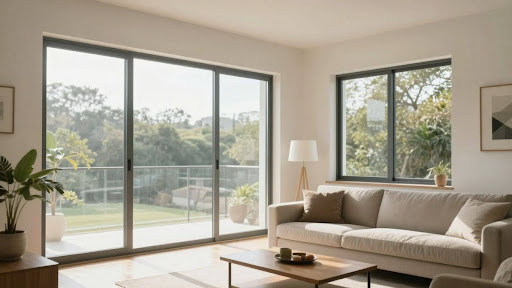
Sliding windows are a pretty straightforward choice, especially if you’ve got wider openings or just prefer a clean, modern look. They move horizontally, gliding along a track. Because they have fewer moving parts compared to, say, double-hung windows, there are generally fewer places for air to sneak in or out. This can be a good thing for keeping your Jacksonville home comfortable and your energy bills from getting too wild.
They’re a solid option for letting in that nice, diffused light without directly baking you with the sun’s rays, particularly if you choose the right glass treatments. They work well in spaces where you might not have room for windows that swing outward, like next to a walkway or a patio door.
Here’s a quick look at why they fit into the shaded light picture:
- Simpler Operation: Less complexity often means better sealing over time. Fewer mechanisms to wear out or get stuck.
- Horizontal Airflow: They allow for a good amount of air to come in, which is great for cross-ventilation on milder days.
- Expansive Views: Their design lends itself to larger panes of glass, which can make a room feel more open and bring in more natural light, even when the direct sun isn’t hitting them.
When you’re looking at sliding windows for your Jacksonville home, pay attention to the quality of the seals and the frame material. Vinyl frames are popular because they don’t conduct heat much and hold up well against our humidity. Also, consider the type of glass – Low-E coatings are a must in Florida to reflect heat.
Sliding windows are a practical choice for many homes. They offer a good balance of light, ventilation, and ease of use, making them a reliable part of a well-designed window replacement project, especially when you’re aiming to manage sunlight effectively.
Insulated Glass Units
When you’re looking at new windows for your Jacksonville home, you’ll probably hear a lot about Insulated Glass Units, or IGUs. Basically, these are windows made with two or more panes of glass that have a space in between them. This space isn’t just empty air; it’s usually filled with a special gas, like argon or krypton, which is denser than regular air. This design is a big deal for keeping your home comfortable.
Think of it like a thermos for your house. The gas trapped between the glass panes acts as a barrier, slowing down how quickly heat can move from the outside in during the summer, and from the inside out during the winter. This means your air conditioner doesn’t have to work as hard when it’s hot, and your heater can keep things cozy when it’s cool. It’s a pretty straightforward concept, but it makes a noticeable difference in your energy bills and how comfortable your rooms feel year-round.
Here’s a quick rundown of what makes IGUs work so well:
- Multiple Panes: Most modern energy-efficient windows use at least two panes of glass. Some high-performance options might even have three.
- Gas Fills: The space between the panes is sealed and filled with an inert gas. Argon is common because it’s affordable and effective at slowing heat transfer. Krypton is even better but costs more.
- Warm-Edge Spacers: These are the little strips that keep the glass panes separated. Older windows used metal spacers, which could let heat transfer through. Modern ‘warm-edge’ spacers use less conductive materials to minimize this heat loss and prevent condensation around the edges.
The real benefit of IGUs in a place like Jacksonville is temperature stability. They help keep the intense summer heat outside and the cool air inside, reducing the strain on your HVAC system. This not only saves you money but also makes your home a more pleasant place to be, no matter the season. Plus, that extra layer can help cut down on outside noise, giving you a bit more peace and quiet.
While double-pane IGUs are standard and work great for most homes here, triple-pane units offer even more insulation. However, for many Jacksonville residents, a high-quality double-pane IGU with good Low-E coatings and gas fills provides the best balance of performance and cost. It’s all about finding that sweet spot for your specific needs and budget.
Tinted Glass
Tinted glass is another option to think about when you want to cut down on how much direct sun comes into your home, especially in a place like Jacksonville where it gets pretty hot. It’s basically glass that has a color added during the manufacturing process. This color helps to absorb and then re-emit some of the solar energy, which means less heat gets inside your house.
The main benefit is that it can significantly reduce glare and heat gain, making your rooms more comfortable. This is particularly useful for windows that face west, catching that strong afternoon sun. Tinted glass can block a good chunk of the sun’s rays, sometimes reducing solar heat gain by 30% or more compared to regular clear glass. This can translate into lower cooling bills, which is always a nice bonus.
However, it’s not all sunshine and rainbows. Tinted glass does reduce the amount of visible light that comes in, so your rooms might feel a bit dimmer. The level of tint can vary, though, so you can find options that still let in plenty of light while offering good heat reduction. It’s a trade-off, really. You’re gaining comfort and energy savings, but you might be sacrificing a bit of natural brightness.
Here’s a quick look at what tinted glass can do:
- Reduces glare, making it easier to see without squinting.
- Lowers the amount of heat that enters your home, helping your AC work less.
- Protects your furniture and flooring from fading due to harsh UV rays.
- Can improve privacy, as it’s harder to see in from the outside during the day.
When you’re looking at window replacements, ask about the different tint options available. Some tints are subtle, while others are more pronounced. It’s worth considering how much light you want to let in versus how much heat you want to keep out. For west-facing windows in Jacksonville, tinted glass is definitely something to put on your list.
Wrapping It Up
So, picking out new windows for your Jacksonville home is a pretty big deal, especially when you’re trying to keep things cool and save some cash on your energy bills. We’ve talked about how important things like SHGC and U-factor are, and how the direction your windows face really makes a difference here in Florida. Whether you’re leaning towards casement windows for that super tight seal or picture windows for a great view, there are tons of options out there. Don’t forget about impact-resistant glass if storms are a worry – it’s a win-win for protection and efficiency. Ultimately, the best windows for you will balance all these factors to keep your home comfy and your wallet happier, all while looking good too.
Frequently Asked Questions
What does SHGC mean for my windows in Jacksonville?
SHGC stands for Solar Heat Gain Coefficient. It tells you how much heat from the sun comes through your window. In hot places like Jacksonville, you want a low SHGC number (like 0.25 to 0.40) to keep the sun’s heat out and your home cooler. It’s like wearing a hat on a sunny day for your house!
Are impact-resistant windows really worth it in Jacksonville?
Yes, absolutely! Impact-resistant windows are built tough to handle hurricanes, but they also do a great job of keeping your home energy-efficient. They have strong frames and special glass that block outside noise and help keep your cooled air inside, saving you money on electricity bills. Plus, they can even lower your home insurance costs!
How do Low-E coatings help my windows?
Low-E stands for ‘low emissivity.’ Think of it as a special invisible shield on your glass. This coating reflects heat away from your home during the summer, so your air conditioner doesn’t have to work as hard. It also helps keep heat inside during cooler months, making your home more comfortable all year round.
Which direction should my windows face in Jacksonville for the best shade?
In Jacksonville, windows facing south, east, and west get the most direct sun. For these windows, it’s best to choose options with a low SHGC and Low-E coatings to block heat. North-facing windows get less direct sun, so you have a bit more freedom there, and they’re great for letting in natural light without too much heat.
What’s the difference between double-pane and triple-pane windows?
Both double-pane and triple-pane windows have layers of glass with gas sealed between them to help insulate your home. Double-pane is usually great for Jacksonville, with gas like argon in between. Triple-pane has an extra layer, offering even more insulation, which can be good if you want the absolute best energy savings or need to block out a lot of noise, but it often costs more.
Does ENERGY STAR certification really matter for windows in Florida?
Yes, it does! ENERGY STAR has specific rules for windows in different parts of the country. For Florida’s hot climate, ENERGY STAR certified windows must have a low U-factor (meaning they don’t let much heat transfer) and a low SHGC (meaning they block a lot of the sun’s heat). Looking for the ENERGY STAR label is a good way to be sure your windows will help save energy.