When it comes to replacing windows in Jacksonville, FL, the weather can really throw you for a loop. Salt from the coast, sticky humidity from the river, and those wild summer storms all make it tough for regular sealants to hold up. That’s why folks around here are turning to advanced sealant technologies. These new products are made to stand up to whatever Jacksonville throws at them, so your windows stay sealed and looking good year after year.
Key Takeaways
- Jacksonville’s weather—salt air, humidity, storms, and city pollution—can break down regular window sealants fast.
- Modern sealants like DYNAFLEX ULTRA use special formulas to resist UV rays, mold, mildew, and even algae, keeping seals strong and clean.
- These advanced sealants stick to lots of different materials and stay flexible, so they don’t crack when temperatures swing.
- Fast-curing and easy-to-apply sealants save time during window projects, letting you paint or deal with rain sooner.
- Brands like DAP and Tremco are leading the way with sealants that work for both homes and bigger industrial jobs in Jacksonville.
Understanding Jacksonville’s Unique Environmental Challenges
Saltwater Exposure and Coastal Corrosion
Living near the Atlantic coast means your windows are constantly dealing with salty air. This isn’t just a little bit of salt; it’s enough to cause real damage over time. Think of it like a slow, steady attack on the glass and the seals around it. This salty mist can create tiny pits and etch marks, making windows look cloudy or permanently stained. It’s a big problem for homes and businesses from the beaches all the way inland.
High Humidity from River Systems
Jacksonville is crisscrossed by rivers, especially the St. Johns. All that water means a lot of humidity in the air. When humid air mixes with the minerals in our local water, it can leave behind tough deposits on glass. This is especially noticeable on properties right by the river, where the moisture is always present. It’s like a constant battle against water spots that just won’t go away.
Impact of Severe Weather and Storms
We all know Florida gets its share of wild weather. Hurricanes, tropical storms, and even strong summer thunderstorms can bring a lot of trouble. Wind-blown debris, sand, and heavy rain can hit windows hard. This isn’t just about broken glass; it’s also about the smaller stuff that can scratch and wear down seals and frames over time. The constant barrage of weather events really tests the limits of any window system.
Urban Pollution and Construction Debris
As a growing city with a busy port and lots of development, Jacksonville has its own set of urban challenges. Construction sites kick up dust, metal bits, and all sorts of debris that can get blown around and settle on windows. Plus, traffic on major roads like I-95 means windows are exposed to exhaust fumes and road treatments. This mix of pollution and construction grit can create a film that’s hard to clean and can even start to etch the glass if left unchecked.
Innovative Sealant Formulations for Durability
When you’re replacing windows in a place like Jacksonville, you need sealants that can really take a beating. The weather here isn’t exactly gentle, and standard stuff just won’t cut it long-term. That’s where these advanced formulations come in, designed to handle everything from scorching sun to sudden downpours.
WeatherMax Technology for All-Weather Protection
Think of WeatherMax Technology as a shield for your windows. It’s engineered to perform no matter what the sky throws at it. This means it doesn’t get brittle in the cold or turn into goo when it’s super hot. It’s built to stay flexible and strong through all the seasons. This kind of resilience is key for keeping your home sealed up tight.
UV Resistance and Color Stability
Jacksonville gets a lot of sun, and that sunshine can really do a number on sealants over time. Without good UV protection, sealants can start to fade, crack, or chalk up. The newer formulations are made to resist this breakdown. They keep their color and their integrity, so your windows look good and stay sealed for years, not just months. You won’t have to worry about that chalky white residue or weird discoloration.
Mold, Mildew, and Algae Resistance
With the high humidity we get, especially near the water, mold, mildew, and algae can become a real problem. These aren’t just unsightly; they can actually break down sealant materials. The advanced sealants often come with built-in resistance to these growths. This means less cleaning for you and a longer lifespan for the sealant, keeping those pesky green and black spots away from your window frames.
100% Waterproof and Flexible Sealing
One of the biggest jobs of a sealant is to keep water out. These modern formulas create a truly waterproof barrier. But it’s not just about being waterproof; it’s about staying that way. They are designed to remain flexible, allowing the window frames to expand and contract with temperature changes without the sealant cracking or pulling away. This permanent flexibility is what makes them so reliable in our fluctuating climate.
Advanced Sealant Properties for Window Replacement
When it comes to replacing windows in Jacksonville, not just any sealant will do. The conditions here demand products with some very specific qualities—and honestly, if you mess up the sealant, you might as well leave the windows open. Here’s what makes the right sealant stand out.
Multi-Material Adhesion Capabilities
- Sticks to a wide range of surfaces—think vinyl, glass, aluminum, wood, and even masonry.
- Useful when dealing with older homes or mixed construction materials.
- Means you don’t have to switch sealants between different sections of a job.
| Material | Adhesion Quality (1-5) | Notes |
| Vinyl | 5 | No primer needed |
| Glass | 5 | Smooth application |
| Aluminum | 4 | Prep improves results |
| Masonry | 4 | Slightly more effort |
Permanent Flexibility for Expansion and Contraction
A top-notch sealant never goes hard or brittle—it always bends with changing temperatures and humidity.
- Resists cracking as window frames shift (which definitely happens in Florida’s climate).
- Holds tight through all the seasonal rollercoasters of heat and rain.
- Prevents leaks and drafts down the road.
Fast Rain and Paint Readiness
- Some advanced sealants are rain-ready in about an hour and can be painted just as quickly.
- This quick curing means if you see a storm coming, you won’t be sweating bullets wondering if your seal is about to wash away.
- Reduces downtime between sealing, painting, and wrapping up a job.
Ease of Application and Cleanup
- Applies smoothly from the tube, so your hands aren’t totally toast by the end of the project.
- Water cleanup is usually possible—soap and water do the trick instead of harsh chemicals.
- Low odor formulas make long projects a lot more tolerable.
On more than one occasion, having a flexible, easy-to-use sealant has saved me from headaches when surprise rain rolled in or a tricky window frame forced me to change materials mid-job. When you live in a place like Jacksonville, reliability isn’t just nice—it’s required.
Optimizing Sealant Performance in Diverse Climates
Getting the sealant right is a big deal, especially when you’re dealing with windows in a place like Jacksonville. It’s not just about slapping some goo in a gap; you’ve got to think about the weather, both when you’re putting it on and how it’s going to hold up later. Mess this part up, and you’re looking at leaks and drafts down the road.
Importance of Ambient Temperature During Installation
When you’re installing sealant, the temperature outside really matters. If it’s too cold, say below 45 degrees Fahrenheit, the gap between your window frame and the wall might already be stretched out as wide as it’s going to get. This means the sealant can’t really do its job of expanding and contracting with temperature changes. It also slows down how fast the sealant cures, which is just annoying. And if it’s freezing? You risk getting frost on the surface, which messes up the bond.
On the flip side, if it’s super hot, like over 90 degrees, the gaps might be squeezed shut. This can stop the sealant from expanding properly when things cool down. Hot temps can also make some sealants flow or sag, especially if they’re in direct sun or are a dark color. For certain types, like polyurethanes, curing in extreme heat can actually make them less durable.
Avoiding Frost and Surface Contamination
This one’s pretty straightforward. You can’t just apply sealant over frost, ice, or even just a damp surface. That moisture or frozen layer acts like a barrier, preventing the sealant from sticking properly. Think of it like trying to glue wet paper – it just doesn’t work well. Always make sure the surfaces you’re sealing are clean and dry. A quick wipe-down might be all it takes, but it makes a huge difference in how long that seal lasts.
Managing Sealant Behavior in Extreme Heat
Jacksonville gets its share of hot days, and this can really test your sealant. As mentioned, extreme heat can cause joints to narrow, potentially stressing the sealant if it can’t flex enough. Some sealants might even get a bit soft and saggy in direct, intense sunlight. This is where choosing a sealant designed for high-temperature performance and UV resistance is key. You want something that stays put and keeps its shape, even when the sun is beating down.
Ensuring Proper Joint Backing for Sealant Integrity
This is about making sure the sealant has room to move. You don’t want it stuck to the back of the joint. Usually, this is done with a foam backer rod or bond-breaking tape. If the sealant sticks to both sides and the back, it can’t stretch or compress properly. When the joint moves, the sealant will just tear. It’s like trying to stretch a piece of fabric that’s glued to a board on all sides – it’s going to rip.
Here’s a quick rundown of what to look for:
- Backer Rod: Use the right size foam rod. It should be slightly larger than the joint width so it compresses in, creating a seal.
- Bond Breaker: For joints that are too shallow for a backer rod, a tape applied to the back of the joint prevents adhesion.
- Joint Design: The width and depth of the joint are important. A common rule of thumb is a 1:2 width-to-depth ratio for sealant joints.
Proper joint preparation and the use of backing materials are often overlooked steps, but they are absolutely vital for the long-term performance of any sealant application. Without them, even the best sealant can fail prematurely.
Leading Sealant Brands and Technologies
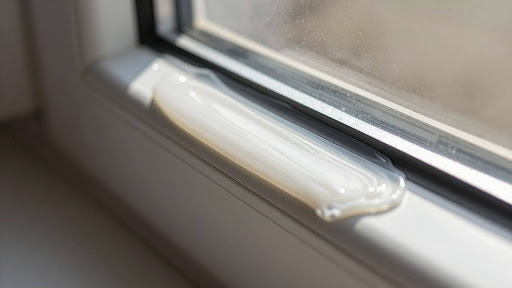
DAP Dynaflex Ultra Exterior Sealant
DAP Dynaflex Ultra is a popular choice for window replacements, especially in areas like Jacksonville with its tough climate. It’s built with something called WeatherMax Technology, which basically means it’s designed to handle pretty much anything Mother Nature throws at it. Think intense sun, heavy rain, and big temperature swings. This sealant is made to stay flexible, so it won’t crack or pull away as your windows expand and contract with the weather. It also boasts great resistance to mold, mildew, and algae, which is a big plus in humid Florida. Plus, it’s waterproof and paintable in just one hour, making the job go faster. It sticks to a lot of different materials too, like vinyl, wood, metal, and concrete, which is handy for various window frame types.
Tremco Sealant Systems for Building Envelopes
Tremco is another big name, often looked at for larger building projects, but their sealant systems are worth knowing about. They focus on creating a complete “building envelope” solution, meaning their products work together to keep your home sealed up tight against the elements. Their sealants are designed for durability and to work as part of a larger system that includes air barriers and waterproofing. This approach is all about making sure your entire home is protected, not just the windows. They have options for various applications, from new construction to restoration, and they often come with warranties that cover multiple products working together. It’s a more integrated approach to sealing your home.
Considerations for Industrial and OEM Applications
When we talk about industrial or OEM (Original Equipment Manufacturer) applications, we’re usually looking at sealants used in factories to make windows or other building components. These sealants might have different requirements than what you’d use for a typical home window replacement. For instance, they might need to withstand specific manufacturing processes, extreme temperature ranges during production, or have very precise adhesion properties for automated application. While you might not be buying these directly for your home, understanding that these specialized sealants exist shows the breadth of sealant technology out there. They are engineered for high-volume, consistent performance in controlled environments, often focusing on things like long-term stability in sealed units or resistance to specific industrial chemicals.
Wrapping It Up
So, when it comes to replacing windows here in Jacksonville, FL, it’s not just about picking out a new frame and glass. The real magic, the stuff that keeps your home comfortable and protected, happens with the sealants. We’ve seen how tough Jacksonville’s weather can be, from salty air to sudden storms, and how that impacts everything. Using advanced sealants, like those with Weather Max Technology, means you’re getting a seal that can handle all that. It stays flexible, fights off mold, and really just holds up over time. It might seem like a small detail, but getting the right sealant installed properly makes a huge difference in how well your new windows perform and how long they last. It’s a smart investment for keeping your home in good shape against whatever Florida throws at it.
Frequently Asked Questions
Why are sealants important for windows in Jacksonville?
Jacksonville’s weather, like salty air near the coast and lots of rain, can make windows weak. Good sealants act like a shield, keeping water, salt, and bugs out. They also help keep your home’s temperature just right, saving you money on energy bills.
What makes sealants ‘advanced’ for Jacksonville’s climate?
Advanced sealants are made tough. They can handle the sun’s strong rays without fading or cracking, resist mold and mildew that love humid weather, and stay waterproof even with heavy rain. Think of them as super-sealants built to last in tough conditions.
Can sealants handle the heat and humidity in Jacksonville?
Yes, the best sealants are designed for places like Jacksonville. They stay flexible, meaning they can stretch and shrink a little when the temperature changes without breaking. This flexibility is key to stopping leaks caused by the heat and humidity.
How long do these advanced sealants last?
Many of these high-tech sealants are built to last for years, often with guarantees against mold, mildew, and even UV damage. They are made to withstand the constant stress of Jacksonville’s environment, offering long-term protection for your windows.
What is ‘WeatherMax Technology’?
‘WeatherMax Technology’ is a fancy name for the special way some sealants are made to fight against all kinds of weather. It means they are extra good at resisting damage from sun, rain, heat, and cold, keeping your windows sealed and looking good for a long time.
Is it hard to apply these sealants?
While it’s best to have pros install them for the perfect seal, many advanced sealants are made to be easier to use. They often go on smoothly, dry quickly so you can paint over them sooner, and clean up easily with just water, making the job faster and less messy.