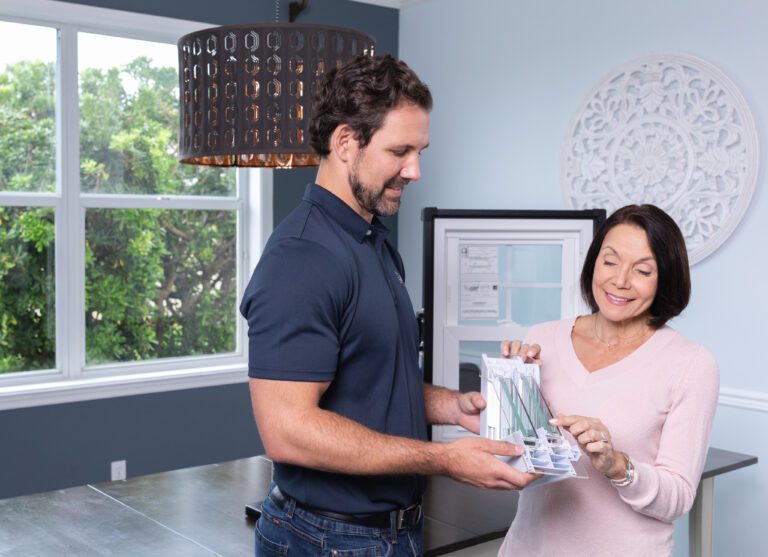
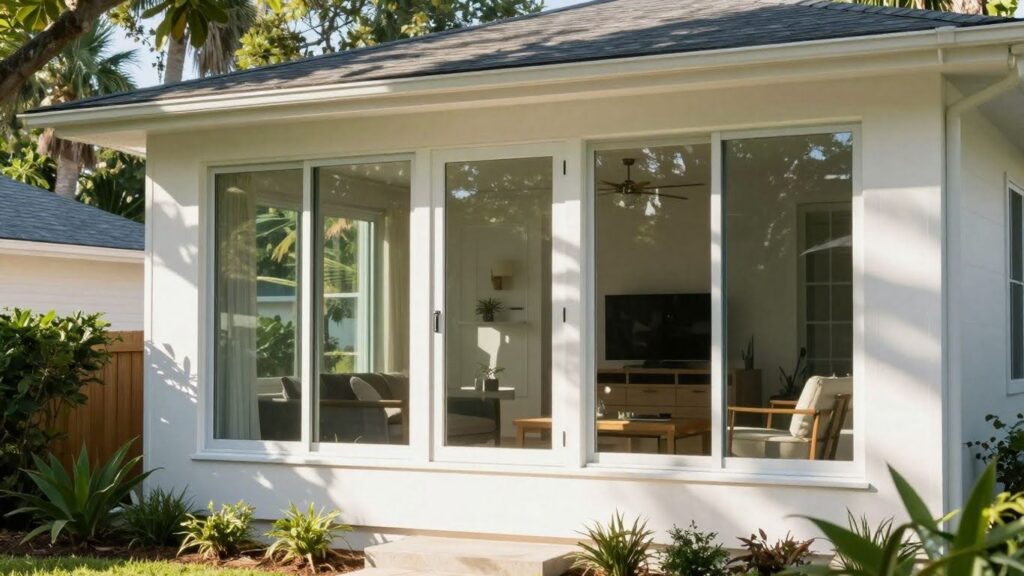
Thinking about new windows for your place in Jacksonville, FL? It’s a big decision, and honestly, picking the right ones can make a huge difference, especially with our Florida heat. We’re talking about keeping your home cooler in the summer, cutting down those energy bills, and maybe even making your house more comfortable year-round. This isn’t just about looks; it’s about smart, Advanced Energy-Efficient Technologies for Window Replacement in Jacksonville FL that actually work for our climate. Let’s break down what you need to know to make a good choice.
Key Takeaways
- When looking at new windows for Jacksonville, pay attention to the U-factor (how well it stops heat transfer) and the Solar Heat Gain Coefficient (how much sun heat it blocks). You want low numbers for both here in Florida.
- Look for windows with double or triple panes, filled with inert gas like argon, and definitely get Low-E coatings. These features really help keep the heat out.
- Frame materials matter too. Vinyl is a solid, cost-effective choice for our climate, while fiberglass offers top durability. Make sure whatever you pick can handle the humidity.
- Some window styles seal better than others. Casement windows are known for their tight seals, which is great for preventing air leaks. Also, consider impact-resistant options for storm protection.
- Getting windows that are ENERGY STAR certified is a good starting point, but don’t stop there. The right installation is just as important for making sure your new windows actually save you energy.
Understanding Energy Efficiency Metrics for Jacksonville Homes
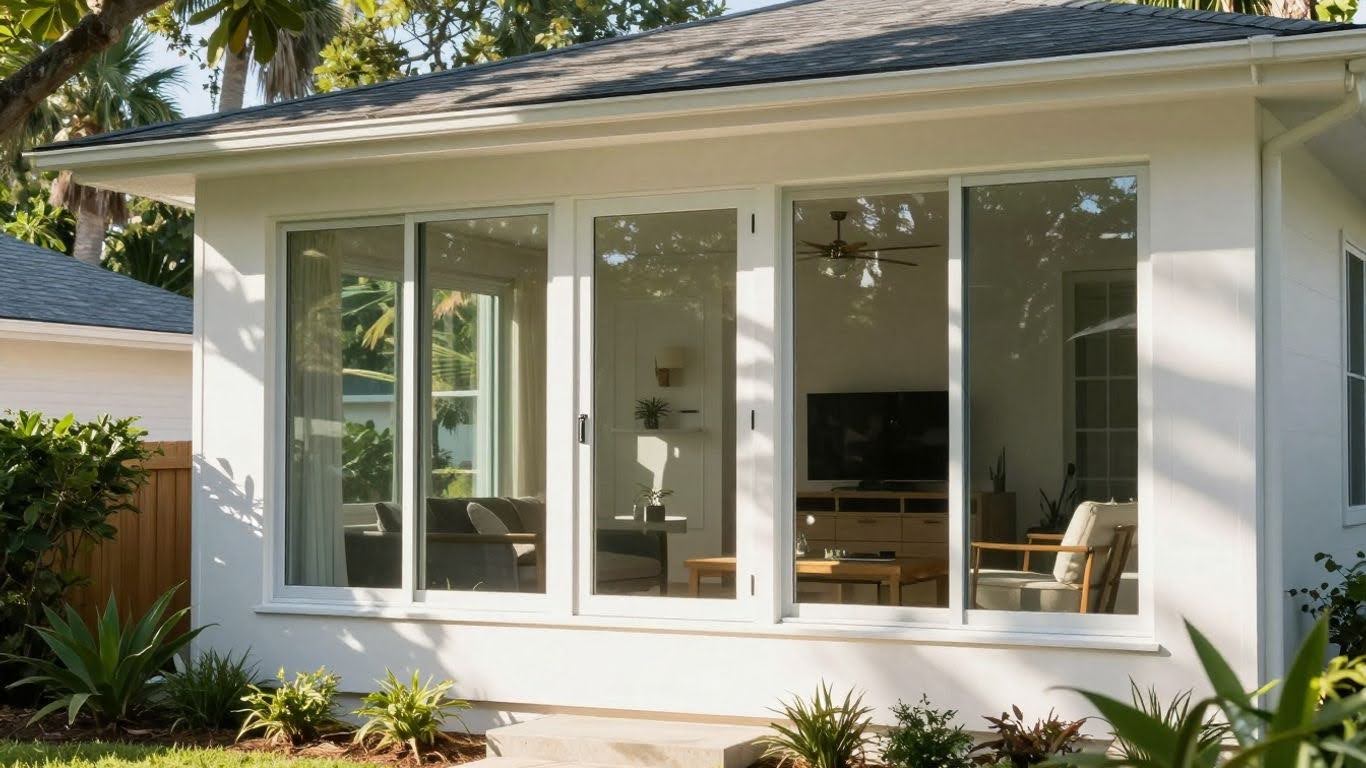
When you’re looking to replace your windows here in Jacksonville, it’s easy to get lost in all the technical terms. But understanding a few key numbers can make a big difference in keeping your home cool and your energy bills low. Think of these metrics as your guide to picking windows that actually work for our hot, sunny climate.
U-Factor: Measuring Heat Transfer Performance
The U-factor tells you how well a window keeps heat from moving in or out. In Jacksonville, we’re mostly concerned with keeping the summer heat out. A lower U-factor means the window is a better insulator. You’ll want to look for windows with a U-factor that’s on the lower end of the scale, generally between 0.20 and 0.40, to really keep that cool air inside where it belongs.
Solar Heat Gain Coefficient: Blocking Florida’s Intense Sun
This one is super important for us. The Solar Heat Gain Coefficient, or SHGC, measures how much heat from the sun actually passes through your window. Since we get so much sun here, you want a window that blocks a lot of that heat. A lower SHGC number is better – aim for something between 0.25 and 0.40. A window with an SHGC of 0.30, for example, means it blocks about 70% of the sun’s heat. That’s a huge help when the sun is beating down all afternoon.
Visible Light Transmittance: Balancing Light and Heat
While we want to block heat, we still want natural light in our homes, right? That’s where Visible Light Transmittance, or VT, comes in. This number tells you how much light comes through the glass. You generally want a higher VT number, maybe between 0.40 and 0.70, so your rooms don’t feel dark. The trick is finding windows that offer good light while still keeping that solar heat gain low. Modern window tech makes this balance achievable.
Understanding these three metrics – U-factor, SHGC, and VT – is your first step to choosing windows that will actually save you money and make your home more comfortable in Jacksonville’s unique weather.
Here’s a quick rundown:
- Low U-Factor: Keeps heat out in the summer and in during cooler months.
- Low SHGC: Blocks the sun’s heat from entering your home.
- High VT: Lets in plenty of natural light without letting in excess heat.
Advanced Window Technologies for Optimal Performance
When you’re looking to replace windows in Jacksonville, FL, you’ll want to know about the tech that makes them work better. It’s not just about glass anymore; there’s a whole system designed to keep your home comfy and your energy bills down. Let’s break down some of the key players.
Double and Triple-Pane Glass with Inert Gas Fills
Think of this as an upgrade from the single-pane windows of the past. Double-pane windows have two layers of glass with a space in between. Triple-pane takes it a step further with three layers and two spaces. What’s in those spaces? Usually, it’s an inert gas like argon or krypton. These gases are heavier than air and don’t move around as much, which helps slow down heat transfer. So, in the summer, they help keep the hot Florida air outside, and in the winter (yes, we get some cooler days!), they help keep the warmth inside. It’s a simple idea, but it makes a big difference in how your home feels and how much you spend on cooling.
Low-Emissivity (Low-E) Coatings for Heat Reflection
This is where things get a bit more high-tech. Low-E coatings are super thin, transparent layers applied to the glass surface. They’re so thin you can’t see them, but they’re really good at reflecting heat. In Jacksonville’s sunny climate, this is a game-changer. These coatings can reflect a lot of the sun’s heat away from your home during the summer, stopping it from getting into your living space. They also work in reverse during cooler months, reflecting indoor heat back into the room. It’s like having an invisible shield against unwanted heat.
Warm-Edge Spacers: Minimizing Thermal Bridging
Ever notice how the edges of some older windows feel colder or get condensation? That’s often because of the spacer material between the glass panes. Traditional spacers, usually made of aluminum, are like little highways for heat to travel through. This is called thermal bridging. Warm-edge spacers are made from less conductive materials, like foam or silicone. They create a barrier that slows down heat transfer at the edges of the glass. This might seem like a small detail, but it helps:
- Reduce condensation around the window frame.
- Improve the overall U-factor of the window.
- Make the window seal last longer, especially in our fluctuating temperatures.
These technologies work together. A window with multiple panes, inert gas, a Low-E coating, and a warm-edge spacer is designed to be a much better barrier against heat transfer than older window types. It’s about creating a more controlled environment inside your home.
Choosing the Right Frame Materials
So, you’re looking at new windows for your place in Jacksonville, and you’ve probably noticed there are a bunch of different frame materials out there. It’s not just about how they look, either. The frame is actually a pretty big deal when it comes to keeping your house comfortable and your energy bills down, especially with that Florida heat.
Durable Vinyl Frames for Florida’s Climate
Vinyl is super popular around here, and for good reason. It’s a solid choice because it doesn’t really conduct heat like metal does. That means less heat gets into your house from the outside. Plus, vinyl doesn’t rot or get messed up by moisture, which is a big plus in our humid climate. They’re usually pretty affordable too, and many come with multiple chambers inside the frame to help with insulation. They’re also easy to clean and don’t need much upkeep. You’ll find that fusion-welded vinyl frames offer extra strength and won’t warp over time.
Premium Fiberglass Frames for Longevity
If you’re looking for something that’s built to last and offers top-notch performance, fiberglass is worth a look. It’s really strong and doesn’t conduct heat well at all. Fiberglass frames won’t warp, twist, or break down even with all the humidity we get. They tend to cost more upfront, but they can last a really long time, making them a good investment, especially for bigger windows.
Considerations for Insulated Frames
Beyond just the material, how the frame is built matters. Some frames have extra insulation built into them, like foam. This helps stop heat from getting through the frame itself. It’s like adding another layer of defense against the outside temperature. You also want to think about how the frame seals against the wall. Some windows come with extra weatherstripping or foam wraps around the frame to block any little gaps where air could sneak in or out. It might seem like a small detail, but it really adds up when it comes to keeping your home’s temperature steady and saving energy.
When you’re picking out windows, don’t forget to check out the frame’s construction. Materials like vinyl and fiberglass are great for our climate because they don’t transfer heat easily. Look for frames with features like multiple chambers or added insulation to get the best performance. It’s all about creating a solid barrier against the Florida weather.
Window Styles Suited for Jacksonville’s Environment
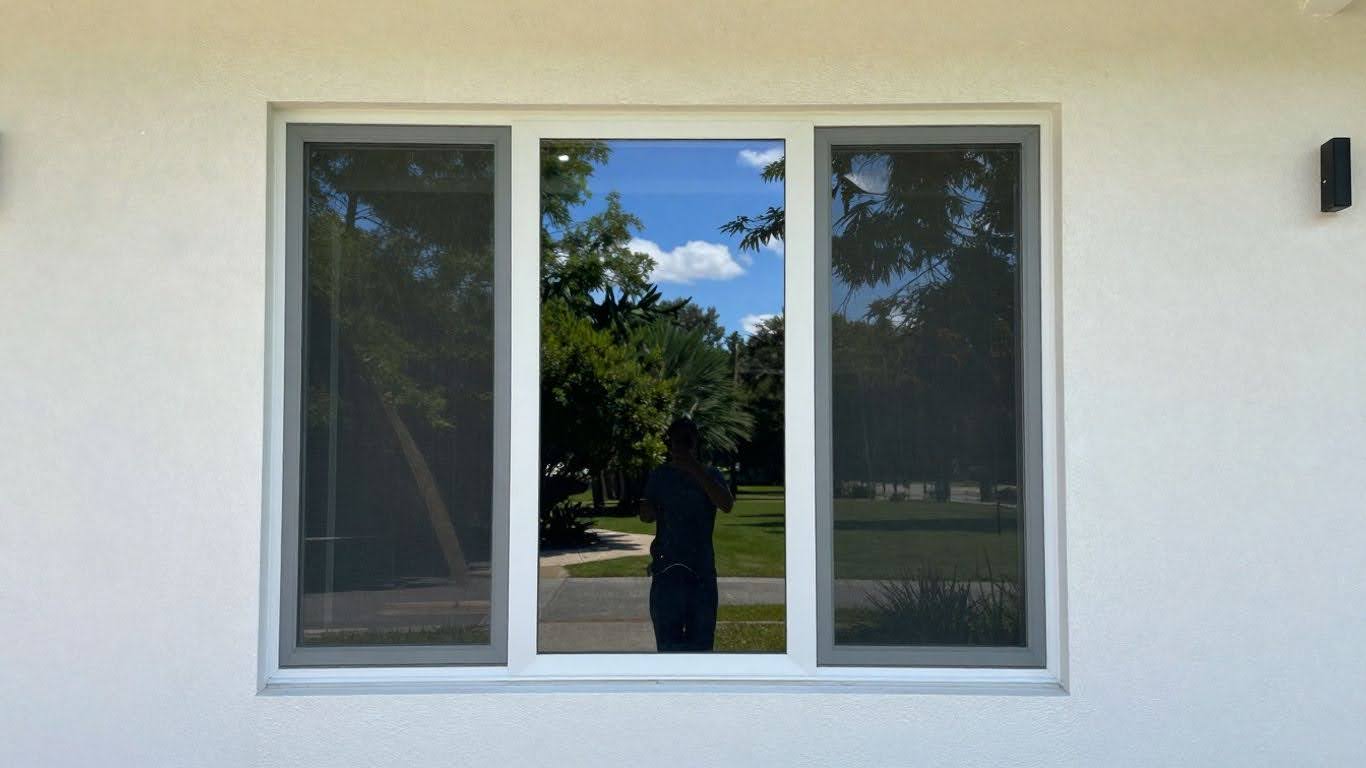
Picking the right window style for your Jacksonville home isn’t just about looks; it’s a big part of keeping your energy bills down and your house comfortable. Given our hot, humid weather and the occasional strong storm, some window types just work better here than others.
Casement Windows for Superior Sealing
Casement windows are a really solid choice for energy efficiency, especially in a place like Jacksonville. When you close them, the sash pushes right up against the frame, creating a really tight seal. This means way less air can sneak in or out compared to, say, a sliding window. They’re great for keeping that cool air inside during our long, hot summers. Plus, when you open them up, they offer full ventilation, which is nice for those milder days when you want some fresh air without cranking the AC.
Energy-Efficient Bay and Bow Windows
Bay and bow windows can add a lot of charm to your home, and they don’t have to be energy hogs. The key is to make sure they’re built with good quality, energy-efficient windows within the structure. These styles often involve larger glass areas, so it’s super important that those individual windows have low U-factors and low Solar Heat Gain Coefficients (SHGC) to block out that intense Florida sun. They can be a bit trickier to seal perfectly, so professional installation is a must here.
Impact-Resistant Options for Storm Protection
Living in Florida, you know storms are a real concern. Impact-resistant windows are designed to handle high winds and flying debris, which is a huge plus. But here’s the cool part: those same features that make them tough also make them really energy efficient. They have laminated glass and reinforced frames, and multiple seals to keep water out. These strong seals also do a fantastic job of preventing air leaks, which is a major win for your energy bills. Many homeowners find that the energy savings and potential insurance discounts make these windows a smart investment that pays for itself over time.
The Benefits of Professional Window Installation
So, you’ve picked out some fantastic, energy-efficient windows for your Jacksonville home. That’s great! But here’s the thing: even the best windows won’t perform like they’re supposed to if they aren’t put in right. Getting a pro to handle the installation is a really big deal. It’s not just about making things look neat; it’s about making sure your new windows actually do their job, saving you money and keeping your house comfy.
Ensuring Airtight Seals for Maximum Efficiency
Think of your windows like the skin of your house. If there are gaps or leaks, the conditioned air inside escapes, and the outside air sneaks in. This makes your AC or heater work overtime, which you definitely don’t want in Florida’s heat. Professional installers know how to create a super tight seal around the entire window unit. They use the right materials and techniques to stop air leaks before they start. This means:
- Less drafty rooms, especially near windows.
- Your home’s temperature stays more consistent.
- Your HVAC system doesn’t have to run as much, saving energy.
- It helps keep out humidity, which is a big plus here in Jacksonville.
Meeting Florida Building Code Requirements
Florida has some pretty strict rules when it comes to building, especially concerning windows. This is mostly due to hurricanes and the intense weather we can get. Professional installers are up-to-date on all the latest Florida Building Codes. They know what kind of fasteners to use, how to properly anchor the windows, and what flashing techniques are needed to meet these standards. Getting this wrong can lead to big problems, not just with energy efficiency but also with safety and potential damage during a storm.
Skipping professional installation to save a few bucks upfront might seem like a good idea, but it can end up costing you a lot more down the line. Think about potential water damage, higher energy bills, or even issues with insurance if your windows aren’t installed to code.
Maximizing Long-Term Energy Savings
When windows are installed correctly, they perform at their peak. This means they’ll do a better job of blocking out the intense Florida sun in the summer and keeping the heat in during those rare cooler spells. Over the years, this consistent performance adds up. You’ll see it in your monthly energy bills, which should be noticeably lower compared to what you were paying before. Plus, properly installed windows tend to last longer and require less maintenance because they aren’t being stressed by improper fitting or air leaks. It’s an investment that pays off for years to come.
Identifying High-Rated Energy-Efficient Windows
So, you’re looking to upgrade your windows and want to make sure you’re getting the best bang for your buck when it comes to saving energy. That’s smart, especially here in Jacksonville where the sun can really crank up the AC bill. But how do you actually know if a window is “high-rated”? It’s not just about picking a fancy brand, though some do have a good reputation.
The Significance of ENERGY STAR Certification
First off, keep an eye out for the ENERGY STAR label. This is a big deal. It means the U.S. Environmental Protection Agency has tested these windows, and they meet strict standards for energy performance. It’s a reliable sign that the window will help you save on energy costs. Think of it as a stamp of approval for efficiency. While it’s a great starting point, remember that some windows go above and beyond what ENERGY STAR requires, offering even better performance. It’s worth asking about those too.
Top Brands Known for Energy Performance
While the ENERGY STAR label is key, certain manufacturers have consistently put out windows that perform really well. Brands like Andersen, Pella, and Marvin often come up when people talk about top-tier, energy-saving windows. They tend to incorporate advanced features like multiple panes of glass, special coatings, and gas fills between the panes. These aren’t just buzzwords; they actively work to keep heat out in the summer and in during the cooler months. It’s good to know which brands have a track record for quality and efficiency.
Beyond Ratings: Real-World Performance Factors
Sometimes, the numbers on paper don’t tell the whole story. You’ve got to think about how the window will actually work in your Jacksonville home. Here are a few things to consider:
- Low U-Factor: This tells you how well the window stops heat from escaping or entering. For us, a lower U-factor is better, keeping that hot Florida air outside.
- Low Solar Heat Gain Coefficient (SHGC): This is super important here. It measures how much heat from the sun actually gets through the glass. You want a low SHGC to block that intense sun.
- Visible Light Transmittance (VT): This is about how much natural light comes in. You want a good balance – enough light to brighten your home without letting in too much heat.
When you’re looking at windows, don’t just focus on one rating. It’s the combination of these factors, along with the quality of the materials and how well they’re installed, that truly makes a window energy-efficient for your specific needs. Ask questions and make sure you understand what each number means for your home’s comfort and your energy bills.
Here’s a quick look at what to aim for in Jacksonville:
| Rating Metric | Ideal Range for Jacksonville | What it Means |
| U-Factor | 0.20 – 0.40 | Lower is better (less heat transfer) |
| SHGC | 0.25 – 0.40 | Lower is better (less solar heat gain) |
| VT | Varies (balance needed) | Higher means more light, but consider SHGC |
Remember, even the best windows won’t perform as they should if they aren’t installed correctly. That’s a whole other topic, but definitely something to keep in mind when you’re making your choice.
Wrapping It Up
So, when it comes to upgrading your home in Jacksonville, thinking about new windows is a pretty smart move. We’ve talked about how the right kind of windows can really make a difference, not just in keeping your place comfy year-round, but also in cutting down those energy bills. It’s not just about picking something that looks nice; it’s about finding windows that can handle our Florida weather, keep the heat out in the summer, and maybe even help a bit during those rare chilly spells. Making the switch to more efficient windows is an investment, sure, but it’s one that pays off over time with lower costs and a more pleasant home environment. If you’re on the fence, it might be time to look into what options are out there for your specific needs.
Frequently Asked Questions
What does ‘energy efficient’ mean for windows in Jacksonville?
Energy efficient windows help keep your home at a comfortable temperature without making your air conditioner or heater work too hard. They do this by stopping heat from getting in during the hot summer and keeping warm air inside during the cooler winter months. This means you save money on your energy bills and your home feels better all year round.
What are U-Factor and SHGC and why do they matter for my windows?
U-Factor tells you how well a window stops heat from escaping or entering your home. A lower U-Factor means better insulation. SHGC, or Solar Heat Gain Coefficient, measures how much heat from the sun comes through your window. For Jacksonville, you want a low SHGC to block out the intense Florida sun and keep your home cooler.
Are double-pane windows good enough for Jacksonville, or should I get triple-pane?
Double-pane windows are usually a great choice for Jacksonville. They have two layers of glass with a special gas in between, which is much better than old single-pane windows. Triple-pane windows offer even more insulation, but for most homes in Florida, well-made double-pane windows with special coatings are often the best balance of cost and energy saving.
What are Low-E coatings and why are they important?
Low-E, or low-emissivity, coatings are like a nearly invisible shield on the glass. They help block the sun’s heat from coming inside during the summer and keep heat from escaping your home in the winter. These coatings are super important in sunny places like Jacksonville to help lower your cooling costs.
Do window frames affect energy efficiency?
Yes, definitely! The frame is a big part of the window. In Jacksonville, vinyl or fiberglass frames are usually best because they don’t conduct heat as much as metal frames. Some frames also have insulation inside them, which helps even more to keep your home’s temperature steady.
Is professional installation really necessary for energy-efficient windows?
Absolutely! Even the best energy-efficient windows won’t work as well if they aren’t installed correctly. A professional installer makes sure the windows are sealed tightly to prevent air leaks. This is crucial for getting the most savings on your energy bills and ensuring your windows perform at their best.