Getting new windows for your home in Jacksonville, FL, can really make a difference. It makes your place look better and can even help with your energy bills. But it’s not as simple as just picking out some new glass. Lots of folks make mistakes when they’re planning this kind of project. We’re going to talk about some of the most common mistakes homeowners make when planning window replacement in Jacksonville, FL, so you can avoid them.
Key Takeaways
- Don’t just pick windows that look nice; make sure they’re good for saving energy, especially in Jacksonville’s hot weather. Look for ratings like U-factor and SHGC, and check for ENERGY STAR labels.
- Do your homework before you buy. Learn about different window styles and materials, and check out what other people say about different brands.
- Hiring a pro to install your windows is usually a better idea than doing it yourself. They know how to get it right, which means fewer problems later.
- Think about how easy the windows are to use and clean, not just how they look. Also, consider how secure they are and how well they’ll keep your home comfortable.
- Always check the warranty. A good warranty can save you a lot of money and hassle if something goes wrong down the road.
Overlooking Energy Efficiency Ratings
When you’re thinking about new windows for your Jacksonville home, it’s easy to get caught up in how they look. But honestly, one of the biggest mistakes homeowners make is not paying enough attention to how energy-efficient those windows actually are. This isn’t just about saving a few bucks on your power bill, though that’s a nice perk. It’s about keeping your home comfortable year-round, especially with our Florida heat and humidity.
Understanding U-factor and SHGC
So, what are these terms, U-factor and SHGC? Think of them as your window’s report card for energy performance. The U-factor measures how well a window prevents heat from escaping your home. A lower U-factor means better insulation, which is great for keeping the cool air in during those sweltering summer months. Then there’s the SHGC, or Solar Heat Gain Coefficient. This number tells you how much heat from the sun gets through the window. For Jacksonville, you generally want a low SHGC to block out that intense solar heat. Choosing windows with low U-factors and low SHGC ratings is key to reducing your reliance on air conditioning.
The importance of ENERGY STAR certification
This is where things get a bit simpler. Look for the ENERGY STAR label. It’s a government-backed program that certifies products are more energy-efficient than standard ones. When you see that blue label, you know the window has met specific performance guidelines set by the EPA. For Florida, you’ll want to make sure the windows are certified for our climate zone. It takes a lot of the guesswork out of comparing different brands and models.
Choosing windows for Jacksonville’s climate
Our climate here in Jacksonville is pretty demanding. We deal with high heat, lots of humidity, and sometimes strong storms. This means your windows need to do more than just look good. They need to be built tough and perform well. Consider windows with features like Low-E coatings, which help reflect heat away from your home. Also, think about the frame material. Some materials hold up better against moisture and temperature swings than others. Getting this right means your windows will last longer and keep your home more comfortable without making your AC unit work overtime.
- Low U-Factor: Keeps conditioned air inside.
- Low SHGC: Blocks unwanted solar heat gain.
- ENERGY STAR Certified: Guarantees a certain level of efficiency.
- Durable Frame Materials: Resists heat, humidity, and UV rays.
When you’re looking at window specs, remember that Jacksonville’s climate requires a focus on keeping heat out and cool air in. Don’t just pick the prettiest option; pick the smartest one for our local weather.
Skipping the Essential Research Phase
So, you’re ready for new windows. That’s great! But before you start picking out the prettiest frames or the ones with the lowest price tag, hold up a second. Jumping into window replacement without doing your homework is a common misstep that can cost you down the road. The world of windows is bigger than you might think, and a little bit of upfront research can save you a lot of headaches and money.
Exploring different window styles and materials
Think about it: windows aren’t just holes in your wall. They’re a big part of your home’s look and how it functions. You’ve got everything from classic double-hung and casement windows to more modern sliding or awning styles. And the materials? Wood, vinyl, aluminum, fiberglass – they all have their own pros and cons, especially here in Jacksonville with our heat and humidity. Vinyl is popular because it’s low-maintenance and usually budget-friendly, but some people prefer the look of wood, even though it needs more upkeep. Fiberglass is strong and efficient, but can be pricier.
Comparing manufacturers and reading reviews
Once you have an idea of the style and material you like, it’s time to look at who makes them. Not all window brands are created equal. Some have a long history of quality, while others might be newer or have mixed reviews. Don’t be afraid to spend time reading what other homeowners have said. Look for patterns in reviews – are people consistently happy with the durability? How was the installation experience? Did the windows perform as advertised regarding energy savings? Checking out local installers’ reputations is just as important as looking into the window brands themselves.
Understanding the vast window market
It’s easy to feel overwhelmed when you start looking. You’ll see terms like U-factor, SHGC, and ENERGY STAR ratings. While these might sound technical, they’re really just ways to measure how well a window will keep your home cool in the summer and warm in the winter. For Jacksonville, you’ll want windows that are good at blocking heat. Also, be aware of local building codes; sometimes, especially in coastal areas, you might need specific types of windows for wind resistance. Taking the time to understand these basics will help you ask the right questions and make a choice you won’t regret.
Making an informed decision means looking beyond just the surface. It’s about understanding how different window types and brands will perform in our specific climate, how much maintenance they’ll require over the years, and what kind of long-term value they’ll bring to your home. Don’t rush this part; it’s the foundation for a successful replacement project.
Neglecting Professional Installation
You know, when you’re getting new windows, it’s easy to think, ‘How hard can it be?’ Maybe you’ve watched a few videos, or you’re feeling pretty handy. But let me tell you, window installation is way more involved than it looks. It’s not just about screwing a frame into a hole. Getting it done right by a pro is super important for your home’s comfort and your wallet.
The risks of DIY window replacement
Trying to save a buck by doing it yourself can actually cost you more in the long run. If a window isn’t perfectly square in its opening, it can cause all sorts of problems. The sash might not close right, and worse, the seal that keeps the air in and out can get messed up. This means drafts, higher energy bills, and maybe even water getting in where it shouldn’t. Plus, if you mess up the installation, you could even void the warranty on those brand-new, expensive windows you just bought. It’s a lot to risk.
Ensuring proper sealing and functionality
Professional installers know how to make sure everything is sealed up tight. They use special techniques, like strategic shimming, to get the window frame perfectly level and plumb. This isn’t just about making it look good; it stops the window from putting stress on its own parts and keeps that insulating seal working like it should. They also know how to properly insulate around the frame, using materials that stop heat from escaping or coming in. This is key to actually seeing the energy savings you expect from new windows.
Finding reputable local installers
So, how do you find someone good? You want to look for local companies that have a solid track record. Check out reviews, ask for references, and make sure they’re licensed and insured. A good installer will take the time to explain the process, answer your questions, and stand behind their work. It might cost a bit more upfront than trying it yourself, but peace of mind and a job well done are totally worth it.
Prioritizing Aesthetics Over Functionality
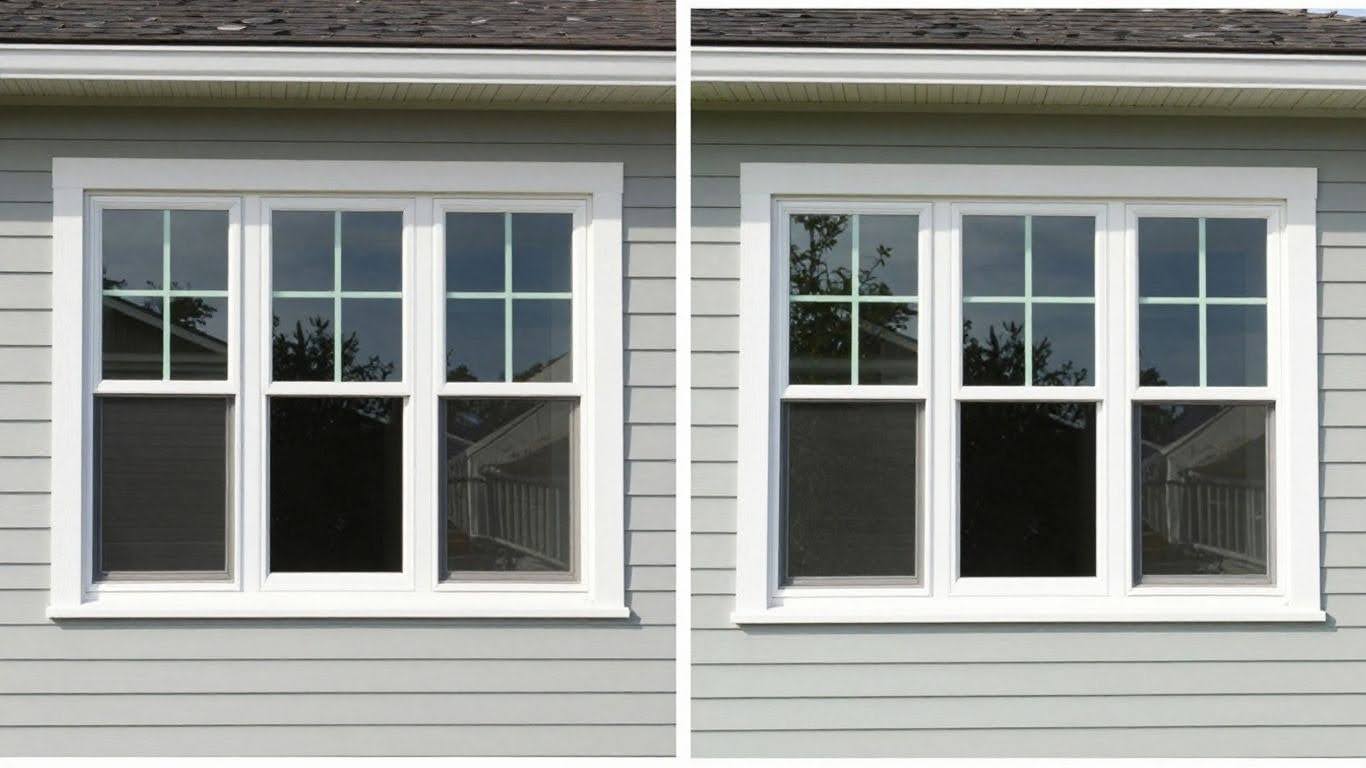
It’s easy to get caught up in how a window looks. We all want our homes to be beautiful, and new windows can really change the whole vibe. But sometimes, people get so focused on a fancy frame or a unique shape that they forget the window has to actually work well, especially here in Jacksonville. Choosing a window that looks good but doesn’t perform is a mistake that can cost you comfort and money down the road.
Balancing home architecture with practical needs
Think about your house. Does it have a certain style? Maybe it’s a classic bungalow or a modern build. The windows should generally fit that look. A super modern, minimalist window might look out of place on an older home, and vice-versa. But don’t stop there. What about how you actually use the window? A large picture window might be stunning, but can you open it easily for airflow? Does it let in too much sun and heat during our long, hot summers?
Evaluating ease of use and maintenance
Some window types are just easier to deal with than others. Consider how you’ll clean them, especially if you have a two-story house. Windows that tilt in or have removable screens are a lifesaver. Also, think about how they open and close. Do you want something simple, like a slider, or are you okay with the mechanism of a casement or double-hung window? Some fancy designs might look cool, but they can be a pain to operate day-to-day.
Considering security and efficiency of window types
This is where looks can really be deceiving. A window that looks strong might not be the most secure. And as we’ve talked about, looks don’t tell you anything about how well it keeps the heat out. For example, a large, single-pane window might seem simple and elegant, but it’s likely a poor insulator and could be a security risk. It’s about finding that sweet spot where your windows are both attractive and practical for Jacksonville’s climate and your family’s safety.
- Ventilation: How well does the window open to let in fresh air?
- Operation: Is it easy to open, close, and lock?
- Cleaning: Can you reach and clean the exterior glass without a hassle?
- Durability: Will the moving parts last over time?
Don’t let a beautiful window design trick you into overlooking its actual performance. A window’s primary job is to protect your home from the elements while allowing light and air. If it fails at that, no amount of curb appeal can make up for it.
Ignoring Warranties and Guarantees
When you’re picking out new windows, it’s easy to get caught up in how they look and how much they cost upfront. But one thing that often gets overlooked, and it’s a big one, is the warranty. Think of a warranty as your safety net for the future. It’s the manufacturer’s promise that their product will hold up over time.
Understanding the terms of coverage
Not all warranties are created equal, and they can get pretty confusing if you don’t read them closely. You’ll see different types of coverage, like for the frame, the glass, and even the moving parts. It’s important to know what’s covered and for how long. Some might cover manufacturing defects, while others might have specific clauses about things like seal failure or even fading.
Here’s a quick rundown of what to look for:
- Duration: How many years does the warranty last? Some are for 10 years, others for 20, or even a lifetime (though ‘lifetime’ can have its own fine print).
- What’s Covered: Does it cover the whole window unit, or just specific parts like the glass panes or the frame material? What about labor costs if something needs fixing?
- Transferability: If you sell your house, can the warranty be transferred to the new owner? This can be a selling point.
- Exclusions: What isn’t covered? Things like damage from improper maintenance, extreme weather events, or even normal wear and tear might be excluded.
Protecting your investment against future issues
Jacksonville’s climate, with its heat, humidity, and occasional storms, can really put windows to the test. A good warranty can save you a lot of money down the line if a seal fails due to the humidity or if the constant sun causes issues with the frame material. Without one, you could be looking at paying for repairs or even full replacements out of your own pocket.
It’s not just about what happens right after installation. A solid warranty gives you peace of mind knowing that if something goes wrong due to a manufacturing flaw, you’re protected. This is especially true for more complex window systems or those with special coatings designed for energy efficiency.
The value of a reliable warranty
When you’re comparing window options, don’t just look at the price tag. A window with a slightly higher initial cost but a much better, more comprehensive warranty might actually be the more economical choice in the long run. It shows the manufacturer stands behind their product. Always ask for a copy of the warranty before you sign any contracts and take the time to read it. If anything is unclear, ask your window professional to explain it. It’s your home, and you deserve to know exactly what you’re getting and what protection you have.
Failing to Account for Local Climate Conditions
Many homeowners in Jacksonville make the mistake of picking new windows based on looks or price, while barely considering the real demands of local weather. Florida’s heat, humidity, and storms do not go easy on your home’s windows. The wrong choice won’t just hurt your cooling bills—it can also mean dealing with leaks, warping, or worse, long before your warranty runs out.
Selecting materials suited for heat and humidity
Jacksonville’s climate is relentless—humid summers, salty air, and no shortage of heavy rain. Not all window materials can handle it. Here’s how some common options perform in this part of Florida:
| Material | Handles Humidity | Resists Warping | Maintenance Level |
| Vinyl | Excellent | Good | Low |
| Wood | Poor | Poor | High |
| Aluminum | Good | Excellent | Medium |
| Fiberglass | Excellent | Excellent | Low |
- Wood windows might look great but swell or rot much faster in moisture-prone regions.
- Fiberglass and vinyl are usually better bets—they shrug off humidity and need less attention.
- Aluminum resists warping but can transfer outdoor heat if poorly insulated.
Considering longevity and insulation properties
Jacksonville’s long, hot season means you’ll want windows that keep cool air in and the muggy heat out. Here are some points to weigh:
- Multi-pane, gas-filled glass helps cut down on heat gain.
- Proper weatherstripping guards against both air leaks and pests.
- Windows with insulated frames will save on your electric bills over time.
When you skimp on insulation or pick the wrong window frame, you’re basically inviting Florida’s heat to ride shotgun on your AC bill. Think beyond the sticker price—long-term savings add up quick when you choose windows that truly work for your home’s specific climate.
Windows that perform well year-round
What actually works in the Jacksonville area? Examples:
- Impact-resistant glass to withstand summer storms and strong winds
- Low-E coated glass to keep the sun’s rays from pushing up indoor temps
- Tilt-in sashes or removable screens for easy cleaning, since pollen and salt build up fast
You don’t have to settle for the first “energy-efficient” window a company pitches—ask pointed questions about how their products handle months of sun, salt, rain, and humidity. Local experience matters, and what works in other states might not last here.
In the end, picking the right windows for Jacksonville is all about matching your investment to the real-world challenges your house faces all year, not just how they’ll look the day they’re installed.
Underestimating Installation Accuracy
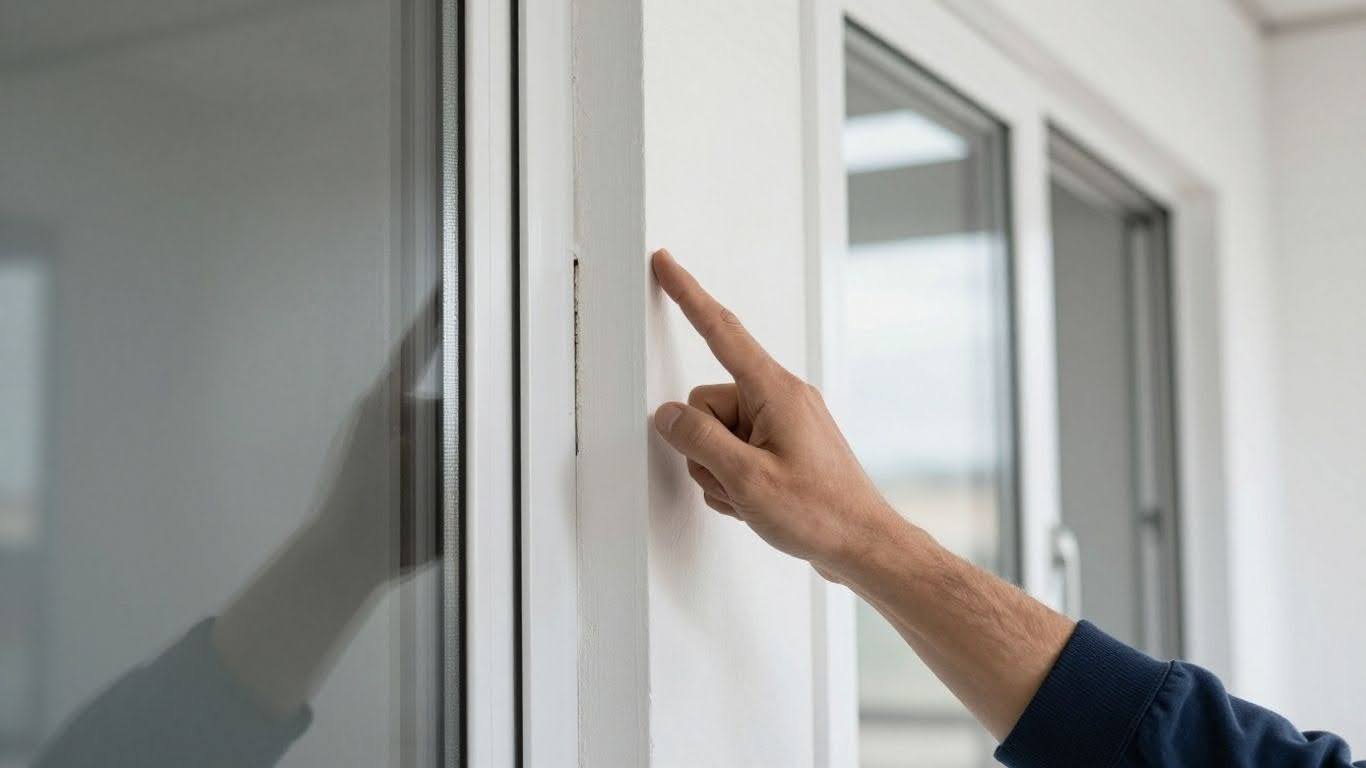
So, you’ve picked out some great new windows for your Jacksonville home. They look fantastic, and you’re already imagining lower energy bills. But hold on a second – even the best windows in the world can turn into a headache if they aren’t installed right. This is where a lot of homeowners trip up, thinking the job is done once the window is in the opening.
Ensuring windows are level and plumb
This is a big one. When a window isn’t perfectly level (horizontal) and plumb (vertical), it’s not just a cosmetic issue. Think about it: the sash has to move up and down. If the frame is crooked, that sash is going to bind. It makes opening and closing a pain, and over time, it puts stress on the moving parts. Plus, it can mess with the seal between the glass panes. Jacksonville’s heat and humidity can make these issues worse, causing seals to break down faster.
The role of strategic shimming
This is how pros make sure your windows are perfectly square. They use little pieces of wood or plastic, called shims, to adjust the window frame within the rough opening. It’s a bit like balancing a wobbly table. This careful adjustment is what keeps the window operating smoothly and stops those tiny gaps from forming that let air and moisture sneak in. Without this step, you’re basically asking for trouble down the road.
Preventing mechanical failure and seal degradation
When a window is installed incorrectly, it’s a recipe for disaster. The constant strain from an out-of-plumb frame can lead to mechanical failure – think broken latches or hinges. More subtly, it can compromise the seal that keeps the insulating gas between the panes. This means your window loses its energy-saving power, and you might start seeing condensation between the glass, which is a sure sign of a problem. It’s not just about looks; it’s about the window actually doing its job for years to come.
Overlooking Insulation and Exterior Finishing
So, you’ve picked out some great new windows for your Jacksonville home. They look sharp, and you’re excited about the energy savings. But hold on a second, have you thought about what happens around the window once it’s installed? This is where a lot of homeowners miss the mark, and it can really mess with your investment.
The importance of professional-grade insulation
Think of insulation as the cozy blanket for your new window. It’s not just about filling the gap between the window frame and your wall. Using the right stuff, like low-expansion foam or dense insulation, is key. If you just stuff some cheap material in there or leave empty spaces, you’re basically creating a highway for temperature to escape. This means your air conditioner or heater has to work overtime, and those energy savings you were counting on? They’ll vanish. Proper insulation stops your new window from becoming a thermal bridge, where heat just zips right out of your house. It keeps your home comfortable and your energy bills lower.
Preventing thermal bridging
Thermal bridging happens when heat finds an easy path through your home’s structure. With windows, if the insulation isn’t done right, the frame itself can become a conductor of heat or cold. This is especially true in a place like Jacksonville, with its hot summers and mild winters. You want your new windows to perform, and that means sealing up all those little pathways where the outside temperature can sneak in. It’s about making sure the window unit is truly part of your home’s efficient envelope, not a weak link.
Protecting against moisture with exterior trim
After the insulation is in, there’s still one more big step: the exterior finishing. Leaving the edges bare after insulation is a mistake that can lead to big problems down the road. Without proper exterior trim and a good sealant, water can find its way behind your siding and into the insulation. This isn’t just about looks, though a clean finish does make a difference to your home’s curb appeal. It’s about protecting the structure of your home. Moisture getting in can lead to wood rot and even bigger structural issues over time. Getting this part right is the final seal of protection for your window investment against Jacksonville’s weather.
Skipping the insulation and exterior finishing steps during window replacement is like buying a fancy new coat but forgetting to zip it up. You might look good initially, but you’re still going to be cold (or hot!) and vulnerable to the elements. It’s the details that make the difference in the long run.
Wrapping Up Your Window Project
So, replacing your windows in Jacksonville can feel like a big job, and honestly, it’s easy to trip up along the way. We’ve talked about a bunch of common slip-ups, from not checking energy ratings to skipping out on professional help. Remember, it’s not just about new glass; it’s about making your home more comfortable, saving on bills, and maybe even boosting its value.
Avoiding these common mistakes starts with working with a team that handles every detail the right way from the beginning. Explore our window replacement services, review our installation approach, see results, or contact our team to schedule your free assessment.
Frequently Asked Questions
Why is energy efficiency so important for windows in Jacksonville?
Jacksonville gets really hot! Energy-efficient windows help keep the cool air inside your home during the summer and the warm air inside during the winter. This means your air conditioner and heater won’t have to work as hard, saving you money on your electricity bills and making your home more comfortable all year round.
What are U-Factor and SHGC, and why should I care about them?
Think of U-Factor as a measure of how well a window keeps heat from escaping. A lower U-Factor is better for keeping your home warm. SHGC, or Solar Heat Gain Coefficient, tells you how much heat from the sun a window lets in. For a hot place like Jacksonville, you’ll want a low SHGC to block out the sun’s heat.
Is it really that bad to install windows myself?
While it might seem like a good way to save money, installing windows yourself can lead to big problems. If they aren’t put in perfectly level and sealed up tight, you can end up with drafts, leaks, and energy loss. It’s usually best to let experienced professionals handle the installation to make sure it’s done right, and your windows work properly for a long time.
Should I pick windows that look amazing or ones that work best?
It’s a balance! While you want your new windows to look great and match your home’s style, it’s super important they also work well. Think about how easy they are to open and close, how much work they’ll need to stay clean, and how well they’ll keep your home secure and energy-efficient. The best choice is one that looks good and performs even better.
What’s the big deal about window warranties?
A warranty is like a promise from the company that made or installed your windows. It protects you if something goes wrong later on, like a seal breaking or the glass fogging up. Reading the warranty details carefully helps you understand what’s covered, so you don’t have to pay for repairs that should be included.
How does Jacksonville’s weather affect the type of windows I should choose?
Jacksonville’s hot, humid, and sometimes stormy weather means you need windows built to handle it. You’ll want materials that can resist moisture and heat without warping or breaking down. Choosing windows designed for this kind of climate will make them last longer and perform better, keeping your home comfortable and protected.