Thinking about making changes to your historic home in Jacksonville, Florida? It’s great that you’re looking into the rules. Jacksonville has specific guidelines to keep its historic districts looking their best, and that includes things like replacing windows. We’ll break down what you need to know about Historic Preservation Standards and Approved Window Replacement in Jacksonville FL Districts so you can keep your property looking good and stay on the right side of the rules.
Key Takeaways
- All exterior work on properties within Jacksonville’s historic districts or designated landmarks requires a Certificate of Appropriateness (COA).
- Window replacement is considered exterior work and needs a COA, often involving specific guidelines and survey forms.
- You can check if your property is in a historic district using the city’s Land Development Map online.
- The Historic Preservation Section reviews applications, with some needing approval from the Jacksonville Historic Preservation Commission (JHPC).
- Doing work without an approved COA can lead to violations, fines, and requirements for corrective actions.
Understanding Historic Preservation Standards in Jacksonville FL Districts
The Role of the Historic Preservation Section
The Historic Preservation Section, part of the City’s Community Planning Division, is the main group handling Jacksonville’s historic preservation efforts. They’re in charge of looking over any work done in local historic districts or on registered landmarks. This is all managed through a process called the Certificate of Appropriateness (COA). It’s a key part of the city’s plan to keep its historical character intact. Basically, they help make sure that when changes happen, they fit with the history of the place.
Jacksonville’s Commitment to Historic Resources
Jacksonville has made a commitment to looking after its historical sites. The city’s plan includes a goal to find, document, protect, and preserve its historical, architectural, and cultural assets. They also want to make sure people know about these resources. To help achieve this, Jacksonville participates in the Certified Local Government (CLG) Program, which is run by the Florida Department of State. This program helps the city protect its past for folks in the future.
The Jacksonville Historic Preservation Commission
The Jacksonville Historic Preservation Commission (JHPC) is a group of people appointed by the Mayor. They meet regularly to review certain Certificate of Appropriateness (COA) applications. They also make recommendations to the City Council about which places should be officially recognized as local landmarks or historic districts. The commission usually has residents from historic districts, architects, lawyers, preservationists, and people from the construction trade on it, bringing a mix of perspectives to their decisions.
Navigating the Certificate of Appropriateness (COA) Process
So, you own a place in one of Jacksonville’s historic districts or maybe it’s a local landmark. That’s pretty cool! But it also means that before you start any work on the outside of your property, you’ll likely need to get a Certificate of Appropriateness, or COA for short. Think of it as a green light from the city that says your planned changes fit in with the historic character of the area. It’s not just for big stuff like adding an extension or tearing something down; even smaller things like changing out your windows or fixing up a driveway might need one.
When a COA is Required for Exterior Work
Basically, if it’s visible from the street, you probably need to think about a COA. This includes:
- Repairs or replacements to siding, roofing, or fences.
- Any work on windows and doors.
- Additions to your home or new structures like garages or sheds.
- Demolition or relocation of existing structures.
- Even changes to sidewalks and driveways.
The main idea is to keep the historic look and feel of these special neighborhoods intact. Interior work usually doesn’t require a COA, unless it affects the exterior, like changing out a window frame from the inside. It’s always better to check first if you’re not sure.
Administrative vs. Commission Review
Not all COA applications are created equal. Some are pretty straightforward and can be approved by the Historic Preservation Section staff. This is called administrative review. Things like routine repairs or minor changes often fall into this category. However, more significant projects, such as new construction, demolitions, or major alterations that are visible from the street, will need to go before the Jacksonville Historic Preservation Commission (JHPC) for their approval. The staff will let you know which path your application needs to take after you submit it.
Here’s a general idea of what might need Commission review:
- Demolition of buildings that contribute to the district’s character.
- New construction projects.
- Significant additions, especially two-story ones.
- Window replacements, particularly if they alter the historic appearance.
COA Application Procedures and Criteria
Applying for a COA is done through an online portal. You’ll need to provide details about the work you plan to do. The criteria for approval are generally based on the historic district’s design guidelines, which are specific to each neighborhood. These guidelines aim to ensure that proposed work is compatible with the historic setting. For example, window replacements should generally match the size, shape, and material of the original windows as much as possible. The application process can take time, especially if it needs to go before the Commission, so plan ahead.
Getting a COA is about more than just following rules; it’s about being a good steward of our shared history. The goal is to allow for necessary updates and improvements while preserving the unique character that makes these districts special places to live.
COA Validity and Renewal
Once you get your COA approved, it’s not good forever. Typically, an approved COA is valid for one year from the date of approval. However, if you’ve already started the work, the validity extends to five years from the approval date. If you don’t start the work within that initial year, or if the project takes longer than expected, you might need to renew your COA. It’s important to keep track of these dates to avoid having to reapply or face potential violations.
Approved Window Replacement in Jacksonville Historic Districts
So, you’re thinking about replacing the windows in your historic Jacksonville home? It’s a big job, and if you’re in one of the city’s historic districts, there are definitely some extra steps involved. It’s not like just swapping out old panes for new ones at any old house. The goal is to keep the historic character of your home and the neighborhood intact.
Window Supplement Guidelines
Jacksonville has specific guidelines, often called a “Window Supplement,” that you’ll need to follow when replacing windows in historic properties. These aren’t just suggestions; they’re part of the rules to make sure new windows fit the look and feel of the original architecture. Think about things like the material, the shape, the size, and even how the window is divided (like with muntins or grids). The idea is to match what was there before as closely as possible, or at least use materials and designs that are compatible with the historic style.
Window Survey Forms
Before you even start thinking about ordering new windows, you’ll likely need to fill out a “Window Survey Form.” This form is basically a detailed inventory of your existing windows. You’ll need to document things like:
- The number of panes in each window.
- The type of frame material (wood, metal, etc.).
- The overall dimensions of the window opening.
- The style of the window (double-hung, casement, etc.).
- Any unique features, like decorative glass or specific hardware.
This survey helps the Historic Preservation Section understand what you have and what you’re proposing to replace it with. It’s a key part of the application process.
Impact of Window Replacements on COA Requirements
Replacing windows in a historic district almost always requires a Certificate of Appropriateness (COA). This means you can’t just hire a contractor and have them start work without getting approval first. The COA process ensures that your window replacement plans align with the historic preservation standards. Depending on the specifics of your project and the historic district your property is in, your COA application might be reviewed administratively (meaning the Historic Preservation Section staff can approve it) or it might need to go before the Jacksonville Historic Preservation Commission for a decision. Getting this approval before starting work is super important to avoid violations.
Replacing windows can be a significant investment, and doing it the right way in a historic district means more than just picking out a style you like. It involves research, documentation, and adherence to specific guidelines designed to protect the unique architectural heritage of Jacksonville’s historic neighborhoods. It might seem like a hassle, but it’s all part of preserving the charm that makes these areas special.
Here’s a general idea of what might be reviewed:
- Material Compatibility: Are the new windows made of materials that are historically appropriate (e.g., wood, or a high-quality clad material that mimics wood)?
- Design Replication: Do the new windows match the size, shape, and configuration (number of lights, muntin profiles) of the original windows?
- Visibility: How visible are the windows from the street? Windows that are highly visible often face stricter review.
- Contributing Status: If your property is listed as a “Contributing” structure, the standards for window replacement will generally be more rigorous than for a “Non-Contributing” structure.
Identifying Properties within Historic Districts
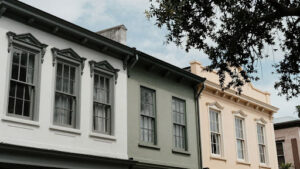
So, you own a place in Jacksonville and you’re wondering if it’s part of a historic district or maybe even a local landmark. It’s a good question to ask, especially before you start any work on the outside of your home. Knowing where you stand is the first step to making sure you’re following all the rules.
Using the Land Development Map for District Boundaries
Figuring out if your property falls within a designated historic area is actually pretty straightforward. The city provides a handy tool for this: the Land Development Map. It’s an online resource that lets you check by address or even a property’s real estate number. You’ll want to open the “Layers” tab, then look for the “Historic” section and check the boxes for “Historic Districts” and “Landmarks.” This will visually show you the boundaries on the map. It’s like having a cheat sheet for your neighborhood’s history!
Understanding Contributing vs. Non-Contributing Structures
Once you know you’re in a historic district, you might hear terms like “contributing” and “non-contributing.” Basically, back in 1985, buildings were assessed. If a building was seen as adding to the historic feel and character of the district, it was labeled “contributing.” These are the structures that really help define the unique charm of the neighborhood. Even if a property seems modest on its own, it’s considered valuable to the overall historic fabric. “Non-contributing” structures, on the other hand, don’t quite fit that historic mold. If a property wasn’t listed back then, or if its character has changed significantly, it might be considered non-contributing. This distinction can sometimes affect what kind of work is allowed or what review process is needed.
Local Landmarks and Historic Districts
It’s important to know that “local landmark” and “historic district” aren’t quite the same thing. A historic district is a larger area, often a neighborhood, with a collection of historic buildings and a shared sense of history. A local landmark, however, is typically a single building or site that has been recognized for its historical or architectural significance. Both have specific rules to protect them, and any exterior work on properties within these areas usually requires a Certificate of Appropriateness (COA).
Being aware of your property’s status within Jacksonville’s historic preservation framework is key. It helps you plan projects correctly and avoid potential issues down the line. Always check the official resources to confirm your property’s designation before starting any exterior renovations or changes.
Resources for Historic Property Owners and Contractors
Owning a historic property in Jacksonville comes with a unique set of responsibilities and opportunities. To help you navigate the process, whether you’re a homeowner planning a renovation or a contractor taking on a historic project, there are several resources available. Knowing where to find information and assistance can make all the difference.
Helpful Websites and Contact Information
Keeping track of all the official sites can be a bit much, but these are the main places to check:
- City of Jacksonville Historic Preservation Section: This is your primary contact for all things preservation. They handle the Certificate of Appropriateness (COA) process and can answer questions about guidelines and regulations. You can reach them at 214 North Hogan Street, Suite 300, Jacksonville, FL 32202, or by phone at (904) 255-7800. Their email is [email protected].
- Jacksonville Historic Preservation Commission (JHPC): While the Preservation Section handles day-to-day matters, the Commission makes decisions on certain applications. Their calendar and meeting information are usually available online.
- Land Development Map: Need to know if your property is in a historic district or is a local landmark? This online map is the place to go. You can search by address to confirm your property’s status. Just look for the “Layers” tab, then the “Historic” section, and check the boxes for “Historic Districts” and “Landmarks.”
- JEA Energy Efficiency Audits: Historic homes can sometimes be energy hogs. JEA offers free audits to help you identify ways to improve efficiency, many of which don’t require a COA if they’re interior improvements.
When planning any exterior work, it’s always best to consult the specific design guidelines for your district. These documents provide detailed information on what is appropriate for alterations, additions, and replacements, helping to maintain the historic character of your neighborhood.
Contractor Licensing and Verification
Finding a qualified contractor is key to a successful historic renovation. It’s important to ensure they are properly licensed and have experience with historic properties.
- Duval County Contractor Licenses Search: You can check if a contractor holds a local license here.
- State Contractor Licenses Search: The Florida Department of Business & Professional Regulation (DBPR) website allows you to search for state licenses and view any disciplinary actions or complaints filed against a contractor. This is a good step before hiring anyone.
- Reporting Contractors: If you encounter issues with a contractor’s work or conduct, the DBPR website also provides information on how to file a complaint with the relevant state board.
Neighborhood Preservation Organizations
Local non-profit groups play a vital role in advocating for and supporting historic neighborhoods. They can be a great source of information and sometimes even contractor recommendations.
- Riverside Avondale Preservation (RAP): This organization works to preserve and promote the Riverside Avondale historic district.
- Springfield Preservation and Revitalization (SPAR): SPAR focuses on the preservation and revitalization efforts within the Springfield historic district.
These organizations often have websites or social media pages where you can find updates, resources, and sometimes even connect with other property owners or local professionals.
Consequences of Unapproved Work in Historic Districts
So, you’re thinking about making some changes to your historic home in Jacksonville, maybe updating those old windows or fixing up the porch. That’s great! But before you grab your tools, it’s super important to know what’s what when it comes to historic districts. Doing work without the right paperwork can really put you in a bind.
Potential Violations and Their Processing
If you start exterior work on a property within a historic district or a designated local landmark without getting a Certificate of Appropriateness (COA), you’re likely looking at a violation. The city’s Historic Preservation Section handles these. They’ll review what you’ve done, and then things can go a few different ways. It’s not always a dead end, but it’s definitely a hassle you’d rather avoid.
After-the-Fact COA Approvals
Sometimes, the city might allow you to apply for a COA after the work has already been done. This is called an “after-the-fact” approval. It’s not guaranteed, though. The review process for these can be more complicated, and there’s a chance your work might not meet the standards, even if you try to get it approved later. It really depends on the specific project and how it fits with the district’s guidelines.
Corrective Actions and Enforcement
What happens if your unapproved work doesn’t get an after-the-fact COA? Well, you might be required to fix it. This could mean:
- Reversing the work: You might have to undo everything you did and put it back the way it was. This can be costly and frustrating.
- Modifying the work: In some cases, you might be able to make changes to bring the work into compliance with the historic standards. This could involve using different materials or altering the design.
- Settlement agreements: For more complex situations, you might end up in a settlement agreement with the city, which could involve fines or specific actions you need to take.
For work that’s particularly significant or can’t be sorted out at the administrative level, it might even need to go before the Jacksonville Historic Preservation Commission (JHPC) for a decision. It’s always best to get that COA before you start any exterior work to avoid these potential headaches and keep your historic property looking its best while respecting its heritage.
Starting exterior renovations or replacements in a Jacksonville historic district without first securing a Certificate of Appropriateness (COA) can lead to significant complications. The process is designed to protect the unique character of these areas, and bypassing it can result in violations, costly corrective actions, or even the requirement to reverse completed work. Always consult the Historic Preservation Section and obtain the necessary approvals prior to commencing any exterior alterations.
Wrapping It Up
So, when it comes to updating your home in a historic Jacksonville district, especially those windows, remember there’s a process. It’s all about getting that Certificate of Appropriateness, or COA, before you start. This makes sure whatever you do fits with the look and feel of the neighborhood’s past. It might seem like a bit of a hassle, but it really helps keep these special areas looking great for everyone. Plus, there are resources and people ready to help you through it, so don’t be afraid to reach out. Doing it the right way means your home stays beautiful and historically sound.
Frequently Asked Questions
What is a Certificate of Appropriateness (COA) and why do I need one?
Think of a Certificate of Appropriateness, or COA, as a special permission slip. If you own a property in one of Jacksonville’s historic areas or if your home is a local landmark, you’ll need a COA before you make any changes to the outside of your building. This includes things like fixing up your windows, changing the siding, or even working on your fence or driveway. The COA process makes sure that any work done keeps the historic look and feel of the neighborhood intact, helping to preserve our city’s history for everyone to enjoy.
How do I know if my property is in a historic district?
It’s easy to find out if your home is in a historic district or is considered a local landmark. You can use the city’s online Land Development Map. Just go to the map website, click on ‘Layers,’ then the ‘Historic’ tab, and check the boxes for ‘Historic Districts’ and ‘Landmarks.’ You can also search by your property’s address to see if it falls within these special areas.
What kind of window work needs a COA?
Generally, any changes you plan to make to the exterior of your windows will require a COA. This includes replacing old windows with new ones, even if they look similar. The city wants to make sure that the new windows match the historic style of your home and the district. You might need to fill out a special ‘Window Survey Form’ as part of your COA application to provide details about the windows you plan to install.
Can I just replace my windows without getting a COA?
Doing any work that affects the outside of your historic property without getting a COA first can lead to problems. You might get a violation notice. While sometimes it’s possible to get approval after the work is done, it’s not guaranteed, and you might have to fix or even undo the changes. It’s always best to get your COA approved *before* you start any work to avoid headaches and potential fines.
How long does it take to get a COA, especially for window replacements?
The time it takes can vary. Simple projects that meet certain guidelines can often be approved quickly by the Historic Preservation staff, sometimes in just a week or two. However, if your project, like a window replacement that’s very visible from the street, needs to be reviewed by the Jacksonville Historic Preservation Commission, it will take longer – usually at least a month from when you submit everything. It’s a good idea to apply well in advance of when you want to start your project.
Are there any financial help or resources available for historic property owners?
Yes, there are! Jacksonville offers programs like the Historic Preservation Property Tax Exemption and the REHAB Special Revenue Fund that might help with costs. You can also find helpful information and guidelines on the city’s Historic Preservation website. Don’t forget to check out neighborhood groups like Riverside Avondale Preservation (RAP) or Springfield Preservation and Revitalization (SPAR), as they can be great resources and may have contractor recommendations too.