So, you’re thinking about getting new windows for your place in Jacksonville, FL? That’s a pretty big job, and if you’re anywhere near the coast, you’ve probably heard about ‘impact windows.’ They sound fancy, but really, they’re just built tougher to handle Florida’s wild weather, especially when hurricane season rolls around. We’re going to break down what these Hurricane-Impact Engineering Standards for Window Replacement in Jacksonville FL actually mean, so you know what you’re getting into and what your home needs.
Key Takeaways
- In Florida, especially near the coast, windows need to meet specific standards to handle hurricane-force winds and flying debris. This is part of the Hurricane-Impact Engineering Standards for Window Replacement in Jacksonville FL.
- Impact windows are tested to withstand impacts from large and small debris, and they have pressure ratings to show how much wind they can handle. Look for Florida Product Approval numbers.
- Beyond just storm protection, these windows can make your home more secure, cut down on energy bills, and reduce outside noise.
- When picking new windows, think about the frame material, the type of glass (laminated is key for impact resistance), and how well they’ll work with Jacksonville’s coastal environment.
- You’ll need permits for window replacement, and keeping all your paperwork, like approvals and inspection records, is important for compliance and insurance.
Understanding Hurricane-Impact Engineering Standards for Window Replacement in Jacksonville FL
When you’re thinking about replacing windows in Jacksonville, especially with hurricane season always looming, it’s not just about picking something that looks nice. There are some pretty specific engineering standards you need to know about. These rules are in place to make sure your home can stand up to some serious weather. It’s all about keeping your house safe and sound when the wind really starts howling.
Defining Wind-Borne Debris Regions and High Velocity Hurricane Zones
Jacksonville, while not in the strictest High Velocity Hurricane Zone (HVHZ) like Miami-Dade or Broward counties, still falls into areas where wind-borne debris protection is a big deal. Basically, the state divides areas based on how likely they are to get hit by strong winds and flying stuff during a storm. If you’re close to the coast, say less than a mile, your windows need to handle winds around 130 mph. If you’re a bit further inland, the requirement might jump to 140 mph or even higher, depending on the exact spot and local rules. So, even though Jacksonville isn’t an HVHZ, the need for protection against flying debris is still very real for most homes here.
Key Impact Ratings: Large Missile vs. Small Missile Tests
When you look at impact windows, you’ll see ratings that tell you how they performed in tests. These tests are designed to mimic what happens during a hurricane. There are two main ones to know about:
- Large Missile Test (Level D): This is the tougher one. It involves shooting a 9-pound 2×4 piece of lumber at the window at about 50 feet per second. After that, the window has to go through thousands of pressure cycles to simulate sustained hurricane winds. If it stays in one piece without breaking through, it passes.
- Small Missile Test (Level C): This test uses smaller objects, like 10 steel balls weighing 2 grams each, also shot at high speed (around 50 feet per second). This simulates smaller debris, like gravel or bits of roofing that might get tossed around.
The Large Missile Test is generally considered the more rigorous standard for hurricane protection.
Design Pressure Ratings Explained
Another important number you’ll see is the Design Pressure (DP) rating. This tells you how much wind pressure, measured in pounds per square foot (PSF), a window can handle. Think of it as how much force the window can take before it starts to fail. For homes near the coast in Florida, you’ll typically need windows with a DP rating of 40 or higher. Homes a bit further inland might be okay with a DP rating between 30 and 35, but it’s always best to check the specific requirements for your location. This rating is directly tied to the wind speed your home is designed to withstand based on its location.
Understanding these ratings is key. It’s not just about buying a window; it’s about buying the right level of protection for where you live. Making sure your windows meet these standards means they’re built to take a beating from wind and debris, which is a pretty big deal in Florida.
Florida Building Code Requirements for Impact Windows
Florida’s weather can be pretty wild, and the state’s building code really reflects that. When it comes to windows, especially in places like Jacksonville that can get hit by storms, there are some pretty specific rules you need to follow. It’s not just about picking a window that looks nice; it’s about making sure it can actually stand up to a hurricane.
Certification and Product Approval Processes
Before you even think about installing new windows, they have to be certified. This means manufacturers have to put their products through some tough tests to prove they meet the Florida Building Code’s standards. Think of it like a stamp of approval that says, ‘Yep, this window can handle some serious wind and flying stuff.’ You’ll usually see a label on the window itself that shows it’s been approved. This process is super important because it guarantees the window is designed to perform when you need it most. It’s not just a suggestion; it’s a requirement for most replacements.
Installation Standards for Structural Integrity
Getting the right window is only half the battle. How it’s put in is just as critical. The Florida Building Code has detailed instructions on how impact windows need to be installed. This isn’t a DIY job for most people because it involves specific fasteners, sealants, and making sure the whole window unit is properly secured to the house’s structure. If it’s not installed correctly, even the best window won’t do its job during a storm. The code aims to make sure the entire system, from the glass to the frame and how it’s attached, works together to keep your home safe.
Energy Efficiency Mandates: SHGC and U-Factor
Beyond just storm protection, the Florida Building Code also cares about how energy-efficient your windows are. This is a big deal in Florida with those hot summers. The code sets limits on things like the Solar Heat Gain Coefficient (SHGC), which is basically how much heat from the sun gets through the window, and the U-factor, which measures how well the window insulates. Lower numbers for these usually mean a more energy-efficient window. By meeting these standards, your new windows can help keep your home cooler, reduce your reliance on air conditioning, and ultimately save you money on your energy bills. It’s a win-win: better protection and lower costs.
The Florida Building Code is designed to protect homes from the state’s unique weather challenges, including hurricanes and high winds. For windows, this means they must meet strict standards for both impact resistance and energy efficiency, especially in coastal areas. Proper installation is also a key part of the code, ensuring the entire window system performs as intended during severe weather events.
Benefits of Impact-Resistant Windows Beyond Storm Protection
So, we all know impact windows are a big deal when a hurricane is brewing. They’re built tough to stop flying junk from smashing through your house. But honestly, that’s not the only good thing about them. These windows actually do a bunch of other stuff that makes life better, even when the weather’s calm.
Enhanced Home Security and Intrusion Resistance
Think about it: that super-strong laminated glass and the reinforced frames aren’t just for wind. They make it way harder for someone to just break in. It’s like having an extra layer of security that’s always on duty. Burglars are looking for the easy way in, and these windows are definitely not that. It gives you a bit more peace of mind, especially if you live in a busy area or travel a lot.
Improved Energy Efficiency and Reduced Cooling Costs
This is a big one, especially here in Florida. Impact windows are usually made with multiple panes of glass and special coatings. This setup does a great job of keeping the heat outside where it belongs during those scorching summer months. Less heat getting in means your air conditioner doesn’t have to work overtime. Over time, that can really add up on your electricity bill. Plus, it just makes your house feel more comfortable year-round, not just during storm season.
Noise Reduction and UV Protection
Another cool perk? These windows are pretty good at blocking out noise. If you live near a busy road or an airport, you’ll notice a difference. The thicker glass and better seals cut down on outside sounds. And that laminated glass? It also acts like a shield against the sun’s harmful UV rays. This means your furniture, carpets, and artwork are less likely to fade over time. It’s like giving your home’s interior a little sunscreen.
Beyond just surviving the next big storm, upgrading to impact windows means you’re investing in a more secure, comfortable, and potentially less expensive home to run on a daily basis. It’s a win-win, really.
Here’s a quick rundown of the everyday advantages:
- Tougher against break-ins: Makes your home a harder target for burglars.
- Lower energy bills: Keeps your home cooler in summer and warmer in winter.
- Quieter living: Significantly reduces outside noise pollution.
- Protects interiors: Blocks damaging UV rays that cause fading.
Selecting the Right Impact Window Products for Jacksonville Homes
Picking out new windows and doors for your place in Jacksonville can feel like a big decision, especially when you’re thinking about hurricane season. It’s not just about what looks good, but what’s going to hold up when the weather gets rough. You’ve got a few main types of products to consider, and each has its own strengths.
Vinyl Single-Hung and Sliding Glass Door Options
Vinyl windows are a popular choice for a reason. They’re pretty budget-friendly and do a decent job of keeping the weather out. For Jacksonville, you’ll want to look at single-hung styles, which are common and work well. Sliding glass doors are also a big part of many homes here, and you can get these with impact-resistant features too. Make sure any vinyl product you consider is specifically rated for impact resistance in our zone.
- Single-Hung Vinyl Windows: These are a solid, no-fuss option. The top sash doesn’t move, which can add a bit of strength. Look for ones with a good seal and a sturdy frame.
- Sliding Glass Doors: Great for backyard access, but they can be a weak spot. Impact-rated versions have stronger frames and laminated glass to keep them from breaking.
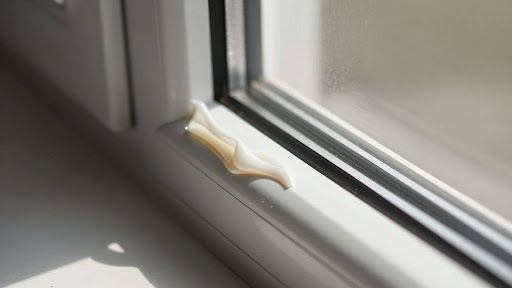
- Drainage: Pay attention to how water gets out. A “sloping sill” is a nice feature that helps rain run away instead of pooling up.
Reinforced Frames and Laminated Glass Features
When you’re looking at impact windows, the materials are key. It’s not just the glass; the frame has to be tough too. Laminated glass is what makes these windows “impact” resistant. It’s basically two pieces of glass with a strong plastic layer in between. If it gets hit, it might crack, but it’s designed to stay in place, stopping wind and debris from getting inside.
- Laminated Glass: This is the core of impact protection. It’s designed to hold together even when broken.
- Frame Materials: Look for reinforced frames. Aluminum or strong vinyl frames with metal supports inside are common. These help the whole window unit withstand strong winds.
- Hardware: Don’t forget the locks and hinges. They need to be robust and able to handle stress.
Considering Local Climate and Coastal Exposure
Jacksonville isn’t just one kind of place. If you’re closer to the coast, you’ve got a different set of challenges than someone a few miles inland. The salt air can really do a number on metal parts over time, making them corrode. Plus, coastal areas often have higher wind speed requirements to meet building codes.
Living near the Atlantic means your windows and doors face not only wind and rain but also salt spray. This can speed up wear and tear on certain materials, so choosing products designed for coastal environments is a smart move for long-term durability.
- Coastal Areas: Homes within a few miles of the ocean might need products with special coatings or materials that resist salt corrosion. Check if the window frames and hardware are rated for salt spray.
- Inland Areas: While you might not have the direct salt air, wind speeds can still be high during storms. Focus on the impact ratings and wind pressure ratings.
- Building Codes: Always double-check that the windows and doors you choose meet or exceed the specific building codes for your exact location in Jacksonville, especially if you’re in a high-wind zone.
Navigating Permits and Documentation for Window Replacements
Replacing your windows in Jacksonville, especially with hurricane-impact ones, isn’t just about picking out new frames and glass. There’s a whole process involving permits and paperwork that you’ve got to get through. It might seem like a hassle, but it’s super important for making sure everything is done right and stays legal.
Obtaining Necessary Permits and Inspections
First off, you can’t just swap out your old windows for new ones without getting the okay from the city. Florida building codes pretty much require a permit for any window or door work, whether it’s a brand-new build or a replacement. This applies to impact windows too. The permit is your official go-ahead, and it means the city will come out to check the work.
- Permit Application: You’ll need to submit an application that includes details about the windows you’re installing. This usually means providing product approval numbers, contractor information, and sometimes even drawings.
- Product Approval: The windows themselves need to be approved for use in Florida. You’ll need to show proof, like a Florida Product Approval number or a Miami-Dade Notice of Acceptance (NOA). Your contractor should handle this, but it’s good to know.
- Inspections: After the windows are installed, the city will send an inspector to make sure everything was put in according to code. There might be a rough inspection before the windows are fully finished and a final inspection once everything is complete.
Required Documentation for Compliance and Insurance
Keeping good records is key. You’ll want to hold onto all the paperwork related to your window replacement project. This isn’t just for the city; it’s also for your own peace of mind and for your insurance company.
- Product Specifications: Get copies of the manufacturer’s specs for the windows you chose. This shows what you bought and what features it has.
- Warranty Information: Make sure you have the warranty details for both the windows and the installation work. This is your protection if something goes wrong down the line.
- Permit and Inspection Records: Keep the approved permit and the final inspection sign-off. This proves the work was done legally and correctly.
- Insurance Discounts: Many insurance companies offer discounts for homes with hurricane-impact windows. Having all your documentation in order makes it easier to claim these savings. You might need to show them proof of the approved products and proper installation.
Verifying Local Code Requirements
While Florida has statewide building codes, Jacksonville might have specific local requirements or interpretations. It’s always a good idea to double-check with your local building department. They can tell you exactly what’s needed for permits, inspections, and product approvals in your area.
Working with a licensed and reputable contractor is your best bet. They’re familiar with the local rules and can manage the permit process for you, making sure all the paperwork is correct and that the installation meets all the necessary standards. This saves you a lot of headaches and potential problems later on.
Here’s a quick look at what you might need:
| Document Type | Purpose |
| Permit Application | Official request for permission to do the work. |
| Product Approval Numbers | Proof that windows meet Florida’s wind and impact standards. |
| Contractor License/Insurance | Verification that the installer is qualified and insured. |
| Installation Agreement | Contract detailing the scope of work, materials, and costs. |
| Final Inspection Report | City’s confirmation that the installation passed inspection. |
| Manufacturer Warranty | Covers defects in the window product itself. |
| Workmanship Warranty | Covers issues related to the installation process. |
Impact Windows Versus Hurricane Shutters
When it comes to protecting your home in Jacksonville from hurricanes, you’ve got a couple of main options: impact windows or hurricane shutters. Both can get the job done according to Florida building codes, but they’re pretty different in how they work and what they offer.
Continuous Protection of Impact Windows
Impact windows are basically built tough. They use laminated glass, which is like a super-strong sandwich with a special layer in the middle. This design means that even if something hits the window hard, the glass is supposed to stay in one piece. This is a big deal because it means your home is protected all the time, not just when a storm is coming. You don’t have to do anything special before a hurricane hits. Plus, they work year-round to keep your home more comfortable and quiet. They also add a layer of security against break-ins, which is a nice bonus.
Convenience and Year-Round Benefits
Let’s talk about the day-to-day stuff. With impact windows, there’s no last-minute rush to put up panels or roll down shutters when a storm is brewing. You just… live your life. They also help with your energy bills because they’re better at keeping conditioned air inside. Think about it: less sun beating through, less noise from traffic – it’s a win-win. They also let in natural light and keep your views clear, which is something you lose when shutters are up.
When Shutters May Be an Alternative
Now, hurricane shutters are a different story. They can be a more budget-friendly option upfront. You can get different types, like panels you bolt on or roll-down systems. They do meet code requirements, so they offer protection when properly installed. However, they require action before every storm. You have to get them out, put them up correctly, and then take them down and store them afterward. This takes time and effort, and you need a place to keep them when they’re not in use. They also block out light and views when they’re deployed. For some folks, the cost savings outweigh the hassle, especially if they don’t live in a high-risk area or have a solid plan for storm prep.
Here’s a quick look at how they stack up:
| Feature | Impact Windows | Hurricane Shutters |
| Protection | Continuous, always active | Active only when deployed |
| Preparation | None required | Must be installed before storm |
| Year-Round Benefits | Energy efficiency, noise reduction, security | None |
| View/Light | Unobstructed | Blocked when deployed |
| Storage | Not applicable | Required for panels/operable shutters |
| Initial Cost | Higher | Lower |
| Maintenance | Minimal (cleaning) | Regular checks, lubrication, potential repairs |
Ultimately, the choice between impact windows and shutters often comes down to your budget, how much effort you’re willing to put in before a storm, and whether you value the everyday benefits that impact windows provide. For many homeowners in Jacksonville, the peace of mind and convenience of impact windows make them the preferred choice, even with the higher initial cost.
Wrapping It Up
So, when it comes to replacing windows in Jacksonville, especially with hurricane season always looming, it’s really about picking the right stuff. We’ve talked about how these impact windows aren’t just some fancy upgrade; they’re built tough to handle what Florida’s weather can throw at them. Making sure they meet the right standards, like those impact ratings and pressure tests, is key. It’s not just about following the rules, though. Getting good windows means your home stays safer, your energy bills might even drop a bit, and honestly, it just gives you more peace of mind. Think of it as a solid investment in your home’s future, especially here on the coast.
Frequently Asked Questions
What exactly are hurricane-impact windows?
Hurricane-impact windows are built tough with special laminated glass. This means they have layers of glass with a strong middle part that holds everything together. Even if the glass cracks from something hitting it, it won’t shatter into pieces. This keeps wind, rain, and flying debris out of your home during a storm. They’re designed to handle strong winds and impacts, making them a great choice for places like Jacksonville that can get hit by hurricanes.
Do I really need impact windows in Jacksonville, Florida?
Jacksonville is in an area that can experience strong winds and flying debris during hurricanes. While it might not be a ‘High Velocity Hurricane Zone’ like some other parts of Florida, the state building code still requires protection for windows in many coastal and wind-prone areas. Impact windows offer a high level of safety and are often required, especially if you live close to the coast. They help protect your home and family from storm damage.
How do I know if an impact window meets the safety rules?
All impact windows sold and installed in Florida must have a special ‘Florida Product Approval’ label or a ‘Miami-Dade Notice of Acceptance.’ This means they’ve been tested and proven to meet the strict standards set by the Florida Building Code for wind resistance and impact protection. Your installer should show you these approval numbers for the windows they use.
Are impact windows just for storms, or do they help with other things too?
Impact windows offer benefits all year long! Because they’re made with strong, layered glass and often have better seals, they help keep your home more comfortable. This means your air conditioner doesn’t have to work as hard, saving you money on electricity bills. They also block out more outside noise and protect your furniture and floors from fading by blocking harmful UV rays.
What’s the difference between ‘Large Missile’ and ‘Small Missile’ impact ratings?
These ratings tell you how well a window can resist different kinds of flying debris. The ‘Large Missile’ test is tougher and uses a 9-pound piece of lumber shot at the window, like a big piece of debris. The ‘Small Missile’ test uses smaller things, like steel balls, to simulate smaller objects flying around. Windows need to pass these tests to be approved for use in hurricane-prone areas.
What’s more important: the window itself or how it’s installed?
Both are super important! Even the best impact window won’t work right if it’s not installed correctly. The Florida Building Code has very specific rules about how these windows must be put in, using the right screws, sealants, and making sure the frame is strong. Proper installation is key to making sure the window can handle strong winds and impacts when a storm hits.