If your home is drafty in the winter, too hot in the summer, or your energy bills are creeping higher each year, your windows may be to blame. Old, outdated, or poorly installed windows are a common source of energy loss in homes across the country, including right here in Denver, where the climate can be especially tough on aging window systems.
So, will Denver window replacement improve your home’s energy efficiency? The answer is a resounding yes, but not all windows are created equal. In this blog, we’ll explore exactly how new windows contribute to energy savings, what features to look for, and why energy-efficient windows are one of the smartest investments you can make in your home.
Why Windows Matter for Energy Efficiency
Windows play a key role in your home’s thermal envelope. When properly installed and insulated, they allow natural light and ventilation in while keeping unwanted heat or cold out. But when they’re outdated, damaged, or inefficient, windows can be one of the biggest culprits behind energy waste.
According to the U.S. Department of Energy, 25% to 30% of residential heating and cooling energy use is due to heat gain and loss through windows. That means if your windows are drafty, single-pane, or lacking modern insulation features, you’re likely spending more on energy than you should be.
Signs Your Current Windows Are Hurting Your Efficiency
Not sure if your existing windows are the problem? Here are a few common red flags:
- Drafts near windows, especially during cold or windy days
- Condensation between panes, which can indicate failed seals
- Rising heating and cooling bills despite no change in energy usage
- Single-pane glass, common in older homes, and highly inefficient
- Visible damage like rotting frames, cracked glass, or poor caulking
- Uncomfortable temperature zones in rooms with lots of windows
If any of these sound familiar, upgrading your windows could dramatically improve your home’s efficiency and comfort.
How Energy-Efficient Windows Work
Modern energy-efficient windows use a combination of advanced materials and technologies to reduce heat transfer, block harmful UV rays, and minimize air leakage. Here are the key features that contribute to improved performance:
1. Multiple Panes of Glass
Double- and triple-pane windows include two or three layers of glass separated by insulating gas (usually argon or krypton). These layers create a thermal barrier that reduces the transfer of heat and cold, keeping interior temperatures more stable.
2. Low-E Glass Coatings
Low-emissivity (Low-E) coatings are microscopically thin layers of metal applied to the glass. They reflect infrared heat while still allowing natural light to pass through. This keeps your home cooler in the summer and warmer in the winter.
3. Gas Fills Between Panes
Argon or krypton gas fills the space between panes in high-performance windows. These gases are denser than air and act as additional insulation, helping prevent drafts and temperature shifts.
4. Energy-Efficient Frames
Modern frames made from vinyl, fiberglass, or composite materials resist warping, reduce heat transfer, and last longer than traditional wood or aluminum. Many energy-efficient windows also come with thermal breaks inside the frame to further reduce energy loss.
5. Warm Edge Spacers
Spacers separate the panes of glass and maintain the gas fill. Warm edge spacers, made from less conductive materials, reduce heat transfer at the edges of the window and help prevent condensation.
ENERGY STAR® and NFRC Ratings
When shopping for energy-efficient windows, look for the ENERGY STAR® label. This designation means the window meets strict energy performance standards based on your region’s climate.
Also check the NFRC (National Fenestration Rating Council) label, which provides performance ratings in the following areas:
- U-Factor – Measures heat loss. Lower numbers mean better insulation. In cold climates like Denver, aim for U-factors below 0.30.
- Solar Heat Gain Coefficient (SHGC) – Measures how well the window blocks heat from sunlight. Lower numbers are better in hot climates; higher SHGC can help in colder areas.
- Visible Transmittance (VT) – Measures the amount of light the window lets through. Higher numbers = more daylight.
- Air Leakage (AL) – Indicates how much air leaks through. Lower is better for efficiency.
These ratings help you compare products and choose the best window for your home’s unique needs.
How Much Can You Save?
While energy savings will vary based on your current windows and how well your home is insulated, the potential impact is significant:
- Replacing single-pane windows with ENERGY STAR®-certified double-pane windows can save up to $465 per year on heating and cooling costs, depending on your climate and home size.
- In a city like Denver, where winters can be bitterly cold and summers surprisingly hot, efficient windows help reduce the load on your HVAC system year-round.
- According to the U.S. Department of Energy, homes with upgraded windows often see a 12% to 30% reduction in energy use.
Additional Benefits Beyond Energy Savings
While lower energy bills are a major selling point, new windows also offer other valuable perks:
1. Improved Comfort
Efficient windows help eliminate cold drafts and hot spots, keeping indoor temperatures consistent throughout the year. That means fewer arguments over the thermostat!
2. Noise Reduction
Multi-pane, gas-filled windows block more outside noise than older single-pane options. If you live near a busy road or in a noisy neighborhood, this can make a noticeable difference.
3. Better UV Protection
Low-E coatings protect your furniture, flooring, and artwork from fading by blocking harmful ultraviolet rays, up to 98% in some cases.
4. Increased Home Value
Energy-efficient upgrades are attractive to buyers. According to real estate data, new windows can offer a return on investment (ROI) of up to 70–80% when it’s time to sell.
Are New Windows Always Worth It?
If your windows are already double-paned and in good condition, the energy savings from replacing them may be modest. In this case, consider options like adding storm windows, improving weatherstripping, or sealing gaps with caulk.
But if your windows are outdated, damaged, or poorly insulated, replacement is often the most cost-effective choice for improving your home’s energy performance and long-term comfort.
Why Work with a Professional Installer?
Proper installation is just as important as the window itself. Even the most energy-efficient window can underperform if it’s installed incorrectly, leading to drafts, moisture issues, and reduced lifespan.
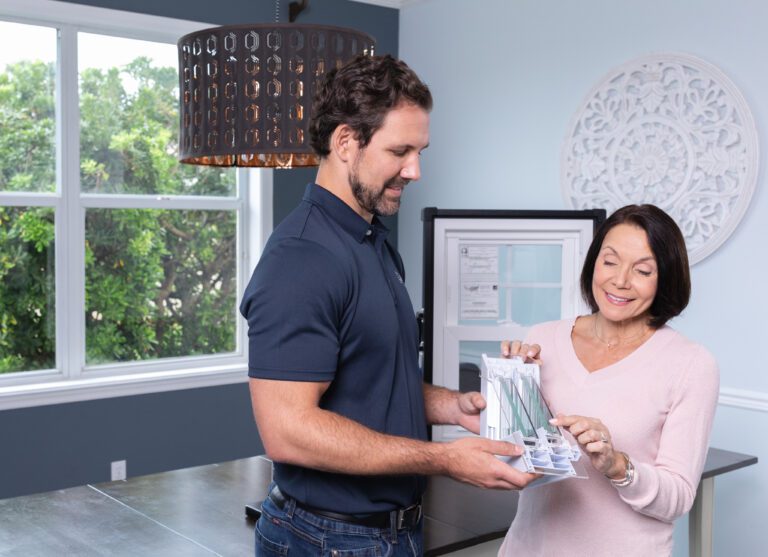
At Wallaby Windows Denver, our professional installation team ensures your new windows are sealed, squared, and performing exactly as they should. We also help you select the right window style, frame, and glass package for Denver’s climate and your home’s unique design.
Yes — New Windows Can Dramatically Improve Energy Efficiency
If you’re dealing with high energy bills, indoor drafts, or uncomfortable rooms, new windows could be the solution you’ve been looking for. With advanced materials and modern engineering, today’s energy-efficient windows are designed to keep your home comfortable, your costs low, and your curb appeal high.
At Wallaby Windows Denver, we specialize in energy-efficient window replacements that are built to withstand Colorado’s unique climate. Our team will guide you through the process, from product selection to expert installation, so you get the most value from your investment.
Schedule your free in-home consultation today and start saving with windows that work harder — so your HVAC doesn’t have to.