Living in Colorado or other high-altitude regions means getting the best of both worlds: stunning mountain views and plenty of sunshine. But it also means your home’s windows face conditions that are tougher than most. At higher elevations, like Denver (5,280 feet) or mountain towns such as Evergreen and Estes Park, the air pressure, UV exposure, and temperature fluctuations all affect how well your windows perform.
Choosing the best home windows for high-altitude environments is crucial for comfort, energy efficiency, and long-term durability. In this guide, we’ll explain why altitude matters and what window materials, glass types, and features work best for homes in Colorado’s unique climate.
The Science Behind High-Altitude Window Challenges
At higher elevations, air pressure is lower. This difference can cause standard insulated glass units (IGUs) to expand, contract, or even rupture as they adjust to changes in pressure. The higher you go, the greater the difference between the inside air pressure of the sealed window and the outside environment.
In addition to pressure, UV radiation increases by roughly 10–12% for every 1,000 meters (3,280 feet) above sea level. That means homes in Denver are exposed to nearly 25% stronger UV rays than homes near sea level. Over time, this exposure can cause fading, warping, and seal failure in inferior window products.
Combine that with sudden temperature drops, common on the Front Range, and you have a recipe for windows that need to be strong, airtight, and built for performance.
What to Look for in High-Altitude Windows
When shopping for windows at elevation, the key is finding models that can withstand environmental stress without compromising comfort or aesthetics. Here are the main features to look for:
1. Pressure-Equalized or Capillary Tube Windows
At high altitudes, pressure-equalized windows are a must. Manufacturers often use capillary tubes, tiny openings in the insulating glass unit that allow the air pressure inside the panes to adjust as the window is shipped and installed.
Once the window acclimates, the tube can be sealed to maintain insulation integrity. This prevents fogging, warping, or even glass breakage that can occur with standard sealed units.
2. Low-E Glass with UV Protection
Because UV levels are much higher in Colorado, low-emissivity (Low-E) glass is essential. These coatings reflect ultraviolet and infrared light, protecting furniture and flooring while helping regulate indoor temperatures.
- Low-E2 coatings are ideal for moderate climates and sunny conditions.
- Low-E3 coatings provide enhanced solar control for homes at higher elevations or with large window exposures.
3. Multi-Pane Glass with Argon or Krypton Gas
Double- or triple-pane windows filled with inert gases like argon or krypton create excellent insulation, reducing heat transfer and preventing condensation. For mountain homes where nights can get cold, this added insulation makes a huge difference in comfort.
4. Durable Frame Materials
Certain window materials perform better under altitude stress and Colorado’s dry air:
- Fiberglass: Extremely stable and resistant to expansion or contraction. Great for high-temperature variations.
- Composite: Combines the best of vinyl and wood, offering both strength and insulation.
- Vinyl: Affordable and low maintenance, but make sure it’s high-quality, UV-resistant vinyl.
- Wood-Clad: Offers natural beauty but requires proper sealing to prevent dryness and cracking.
The Best Window Styles for Colorado Homes
Window style also plays a role in performance at high altitudes. The right type of window can help you manage airflow, reduce drafts, and frame those breathtaking views perfectly.
- Casement Windows: Hinged on one side and open outward, providing excellent ventilation and tight sealing when closed.
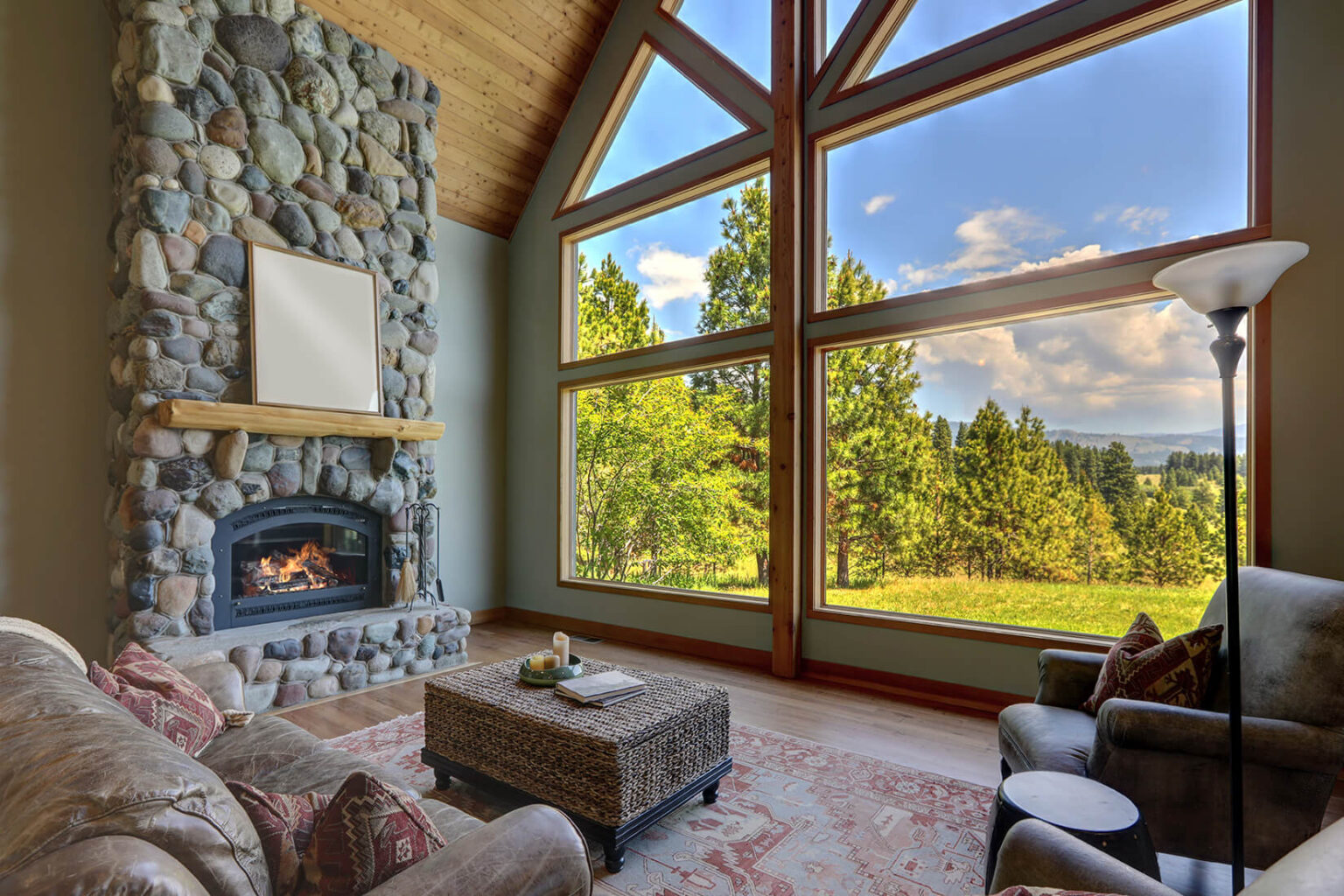
- Picture Windows: Fixed and airtight, ideal for large views and energy efficiency.
- Double-Hung Windows: Classic and versatile, though not as airtight as casement styles.
- Sliding Windows: Easy to use and durable when fitted with strong seals and high-quality tracks.
For homes at higher elevations, casement or picture windows often perform best due to their strong sealing and minimal air leakage.
Why High-Altitude Installation Expertise Matters
Even the best window will fail if it’s not installed correctly. High-altitude window installation requires specialized knowledge and equipment to ensure the windows are acclimated and sealed properly.
A professional installer will:
- Use pressure-adjusted glass units or capillary tubes.
- Allow acclimation time before sealing insulated glass.
- Verify that frame materials and caulking perform in cold weather.
- Ensure airtight, watertight installation against Denver’s wind and snow.
At Wallaby Windows Denver, our installation specialists are trained to handle these challenges and ensure your new windows perform flawlessly year-round.
Energy Efficiency at Altitude
Because of Colorado’s thin air and intense sunshine, energy efficiency is more than just a luxury. It’s a necessity. High-quality windows can cut heating and cooling costs significantly.
According to the U.S. Department of Energy, upgrading to Energy Star®-certified windows can reduce household energy bills by 12% or more annually. In high-altitude climates, that number can climb even higher.
Energy-efficient windows help by:
- Reducing heat gain from sunlight in summer.
- Preventing heat loss during cold winter nights.
- Maintaining consistent indoor temperatures.
- Protecting against UV-related fading.
How to Choose the Right Windows for Your Home
To find the best windows for your high-altitude home, consider these factors:
- Elevation: Homes in Denver (5,280 feet) require different specs than those in mountain areas like Breckenridge or Aspen (8,000+ feet).
- Sun Exposure: South- and west-facing windows may need stronger Low-E coatings to reduce UV damage.
- Aesthetic Preferences: Choose frame colors, finishes, and grid patterns that complement your home’s design.
- Budget and Warranty: Invest in windows backed by solid warranties and proven manufacturer support.
Best Window Brands for High-Altitude Homes
Some of the most trusted window manufacturers for Colorado’s conditions include:
- Pella: Offers fiberglass, vinyl, and wood windows engineered for altitude performance.
- Andersen: Known for composite Fibrex® frames that resist expansion and UV damage.
- James Hardie (for siding complement): Excellent pairing for weather-resistant exteriors.
- Energy Star®-certified brands: Ensure long-term efficiency and durability.
Working with a local dealer like Wallaby Windows Denver ensures your windows are custom-ordered and pressure-adjusted before installation.
Upgrade to High-Performance Windows with Wallaby Windows Denver
At Wallaby Windows Denver, we specialize in installing high-performance, energy-efficient windows designed for Colorado’s high-altitude climate. Our team ensures each window is properly adjusted for pressure, sealed against drafts, and built to handle Denver’s sun, snow, and temperature swings.
Ready to upgrade your home’s comfort and efficiency? Schedule your free in-home consultation today and discover why Denver homeowners trust Wallaby Windows for performance at any elevation.